Sudden frost can be every gardener’s worst nightmare. One cold night is enough to damage, wilt, or even kill sensitive plants, especially if the drop in temperature comes without warning. Whether you grow vegetables, flowers, ornamentals, or potted plants, knowing how to protect sensitive plants from frost is essential for keeping your garden thriving through unpredictable weather.

This complete guide will walk you through everything you need to know: why frost harms plants, how to prepare your garden ahead of time, effective protection methods you can use instantly, and common troubleshooting issues gardeners face after a frost event.
Which Plants Are Most Sensitive to Frost?
Some plants tolerate cold well, but others are vulnerable even to light frost. Protect these types first:
1. Warm-season vegetables
- Tomatoes
- Peppers
- Cucumbers
- Squash
- Eggplants
- Beans

2. Tender herbs
- Basil
- Lemongrass
- Mint (young shoots)
- Cilantro
3. Flowering annuals
- Marigolds
- Zinnias
- Petunias
4. Tropical plants

- Hibiscus
- Bougainvillea
- Banana plants
- Philodendrons
5. Succulents
They may tolerate heat, but many collapse under frost.
Best Ways to Protect Sensitive Plants from Sudden Frost
Let’s go through simple, quick, and effective methods you can apply immediately.
1. Cover Plants Overnight
Covering plants is the fastest and most reliable way to trap heat around them. Materials you can use include:
- Bedsheets
- Pillowcases
- Towels
- Frost cloths
- Cotton fabric
- Lightweight blankets
Tip: Avoid using plastic directly on plants, it transfers cold and burns leaves. If using plastic, add a cotton layer underneath.

How to cover plants effectively
- Drape the fabric loosely over the entire plant.
- Ensure the cover reaches the ground to trap soil warmth.
- Use rocks, bricks, or pins to secure the edges.
- Remove the cover in the morning once temperatures rise.
2. Water the Soil Before Frost Hits
Moist soil retains heat longer than dry soil. Water your garden in the afternoon before a frost event.
Why this works:
Water absorbs heat during the day and releases it slowly at night, keeping the immediate area slightly warmer.
3. Add Mulch Around Plants
A layer of mulch (2–4 inches) insulates the soil and protects plant roots.
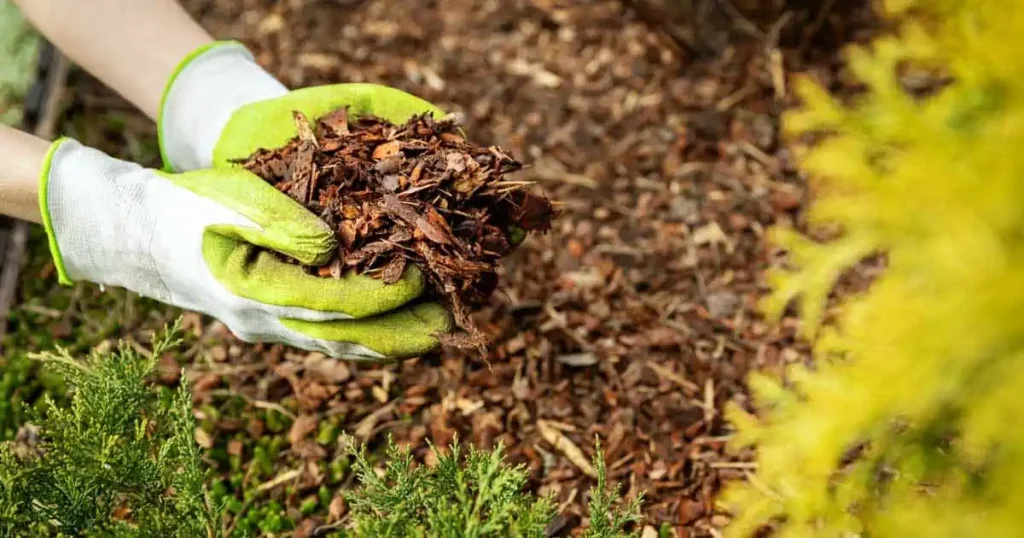
Suitable mulches:
- Straw
- Wood chips
- Shredded leaves
- Grass clippings
Mulching is especially important for root crops, perennials, and young transplants.
4. Bring Potted Plants Indoors
Pots lose heat faster than ground soil. Move potted plants to:
- A garage
- Porch
- Greenhouse
- Inside your home near a bright window
If the plant is large, push it close to a building wall structures radiate warmth and keep temperatures higher.
5. Use Row Covers or Frost Cloths

Row covers provide consistent protection and allow light and air to pass through while insulating the plant canopy.
They are ideal for:
- Vegetable beds
- Seedlings
- Raised beds
Keep them slightly elevated using hoops to avoid damage to leaves.
Frost Troubleshooting Table
| Problem | Symptoms | Possible Cause | Solution |
|---|---|---|---|
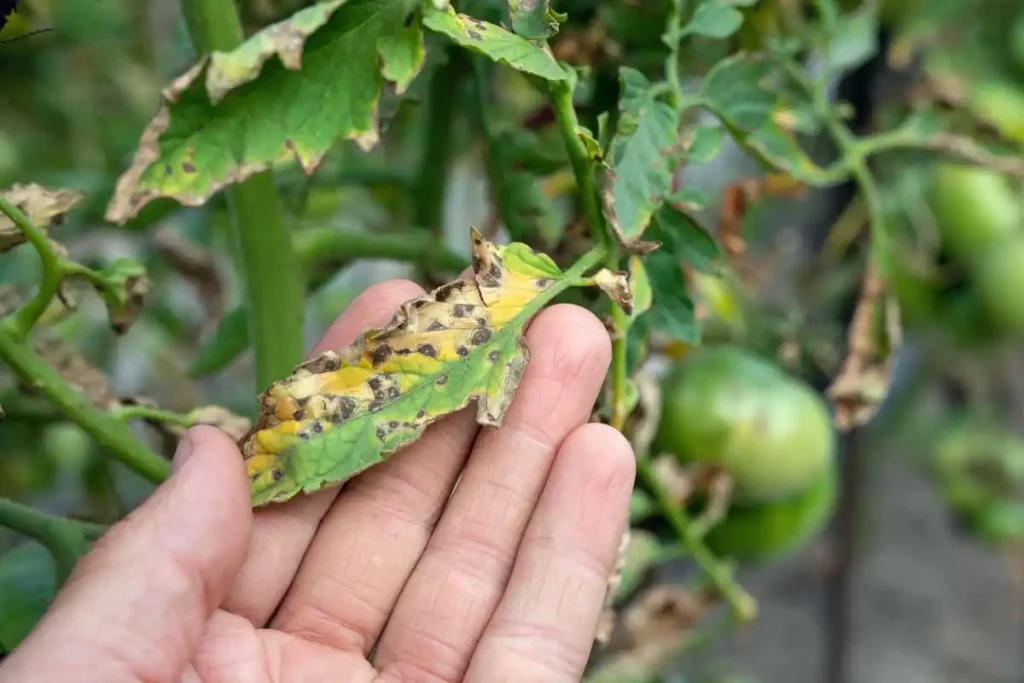
| Leaves turning black or mushy | Soft, dark patches | Ice crystals damaged cells | Wait 3 days, remove damaged leaves later |
| Plant looks wilted in the morning | Drooping, soft leaves | Overnight frost exposure | Water roots, provide shade for recovery |
| Soil is hard or frozen | Roots not absorbing water | Frozen ground | Mulch heavily, water once thawed |
| Young seedlings died overnight | Plants collapsed | Lack of protection | Always cover seedlings or move them indoors |
| Fruit or buds falling off | Premature drop | Cold shock | Apply light fertilizer after recovery |
| Potted plants yellowing | Slow growth, weak stems | Root damage from cold pot | Move pots indoors or insulate containers |
| Brown leaf edges | Dry, crispy tips | Frost burn | Mist lightly, remove edges later |
| Plant not growing for weeks | Stunted growth | Cold-stressed roots | Add compost, protect from future frost |
Final Thoughts
Protecting sensitive plants from sudden frost is all about timing, preparation, and understanding how cold affects your garden. Whether you rely on covers, mulch, watering techniques, or long-term planning, each small step makes a big difference when temperatures unexpectedly drop.
With the methods in this guide, you can prevent frost damage, keep your plants healthy, and enjoy a thriving garden even during unpredictable weather.