Want healthy plants? Deep root planting is key. This technique builds strong root systems right away. Strong roots anchor plants tightly. They also help them find water and nutrients easily. Deep planting works best for trees, shrubs, and perennials that root deep. This method promotes strong, lasting growth. Learn this approach whether you start a new garden or tend to older plants. Mastering deep root techniques makes your yard thrive. This guide covers the best planting methods. Use these expert tips to help your plants flourish.
Why Use Deep Root Planting Techniques?

Planting roots deeply forces them straight down instead of spreading out. This makes plants much more stable. They handle dry conditions better and absorb more food easily. This planting method is perfect for trees and larger shrubs. It also helps certain garden vegetables and flowers thrive. Deep root systems let plants handle harsh outdoor stress. They stand up better to strong winds or poor soil. These techniques are key to creating long-lasting, thriving gardens.
Benefits of Deep Root Planting
- Enhanced Stability: Deep roots anchor plants securely, reducing the risk of toppling in strong winds.
- Improved Drought Tolerance: Deeper roots access water from lower soil layers, reducing watering needs.
- Better Nutrient Access: Deep roots reach nutrient-rich subsoil, supporting healthier growth.
- Long-Term Health: Plants with strong root systems are more resilient to pests, diseases, and seasonal changes.
Deep Root Planting Techniques
1. Deep Hole Planting

- Overview: Digging a deep, wide hole allows roots to establish in loose, nutrient-rich soil, encouraging downward growth.
- How to Do It:
- Dig a hole 2–3 times wider than the root ball and 12–24 inches deep, depending on the plant size (deeper for trees, shallower for shrubs).
- Loosen the subsoil at the bottom of the hole to encourage roots to penetrate deeper.
- Mix native soil with compost (2:1 ratio) to improve fertility without overly rich conditions.
- Place the plant so the root collar (where roots meet the stem) is level with or slightly above the soil surface. Backfill gradually, firming the soil to eliminate air pockets.
- Water thoroughly to settle the soil and promote root contact.
- Best For: Trees (e.g., oaks, maples), large shrubs (e.g., rhododendrons), and deep-rooted perennials.
2. Vertical Mulching

- Overview: This technique involves creating vertical channels around established plants to deliver water, nutrients, or air to deeper soil layers.
- How to Do It:
- Use an auger or shovel to drill 2–4 inch wide holes, 12–18 inches deep, around the plant’s drip line (the outer edge of the canopy).
- Space holes 1–2 feet apart in a circular pattern.
- Fill holes with a mix of compost, sand, or gravel to improve aeration and drainage.
- Water deeply through the holes to encourage roots to grow downward.
- Best For: Revitalizing established trees or shrubs with shallow roots, especially in compacted soils.
3. Deep Root Watering Systems
- Overview: These systems deliver water directly to deeper soil layers, encouraging roots to follow the moisture downward.
- How to Do It:
- Install a deep root watering device (e.g., a perforated pipe or root irrigator) 12–18 inches deep near the plant’s base.
- Water slowly through the device, allowing moisture to penetrate deep into the soil.
- Use 1–2 times per week during establishment, reducing frequency as roots develop.
- Best For: Newly planted trees, large shrubs, or plants in dry climates.

4. Raised Beds for Deep Rooting
- Overview: Raised beds allow you to control soil depth and quality, promoting deep root growth in areas with poor or shallow soil.
- How to Do It:
- Build a raised bed at least 12–18 inches deep using wood, stone, or other materials.
- Fill with a well-draining mix of topsoil, compost, and sand (2:1:1 ratio).
- Plant deep-rooted vegetables (e.g., carrots, parsnips) or perennials, ensuring roots have ample space to grow downward.
- Best For: Vegetables, herbs, or small shrubs in areas with compacted or rocky soil.

5. Root Barrier Installation
- Overview: Root barriers guide roots downward, preventing surface rooting and protecting nearby structures.
- How to Do It:
- Dig a trench 18–24 inches deep around the planting area, 1–2 feet from the plant’s base.
- Install a plastic or fabric root barrier in the trench, ensuring it extends above the soil surface slightly.
- Backfill the trench and plant as usual, encouraging roots to grow deeper rather than laterally.
- Best For: Trees or shrubs near sidewalks, foundations, or pipes.
Step-by-Step Care for Deep Root Planting
1. Select the Ideal Location
- Sunlight: Match the plant’s light needs (e.g., full sun for fruit trees, partial shade for some shrubs). Most deep-rooted plants prefer 6–8 hours of sunlight.
- Soil Type: Aim for loamy, well-draining soil with a pH of 6.0–7.0. Test soil to ensure suitability for your plant.
- Site Considerations: Avoid areas with shallow bedrock or high water tables, which limit root depth.
2. Prepare the Soil
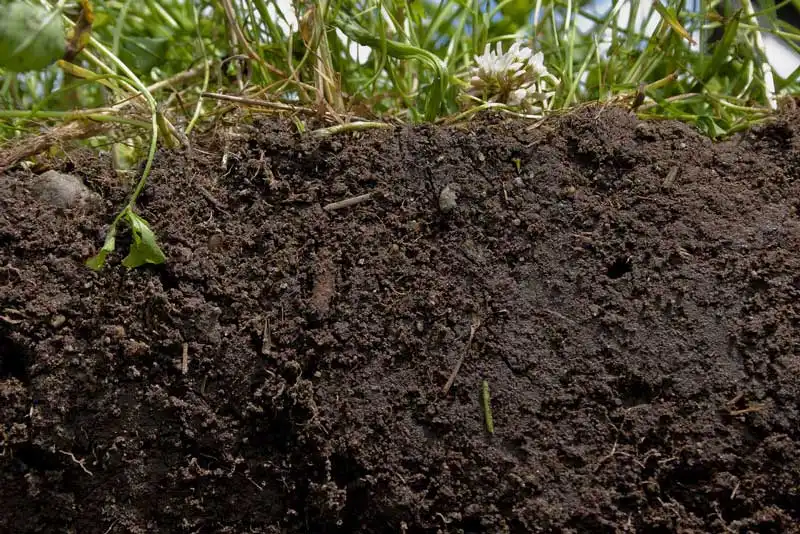
- Loosen Soil: Dig deeply (12–24 inches) to break up compacted layers, allowing roots to penetrate easily.
- Amendments: Add compost or aged manure to improve fertility. Avoid over-amending, as overly rich soil can discourage deep rooting.
- Drainage Test: Water the area and ensure it drains within a few hours to prevent waterlogging.
3. Watering
- During Establishment: Water deeply (1–2 inches per session) 1–2 times per week to encourage roots to grow downward. Use a soaker hose or drip irrigation for efficiency.
- Established Plants: Reduce watering to every 10–14 days, focusing on deep, infrequent sessions to maintain deep root growth.
- Avoid Overwatering: Excess water keeps roots shallow. Allow the top 2–3 inches of soil to dry between waterings.
4. Fertilizing

- Initial Feeding: Apply a balanced, slow-release fertilizer (e.g., 10-10-10) at planting to support root establishment.
- Ongoing Care: Fertilize every 4–6 weeks during the growing season with a low-nitrogen fertilizer (e.g., 5-10-10) to promote root and flower/fruit development.
- Deep Application: For established plants, use a root feeder to deliver nutrients to deeper soil layers.
5. Maintenance
- Mulching: Apply a 2–3 inch layer of organic mulch (e.g., bark, wood chips) around the plant’s base to retain moisture and regulate soil temperature. Keep mulch 2 inches from the stem to prevent rot.
- Pruning Roots (Optional): For trees, prune circling roots at planting to encourage downward growth.
- Monitoring: Check for signs of stress (e.g., wilting, yellowing) and adjust watering or soil conditions as needed.
Common Challenges and Solutions
- Shallow Roots: Compacted soil or overwatering can limit root depth. Loosen soil deeply and water infrequently but deeply.
- Root Rot: Poor drainage or excessive watering can cause rot. Use well-draining soil and ensure proper drainage in pots or beds.
- Nutrient Deficiency: Yellowing leaves or stunted growth may indicate poor nutrient access. Test soil and apply a balanced fertilizer.
- Pests or Diseases: Root maggots or fungal issues can affect deep roots. Rotate crops, use resistant varieties, and maintain soil health.

Tips for Success
- Plant Selection: Choose deep-rooted plants like oak, walnut, lavender, or root vegetables (e.g., carrots, beets) for best results.
- Deep Watering Tools: Invest in a root irrigator or soaker hose to deliver water directly to deeper soil layers.
- Companion Planting: Pair deep-rooted plants with shallow-rooted ones (e.g., lettuce, marigolds) to maximize garden space and soil health.
- Zone Considerations: Deep root planting works in all USDA zones, but in colder zones (3–6), mulch heavily to protect roots from frost.
- Long-Term Benefits: Deep-rooted plants require less frequent watering and maintenance once established, saving time and resources.
Fun Facts About Deep Root Systems
- Record Depths: Some trees, like mesquite, have roots reaching over 100 feet deep to access water in arid regions.
- Soil Health: Deep roots improve soil structure by breaking up compacted layers and cycling nutrients.
- Ecological Role: Deep-rooted plants stabilize soil, prevent erosion, and support biodiversity by accessing deep water sources.

Troubleshooting Table
| Issue | Cause | Solution |
|---|---|---|
| Shallow roots | Compacted soil or overwatering | Loosen soil deeply, water infrequently but deeply, use root barriers. |
| Root rot | Poor drainage or overwatering | Improve drainage with sand/perlite, reduce watering, use raised beds. |
| Stunted growth | Nutrient deficiency or poor soil | Test soil, apply balanced fertilizer, amend with compost. |
| Wilting despite watering | Poor root establishment | Ensure deep watering, check for compacted soil, use vertical mulching. |
Conclusion
Mastering deep root planting techniques is a game-changer for creating healthy, resilient plants that thrive in any garden. By using methods like deep hole planting, vertical mulching, and deep root watering, you can foster strong root systems that support long-term growth. Whether you’re planting trees, shrubs, or vegetables, these techniques will ensure a bountiful, sustainable landscape. Start applying these expert tips today, and watch your garden flourish with vibrant, deep-rooted plants!