Understanding the Importance of Organic Mulch for Vegetable Gardens
Using organic mulch in vegetable gardens fosters healthier plants and enhances soil quality. Organic mulch acts as a protective layer, reducing water evaporation and maintaining consistent moisture levels. When you apply mulch, you minimize weed growth since it blocks sunlight from reaching weed seeds. It also regulates soil temperature, keeping roots warmer during cooler months and cooler during hot ones.
Over time, organic mulch breaks down, enriching the soil with vital nutrients. This natural decomposition supports soil organisms like earthworms, promoting robust plant growth. Choosing organic mulch eliminates chemical residues, ensuring a safe and eco-friendly gardening environment.
Benefits of Using Organic Mulch in Your Garden
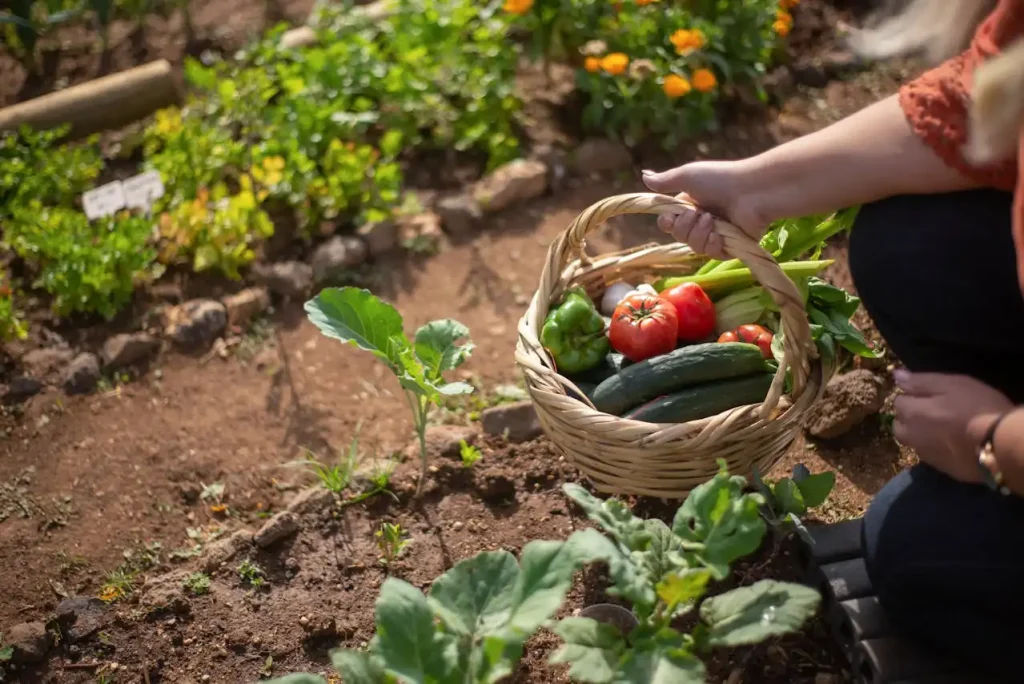
Using organic mulch in your vegetable garden improves soil health and boosts plant growth. It helps retain moisture, reducing the need for frequent watering. By breaking down over time, organic mulch enriches the soil with essential nutrients. The mulch layer acts as insulation, regulating soil temperature and protecting roots from extreme conditions. It suppresses weed growth by blocking sunlight, saving you time and effort. Organic mulch enhances soil structure by encouraging worm activity and beneficial microorganisms. It also prevents soil erosion by shielding the surface from heavy rain. Plus, it gives your garden a tidy, well-maintained appearance.
Identifying the Best Organic Materials for Mulch
When choosing organic materials for mulch, prioritize options that support soil health while enhancing moisture retention. To start, consider shredded bark, which breaks down slowly, providing long-term coverage. Compost is excellent for enriching the soil with nutrients, while grass clippings add nitrogen essential for vegetable growth. Straw or hay is lightweight, inhibits weed growth, and locks in soil moisture. Leaves are free and abundant, offering insulation and slow decomposition. For acidic soil needs, pine needles are effective mulch materials. If you prefer versatility, try newspaper or cardboard layered beneath other organic materials for added weed control and aeration benefits.

Preparing Your Garden for Mulching
Before applying organic mulch, you need to prepare your garden to optimize its effectiveness. Start by clearing away existing weeds, dead plants, and debris to ensure a clean foundation. Loosen the soil using a hoe or garden fork, allowing air to circulate and roots to grow freely. If necessary, level uneven areas for smoother mulch application. Check the soil’s moisture; watering may be required if it’s too dry. Use compost or fertilizer to enrich the soil before mulching, as this enhances nutrient availability. Make sure to define planting zones or pathways with edging to maintain mulch boundaries and neatness.
How to Make Organic Mulch from Kitchen Scraps
Transforming kitchen scraps into organic mulch is simple and eco-friendly. Start by collecting vegetable peels, fruit scraps, coffee grounds, and eggshells. Avoid items like meat, dairy, or oily foods, as these can attract pests or produce odors. Chop large scraps into smaller pieces for faster decomposition.
Layer your kitchen scraps directly onto garden soil or mix them into your compost pile. Incorporate dry organic materials like shredded paper, straw, or dried leaves to balance moisture and carbon content. Turn the mixture occasionally to aerate it and speed decomposition, resulting in nutrient-rich mulch ideal for vegetable gardens.
Using Grass Clippings and Yard Waste as Effective Mulch
Grass clippings and yard waste make excellent mulch for your vegetable garden, offering both fertility and weed suppression. After mowing your lawn, let the grass clippings dry briefly to prevent matting and odors when applied to the soil. Spread them evenly around your plants to retain moisture and enhance soil texture as they decompose.
Yard waste like shredded leaves or pine needles can further enrich your mulch. Break them down into smaller pieces to promote quicker decomposition and maximize their benefits. Avoid using diseased plant waste or chemically treated grass, as these can harm your garden. Regularly replenish your mulch layer for the best results.
Composting Leaves and Twigs for Organic Mulch
To create mulch from leaves and twigs, you need to begin by collecting dry or freshly fallen materials from your yard. Shred the leaves and break down twigs using a mulcher or garden shredder. This step promotes faster decomposition and creates finer mulch suitable for vegetable gardens. Layer these shredded materials in your compost bin or pile, alternating with green materials like grass clippings or kitchen scraps. Turn the pile regularly to aerate it and speed up breakdown. After a few months, you’ll have nutrient-rich organic mulch that retains moisture, suppresses weeds, and improves soil fertility when spread over garden beds.

Layering Techniques for Maximum Mulch Effectiveness
To create a durable and effective layer of organic mulch, start by clearing the area of weeds or debris. Apply a base layer of compost or well-rotted manure as the first step, enriching the soil with nutrients. Next, add a secondary layer of cardboard or newspaper to act as a weed barrier while maintaining soil moisture.
Top this with a thick layer of organic matter like grass clippings, straw, or shredded leaves, ensuring even coverage across the soil surface. Keep the mulch 2-3 inches thick for optimum results and away from plant stems to prevent rot. Replenish layers periodically for consistent effectiveness over time.

Maintaining and Replenishing Mulch Over Time
To ensure your vegetable garden thrives, you must regularly inspect and maintain your organic mulch. Organic materials naturally decompose, enriching the soil but diminishing in volume over time. Check the mulch layer often, particularly after heavy rain, as it may wash away or compress. Aim to maintain a consistent layer of 2-4 inches to suppress weeds and regulate soil temperature efficiently.
When replenishing mulch, remove any compacted or overly decomposed material to prevent fungal growth. Add fresh mulch around plants, leaving a small gap near stems to avoid rot. Use composted yard waste, grass clippings, or straw for rejuvenation.

Common Mistakes to Avoid When Using Organic Mulch
- Applying Mulch Too Thickly: If you pile organic mulch too high, it can prevent adequate airflow and retain excessive moisture, leading to root rot or fungal growth. Stick to a layer of 2–3 inches for optimal results.
- Using Fresh Grass Clippings: Avoid applying fresh clippings directly; they may mat together, reducing airflow and encouraging odors. Let them dry out first before use.
- Ignoring Weed Control: Without proper weed removal beforehand, mulch won’t effectively suppress unwanted growth. Always clear weeds before spreading mulch.
- Neglecting Plant-Specific Needs: Some vegetables prefer specific types of mulch. Be mindful of matching mulch types to your plants’ requirements.
- Skipping Maintenance: Organic mulch breaks down over time. Regularly replenish and check for pest infestations or mold.
Tips for Seasonal Mulching in Different Climates
- Cold Climates: Use mulch like straw or shredded leaves to insulate soil during winter, preventing frost from penetrating deeply. In the spring, remove thick layers to allow the soil to warm faster.
- Hot, Dry Climates: Choose mulches such as wood chips or bark to retain moisture and limit evaporation. Apply a thick layer but leave space around stem bases to prevent root rot.
- Humid Climates: Opt for lighter materials like pine needles, which discourage fungal growth. Thin layers help air circulate while balancing moisture retention.
- Variable Climates: Switch to adaptable mulches such as compost that can protect in cooler months and nourish during growth periods. Adjust the thickness as seasons evolve.

Enhancing Soil Health with Long-Term Organic Mulch Use
When you apply organic mulch consistently, you foster healthier soil over time. Organic mulch, such as shredded leaves, grass clippings, or straw, decomposes gradually, enriching the soil with essential nutrients. You’ll notice improved soil structure, as the mulch enhances aeration and promotes water retention. This reduces the risk of compaction, creating an optimal environment for plant roots to thrive.
Organic mulch supports microbial activity in the soil. Beneficial organisms like earthworms and fungi break down the material, turning it into nutrient-rich humus. Over time, you can also observe a noticeable decrease in weed pressure, as mulch minimizes sunlight that weeds need.