Understanding the Impact of Heat Waves on Vegetable Gardens
Heat Wave Vegetable Gardening Tips: It faces several challenges that can hinder plant growth and yield. Excess heat causes faster evaporation, leaving your plants at risk of dehydration. You may notice wilting leaves or crispy edges because plants lose moisture faster than they can absorb. Pollination rates often drop, as extreme temperatures affect both pollinators and the reproductive processes of some vegetables like tomatoes. To mitigate these effects, implement effective Heat Wave Vegetable Gardening Tips in your routine.

Additionally, soil temperatures rise, potentially harming root systems and beneficial microorganisms. Heat stress can also encourage pests like spider mites or aphids, which thrive in hot, dry conditions. Recognizing these impacts ensures you can better protect your garden.
Incorporating Heat Wave Vegetable Gardening Tips can help you adjust your strategies effectively.
Choosing Heat-Tolerant Vegetables for Your Garden
These Heat Wave Vegetable Gardening Tips will ensure you are choosing the best vegetables for high temperatures.
When gardening in high temperatures, prioritize vegetables that thrive in heat. These resilient plants not only endure scorching conditions but also produce consistently. Begin by considering common heat-tolerant options:
- Okra: A staple in hot climates, it flourishes in full sun and requires minimal care.
- Peppers: Varieties like jalapeños and bell peppers withstand hot environments.
- Eggplants: Adapted to high temperatures, they grow vigorously in summer heat.
- Sweet Potatoes: Their vines love heat and yield abundantly with minimal maintenance.

Additionally, leafy greens such as Malabar spinach or New Zealand spinach provide alternatives to traditional greens that wilt under heat. Always ensure adequate watering and mulching to maximize success.
Preparing the Soil: Key Steps for Hot Weather Success
Utilizing Heat Wave Vegetable Gardening Tips can greatly enhance your gardening success.
To ensure your vegetables thrive, start by assessing your soil’s condition for hot weather gardening. Improve its ability to retain moisture and nutrients by incorporating organic matter, like compost or well-rotted manure. Add mulch to minimize evaporation and keep roots cool. If your soil is sandy, mix in clay or loamy soil for better water retention. Test your soil’s pH and fertility to adjust using lime, sulfur, or fertilizers as needed.
Water deeply before planting to ensure the soil is evenly moist.
Break up compacted soil to increase aeration, allowing roots to grow freely. Choose raised beds for better drainage and temperature control.
The Importance of Mulching: Retaining Moisture and Cooling Roots
Mulching plays a crucial role in helping your vegetables survive intense heat waves. By covering the soil with organic or inorganic materials, you create a protective layer that shields the ground from direct sunlight. This reduces evaporation, ensuring your plants retain the moisture needed to stay hydrated.
You should focus on using organic mulches like straw, shredded leaves, or grass clippings. These materials not only regulate soil temperature but also contribute nutrients as they decompose. Make sure the mulch layer is thick enough—around two to four inches—to be effective but avoid suffocating the plants.

Transitioning to mulching improves soil health while promoting steady growth during scorching conditions.
Implementing Heat Wave Vegetable Gardening Tips is essential for maintaining moisture.
Efficient Watering Techniques During a Heat Wave
To keep your vegetables thriving in intense heat, focus on strategic watering. Water early in the morning or late in the evening to minimize evaporation and allow plants to absorb moisture. Always target the base of the plants, avoiding wetting leaves to reduce the risk of fungal issues. Use a soaker hose or drip irrigation system for consistent and efficient hydration.
Add a mulch layer around your plants to retain soil moisture and cool the roots. Check the soil daily; if it’s dry about an inch deep, it’s time to water. Adjust based on plant needs, especially for heat-sensitive varieties. Stay attentive!

By applying these Heat Wave Vegetable Gardening Tips, you’ll optimize your watering techniques.
Creating Shade Solutions to Protect Your Vegetables
Heat waves can stress vegetables, causing wilting or even plant damage. To protect your garden, you can create shade solutions that help moderate temperature extremes.
Consider these Heat Wave Vegetable Gardening Tips when creating shade solutions.
Options for Shade Solutions:
- Row Covers: Lightweight fabric row covers are ideal for shielding plants while allowing airflow.
- Shade Cloth: Available in different densities, shade cloth reduces sunlight intensity without compromising photosynthesis.
- Umbrellas or Canopies: Portable umbrellas or pop-up canopies offer flexible shade and can be repositioned as needed.
Strategically place these solutions over sensitive plants like lettuce, spinach, and tomatoes during peak sunlight hours to prevent heat stress and water loss.
Managing Pests and Diseases in Hot Weather
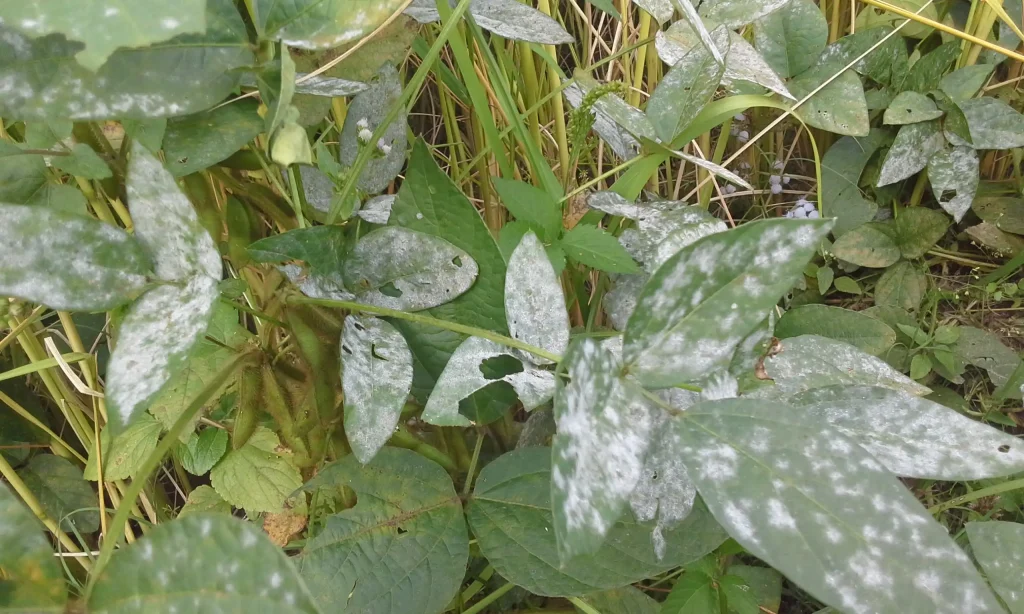
Hot weather can exacerbate pest issues and encourage the spread of diseases. You need to keep a closer watch on your plants during a heat wave. Regularly inspect leaves, stems, and soil for signs of infestation, such as holes or discoloration. Introduce beneficial insects like ladybugs or lacewings to help control destructive pests. Keep weeds under control since they may harbor insects or diseases. Water in the morning to minimize damp conditions that encourage fungal growth. Use floating row covers to shield vulnerable plants from pests. Ensure your compost is well-maintained, reducing attraction to pests that thrive in heat.
Using Companion Planting to Improve Resilience
You can harness companion planting to shield your vegetables from the harsh effects of heat waves. Pair plants with compatible needs and natural benefits to create a resilient ecosystem. For example:
Keep these Heat Wave Vegetable Gardening Tips in mind to manage pests effectively.
- Shade providers like sunflowers or corn help cool heat-sensitive plants such as lettuce.
- Moisture retainers like sprawling squash leaves help keep the soil beneath them shaded and damp.
- Pest-repellent plants like marigolds ward off harmful insects, protecting delicate crops.
Applying Heat Wave Vegetable Gardening Tips through companion planting will enhance resilience.

By diversifying your garden, you minimize vulnerabilities. Use plants with deep roots, like beans or carrots, to draw moisture upwards and support nearby shallower-rooted crops under drought stress. Rotate pairings annually to maintain soil health.
Harvesting Vegetables at the Right Time During Heat Waves
Timing your vegetable harvest during heat waves is crucial for preserving their quality. Heat stress can accelerate ripening, causing some crops to overmature quickly. Harvest early in the morning or late in the evening to avoid the peak heat of midday.
- Identify signs of readiness: Check if your vegetables show signs of maturity, such as firm texture or vibrant colors.
- Use sharp tools: Prevent damage with clean, sharp cutting tools.
- Avoid prolonged exposure: Store harvested vegetables immediately in a cool, shaded area.

High temperatures can impact flavor and texture, so acting promptly ensures better results from your garden.
Post-Heat Wave Recovery Tips for Your Garden
Utilize Heat Wave Vegetable Gardening Tips to harvest at the right time for best quality.
- Rehydrate the Soil: Water deeply in the early morning or late evening to help your plants recover and prevent evaporation. Focus on hydrating the root zones thoroughly.
- Trim Damaged Foliage: Prune wilted, scorched, or dead leaves carefully to redirect energy toward healing healthy growth.
- Apply Mulch: Spread organic mulch around your plants to retain soil moisture and regulate temperature in the aftermath of the heat wave.
- Use Seaweed or Compost Tea: Treat your plants with a diluted seaweed or compost tea solution to restore nutrients and reduce stress.
- Check for Pests: Inspect plants for pests that may invade weakened crops and address infestations promptly.