Understanding Gardening for Extreme Weather Conditions

Gardening for extreme weather has become a necessity as climate change brings more frequent heatwaves, droughts, storms, and frosts. These unpredictable conditions can stress plants, erode soil, and impact productivity. By understanding how extreme weather affects your garden and adopting the right strategies, you can build a resilient, sustainable space that thrives year-round.
When facing extreme heat, you’ll notice faster evaporation rates, which can leave your soil parched and your plants dehydrated. Plants often struggle to uptake nutrients under these conditions and may wilt, develop scorched leaves, or stop producing flowers and fruits. Conversely, heavy rainfall can lead to waterlogged soil, suffocating plant roots by cutting off oxygen. Frequent or intense downpours may also wash away nutrients, leaving your plants vulnerable to deficiencies.
During drought spells, expect even hardy plants to suffer as water becomes scarce. You may notice weakened stems, stunted growth, and pest infestations becoming more common. Frost is another concern, especially for sensitive or tropical plants. Frost damages tissues, turning leaves black and brittle, while potentially killing entire plants if temperatures drop drastically.
Moreover, extreme weather impacts your soil quality over time. Heat and drought can cause soil compaction, reducing permeability, while erosion becomes a concern during heavy rains. Both scenarios harm root development, force more frequent adjustments to your soil, and necessitate ongoing preventative measures.
To adapt effectively, you must recognize patterns and prepare for future conditions. Understanding how different plants tolerate or resist extreme weather will allow you to select robust species for your region. Likewise, arming yourself with practices like mulching, better irrigation methods, and protective coverings will help you counteract these challenges and keep your garden resilient.
Assessing Your Local Climate and Weather Patterns
Understanding your local climate and weather patterns is essential when adapting your garden to extreme conditions. You should begin by identifying your USDA Hardiness Zone, which provides valuable insight into the average minimum winter temperatures in your area. This zone helps you determine which plants are most likely to thrive in your garden and allows you to plan for seasonal challenges such as frost or heatwaves.
To gain a more detailed perspective, examine historical weather data for your region. Pay attention to trends in temperature, rainfall, humidity, and wind. Are summer droughts becoming more common? Are winter storms increasing in frequency? Long-term weather records, which are often accessible through local meteorological services or online databases, can reveal patterns that affect your garden’s viability.
Monitoring seasonal changes is another key step. Observe how the length of days, average sun exposure, and first and last frost dates shift over time. These factors influence planting schedules, crop selection, and harvesting timelines. Maintain a garden journal to document these observations year after year, as this can reveal subtle changes that might not be immediately noticeable.

Keep track of microclimates within your garden as well. Not every part of your yard experiences weather uniformly. South-facing slopes may receive more sunlight, while low-lying areas could retain moisture longer. Identifying these microclimates helps you match plants to the most suitable locations, improving their resilience to harsh weather.
Stay informed about regional forecasts and predictions for extreme weather events. This could mean subscribing to weather alerts or downloading apps that track storms, high temperatures, or potential freezes. Preparing for short-term weather extremes in conjunction with long-term climate trends ensures you are better equipped to protect your plants and enhance your garden’s productivity. Managing this information enables you to create a garden that’s both adaptable and sustainable.
Choosing Resilient Plants for Extreme Weather Conditions
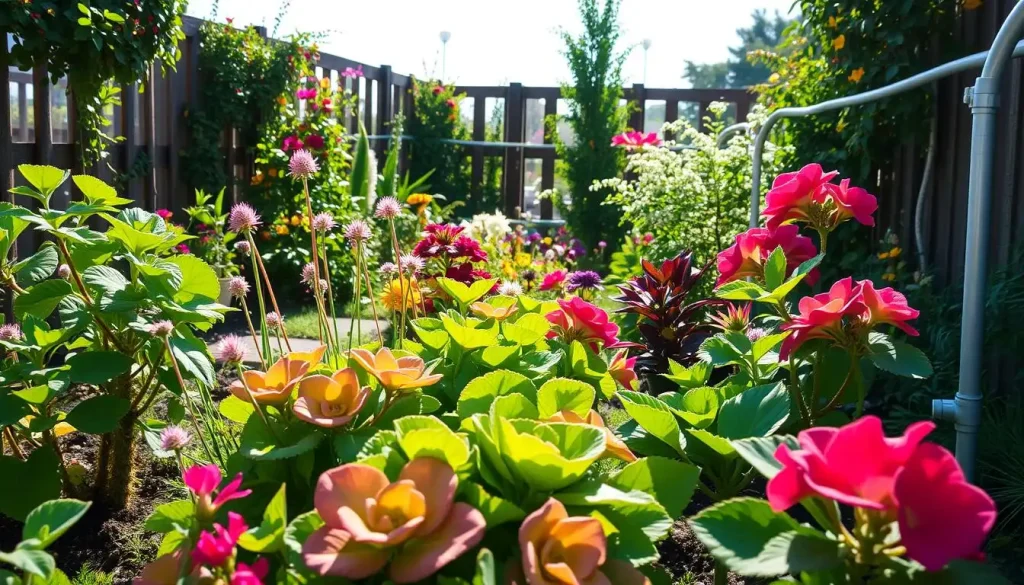
When adapting your garden for extreme weather, you’ll need to focus on plants that are resilient, adaptable, and capable of thriving in challenging conditions. Start by considering native species, as they’ve already adapted to your region’s natural climate patterns. These plants are more likely to endure harsh conditions such as drought, heavy rainfall, or temperature fluctuations.
For areas prone to drought, prioritize drought-tolerant plants. Look for species like lavender, succulents, cacti, yarrow, or ornamental grasses. These plants are water-efficient, often with deep root systems or waxy leaves that help conserve moisture. If you live in a region more susceptible to heavy rains and flooding, select water-tolerant plants like ferns, canna lilies, or swamp milkweed, which thrive in wetter soils.
Focus on plants with strong root systems, as these help stabilize the soil during storms or high winds and reduce the risk of erosion. Perennials and plants with fibrous roots, such as daylilies or black-eyed Susans, are excellent options. For frost-prone areas, look for cold-hardy plants like pansies, conifers, or cabbages, which can withstand lower temperatures better than tender varieties.
The selection of resilient plants should also factor in their growth cycles. Perennials are preferable to annuals since they bounce back year after year, reducing your need to replant. Additionally, opt for plants with shorter growing seasons if your region experiences unpredictable weather, ensuring they mature before conditions worsen.
Diversifying your plant selection is crucial. By planting a mix of species with varying tolerances, you’ll create a more balanced and resilient garden system. This mix minimizes the impact of extreme events on your entire garden, as some plants may thrive even when others struggle. Transition thoughtfully, and always research the needs of each plant before committing it to your garden.
Preparing the Soil to Withstand Weather Extremes
To help your garden thrive during extreme weather, you need to prepare the soil to withstand these challenges effectively. Start by assessing your soil’s current condition. Knowing whether your soil is sandy, clay-based, or a mix will help you identify ways to improve its resilience. Soil that retains the right amount of moisture and drains appropriately will fare better during prolonged droughts or heavy rains.
Focus on enriching your soil with organic matter. You can add compost, aged manure, or shredded leaves to boost its structure and nutrient levels. Organic matter improves water retention in sandy soil and enhances drainage in clay-based soil, making your garden more adaptable to both dry and wet conditions. Regularly testing the soil’s pH will also ensure that plants get optimal access to nutrients, as extreme weather can cause fluctuations.

Consider mulching as a key part of soil preparation. Spread organic mulch, such as wood chips or straw, over the soil surface. This helps regulate soil temperature during heatwaves and minimizes water evaporation. In cold snaps, mulch acts as insulation, preventing the soil from freezing solid. Mulching also helps suppress weeds, which compete for resources during weather extremes.
Implement practical drainage solutions to avoid soil erosion and waterlogging during heavy rain. Raised garden beds or contour planting can channel excess water away while maintaining healthy soil. For dry conditions, invest in a drip irrigation system that delivers water slowly and directly to the roots, preventing unnecessary runoff and evaporation.
Additionally, you can introduce cover crops like clover or rye during off-seasons. These plants shield soil from intense sunlight, lock moisture in, and improve fertility once tilled into the garden. Their roots also help prevent compaction from sudden rains. Remember, strong soil is the foundation of a resilient garden in any weather.
Implementing Smart Watering Techniques for Drought and Excess Rain
To navigate the challenges of drought and excess rain, you need to tailor your watering approach to match changing weather conditions. Smart watering starts by understanding your soil type and its water retention capabilities. Sandy soils drain quickly, requiring frequent yet lighter watering, while clay soils retain water longer, benefiting from less frequent deep watering.
Use drip irrigation systems or soaker hoses for precise water delivery during drought. These methods minimize evaporation and direct water to the root zone where plants need it the most. Pair this with mulching around your plants to retain moisture in the soil and reduce water loss due to heat. Organic mulches like bark or straw are particularly effective as they also help regulate soil temperature.

During periods of excessive rain, prioritize soil drainage. Raised garden beds or adding organic matter to dense soil helps prevent waterlogging. Installing rain gardens—a shallow depression planted with water-tolerant species—can also help manage runoff and divert excess water away from other areas of your garden. Consider using rain barrels to collect rainwater for future use, granting you a sustainable water source for drier days.
Monitor weather forecasts and observe your plants closely. Overwatering during wet conditions can harm roots, so adjust your irrigation schedule accordingly. Smart techniques also include using moisture meters to gauge soil hydration levels before watering. This reduces the risk of waste or harm to your plants.
By combining technology, observation, and eco-friendly tools, you optimize watering practices while adapting effectively to both drought and heavy rains.
Using Mulch and Ground Cover to Protect Against Temperature Fluctuations
Temperature extremes can stress your plants, affecting their growth and overall health. Using mulch and ground cover is an effective way to regulate soil temperature and shield plants from rapid fluctuations. By creating an insulating barrier, you help maintain consistent conditions around your garden’s root systems.
Start by choosing the right mulch for your needs. Organic materials such as straw, wood chips, shredded bark, or leaves are excellent options because they break down over time and enrich the soil with nutrients. Spread a layer of mulch about 2-4 inches thick around the base of your plants. Be sure to keep the mulch a few inches away from stems and trunks to prevent excess moisture buildup and disease.

Ground covers like clover, creeping thyme, or creeping phlox provide a living alternative to mulch. These low-growing plants act as a protective blanket, reducing the impact of extreme heat and cold on the underlying soil. They also help control erosion, improve water retention, and suppress weeds. Select ground covers that are well-suited to your climate and soil type to ensure their effectiveness.
During the summer, mulch can prevent overheating by blocking direct sunlight from hitting the soil, while in winter, it traps warmth beneath the surface, protecting roots from frost. It also moderates evaporation, keeping the soil evenly moist, which is especially important during droughts or heatwaves. This balance ensures plants can continue to absorb essential nutrients despite extreme conditions.
Pair these techniques with consistent monitoring to adjust your garden care approach based on seasonal changes and weather. This proactive strategy will help your plants better tolerate sudden environmental shifts.
Building Windbreaks and Shade Structures for Protection
When dealing with extreme weather conditions in your garden, windbreaks and shade structures can play a crucial role in protecting your plants from harsh elements. These solutions are particularly effective in areas prone to high winds, excessive heat, or sudden temperature spikes. Setting them up requires careful planning, but the benefits are worth the effort.

Windbreaks for Shielding Against Strong Winds
Windbreaks serve as a barrier, reducing wind speed and preventing it from damaging plants. You can create windbreaks using natural or artificial materials.
- Natural Windbreaks: Plant rows of hardy shrubs, dense hedges, or trees that can stand up to high winds. Fast-growing options like evergreens and bamboo offer year-round protection while enhancing the landscape’s aesthetics.
- Artificial Windbreaks: Use materials like fencing, lattice panels, or screen walls. Though less visually appealing than natural barriers, these are effective for immediate protection and are often adjustable to suit your garden’s layout.
Position the windbreaks perpendicular to prevailing winds and ensure they are tall enough to cover your plants. Make sure they allow for some airflow; completely solid barriers might cause turbulence and harm nearby vegetation.
Shade Structures to Combat Intense Sunlight
Shade structures protect plants from excessive heat and UV exposure during hot weather. Consider options based on the type of plants you’re growing and the space available.
- Temporary Solutions: Use shade cloths or umbrellas to cover vulnerable areas. These are inexpensive, flexible, and ideal for seasonal use.
- Permanent Structures: Install pergolas, gazebos, or shade canopies for long-term protection. Materials like wooden slats or specialized UV-blocking fabrics offer reliable shielding while allowing filtered light.
Position shade structures so they cast shadows during the hottest parts of the day. Opt for adjustable designs whenever possible to cater to changing seasonal needs.

By combining windbreaks and shade structures thoughtfully, you provide plants with a stable environment that reduces stress caused by extreme weather. Such adaptations not only ensure survival but also promote healthier growth and enhanced yields.
Planning for Seasonal Maintenance and Weather-Resistant Landscaping
To adapt your garden to extreme weather conditions, start by designing a plan for seasonal maintenance that integrates weather-resistant landscaping methods. Understanding your local climate and its seasonal variations is pivotal in creating a resilient garden. Begin by assessing the patterns of temperature, rainfall, frost, and wind in your region. This knowledge will help you anticipate weather extremes and prepare accordingly.
Focus on selecting durable materials for pathways, borders, and garden furniture that can withstand changing weather. For instance, consider using permeable pavers, natural stones, or weather-treated wood, as these are less likely to deteriorate under unpredictable conditions. Similarly, choose containers made of frost-resistant materials if you’re using movable planters.
When choosing plants, prioritize native species and drought-tolerant varieties. Native plants are naturally adapted to the local climate and often require less care during seasonal fluctuations. Incorporate perennials with deep root systems, as they can endure both heavy rainfall and dry spells. For wind-prone areas, invest in sturdy shrubs or tall grasses as windbreaks.

Make regular maintenance a part of your gardening routine. Schedule soil inspections and amendments in the spring and fall to improve its structure and resistance to erosion. Mulching is another essential step—apply organic mulch to regulate soil temperature, retain moisture during heatwaves, and protect roots during cold snaps.
Install an efficient drainage system to manage heavy rains. Raised garden beds or French drains can help prevent waterlogging while ensuring your plants receive adequate oxygen. Don’t overlook your irrigation system, either; replace hoses with drip irrigation or automated sprinklers designed for sustained drought conditions.
Observe your landscaping throughout the year for early signs of wear and tear. Spot-treat issues like broken planting borders or overgrown drainage areas to prevent worsening damage. With proper planning and commitment, you can create a thriving garden that remains resilient in the face of seasonal challenges.
Leveraging Technology: Weather Apps, Sensors, and Automated Systems
Incorporating technology into your gardening routine can help you make informed decisions when dealing with extreme weather conditions. You can start by utilizing weather apps to stay ahead of the forecast. These apps provide real-time updates, extended forecasts, and severe weather alerts, helping you plan activities like planting, watering, and covering your crops. You should particularly look for apps with detailed features, such as soil moisture warnings or frost predictions, tailored for gardeners.

Smart sensors are another effective tool to monitor your garden’s environment. By installing soil moisture sensors, you can track water levels to ensure your plants receive the right amount of hydration without overwatering or underwatering during extreme heat. Similarly, temperature sensors allow you to detect sudden changes in temperature so you can shield vulnerable plants. Many sensor systems sync with mobile apps, enabling you to remotely monitor garden conditions and make quick adjustments.
Automated systems can further optimize your efforts. Drip irrigation systems with timers are invaluable during droughts, delivering water directly to the root zones and minimizing waste. If storms are a recurring issue, you can invest in automated shelters or retractable canopies that protect delicate plants from heavy rain or hail. Some advanced systems even integrate with weather-monitoring technology, automatically adjusting settings based on real-time conditions.
By adding these tools to your arsenal, you can create a proactive and automated approach to managing your garden in extreme weather. Modern gardening technology empowers you to respond quickly and mitigate damage, ensuring that your plants thrive despite unpredictable conditions.
Adapting Gardening Practices to Climate Change and Future Challenges
To prepare your garden for the changes brought by climate change, you need to rethink traditional gardening methods and embrace adaptive strategies. Start by selecting climate-resilient plants that can tolerate unpredictable weather patterns. Native species are a great choice because they are naturally suited to your region’s conditions and require less intervention. Additionally, consider drought-tolerant plants for periods of water scarcity and heat-tolerant varieties for prolonged warm spells.
Monitor shifting hardiness zones in your area, as climate change may extend growing seasons or alter the types of crops you can grow successfully. To prevent soil erosion due to heavy rainfall, you should implement soil-stabilization techniques like mulching and planting cover crops. These practices not only protect the soil but also enhance its fertility.
Be proactive with water conservation. Install a rain barrel to harvest rainwater or use drip irrigation systems to minimize water waste. During dry spells, consider grouping plants with similar water needs to optimize irrigation. Shade cloths can protect sensitive crops from intense sunlight, while once-a-day watering schedules during early mornings reduce evaporation.
Stay informed about pests and invasive species that may thrive with rising temperatures. To combat these, use integrated pest management techniques, such as introducing natural predators, rotating crops, and avoiding over-fertilization, which can attract harmful insects.
Finally, incorporate biodiversity by planting hedgerows, pollinator gardens, or companion plants. This strengthens ecosystems, making your garden more resilient to environmental stress. The key to adapting is staying flexible, experimenting with new techniques, and closely observing the effects of climate change in your own backyard.
Practical Tips for Year-Round Garden Productivity
To ensure your garden thrives regardless of the season, take proactive measures to prepare for challenges brought by extreme weather conditions. Begin by selecting hardy, adaptable plants suitable for your region’s climate. Native species and drought-resistant varieties often perform better under fluctuating conditions.
Soil Preparation and Maintenance
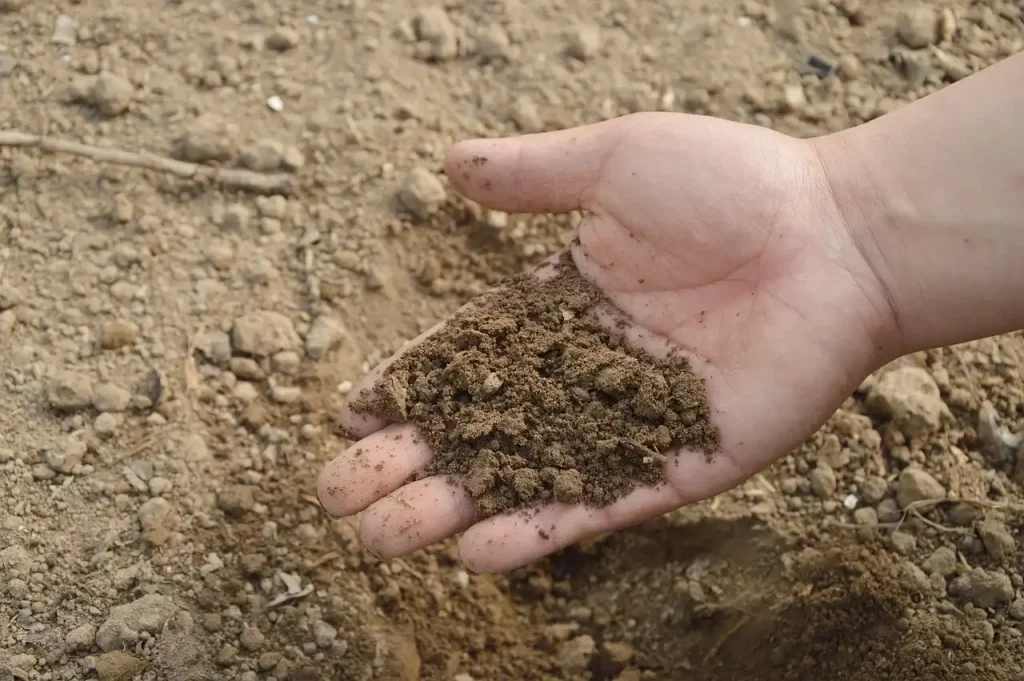
Maintaining the health of your soil is paramount. Amend your soil with organic matter like compost or aged manure to improve water retention during dry spells and ensure adequate drainage during heavy rains. Mulching also plays a key role; it keeps the soil temperature stable, conserves moisture, and reduces erosion.
Choose Quality Garden Structures
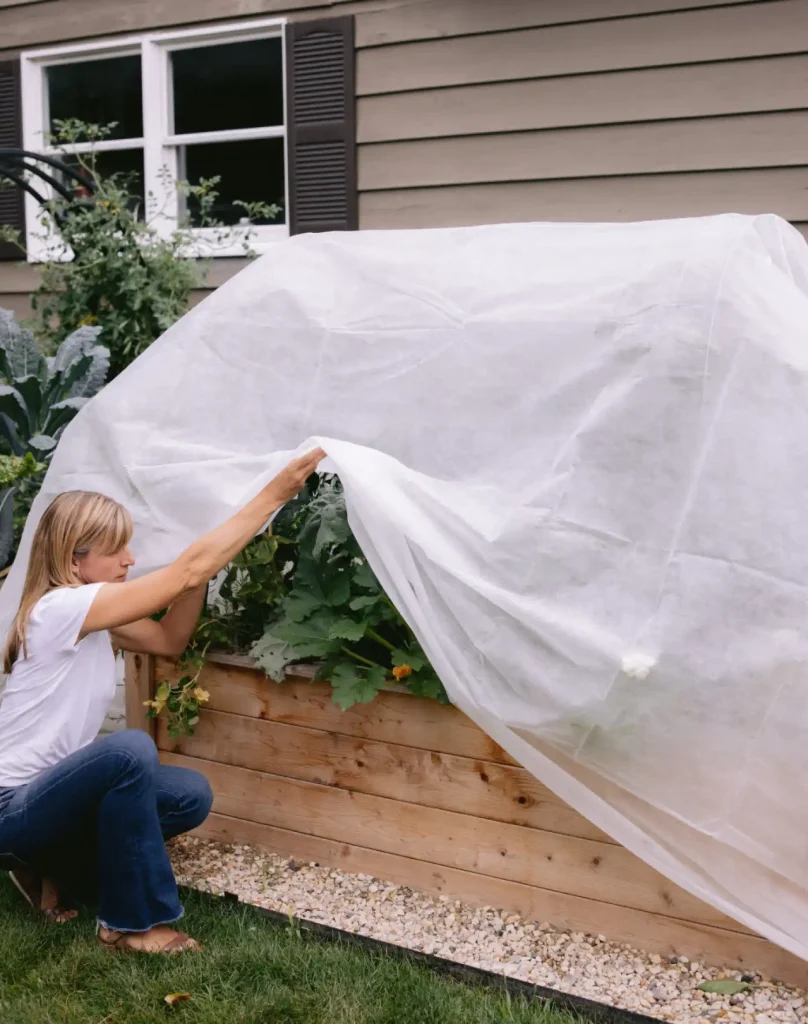
Invest in protective garden structures. Row covers, shade cloths, or hoop houses can shield plants from excessive heat, frost, or hailstorms. Raised beds, on the other hand, improve drainage and help prevent waterlogging during intense rainfall.
Watering Techniques
Implement efficient watering methods to optimize moisture levels year-round. Drip irrigation systems deliver water directly to plants’ root zones, minimizing waste. Water deeply but less frequently to encourage roots to grow deeper, making them more resilient to drought. Harvest rainwater using barrels during wet months, ensuring access to water during dry periods.
Implement a Planting Calendar
Creating a planting calendar tailored to seasonal changes allows you to stagger plantings for continuous harvests. Quick-growing crops such as lettuce, radishes, and spinach can be sown multiple times a year. Use succession planting techniques to make efficient use of growing space and time.
Pest and Disease Management
Extreme weather may foster pests or diseases in your garden. Regularly monitor plants for signs of stress, and introduce companion planting as a natural deterrent. Predatory insects like ladybugs or beneficial nematodes can also help manage pest populations effectively.

By being attentive to these methods, you can cultivate a productive garden all year long, even under extreme climate conditions.