Understanding the Foundations of Organic Gardening
Chemical free Organic gardening emphasizes working in harmony with nature by utilizing methods that nurture the ecosystem while avoiding synthetic chemicals. This approach begins with an understanding of the interconnected elements within the soil, plants, water, and climate. At its core lies healthy soil, which serves as the life source for plants, teeming with microorganisms that provide essential nutrients. Soil health is enhanced through practices like composting, mulching, and crop rotation, which help maintain a balanced nutrient cycle.

Composting is fundamental in organic gardening. It involves breaking down organic matter such as kitchen scraps, garden trimmings, and leaves to create rich, fertile humus. Incorporating compost improves the soil structure, water retention, and nutrient availability. Mulching with materials like straw, wood chips, or leaves not only suppresses weeds but also prevents moisture loss and regulates soil temperature.
Selecting the right plants for the local environment strengthens the garden naturally. Native and heirloom varieties are often preferred, as they are more adapted to the regional climate and soil conditions, requiring fewer inputs. Companion planting, an age-old technique, adds diversity to garden beds by pairing plants that benefit each other. For instance, marigolds deter pests, while clover enriches the soil with nitrogen.
Water usage is equally critical. Installing rain barrels or developing efficient irrigation systems helps conserve water. Drip irrigation systems minimize water waste by delivering moisture directly to plant roots. Additionally, spacing plants adequately ensures proper air circulation, reducing disease susceptibility.
Organic gardening also encourages the use of natural pest control methods. Introducing beneficial insects like ladybugs and lacewings or using homemade sprays with ingredients such as neem oil or garlic offers sustainable alternatives to chemical pesticides.
By fostering balanced relationships between natural elements, organic gardening creates self-supporting ecosystems that thrive without the need for synthetic inputs.
The Importance of Healthy Soil for a Chemical-Free Garden
Healthy soil serves as the foundation for thriving organic gardens. It is the medium through which plants receive essential nutrients, making soil quality a critical component of a successful chemical-free gardening approach. By cultivating soil that’s rich in organic matter and balanced in texture, gardeners can reduce their dependency on synthetic fertilizers and pesticides.

How Healthy Soil Benefits Plants
- Nutrition Delivery: Soil rich in organic matter ensures plants receive vital nutrients like nitrogen, phosphorus, and potassium. Microorganisms within the soil break down these organic materials, transforming them into forms that plants can absorb.
- Improved Drainage and Aeration: Healthy soil maintains a balance between moisture retention and drainage. Well-aerated soil ensures root systems have access to oxygen, promoting vigorous growth.
- Support for Microbial Life: A vibrant microbial ecosystem helps maintain a self-sustaining nutrient cycle. Beneficial bacteria, fungi, and earthworms enhance soil fertility and suppress harmful pathogens.
- Resilience Against Stress: Plants rooted in healthy soil are better equipped to withstand drought, disease, and invasive pests without the need for chemical intervention.
Ways to Build Healthy Soil Organically
- Add Organic Matter: Compost, aged manure, and other organic materials improve soil structure and nutrient levels. Regularly incorporating these amendments helps maintain soil health over time.
- Practice Crop Rotation: Rotating crops prevents the depletion of specific nutrients and disrupts cycles of soilborne pests.
- Mulching: Organic mulches like straw or wood chips preserve soil moisture, reduce erosion, and promote microbial activity near the surface.
- Avoid Soil Compaction: Over tilling or foot traffic can compress soil, limiting oxygen flow to roots. Working with designated paths and raised beds minimizes this risk.
- Test Soil pH: Slightly acidic to neutral pH levels favor most plants. Adjust alkalinity or acidity naturally by adding lime or sulfur, based on soil test results.
Healthy soil enables gardeners to nurture robust plants while adhering to eco-friendly practices. By building soil health organically, gardeners can create a balanced ecosystem that thrives without chemicals, ensuring long-term success in their chemical-free gardening journey.
Composting: Turning Waste into Nutrient-Rich Gold
Composting is a cornerstone of chemical-free organic gardening, effectively transforming organic waste into a powerful fertilizer. This natural process recycles common kitchen scraps and yard debris, creating nutrient-rich humus that improves soil health. By decomposing organic materials through microbial activity, compost enriches the soil with essential nutrients, improves structure, and enhances water retention.
To create a thriving compost pile, balance is essential. Compost ingredients are generally classified into two categories:
- Green materials such as fruit and vegetable scraps, coffee grounds, and grass clippings provide nitrogen.
- Brown materials like dried leaves, shredded paper, and small branches contribute carbon.
Maintaining a proper ratio—about two parts brown to one part green—is crucial to fostering the decomposition process and avoiding unpleasant odors.
Proper aeration accelerates microbial activity, so turning the pile every one to two weeks ensures oxygen distribution. This stimulates breakdown and prevents anaerobic conditions. Moisture also plays a key role; compost should feel as damp as a wrung-out sponge. Overwatering can lead to soggy, compacted piles, while overly dry conditions can stall decomposition.
Avoid adding meat, dairy, or oily foods to a compost pile, as they can attract pests and slow down the process. Similarly, materials like treated wood, synthetic chemicals, and diseased plants should not be included, as they may introduce contaminants or pathogens. A well-managed compost system reaches temperatures of 135°F to 160°F, effectively killing harmful bacteria and weed seeds.
The end result is dark, crumbly compost, teeming with beneficial microorganisms. When incorporated into planting beds or used as a topdressing, it fosters robust plant growth without the need for synthetic fertilizers. Composting not only reduces household waste but supports a sustainable, chemical-free gardening ecosystem.
Natural Pest Control Strategies That Work
Using natural methods to manage pests in an organic garden revolves around fostering biodiversity and understanding pest behavior. Implementing these strategies not only protects plants but also maintains ecological balance.

Encourage Beneficial Insects
Introducing or attracting predator insects like ladybugs, lacewings, and praying mantises provides a natural line of defense against pests. Companion planting with species such as marigolds, dill, or cosmos can draw these beneficial insects while deterring harmful ones. For example, planting chives near roses can help ward off aphids.
Use Barrier Methods
Physical barriers, like row covers or garden netting, prevent pests from accessing crops. Floating row covers are especially effective against beetles and moths, while lightweight mesh can guard tender seedlings. Copper tape placed around planters defends against slugs and snails.
Rotate Crops
Crop rotation disrupts the life cycle of soil-dwelling pests. Changing the planting location of crops like tomatoes, squash, and beans each season reduces the likelihood of pests re-establishing themselves in predictable spots. This strategy also maintains soil fertility for healthier plants.
Maintain Garden Hygiene
Routine removal of weak or infected plants deters infestation by eliminating breeding grounds for insects. Cleaning up plant debris and regularly weeding suppresses pest populations by reducing their shelter options. Composting away from the main garden shields crops from potential pest sources.
Homemade Pest Repellents
Organic sprays made from kitchen ingredients like garlic, neem oil, or soap solutions deter common pests. A diluted mixture of water and cayenne pepper can repel ants and mites. These DIY solutions are easy to apply and safe for edible plants.
Introduce Natural Predators
Inviting birds, frogs, and other natural predators by adding birdbaths, water features, or perches around the garden creates a sustainable pest control environment. These animals play a significant role in reducing pest populations naturally.
By diversifying approaches and experimenting with these tactics, gardeners can enjoy robust, chemical-free pest control in their organic gardens.
The Role of Companion Planting in a Sustainable Garden
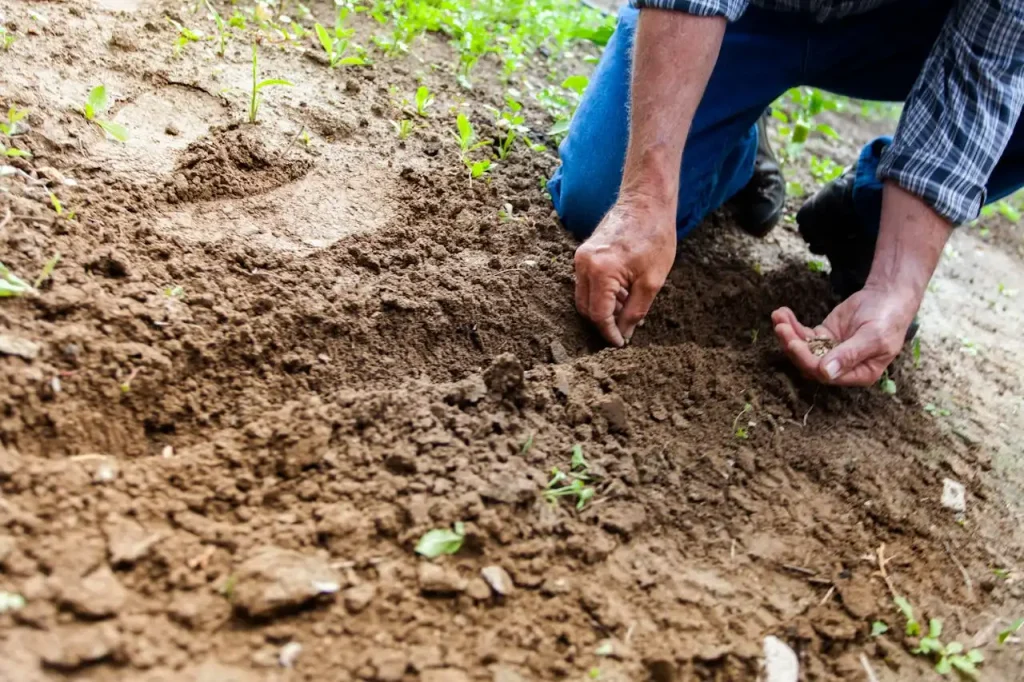
Companion planting is an essential practice in sustainable gardening that leverages the natural relationships between plants to promote growth, deter pests, and enhance soil health. This method avoids the need for synthetic chemicals by creating a balanced ecosystem where plants support one another through their inherent characteristics.
Certain plant combinations can enhance nutrient availability in the soil. For instance, legumes like peas and beans fix nitrogen in the soil, benefiting neighboring plants such as tomatoes, spinach, and broccoli. This natural fertilization reduces the reliance on external inputs, aligning with the principles of organic gardening.
Companion planting is also an effective way to manage pests. Some plants produce strong scents that repel harmful insects. Marigolds, for example, release chemicals that deter nematodes and aphids, while planting garlic alongside roses can ward off spider mites. Conversely, “trap crops,” such as nasturtiums, can lure pests like aphids away from nearby vulnerable crops.
A less obvious benefit lies in attracting beneficial insects. By planting flowers such as dill, fennel, and yarrow, gardeners can provide nectar and pollen that support populations of predatory insects like ladybugs and lacewings. These insects naturally keep pests under control, creating a harmonious balance without toxic sprays.
Additionally, some plant pairings optimize growing spaces and light availability. Tall plants like corn provide shade for heat-sensitive crops like lettuces, while low-growing ground covers can keep the soil cool and reduce evaporation. This maximizes productivity while conserving resources.
Thoughtful companion planting fosters biodiversity, encourages resilience against disease, and reduces weed growth. The symbiotic interactions between plants form the cornerstone of a thriving, chemical-free organic garden, proving that nature offers its own solutions when harnessed wisely.
Using Mulch to Conserve Water and Suppress Weeds
Mulch plays a critical role in preserving soil health and addressing two major gardening challenges: water conservation and weed suppression. By layering organic mulch materials such as straw, wood chips, shredded leaves, or grass clippings, gardeners can achieve efficient water management and control weed growth naturally. This practice minimizes the need for chemical interventions while enhancing the overall sustainability of the gardening process.

Water conservation is one of mulch’s primary benefits. When applied to the soil surface, mulch acts as a protective shield, reducing evaporation rates and retaining moisture. This characteristic ensures that plants have consistent access to water, even during dry spells. Mulch also helps regulate soil temperature by cooling the ground in summer and insulating it during colder months, further promoting a stable environment for root development. In this way, gardeners can reduce their reliance on frequent watering, saving both time and resources.
Mulch is equally effective in suppressing weeds, as it prevents sunlight from reaching weed seeds, inhibiting their germination and growth. This natural barrier reduces competition for nutrients, water, and sunlight between weeds and cultivated plants. Organic mulches decompose over time, enriching the soil with organic matter and nutrients, further bolstering plant health and encouraging microbial activity. This decomposition process minimizes the need for synthetic fertilizers while improving soil texture and fertility.
The choice of mulch material greatly impacts results. For instance, straw works well for vegetable gardens, while shredded wood is ideal for perennial beds. Regular maintenance, like replenishing mulch layers when they thin out, is essential to preserve its benefits. Proper application techniques, such as keeping mulch a few inches away from plant stems, prevent fungal diseases and ensure optimal plant growth.
Selecting Organic Seeds for Maximum Garden Success
Selecting organic seeds plays a critical role in fostering a thriving chemical-free garden. Organic seeds originate from plants grown without synthetic chemicals, pesticides, or genetically modified organisms (GMOs). These seeds are specifically adapted to natural cultivation methods, ensuring a healthier and environmentally friendly garden.

Organic seed selection begins with evaluating plant varieties that are well-suited to specific growing regions. Selecting seeds compatible with local climate and soil conditions reduces the need for extensive maintenance and external interventions. Many seed catalogs explicitly note seeds as “organic” and include detailed descriptions to help gardeners choose varieties that align with their conditions and objectives.
Gardeners should also prioritize quality over quantity. Premium organic seeds often come with higher germination rates, reducing waste and ensuring successful growth. Look for certification labels, such as those provided by the USDA Organic program, as these serve as a guarantee that the seeds meet established organic standards.
Another important aspect is disease resistance. Organic seeds bred for resilience against common pests and diseases tend to perform better in chemical-free environments. Heirloom seeds, though not always certified organic, are often cherished for their vitality, natural resistance, and generational heritage. Combining certified organic seeds with heirloom varieties can create a diversified garden ecosystem, lowering risks associated with monoculture.
Local nurseries and seed exchanges provide excellent opportunities for obtaining organic seeds tailored to local conditions. Additionally, sourcing seeds from reputable companies online or at farmers’ markets ensures that gardeners receive high-quality products.
Proper storage is essential for preserving seed viability. Seeds should be kept in cool, dry areas, away from light and moisture, to maintain their quality for future planting seasons. By carefully selecting and handling organic seeds, gardeners can lay the foundation for healthy, chemical-free gardening success.
Maintaining a Balanced Ecosystem in Your Garden
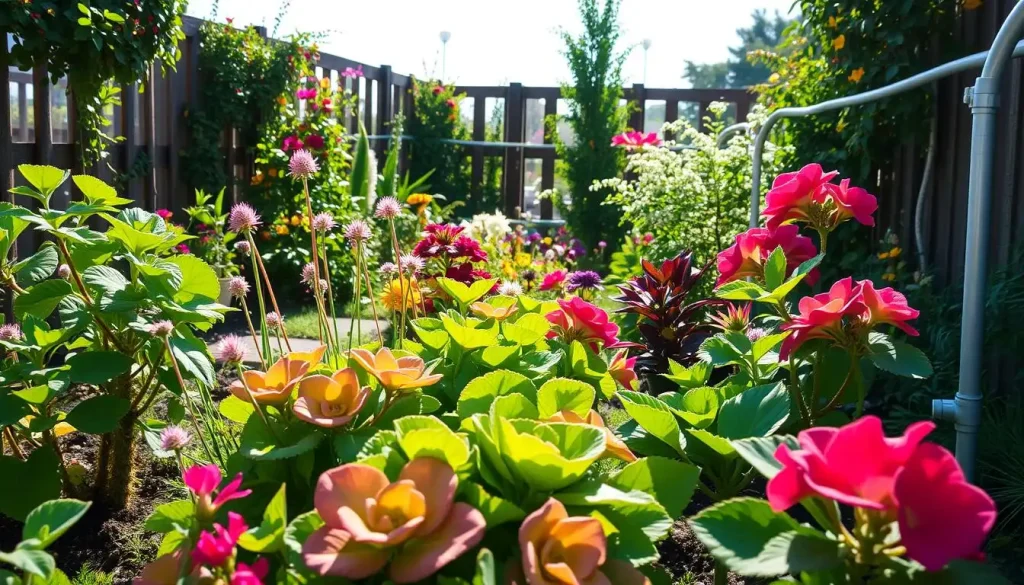
Creating and sustaining a balanced ecosystem in your garden is fundamental to chemical-free organic gardening. A well-maintained ecosystem naturally promotes plant health, fends off pests, and enhances overall productivity without relying on synthetic inputs. To achieve this balance, one must foster an environment that supports biodiversity and synergy among plants, microorganisms, and wildlife.
Start by encouraging beneficial insects, which play a vital role in pest control. Ladybugs, bees, wasps, and lacewings help manage pest populations while also contributing to pollination. To attract them, plant a mix of native flowering plants and herbs like dill, fennel, and yarrow. Diversity in plant species not only sustains beneficial insects but also minimizes the spread of pests and diseases by breaking up monocultures.
Healthy soil is the foundation of a balanced ecosystem. Composting kitchen scraps and garden waste enriches the soil with organic matter, enhancing its capacity to retain nutrients and water. Mulching with organic materials such as straw or shredded leaves maintains moisture levels, reduces erosion, and nurtures soil microorganisms that break down organic material into nutrients your plants can absorb.
Rotating crops annually further strengthens the ecosystem’s balance. This practice prevents specific pests and diseases from establishing dominance while ensuring that the soil nutrients do not become depleted. Companion planting is another effective strategy, where plants such as marigolds or garlic are grown alongside vegetables to repel pests and prevent competition.
Incorporating natural shelters like birdhouses or brush piles invites birds and other wildlife to play their role in pest control. Water sources, such as small ponds or birdbaths, support frogs, toads, and helpful insects. Managing these elements cohesively helps ensure that every species contributes positively to the garden’s ecosystem, reducing the need for external intervention.

Nurturing Your Plants with DIY Natural Fertilizers
For chemical-free organic gardening, creating and using DIY natural fertilizers provides a sustainable way to boost soil nutrients and nurture plants. These homemade solutions are economical, eco-friendly, and readily available, reducing dependence on synthetic fertilizers.
One of the most effective natural fertilizers is compost tea. By steeping mature compost in water for 24–48 hours, gardeners can produce a nutrient-rich liquid that promotes strong plant growth. This solution can be poured directly onto the soil or used as a foliar spray. The microorganisms in compost tea improve soil health and enhance plant immunity.
Banana peels are a simple, potassium-rich fertilizer option. Chopping peels into small pieces and burying them near the roots of plants supplies essential nutrients, encouraging flowering and fruit development. Likewise, coffee grounds are an excellent source of nitrogen. Gardeners can sprinkle used grounds around plants or mix them into soil to give vegetables and leafy greens a boost.
Eggshells provide an easily accessible calcium source. Crushing the shells finely and adding them to the soil helps strengthen plant cell walls, preventing issues like blossom-end rot in tomatoes and peppers. Additionally, a mixture of water and wood ash creates a natural potassium supplement that benefits flowering plants and root vegetables.

Fish emulsion, made by fermenting fish scraps in water, offers plants a high-nitrogen boost. Although its odor may be intense, its effectiveness in enriching soil and supporting green leafy growth is unmatched.
To enhance nutrient absorption and maintain pH balance, gardeners may incorporate Epsom salt, rich in magnesium and sulfur. Dissolving a tablespoon in a gallon of water creates a solution that encourages plant health, especially in tomatoes, peppers, and roses.
Homemade fertilizers, when used thoughtfully, ensure plants receive essential nutrients, contributing to a flourishing, chemical-free organic garden. With these steps, any gardener can replace synthetic products and work toward a sustainable approach to plant care.
Harvesting the Benefits of Consistent Care and Observation
Organic gardening thrives on consistent care and keen observation. Unlike traditional gardening methods that lean heavily on synthetic products to address issues, chemical-free organic gardening requires a hands-on approach where proactive measures play a pivotal role in plant health and productivity. Routine care helps in identifying potential problems early, making it easier to mitigate risks before they escalate.
One of the primary benefits lies in pest management. Regular inspections can reveal the first signs of pest infestations, such as small holes in leaves, discoloration, or the presence of insect eggs. By spotting these early, gardeners can use natural remedies like introducing beneficial insects or applying organic pest solutions. Consistent observation also allows gardeners to monitor which plants tend to be more vulnerable and strategize accordingly.
In addition to pest control, consistent care enhances soil health. Observing soil texture, moisture levels, and nutrient availability is crucial for chemical-free gardening. Regular watering checks and mulching not only help retain moisture but also prevent soil erosion. Composting applications benefit greatly when gardeners track changes in soil conditions, guiding adjustments for optimal growth.
Moreover, this practice supports plant vitality. Through regular observation, gardeners can identify signs of stress in plants, such as wilting or yellowing leaves. Adjusting light exposure, pruning damaged areas, or relocating plants to a more favorable environment can significantly improve their resistance to diseases and challenging weather conditions.

To maximize the rewards of care and observation in organic gardening, setting a schedule for daily or weekly routines is recommended. Tasks such as weeding, inspecting for pests, and gently aerating soil should become part of the gardening ritual. Periodic record-keeping, such as noting plant growth stages and environmental factors, can further refine future gardening strategies.