When winter arrives, your cozy indoor space becomes a haven for your favorite houseplants. However, cold air, low humidity, and shorter days can make it challenging for plants to thrive. Don’t worry, with the right care, you can keep indoor plants healthy in winter and help them flourish until spring returns.

This guide will show you how to protect your green friends from winter stress with easy and practical steps.
Keep Indoor Plants Healthy in Winter — Why Winter Is Tough for Indoor Plants
Winter brings several environmental changes that affect plant growth:
- Less sunlight: Shorter days mean your plants receive less light for photosynthesis.
- Dry indoor air: Heaters reduce humidity, causing leaves to dry out and brown.
- Temperature fluctuations: Cold drafts and sudden temperature drops can shock plants.
- Overwatering risks: Plants use less water in winter, so soggy soil can quickly lead to root rot.
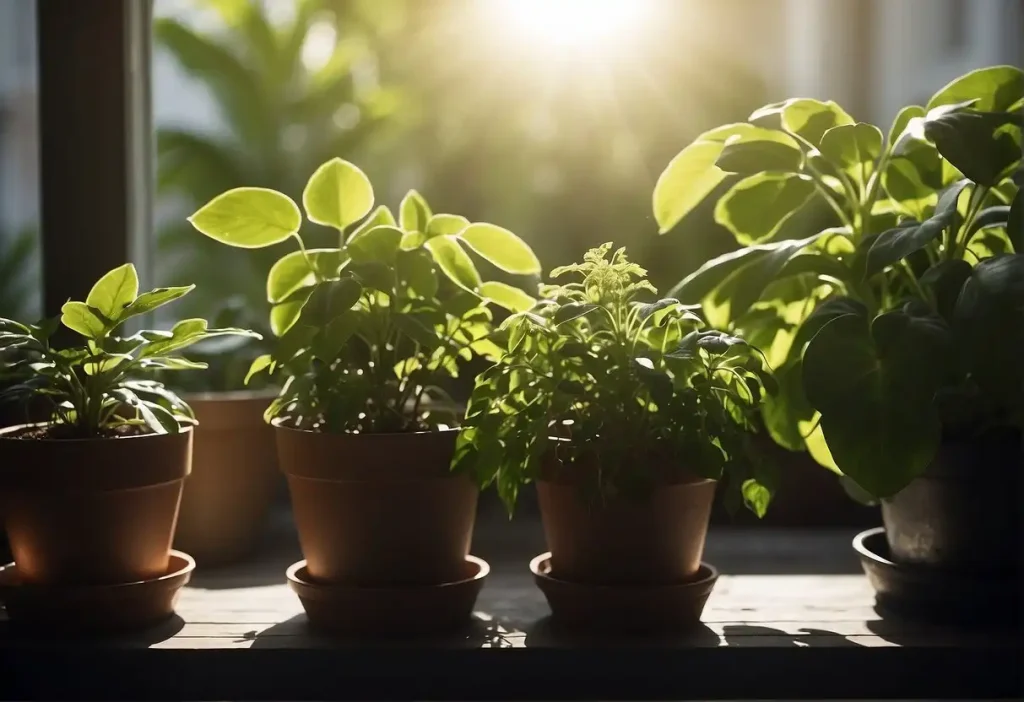
Understanding these challenges helps you take preventive measures and adjust your care routine.
1. Maximize Winter Sunlight
During winter, natural light is weaker and lasts for fewer hours. Here’s how to make the most of it:
- Move plants closer to windows: Place them near south- or west-facing windows for maximum sunlight.
- Rotate your plants: Turn your pots every few days so all sides receive equal light.
- Keep windows clean: Dust and grime can block up to 40% of sunlight.
- Use grow lights: If natural light is limited, supplement with LED grow lights. Position them about 6–12 inches above the plants for 10–12 hours daily.
Pro tip: Avoid placing plants too close to icy windows at night, cold glass can damage leaves.
2. Adjust Watering Habits

Many plant lovers unintentionally overwater during winter. Because growth slows down, plants need less moisture.
Follow these simple rules:
- Check soil moisture first: Stick your finger 1–2 inches into the soil. If it feels dry, it’s time to water.
- Use room-temperature water: Cold water can shock roots.
- Ensure good drainage: Empty saucers after watering to prevent standing water.
- Reduce frequency: Most indoor plants can go longer between waterings in winter.
Pro tip: Plants like cacti and succulents may only need watering once every 3–4 weeks in cold months.
3. Increase Humidity Naturally
Indoor heating makes the air dry, which can cause leaf tips to brown and plants to wilt. Boost humidity with these easy tricks:

- Group plants together: They naturally release moisture, creating a mini humid microclimate.
- Use a humidifier: Ideal for delicate plants like ferns, orchids, and calatheas.
- Pebble tray method: Place a tray filled with pebbles and water under pots, evaporating water raises humidity.
- Misting: Lightly mist plants in the morning, but don’t overdo it; too much moisture on leaves can attract fungus.
Pro tip: Keep humidity between 40–60% for most houseplants.
4. Maintain Stable Temperatures
Temperature swings can stress plants. Here’s how to keep conditions stable:

- Avoid cold drafts: Keep plants away from open windows or doors.
- Stay clear of heating vents: Hot, dry air can scorch leaves.
- Ideal range: Maintain indoor temperatures between 18°C–24°C (65°F–75°F).
- Use thermal curtains: They help regulate both heat loss and sunlight exposure.
Pro tip: Tropical plants prefer slightly warmer temperatures, while succulents and snake plants can tolerate cooler conditions.
5. Pause or Reduce Fertilizing
Most plants go dormant in winter, meaning they grow slowly and don’t need as many nutrients.
- Skip fertilizing: Resume feeding in early spring when new growth appears.
- If necessary: Use half-strength fertilizer once every 6–8 weeks for actively growing plants (like herbs).
- Avoid heavy feeding: Over-fertilizing can burn roots and lead to salt buildup in soil.
Pro tip: Flush soil with water once a month to remove fertilizer residue.
6. Prune and Clean Your Plants
Dust and dead leaves can block light and attract pests. Keep plants tidy and clean during the winter months.

- Wipe leaves: Use a soft, damp cloth to remove dust.
- Trim yellow or brown leaves: Encourages healthy new growth.
- Pinch leggy stems: Winter light can make plants grow tall and thin pinching helps them stay bushy.
Pro tip: Avoid heavy pruning until spring; just maintain shape and remove damaged parts.
7. Watch for Common Winter Pests
Dry air and stressed plants can attract pests like spider mites, aphids, or mealybugs.

To prevent infestations:
- Inspect plants weekly, especially under leaves and along stems.
- Wipe leaves with a mix of mild soap and water if pests appear.
- Isolate infected plants to prevent spread.
Pro tip: Neem oil spray is a natural, non-toxic option for controlling pests indoors.
8. Choose Hardy Indoor Plants
Some houseplants naturally handle winter better than others. If you’re new to plant care, start with low-maintenance varieties such as:
- Peace Lily – loves humidity and helps purify indoor air.
- Snake Plant (Sansevieria) – tolerates low light and infrequent watering.
- ZZ Plant (Zamioculcas zamiifolia) – thrives in almost any condition.
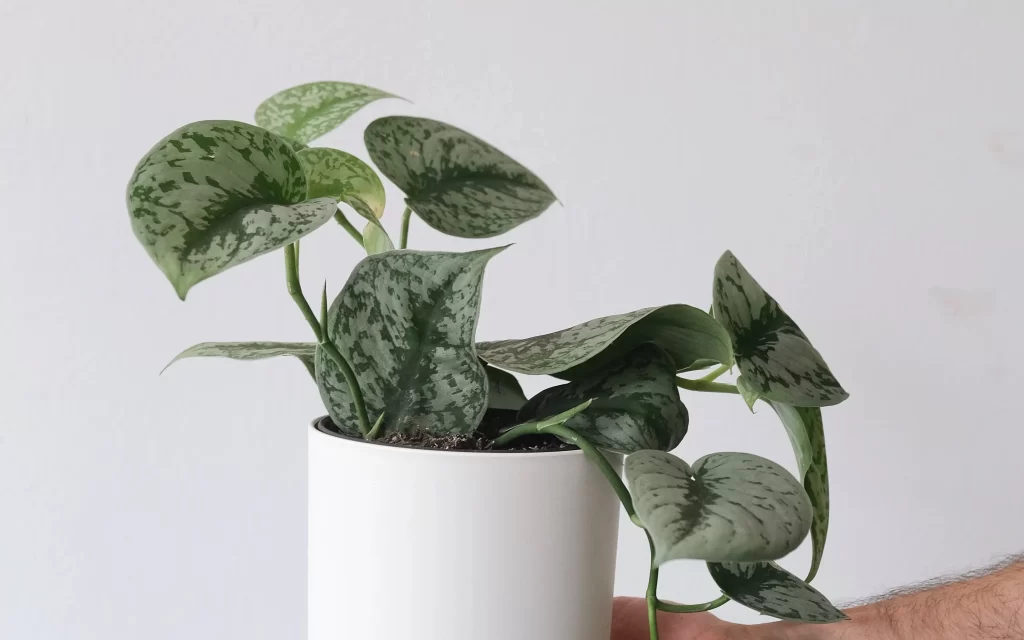
- Pothos – grows well even in dim corners.
- Spider Plant – easy to propagate and handle.
Final Thoughts
Keeping indoor plants healthy in winter doesn’t have to be complicated. With simple adjustments like providing more light, reducing watering, and adding humidity, you can protect your green friends from seasonal stress.
Remember, every plant is different. Observe their leaves, soil, and overall appearance for signs of what they need. A little extra care and consistency go a long way in helping your indoor garden thrive all year round.
So this winter, don’t let the cold weather discourage you. Instead, turn your home into a warm, green sanctuary where both you and your plants can flourish.