Lately, people have started to notice the importance of air quality within their homes. Many now prefer over air purifier houseplants or filtration systems as a natural way to filter the air. As well as creating a fresh, natural aspect in your home, many varieties of houseplants can help purify the air. Let’s look at some indoor plants in this article that are also good for cleaning the air and making your home healthier and more vibrant.

Why Choose Air Purifier Houseplants?
There is a real problem with indoor air pollution. Many things such as household cleaners, paints, and various home materials, along with building materials, can give off volatile organic compounds (VOCs) which affect the air inside your home. As NASA’s Clean Air Study shows, certain houseplants can get rid of toxins, increase moisture in the air, and make fresh oxygen, so they are great natural air purifiers.
Houseplants that clean the air and make your home more attractive can be bought with a small investment. Also, lots of these plants are not demanding and adapt well to indoor environments.
10 Best Indoor Plants for Air Purification
The following top 10 indoor plants are considered the best at air purifier houseplants because they clean the air so effectively.
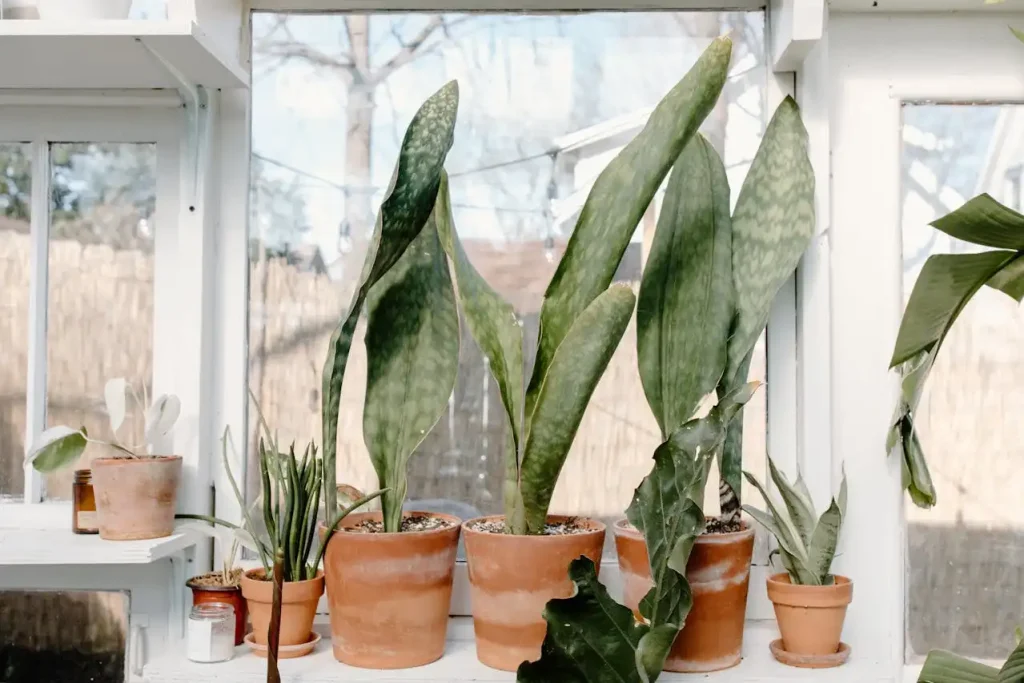
1. The Snake Plant (Sansevieria trifasciata)
It is often labeled as “mother-in-law’s tongue,” and the Snake Plant works very well to cleanse indoor air. It is very hard to kill, so even first-time plant parents can try it without fear Snake Plants work well to remove formaldehyde, benzene, and other dangerous chemicals from the air.
While most plants do photosynthesis during the day, Snake Plants can photosynthesize when it is dark, making oxygen available all through the night. This is the reason it fits well in bedrooms.
2. Peace Lily (Spathiphyllum)
In addition to its lovely appearance with white blooms and dark green leaves, the Peace Lily also improves indoor air quality. The plant does an excellent job removing ammonia, benzene, and formaldehyde from the air.
Although it prefers being near shade and requires somewhat regular watering, the Peace Lily is a top pick for air-cleaning plants and cleans indoor spaces very well.
3. Spider Plant (Chlorophytum comosum)
Spider plants are simple to care for and are very easy to grow. People who are just starting with indoor plants often choose these as their first green friends. This plant works very well at cleansing the air from carbon monoxide and various other contaminants.
Spider Plants have “baby” shoots that can be used to start new plants. Being in indirect sunlight and only needing water now and then makes them suitable indoor plants for anyone who doesn’t have a lot of time available.

4. Aloe Vera
Aloe Vera is most famous for its medical and beauty benefits, but it also works well as an air purifier houseplant. It removes formaldehyde and benzene which are typical ingredients in household cleaning supplies and paints.
An Aloe Vera plant needs a lot of sunlight and only a little water which is great for busy people. The gel included with aloe vera is great for treating burns, and cuts and keeping skin soft.
5. Boston Fern (Nephrolepis exhalant)
Boston Ferns are beautiful, provide an elegant appearance, and are also known to increase the air’s humidity. Air pollution can be improved by growing these plants, especially since they are effective in getting rid of formaldehyde and xylene from the air.
Ferns thrive in cool temperatures with a high amount of moisture which makes them fit well in bathrooms. It helps if you mist them daily and let them be in indirect light.
6. Rubber plant (Ficus elastica)
Rubber Plants are recognized for how visibly present they are and for their long, smooth, and beautiful leaves. It is considered one of the top plants good for air cleaning. It protects us by getting rid of harmful compounds like formaldehyde which often comes from household furniture and building materials.
Rubber Plants should be placed where they get bright but indirect light and the watering should be moderate. Because they require little care and clean the air, they are perfect for any indoor environment.
7. The Areca Palm (Dypsis lutescens)
Because it is so good at cleaning indoor air, the Areca Palm is also known as the Butterfly Palm. This plant not only purifies the air, but it also adds extra moisture to the area which is superb for offices and homes that tend to be dry.
People use it as decoration because its feathery looks and tropical appearance are beautiful. It takes out unwanted germs and gives a general uplift to the air circulating inside your home.
8. The Bamboo Palm (Chamaedorea seifrizii)
Air purification makes Bamboo Palms a suitable plant for interior use. They are very good to get rid of benzene and trichloroethylene. They are similar to the Areca Palm in that they raise room humidity.
Such palms can prosper in dim or indirect areas which is great if you have them in your basement or office. If looked after properly, they can become impressive, helping your space look even nicer.
9. English Ivy (Hedera helix)
The creeping stems of English Ivy often fill hanging baskets or climb along walls and make the plant an easy and lovely choice for indoors. Among the air purifier houseplants, it does especially well at taking harmful formaldehyde, benzene, and mold out of the air.
It does well in moderate temperatures and prefers its roots to stay moist. Even so, English Ivy can be harmful to pets, so selecting the place where to position it is necessary.
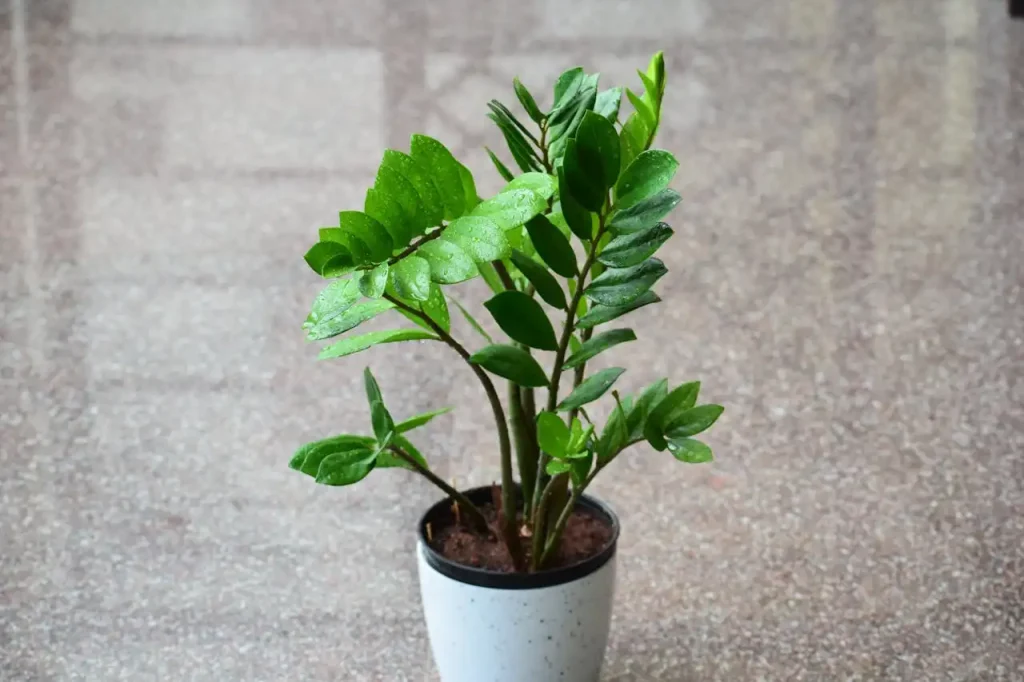
10. ZZ Plant (Zamioculcas zamiifolia)
We also highly recommend the ZZ Plant because it is very simple to care for. It doesn’t need much water and loves low light, so it’s often chosen for office buildings and apartments.
Even though NASA did not list it as a top air-cleaning plant, today much of the research indicates that ZZ Plants improve oxygen levels and can absorb toxins.
How do Plants to Purify the Air?
Phytoremediation describes how plants can make the air better. They soak up pollutants using their leaves and roots which converts or stores them in safer forms in their bodies. With multiple plants placed inside the house, this process may seriously cut down on the amount of indoor air pollution.
The water plants emit when they transpire increases humidity which helps reduce dry skin, breathing problems, and static electricity. They additionally help with mental health by relieving worries and enhancing a person’s concentration and productivity.
Benefits of Air Purifier Houseplants
Healthier Air:
They improve your indoor air quality and take out pollutants in the air.
Increased Humidity:
Plants decrease air dryness by releasing humidity which can help to prevent dry skin, sore throats, and respiratory problems.
Enhanced Mood and Productivity:
Indoor plants can promote a good mood by decreasing stress and increasing attention.
Better Sleep:
Having certain plants such as the snake plant and aloe vera, helps release oxygen during nighttime, making sleep better.
Natural Decor:
Those plants make great decor and deliver a calm, relaxing atmosphere to your indoors.

Tips for Using Plants to Purify the Air
Quantity Matters:
Putting one medium-to-large plant into every 100 square feet will make a noticeable difference in air purity.
Proper Placement:
Make sure plants are placed somewhere they will get both light and airflow. Joining several together can increase the humidity and how well they moisturize your skin.
Regular Maintenance:
Frequent cleaning helps leaves breathe and operate properly. Take out the dead leaves and look for pests at least every few weeks.

Potting and Soil:
Use a good, well-draining potting mix and check that holes are included in your pots so roots do not rot.
Pet-Friendly Considerations
Most air purifier houseplants are safe, except peace lilies, dracaenas, and English ivy can be toxic to pets. Be sure to check the plants are dangerous if you live with cats or dogs. The spider plant, areca palm, and Boston fern are secure indoor plants.
Combining Plants with Other Air Purifying Methods
Although plants help purify the air, it is best to combine them with various actions for cleaner air:
- Have your HVAC system fitted with HEPA filters.
- Regularly let fresh air into every room.
- Use fewer artificial cleaning products.
- Don’t smoke inside your home.
- Maintain the proper amount of humidity in the house.
To Purify the Air the Science Behind Plants
In the 1980s, P Clean Air Study found that plants inside can make indoor air healthier. It was found that a number of air purifier houseplants can in fact clear common pollutants out of the air. Even though much more plant material was studied in the lab than usual in homes, the conclusions were still important.
Further work has been done on how plants help purify the air. There are scientists who feel that plants by themselves cannot clean indoor air a lot, but most agree that they help improve indoor air quality when teams with proper ventilation and other cleaning methods.
Tricks for Planting to Make a Sustainable Space
Use these strategies when planting for air purifier houseplants so your plants live their best indoor lives:
Light Conditions:
Most of the herbs need a lot of light, but few can grow in low-light conditions. Put plants in spots that are well-lit or shaded depending on their needs.
Watering Needs:
Overwatering often happens to gardeners. Get to know what every plant you have prefers when it comes to watering.

Humidity:
Tropical plants such as ferns and palms, are most comfortable when the air is humid. Humidifiers can be helpful or try setting a tray of water next to your machine.
Pet Safety:
Pets might be at risk if they come into contact with certain plants. In households with pets, pick non-toxic botanicals or relocate the toxic ones.
Air Cleaning: Beyond the Top 10
The Plants mentioned above are excellent at cleaning the air, but other plants can do the same, including:
Philodendron:
It filters formaldehyde and it is very easy to take care of.
Pothos (Epipremnum aureum)
It can survive in low light and helps get rid of toxins.
Gerbera Daisy:
It not only removes benzene but also offers stunning brightly coloured flowers.
Chinese Evergreen:
Perfect for those who are starting gardening filters many harmful air pollutants.
Calathea:
There is no risk of poison and pretty leaves add colour to the room.
Conclusion
Adding air purifier houseplants in your home is a wise and easy choice for making your air healthier naturally. These air purifier houseplants such as the snake plant and peace lily, are valued for more than their appearance. Without making any noise they purify the air in your home.
If you choose the best indoor plants for clean air, you get better health and a nicer home. Both indoor plant beginners and experts can expand their indoor garden by choosing plants that help clean the air. Let your home and the air you breathe inside be fresh and clean by bringing nature in.