Keeping flowers healthy in an outdoor garden is one of the most rewarding parts of gardening. But even the most experienced gardeners face the sudden shock of seeing their favorite blooms droop, yellow, wilt, or die back. The good news? Most outdoor flowers can bounce back if you identify the problem early and apply the right fix. In this guide, we will learn to revive dying flowers successfully.

Why Flowers Start Dying in Outdoor Gardens
Flowers rarely die without reason. Most decline comes from a small group of causes:
- Improper watering (too much or too little)
- Poor soil quality
- Lack of nutrients
- Extreme heat or frost stress
- Pests and fungal diseases
- Incorrect sunlight exposure
- Root-bound plants
- Transplant shock
Once you know the cause, reviving your flowers becomes much easier.
1. Revive Dying Flowers: Inspect the Flowers Carefully
Before you start watering, fertilizing, or pruning, carefully observe the plant. Look at:
- Leaves
- Stems
- Soil moisture
- Flower petals
- The base of the plant
- Surrounding environment

2. Fix Watering Problems (The #1 Cause of Dying Flowers)
Watering mistakes kill more flowers than pests or soil issues combined.
How to Fix Underwatered Flowers
If soil is dry and crumbly:
- Deep-water the plant until soil is moist 6–8 inches down.
- Add mulch (straw, leaves, bark) to keep moisture from evaporating.
- Water early in the morning for best absorption.
- Avoid splashing leaves to reduce disease risk.
Signs underwatering is the issue:
- Crispy edges
- Drooping in late afternoon
- Soil pulling away from pot/garden border
How to Fix Overwatered Flowers
If soil feels soggy or smells foul:
- Stop watering for 2–3 days.
- Loosen soil around the base for airflow.
- Add compost or sand to improve drainage.
- Remove dead, mushy roots if visible.

Tip: Flowers need consistent moisture, not constant moisture.
3. Improve Soil Quality for Long-Term Flower Health
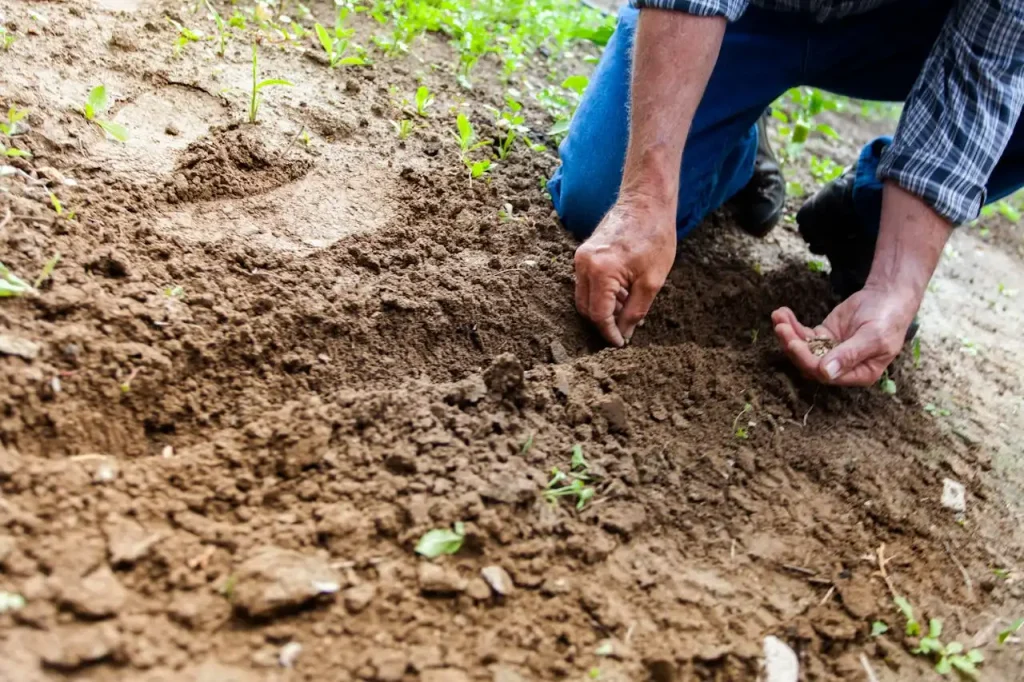
Many dying flowers suffer because they’re planted in poor soil. Healthy soil = healthy roots = healthy blooms.
Reviving Flowers with Bad Soil
- Add compost to boost nutrients and structure.
- Mix in perlite or sand if soil drains too slowly.
- Add coconut coir if soil dries out too fast.
- Check soil pH, most flowers prefer slightly acidic soil (6.0–6.8).
Quick Soil Test
Squeeze a handful of soil:
- Too sticky? It has too much clay → add sand and compost
- Too loose? It has too much sand → add compost
- Holds shape but crumbles? Perfect soil
Good soil alone can revive half of dying plants.
4. Feed Your Flowers the Right Nutrients
Dying flowers often lack nitrogen (N), phosphorus (P), or potassium (K).
What each nutrient does:
- N → Leaf growth
- P → Root & flower production
- K → Overall strength & disease resistance
How to Revive Nutrient-Deficient Flowers
- Use a balanced fertilizer (e.g., 10-10-10) once every 3–4 weeks.
- For flowering boost: use a phosphorus-rich fertilizer like 10-20-10.
- Add slow-release organic options like bone meal, fish emulsion, or compost.
Avoid overfertilizing, it burns roots and worsens dieback.
5. Manage Sunlight: Too Much or Too Little Can Kill Flowers
Flowers need the right amount of sun, not just “sun” in general.

Sunburn Symptoms
- Dry, crispy leaves
- Brown patches
- Flowers fading quickly
Fix:
Add shade cloth, move potted plants, or plant taller companions for natural shade.
Low Light Symptoms
- Leggy stems
- Weak or no blooms
- Leaves turning pale
Fix:
Move plants to a sunnier location or prune surrounding plants blocking light.
6. Control Pests and Diseases Immediately
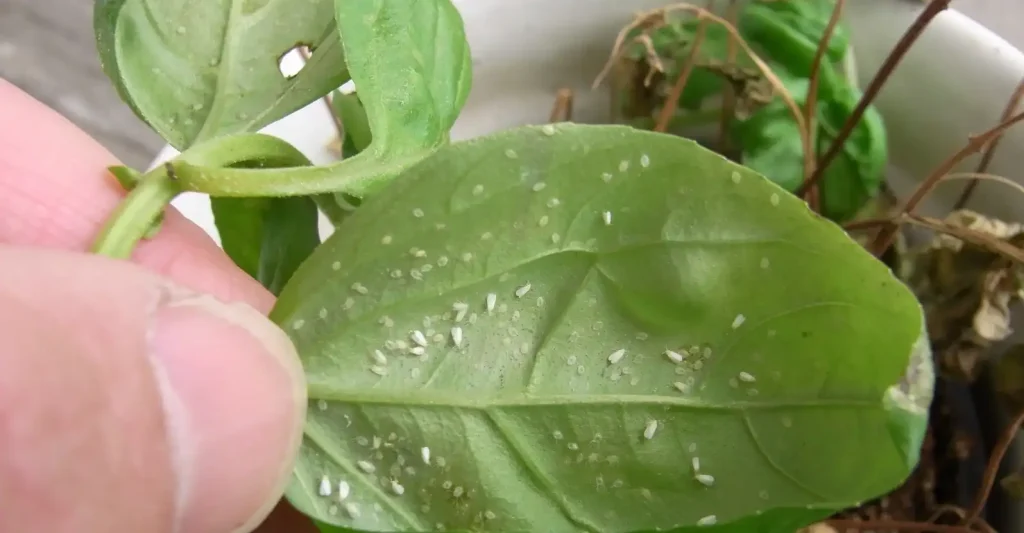
Pests can destroy flowers in days. Common culprits include:
- Aphids
- Whiteflies
- Caterpillars
- Mealybugs
- Snails
- Spider mites
How to Revive Flowers from Pest Damage
- Spray neem oil (natural and safe).
- Use soapy water for aphids and mites.
- Handpick larger pests like snails and caterpillars.
- Cut off heavily infected leaves.
For fungal issues
Common diseases:
- Powdery mildew
- Rust
- Black spot
- Root rot

Fix:
- Treat with a natural fungicide
- Improve airflow
- Avoid overhead watering
7. Prune Dead or Dying Parts
Removing damaged sections helps the plant shift energy to new growth.
How to prune correctly
- Cut brown, mushy, or dead stems.
- Remove wilted or dried flowers (deadheading).
- Trim 1–2 inches above a leaf node.
This encourages fresh growth and often revives the entire plant.
Why Your Flowers Are Dying and How to Fix Them
| Problem | Symptoms | Cause | Fix |
|---|---|---|---|
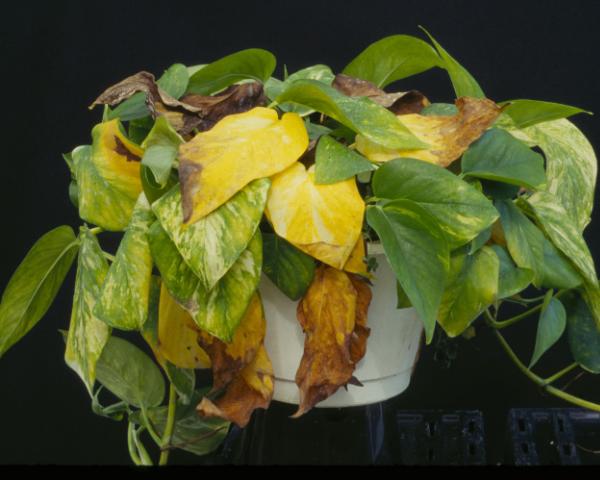
| Underwatering | Crispy leaves, drooping | Lack of moisture | Deep watering + mulch |
| Overwatering | Yellow leaves, mushy roots | Waterlogged soil | Improve drainage, pause watering |
| Poor soil | Stunted growth | Low nutrients | Add compost & organic matter |
| Low light | Leggy stems, weak blooms | Insufficient sun | Move to brighter spot |
| Too much sun | Burnt leaves | Sun scorch | Add shade cover |
| Nutrient deficiency | Pale leaves | Low N or P | Use balanced fertilizer |
| Pests | Holes, sticky leaves | Insects | Neem oil, soapy water |
| Fungal disease | Spots, powder | Humidity, wet leaves | Fungicide + airflow |
| Root bound | Circling roots | Crowded pot | Repot with fresh soil |
Final Thoughts
Learning how to revive dying flowers in outdoor gardens is about understanding their basic needs—water, sunlight, soil, and protection. With the right steps, even severely wilted flowers can often bounce back and grow stronger than before. By observing your plants, identifying problems early, and applying the right fixes, you can bring your garden back to life within days or weeks.