Plant trees are more than digging a hole and placing a sapling into the soil. If you want fast growth, strong roots, and long-lasting health, the tree must be planted correctly from day one. Whether you are growing fruit trees, shade trees, ornamentals, or native species, proper planting techniques can dramatically boost growth speed and root strength.
1. Choose the Right Tree for Your Climate and Soil
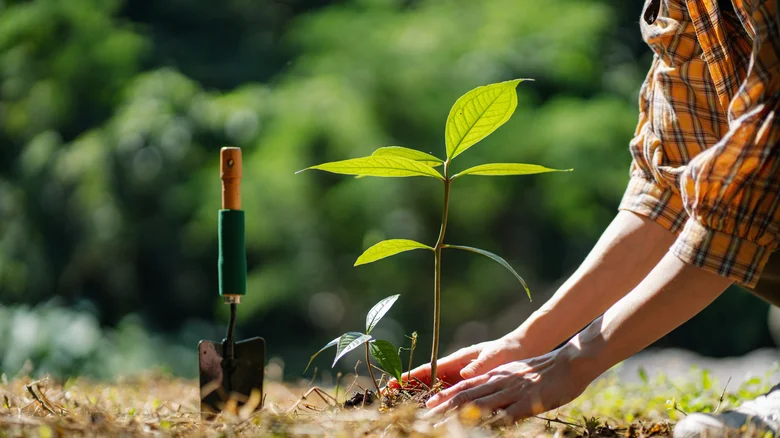
Before planting, select a tree that matches your hardiness zone, soil type, and sunlight conditions. A tree naturally adapted to your climate will always grow faster and develop stronger roots.
Tips:
- Check your local climate zone.
- Avoid species that require extreme care.
- Choose disease-resistant varieties.
- Select younger trees (1–2 years old) for faster establishment.
Younger trees adapt quicker and develop stronger root systems than very large nursery plants.
2. Pick the Best Location To Plant Trees
Trees need enough room to spread both roots and canopy. Poor placement can stunt growth or cause structural issues later.
Ideal location requirements:
- 6–8 hours of sunlight (for most fast-growing species)
- Away from foundations, walls, or underground pipelines
- Soil that drains well but retains moisture
- Space for the tree’s mature size
- Never plant too deep or too close to structures, this restricts roots and slows growth drastically.
3. Prepare the Soil Properly

- Healthy soil = rapid root development.
- Good soil preparation before planting is essential for fast tree growth.
Soil preparation steps:
- Loosen the soil 2–3 feet wide and at least 1 foot deep.
- Mix in:
- Organic compost
- A handful of bone meal (root stimulant)
- A small amount of garden soil
- Avoid chemical fertilizers before roots establish.
- Remove stones, debris, or hard clumps.
This creates a soft, nutrient-rich environment where roots can spread quickly.
4. Dig the Hole Correctly
A common mistake is digging a hole that is too deep.
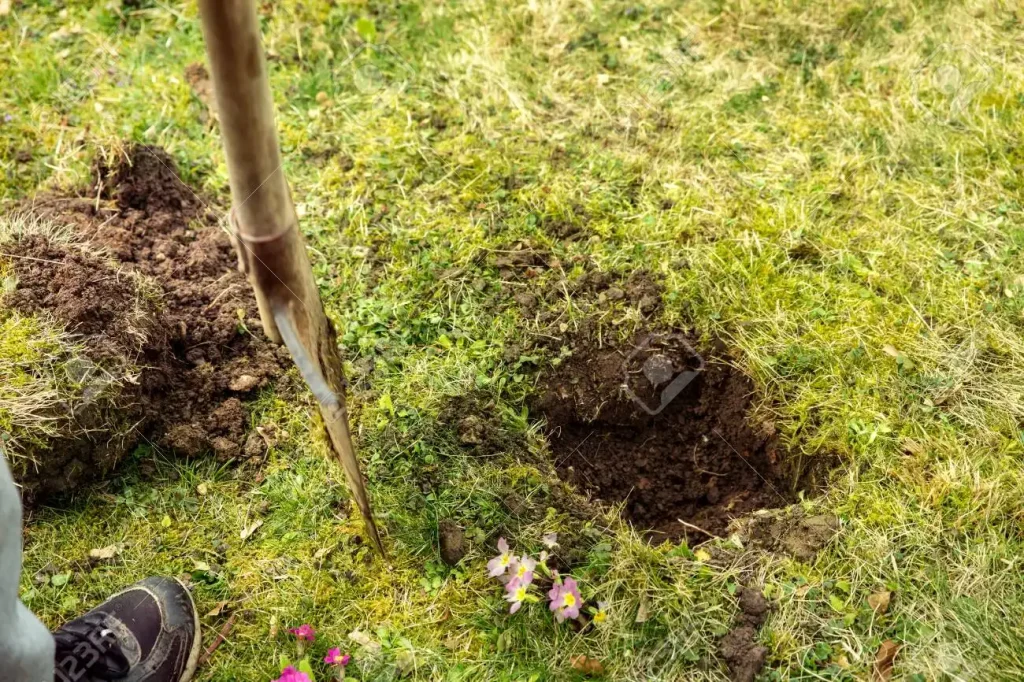
The perfect planting hole:
- Twice as wide as the root ball
- Only as deep as the root ball (never deeper)
- With rough, uneven edges (so roots can penetrate easily)
- If planted too deep, the tree suffocates and roots rot. If too shallow, roots dry out.
5. Prepare the Tree Before Planting
Remove the plant from its pot gently. If roots appear densely tangled or circling:
Loosen the roots manually
- Cut or tease apart the circling roots to help them spread outward into the new soil.
- This step prevents future root strangling—one of the top reasons trees fail to grow fast.
6. Plant the Tree at the Correct Height
Place the tree in the hole with the root flare (base of the trunk) slightly above ground level.

Important:
- Do not bury the trunk.
- Do not mound soil around the stem.
- Make sure the tree is standing straight.
Backfill the hole halfway, add water to remove air pockets, then finish filling.
7. Water Deeply and Correctly
Watering is the most critical factor for strong roots.
Watering formula:
- Immediately after planting: Soak deeply.
- First 2 weeks: Water daily.
- Next 2–3 months: Water 2–3 times weekly.
- After 6 months: Water deeply once a week.
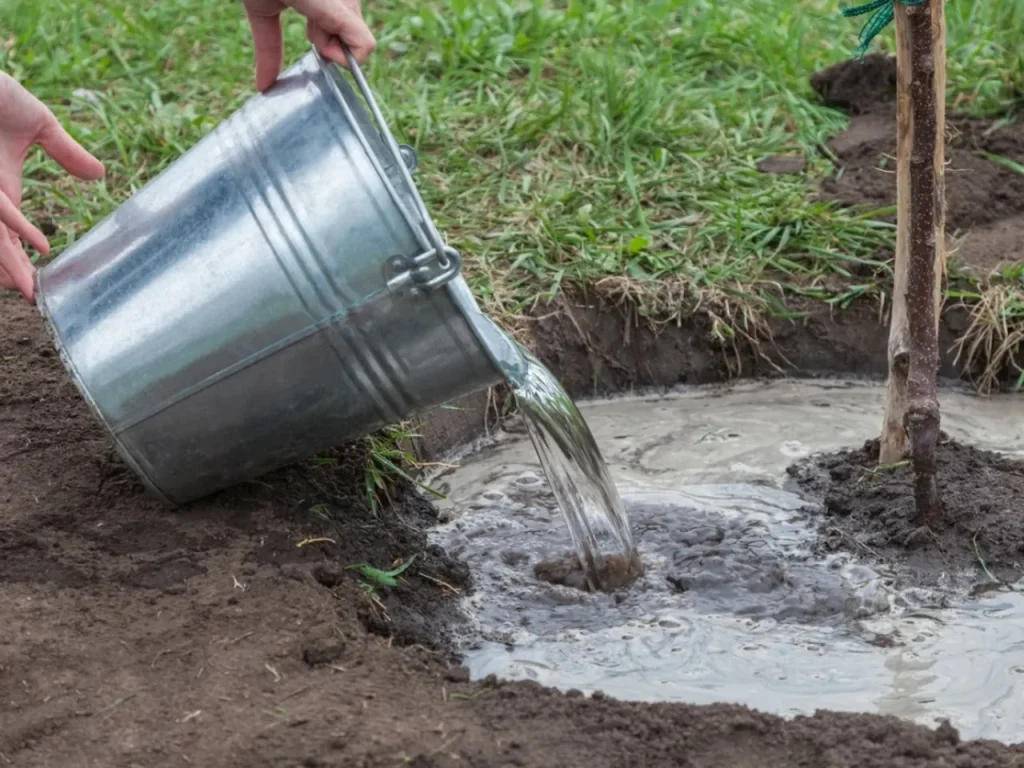
Always water at the base of the tree—not the leaves.
Deep watering encourages roots to grow downward for strength and stability.
8. Mulch the Tree Properly
Mulch helps retain moisture, prevent weeds, and keep soil temperature stable.
Mulching rules:
- Apply 2–3 inches of mulch.
- Keep mulch 3–5 inches away from the trunk.
- Use organic mulch: wood chips, shredded bark, straw, or compost.
Never create a “mulch volcano” around the tree, this traps moisture and causes rot.

9. Fertilize at the Right Tim
Do not fertilize immediately after planting.
Best time to fertilize:
- 3–6 months after planting once the tree has settled.
Use a slow-release, nitrogen-balanced fertilizer or organic alternatives like:
- Compost tea
- Bone meal
- Fish emulsion
- Worm castings
Overfeeding can damage roots, go slow and steady.

10. Use Stakes Only When Necessary
Staking is helpful when:
- The tree is tall and thin
- The planting area is windy
- The root system is small or weak
Staking guidelines:
- Use 2–3 stakes around the tree
- Tie loosely with a soft cloth or tree tie
- Remove stakes after 6–12 months
Overstaked trees develop weak trunks and shallow roots.
Common Tree Planting Problems & Fixes
| Problem | Symptoms | Cause | Fix / Solution |
|---|---|---|---|
| Slow growth | Tree barely increases in height | Poor soil prep or wrong species | Add compost, check sunlight, choose adapted variety |
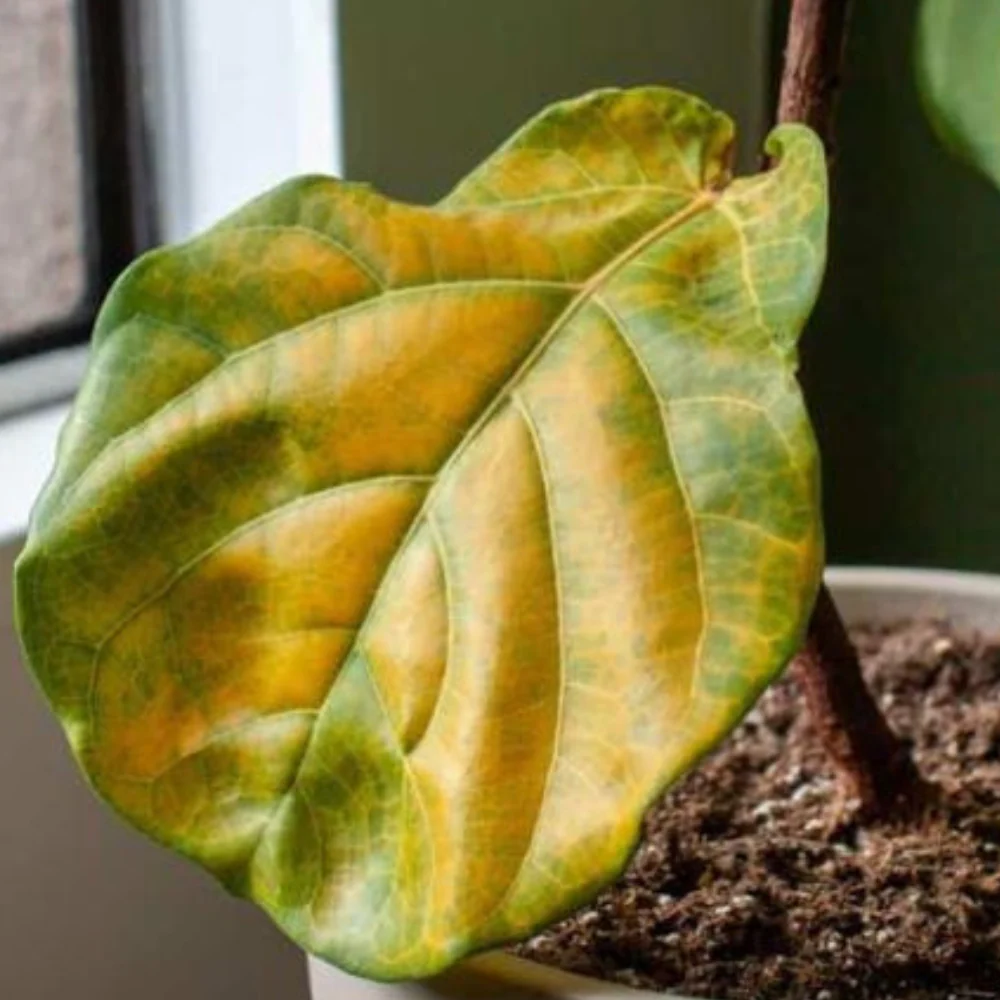
| Yellow leaves | Leaves turning pale or yellow | Overwatering or poor drainage | Reduce watering, improve soil drainage |
| Drooping branches | Limp leaves and soft branches | Under-watering | Increase deep watering sessions |
| Root rot | Foul smell, wilting despite moisture | Planting too deep, waterlogged soil | Replant at correct height, improve drainage |
| Leaf scorch | Brown tips or crispy edges | Too much sun or underwatering | Provide shade temporarily, increase watering |
| Weak trunk | Tree bends easily, unstable | No wind exposure or overstaking | Remove stake, allow natural movement |
| Wilting after planting | Leaves droop within days | Transplant shock | Water regularly, avoid fertilizer for 3 months |
Conclusion
Planting a tree for fast growth and strong roots is easy when done correctly. With proper soil preparation, correct planting depth, consistent watering, and thoughtful after-care, your tree can establish quickly and grow vigorously for decades to come. Avoid the common mistakes that slow down growth, and use the troubleshooting table to fix any early problems.