Winter can be tough on potted plants, especially when cold temperatures, excess moisture, and slow evaporation create the perfect conditions for root rot. This fungal disease silently attacks plant roots, turning them brown and mushy, eventually killing the plant if not controlled in time.
The good news? Preventing root rot in winter pots is completely possible with the right techniques. In this guide, you’ll learn how to protect container plants, improve drainage, adjust watering, and create a healthy winter environment for your potted garden.

What Is Root Rot?
Root rot is a fungal or bacterial condition that occurs when the roots of a plant sit in consistently wet soil. In winter, this happens more easily because:
- Soil stays wet for longer
- Plants drink less water
- Sunlight is weaker
- Evaporation slows down
As a result, excess moisture suffocates roots, allowing fungi such as Pythium and Phytophthora to thrive.
Signs of Root Rot in Winter Pots
Identifying early symptoms can save your plant.

Above-Ground Signs
- Yellowing or browning leaves
- Sudden wilting despite moist soil
- Soft or droopy stems
- Stunted growth
- Foul smell from the soil
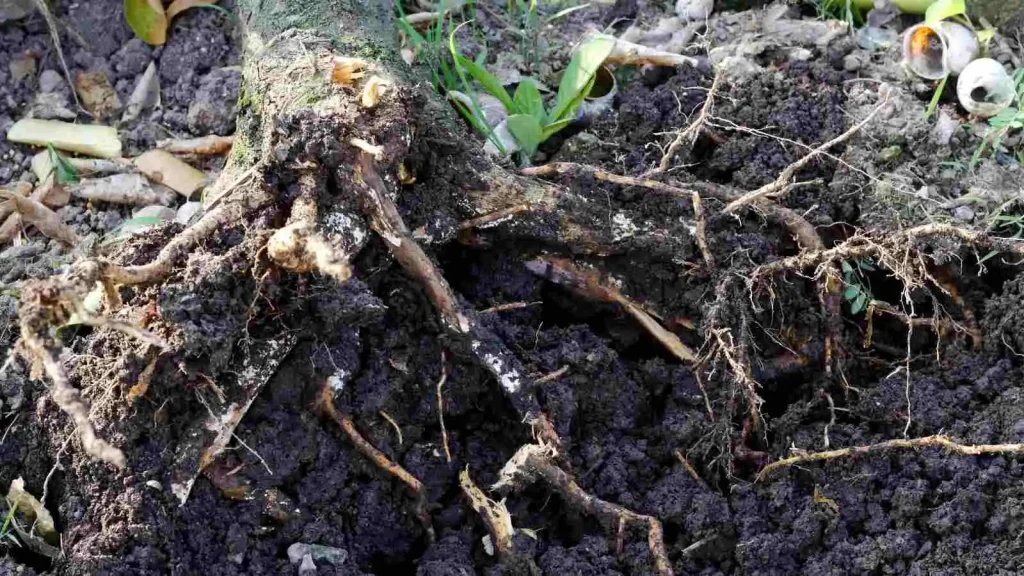
Below-Ground Signs
- If you remove the plant from its pot:
- Healthy roots should be firm and white
- Roots appear brown, mushy, or slimy
Why Root Rot Is More Common in Winter
Winter creates conditions that make root rot far more likely:
1. Reduced sunlight
Plants stop growing fast, so they don’t absorb as much water.
2. Cold temperatures
Cold, soggy soil encourages fungal growth.
3. Overwatering
Gardeners often water plants the same way they do in summer, leading to waterlogged pots.
4. Poor drainage
Frozen, compacted, or clogged soil traps moisture around the roots.
How to Prevent Root Rot in Winter Pots
Here are the most effective strategies to keep your plants safe.
1. Choose Pots With Proper Drainage
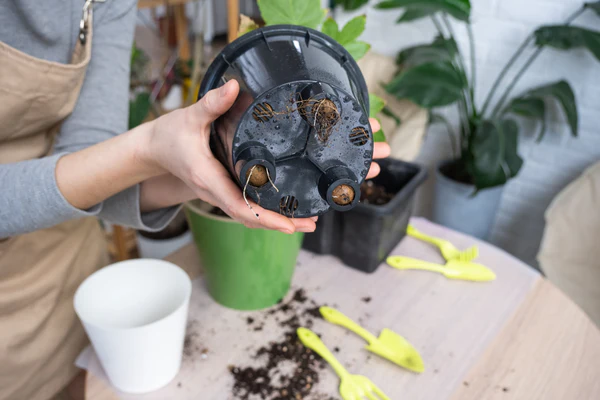
Good drainage is the most important step in preventing root rot.
Make sure your pots have:
- At least 1 large drainage hole
- A saucer that doesn’t hold water
- A raised bottom or pot feet to allow air circulation under the pot
Avoid:
- Pots with no drainage holes
- Decorative cachepots (unless used with an inner pot)
Tip: If your pot has only one small drainage hole, widen it or drill additional holes.
2. Use a Well-Draining Soil Mix
Standard garden soil is too heavy for winter pots.
Instead, use a light and airy potting mix.
Ideal Potting Mix:
- 60% potting soil
- 20% perlite or pumice
- 20% compost or coconut coir

For succulents or herbs:
- Use a specialized cactus/succulent mix with extra sand.
- Good drainage prevents water from sitting around the roots.
3. Improve Drainage at the Bottom of Pots
To help excess water escape, line the bottom of the pot with:
- Pebbles
- Gravel
- Broken clay pieces
- Lava rock
This creates space for better airflow and prevents water from pooling.
4. Elevate Pots Off the Ground
Place pots on:

- Pot feet
- Bricks
- Wooden blocks
- Wire stands
This prevents cold, wet ground from transferring moisture into the pot and improves drainage.
5. Avoid Saucers That Collect Water
In winter, water sitting in saucers becomes cold and stagnant, directly contributing to root rot.
Always:
- Avoid leaving pots sitting in water
- Empty saucers immediately after watering
6. Choose Cold-Tolerant Plants
Some plants naturally resist root rot and winter stress.
Good winter pot choices:
- Hellebores
- Winter jasmine
- Pansies
- Violas
- Ornamental kale
- Ivy
- Evergreen herbs (rosemary, thyme)

Avoid delicate plants that dislike cold, wet soil.
7. Repot Plants Showing Early Stress
If you suspect root rot is beginning:
Repot immediately using:
- Fresh, dry soil
- A pot with better drainage
Cut off mushy, brown roots and keep only healthy, white ones.
How to Water Potted Plants Properly in Winter
Watering correctly is the heart of preventing root rot.
Follow these steps:
- Check moisture first — don’t guess.
- Water slowly at the base of the plant.
- Avoid splashing the leaves.
- Stop watering when water drains out of the bottom.
- Empty any saucers right away.

Best time to water:
Morning, when temperatures are above freezing.
Final Thoughts
Preventing root rot in winter pots is all about balancing moisture and airflow. When you choose well-draining soil, reduce watering, and ensure your pots have proper drainage and insulation, your plants can survive winter easily.
By following these simple steps, you can keep your potted plants healthy, strong, and thriving even in the coldest months. With the right care, winter will no longer be a season of plant loss—but a time for slow, steady growth and preparation for spring.