Gardening is a rewarding hobby, but nothing is more frustrating than seeing your plants fail shortly after planting. Many beginner and even experienced gardeners face the challenge of early plant failure. The good news is that most failures can be prevented with the right planting methods, proper care, and understanding of plant needs. In this guide, we’ll cover proven planting techniques that prevent early failure, troubleshooting common issues, and tips to ensure your garden thrives.
1. Choose the Right Planting Methods for Your Area
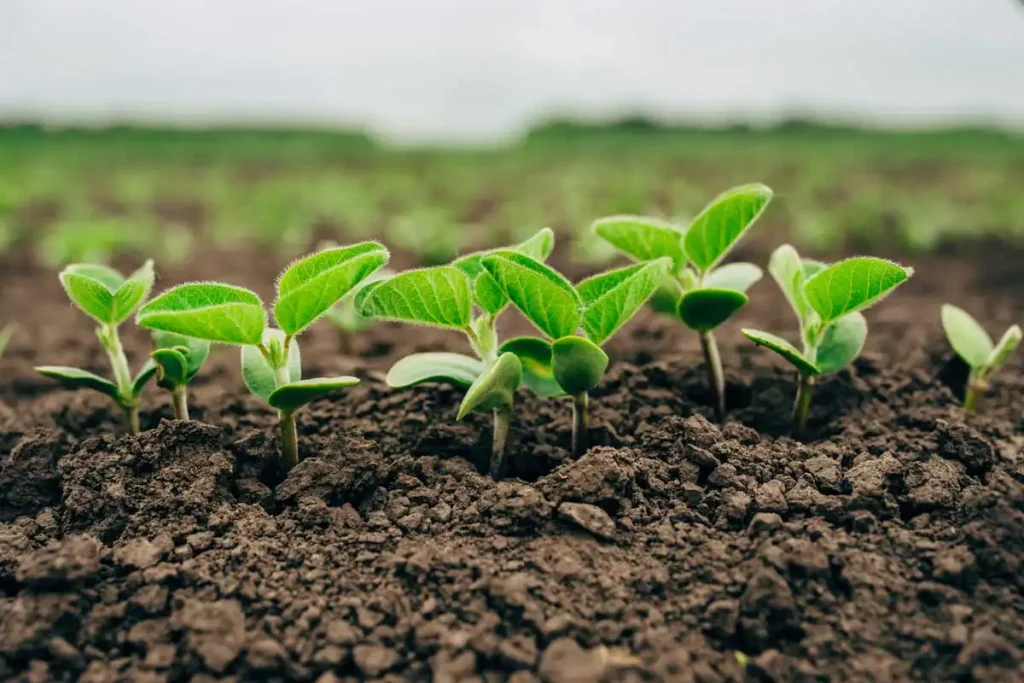
The first step to preventing early plant failure is selecting the right plant for your region. Consider the following:
- Climate compatibility – Check your local USDA Hardiness Zone or climate conditions.
- Soil preference – Some plants thrive in sandy soil, others in clay or loamy soil.
- Sunlight requirements – Full sun, partial shade, or full shade? Plant accordingly.
Using plants suited to your environment drastically reduces the risk of early failure.
2. Prepare the Soil Properly
Soil preparation is critical. Healthy soil provides nutrients, retains moisture, and allows roots to grow freely. Follow these steps:
- Test your soil – pH and nutrient levels can be tested with a simple kit.
- Amend the soil – Add compost, organic matter, or fertilizers as needed.
- Loosen the soil – Avoid compacted soil to allow proper root development.
- Ensure drainage – Poor drainage leads to root rot and early failure.
Healthy soil forms the foundation for strong, resilient plants.

3. Use Quality Seeds or Seedlings
Starting with healthy seeds or seedlings reduces the chance of early failure:
- Choose certified seeds from reputable suppliers.
- Avoid old or damaged seeds.
- Inspect seedlings for pests, disease, or weak growth before planting.
Strong beginnings lead to strong plants.
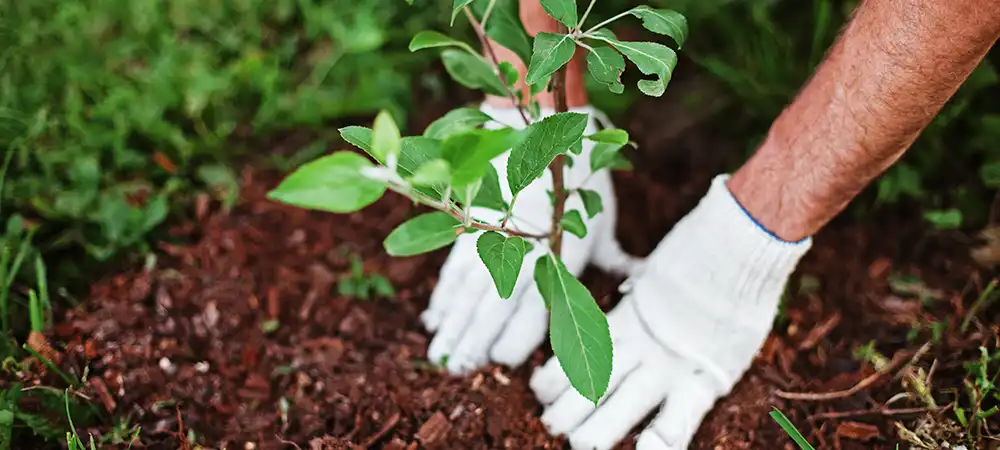
4. Correct Planting Techniques
Planting correctly is essential for early survival:
- Planting depth – Follow instructions for each plant type; too deep or too shallow can hinder growth.
- Spacing – Provide enough room for roots and leaves to grow. Crowding causes stress and disease.
- Firming the soil – Gently press soil around roots to remove air pockets.
- Watering immediately after planting – Helps settle the soil and hydrates roots.
Proper planting technique prevents stress and increases survival rates.
5. Watering Strategies
Watering mistakes are one of the most common reasons for early failure:
- Consistent moisture – Keep the soil consistently moist but not waterlogged.
- Water at the base – Avoid wetting leaves to prevent fungal diseases.
- Mulching – Apply a layer of mulch to retain moisture and regulate soil temperature.
Adjust watering according to weather, plant type, and soil conditions.
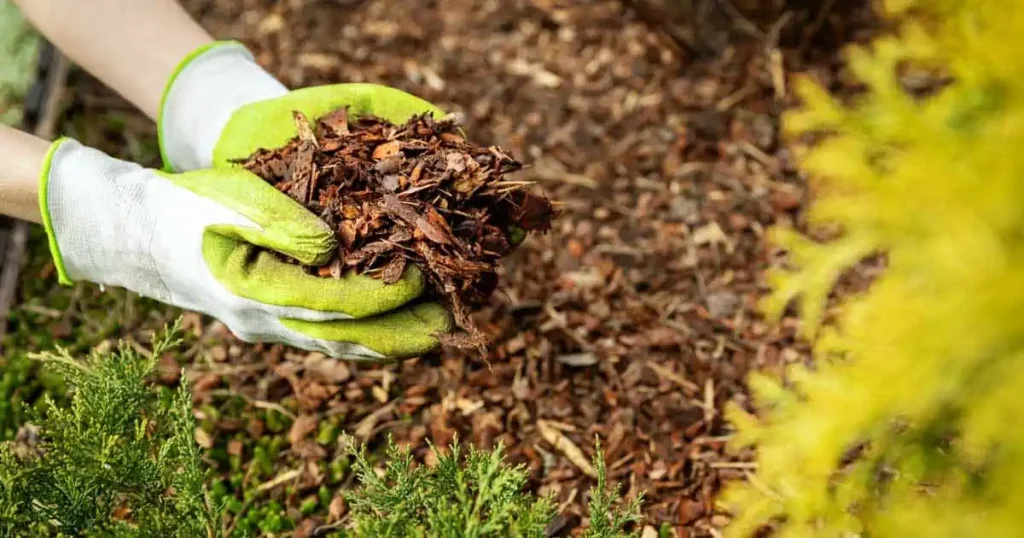
6. Mulching and Soil Protection
Mulch protects young plants and reduces failure risks:
- Maintains soil moisture and prevents drying.
- Suppresses weed growth that competes for nutrients.
- Provides a buffer against temperature extremes.
Organic mulch like straw, shredded leaves, or bark is best for young plants.
7. Pest and Disease Management
Early-stage plants are vulnerable to pests and diseases. Preventive measures include:
- Inspect plants regularly for signs of pests or disease.
- Use natural remedies like neem oil or insecticidal soap.
- Avoid planting susceptible species in the same soil repeatedly.
- Rotate crops to reduce disease buildup.
A proactive approach keeps plants healthy from the start.
8. Fertilization Tips
Providing the right nutrients ensures plants grow strong:
- Avoid over-fertilizing young plants; it can burn roots.
- Use balanced fertilizers suited for your plant type.
- Consider slow-release fertilizers to prevent nutrient shocks.
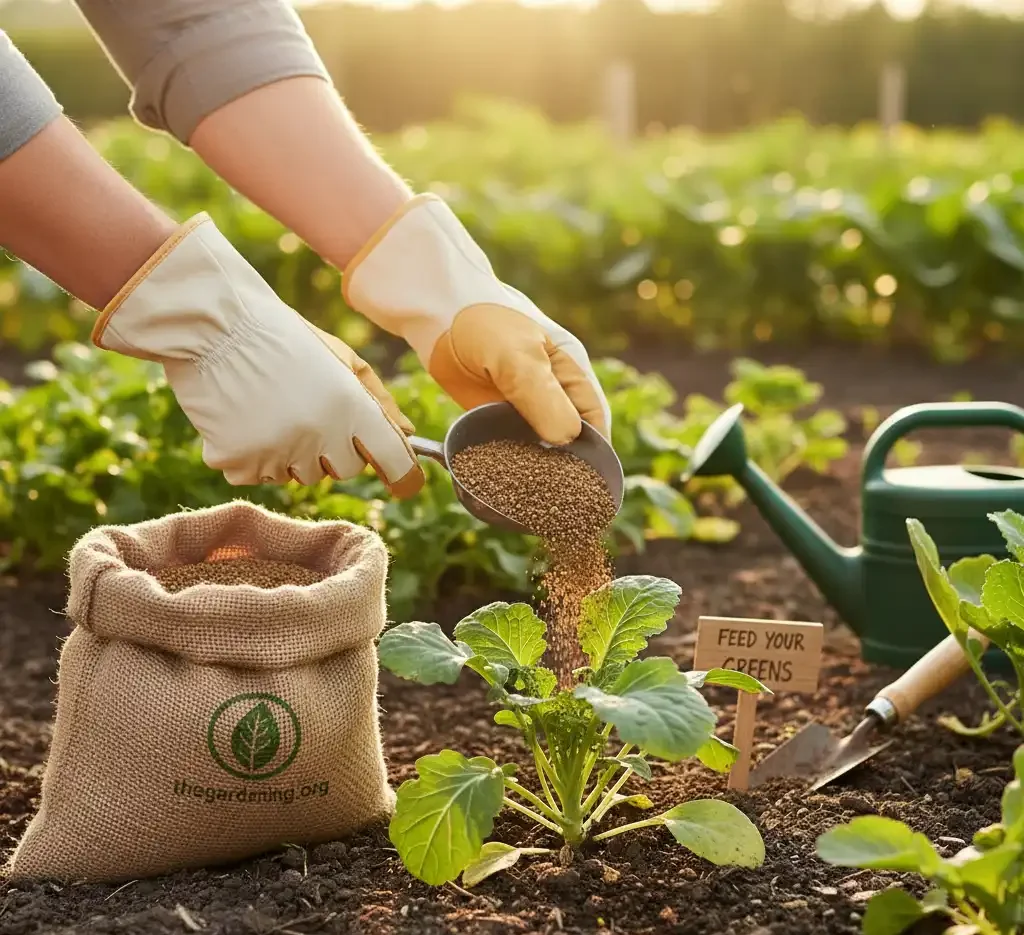
Healthy, nourished plants are less likely to fail early.
9. Environmental Protection
Young plants are sensitive to extreme conditions:
- Protect seedlings from frost, wind, or direct scorching sun.
- Use shade nets or row covers as needed.
- Gradually acclimate seedlings to outdoor conditions before full exposure.
This reduces transplant shock and early stress-related failure.
Troubleshoot Table: Common Early Plant Failures
| Problem | Possible Cause | Solution |
|---|---|---|
| Wilting | Underwatering, overwatering, root damage | Adjust watering schedule; ensure proper drainage |
| Yellow leaves | Nutrient deficiency, overwatering | Test soil; apply balanced fertilizer; reduce watering |
| Stunted growth | Poor soil, incorrect planting depth | Amend soil; replant at correct depth |
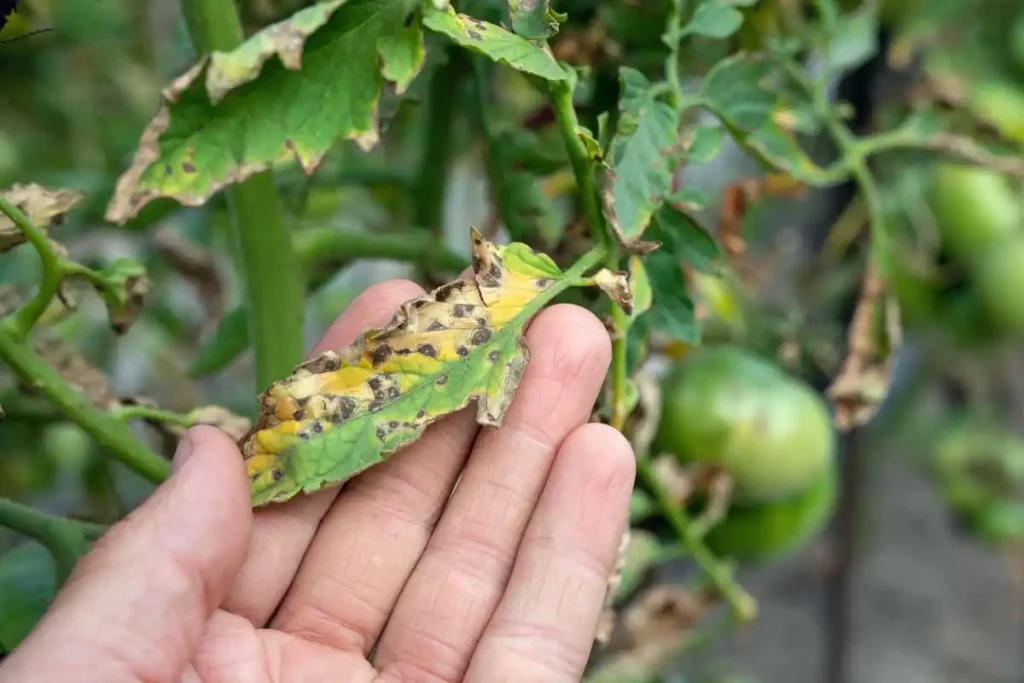
| Leaf spots | Fungal or bacterial infection | Remove affected leaves; apply safe fungicide |
| Pest damage | Aphids, caterpillars, slugs | Inspect regularly; use organic pest control |
| Root rot | Waterlogged soil | Improve drainage; reduce watering frequency |
| Sudden death | Transplant shock, extreme weather | Protect seedlings; acclimate gradually |
Conclusion
Preventing early plant failure is a combination of choosing the right plant, preparing the soil, planting correctly, and providing consistent care. By following these planting methods, you increase the chances of a thriving, healthy garden. Remember, the key is prevention, healthy beginnings lead to a flourishing garden that can withstand pests, disease, and environmental stress.
Implement these strategies, use the troubleshooting table as a quick guide, and enjoy a garden that grows strong from day one.