Winter planting can feel like a gamble. You carefully choose your plants, prepare the soil, and plant them with hope, only to worry about frost, wind, and weak roots undoing all your hard work. If you’ve ever walked into your garden after a cold night and found plants leaning, uprooted, or stressed, you’re not alone.
Stabilizing plants planted in winter is one of the most overlooked but crucial steps in cold-season gardening.

Why Stabilizing Plants Planted in Winter Matters
Winter soil behaves very differently from summer soil. Cold temperatures cause the ground to contract and expand, a process known as freeze–thaw cycles. This movement can loosen roots, create air pockets, and push plants upward, making them unstable.
Unstabilized winter plants may suffer from:
- Root exposure due to soil shifting
- Wind rock that weakens root systems
- Stem breakage from snow or ice
- Delayed growth in spring
Stabilization keeps plants anchored, reduces stress, and allows roots to establish, even in cold conditions.
Best Time to Stabilize Winter‑Planted Plants
The ideal time to stabilize plants is immediately after planting. However, if you missed that window, early winter or just before the first frost is still effective.
Pro tip: Avoid stabilizing during frozen soil conditions. Work when the soil is slightly moist but not icy.
Proven Methods for Stabilizing Plants Planted in Winter

1. Mulching: The Winter Shield
Mulch is your garden’s winter blanket. It regulates soil temperature, prevents frost heaving, and holds moisture.
Best mulching materials:
- Straw
- Pine needles
- Bark chips
- Dry leaves
How to apply: Spread 2–4 inches of mulch around the base, keeping it a few inches away from the stem to prevent rot.
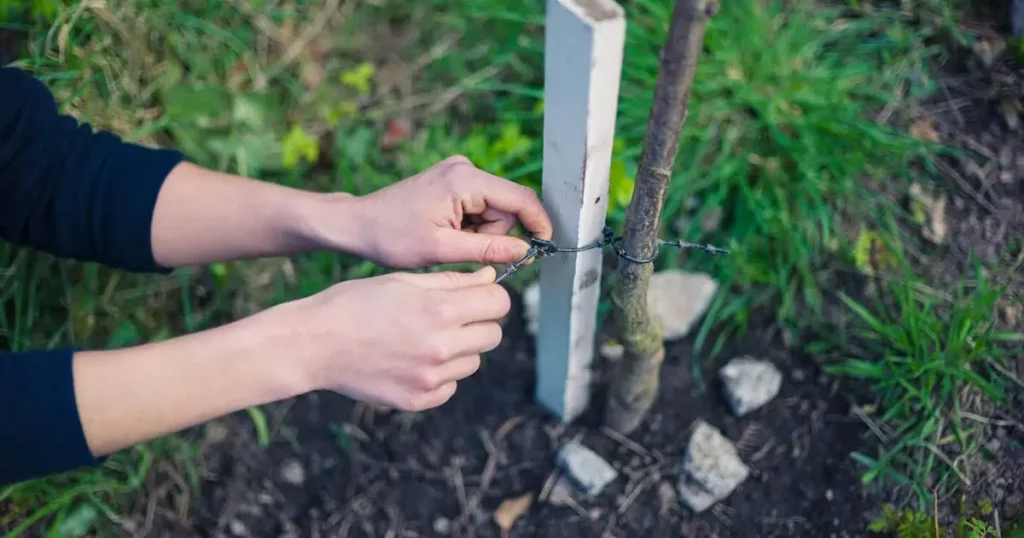
2. Staking for Structural Support
Staking isn’t just for summer plants. Winter staking prevents wind damage and stem snapping.
Best practices:
- Use wooden or metal stakes
- Tie loosely with garden twine or cloth
- Avoid tight knots that restrict growth
This method works especially well for shrubs, saplings, and tall winter vegetables.
3. Soil Firming and Backfilling
Loose soil equals weak roots. After planting:
- Gently press soil around the root zone
- Fill any visible air pockets
- Water lightly to help soil settle
This simple step dramatically improves stability.
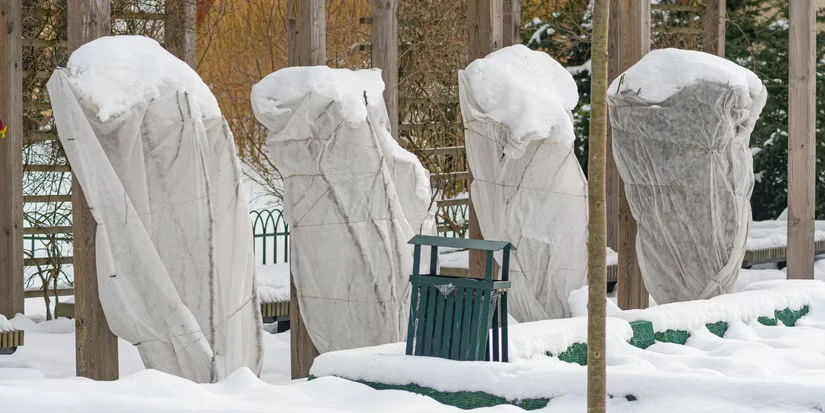
4. Wind Barriers for Extra Protection
For gardens exposed to open winds, barriers are a game‑changer.
Options include:
- Burlap screens
- Temporary fencing
- Garden fabric
Position barriers on the windward side without blocking sunlight.
5. Proper Watering (Yes, Even in Winter)
Dry winter soil crumbles easily and offers poor support.
- Water during dry spells
- Avoid overwatering
- Ensure proper drainage
Moist (not soggy) soil holds roots firmly in place.
6. Choosing the Right Planting Depth
Plants set too shallow are more likely to shift.
- Plant at recommended depth
- Ensure root balls are fully covered
- Avoid planting above soil grade
Correct depth is a silent but powerful stabilizer.

How Stabilization Improves Spring Growth
Here’s the good news: winter stabilization pays off big time in spring.
Stabilized plants:
- Resume growth faster
- Develop stronger root systems
- Produce healthier foliage
- Experience less transplant shock
Think of stabilization as an investment your future garden will thank you for.
Troubleshooting Table: Stabilizing Plants Planted in Winter
| Problem | Likely Cause | Solution |
|---|---|---|
| Plant leaning after wind | Loose soil or no staking | Firm soil and add stake support |
| Roots exposed | Frost heaving | Add mulch and gently re‑firm soil |
| Stem snapping | Heavy snow load | Stake and use wind barrier |
| Plant wilting in winter | Dry soil | Water lightly during dry spells |
| Slow spring growth | Poor winter stability | Improve mulching and soil support |
Final Thoughts: A Little Care Goes a Long Way
Winter gardening doesn’t have to be stressful. Stabilizing plants planted in winter is less about complicated techniques and more about consistent, thoughtful care. A bit of mulch, a well‑placed stake, and attention to soil conditions can mean the difference between struggling plants and a thriving spring garden.
Gardening is always a conversation with nature—and winter simply asks us to listen more closely. When you give your plants the stability they need, they reward you with resilience, growth, and beauty when warmer days return.