Spring is like a fresh start for gardeners. The soil begins to warm, seed catalogs are published, and there is a great desire to plant everything at once. But in the early spring, frost is still a cunning enemy.
Rather than a lack of skill, many gardeners lose young seedlings because they underestimate late cold snaps. Frost-aware Spring planting techniques that are mindful of frost can help with that. With the help of these methods, you can plant with confidence, protect fragile growth, and build stronger, healthier gardens that never fail.
Whether you’re growing flowers, vegetables, or herbs, this guide will teach you how to plant effectively in the spring, even when frost is still a possibility.
The Significance of Frost-Aware Spring Planting
The weather in early spring is erratic. Particularly in colder climates or higher altitudes, warm days can quickly turn into freezing nights.
The Effects of Frost on Plants
- Damages delicate leaves’ cell walls
- kills young seedlings during the night.
- Slows the growth of roots
- Results in plant failure or stunted growth.
Being frost-aware means planting strategically, not late.
Choose Frost-Tolerant Plants for Early Spring
Not all plants fear frost. Some actually thrive in cooler temperatures.
Frost-Hardy Vegetables
- Spinach
- Kale
- Peas
- Radishes
- Lettuce
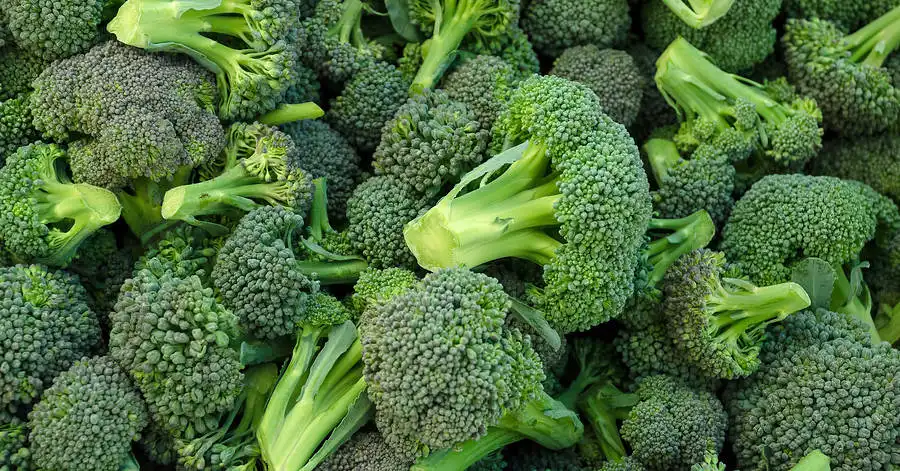
- Broccoli
Cold-Tolerant Flowers
- Pansies
- Sweet peas
- Calendula
- Violas
These plants can handle chilly nights and are ideal for early spring planting.
Start Tender Plants Indoors First
Warm-season plants are the most vulnerable to frost damage. Instead of risking them outdoors too early, give them a head start indoors.

Best Plants to Start Indoors
- Tomatoes
- Peppers
- Eggplants
- Basil
- Zinnias
This technique protects seedlings and allows you to transplant strong, established plants once frost danger passes.
Harden Off Seedlings the Right Way
Many gardeners overlook the important step of hardening off, which often leads to shock or plant loss.
How to Make Plants Stronger
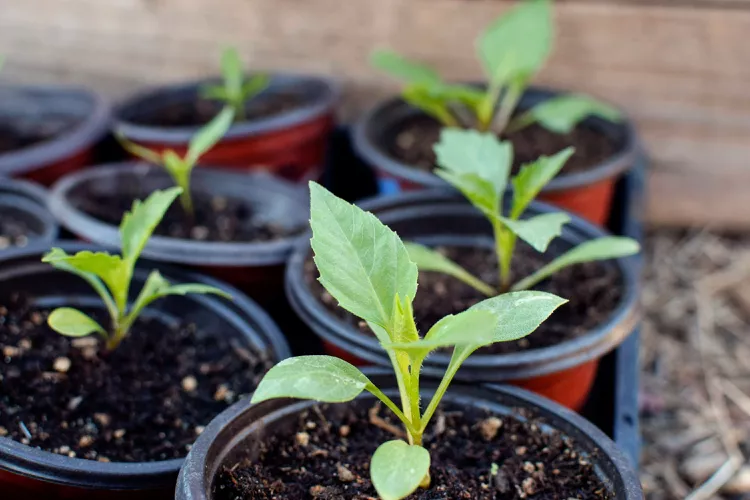
- Every day, leave seedlings outside for one to two hours.
- Gradually increase their exposure over seven to ten days.
- Avoid windy and cold days.
- At night, bring the plants inside.
This helps plants adjust to changes in sunlight, wind, and temperature. It also helps them adapt to variations in temperature, wind, and sunlight.
Use Frost Protection Tools Like a Pro
Smart gardeners don’t rely on the luck of the weather – they use safety.
Best frost protection methods
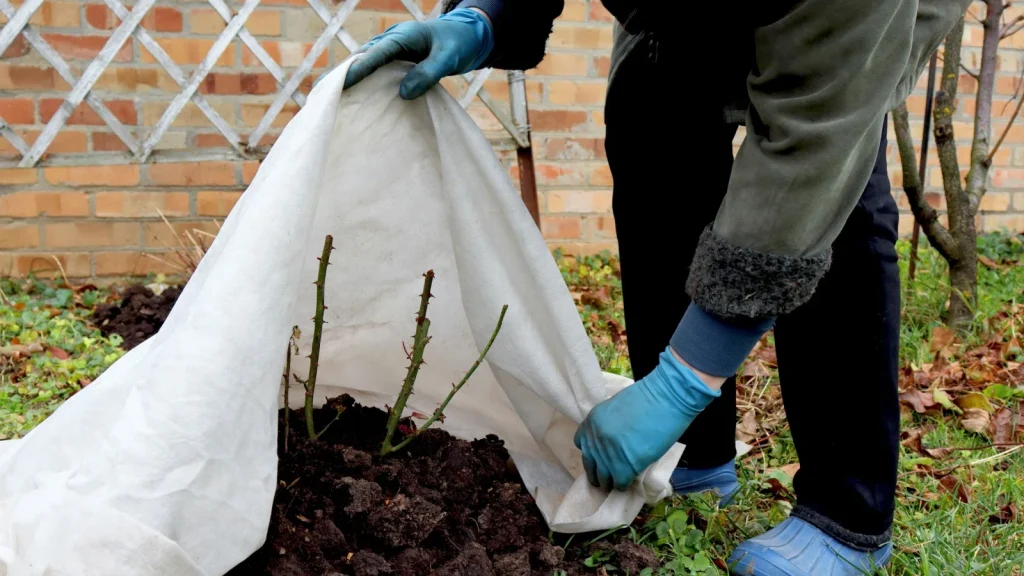
- Row cover – light and breathable
- Antifreeze – Better insulation than plastic
- Cloche Cover – Perfect for individual plants
- Mulch – protects soil and roots
Avoid leaves touching plastic – this can worsen frost damage.
Plant According to Microclimates
Your garden is not a single temperature zone.
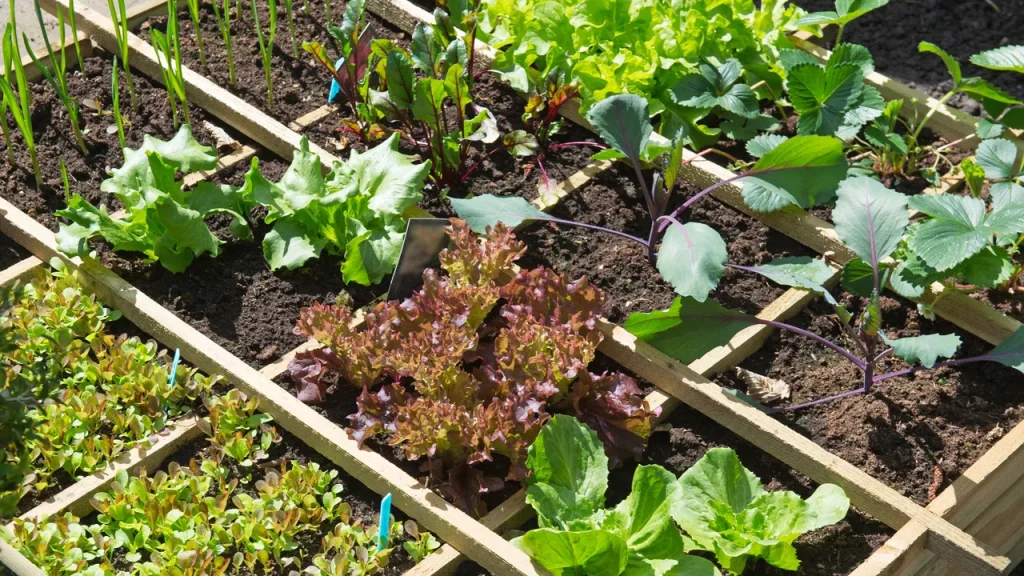
Frost-protected areas in your garden
- South facing walls
- High bed
- Areas near stone or concrete
- Wind-sheltered corner
Planting tender crops in these warm microclimates dramatically increases survival.
Soil Temperature Matters More Than Air Temperature
Seeds care more about soil warmth than daytime sunshine.
Ideal Soil Temps (Approx.)
- Cool-season crops: 4–10°C (40–50°F)
- Warm-season crops: 16–21°C (60–70°F)
A soil thermometer is one of the most underrated gardening tools.
Water Strategically Before Frost Nights
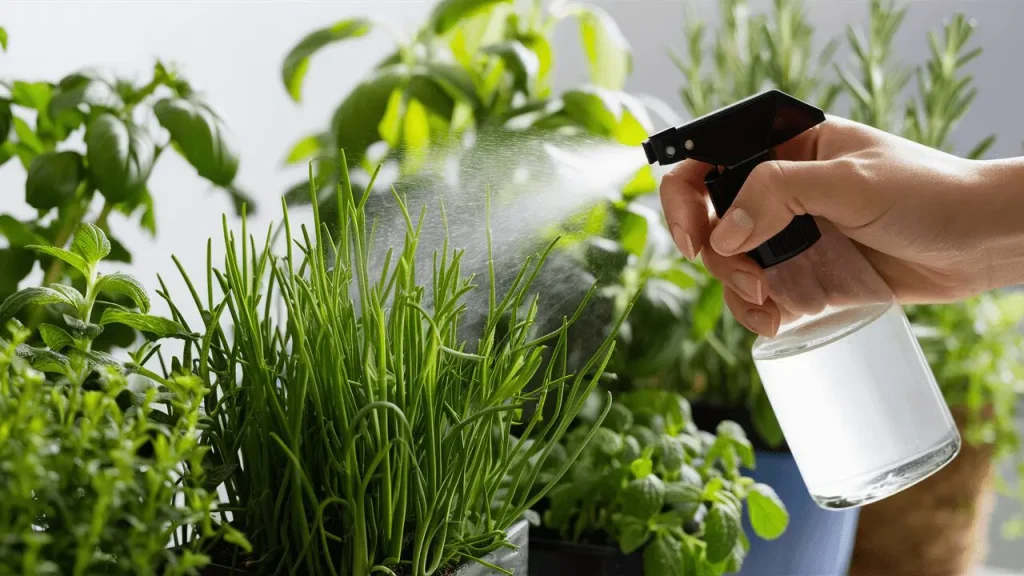
Moist soil holds heat better than dry soil.
Frost-Smart Watering Tips
- Water plants in the afternoon before frost
- Avoid soaking leaves late evening
- Focus on soil moisture, not foliage
This can help reduce frost impact overnight.
Organic Frost-Protection Hacks That Actually Work
Low-budget solutions can still be effective.
- Old bedsheets (not synthetic)
- Cardboard boxes overnight
- Straw mulch
- Upturned buckets
Remove covers in the morning to prevent overheating.

Frost-Aware Gardening Builds Stronger Plants
Plants that experience mild cold stress often grow stronger roots and better resistance later in the season. Frost-aware planting isn’t about fear, it’s about working with nature, not against it.
Troubleshooting Table: Frost Problems & Solutions
| Problem | Likely Cause | Solution |
|---|---|---|
| Seedlings died overnight | Unexpected frost | Use row covers or cloches |
| Leaves turned black | Hard frost exposure | Remove damaged growth after recovery |
| Plants stopped growing | Cold soil | Add mulch, wait for soil warming |
| Transplants wilted | No hardening off | Gradual outdoor exposure |
| Blossoms dropped | Late frost | Cover plants at night |
| Seeds failed to sprout | Soil too cold | Delay planting or use raised beds |
| Roots damaged | Frozen ground | Improve drainage, add organic matter |
Final thoughts: Better to plant earlier than later
Frost-aware spring planting techniques allow you to plant earlier, grow healthier plants and avoid heartbreaking losses. With proper planning, protection and patience, frost doesn’t have to rule the garden season.
Instead of waiting endlessly for “perfect weather,” plant wisely and let your garden flourish.