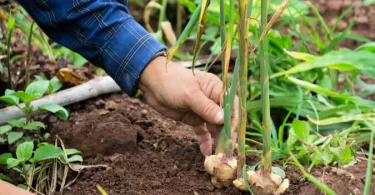
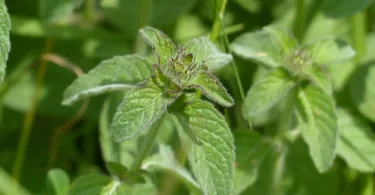
Gardening isn’t about forcing plants to survive, it’s about teaching your garden how to grow on its own. If your plants are struggling with heat, pests, heavy rain or poor soil, the solution is not rapid fertilization or frequent replanting. The real secret is to gradually build up the resilience of the garden.
Building garden resilience recovers faster from stress, produces more consistently and requires less effort over time. Whether you’re a beginner or experienced gardener, this guide will show you practical, proven and sustainable steps to keep your garden strong season after season.
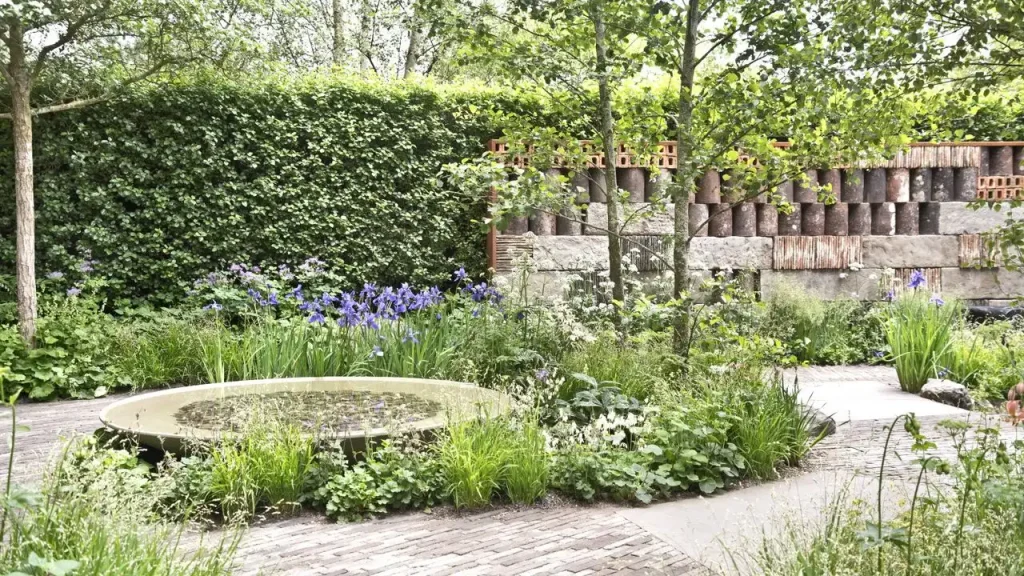
Why Building Garden Resilience Gradually Works Better
Many gardeners make the mistake of trying to fix everything at once. This often leads to:
- Land burning
- Over fertilization
- Plant stress
- Dependence on chemicals
Gradual changes allow soil, plants and beneficial organisms to adapt naturally, creating long-term stability rather than short-term growth peaks. Think of your garden as a living system – not a machine.
Start With the Soil (Your Garden’s Foundation)
Healthy soil is the backbone of a garden’s resilience. Without this, no plant can function well.
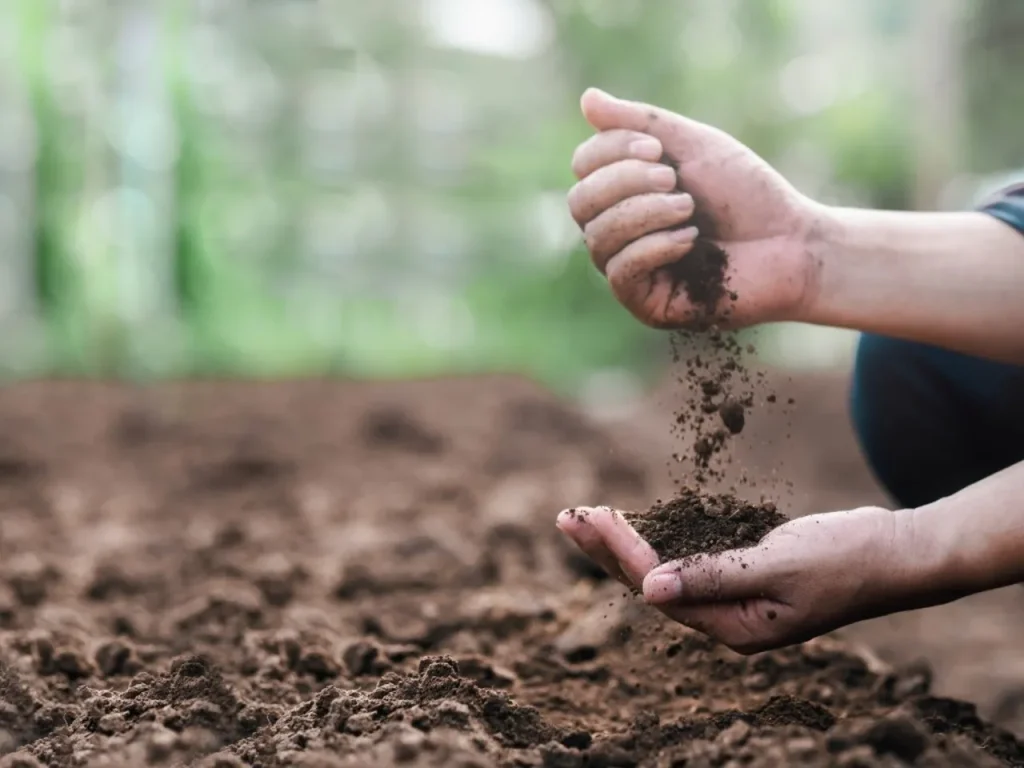
Practical steps to gradually improve the soil:
- Fertilize twice a year instead of once
- Avoid deep digging or frequent plowing
- Use organic materials such as leaf mold or old compost
- Cover the soil with mulch
As soil life increases, beneficial microbes help plants absorb nutrients efficiently and naturally resist disease.
Tip: If your soil feels hard or lifeless, that’s a sign it needs life, not more fertilizer.
Mulch Consistently, Not Occasionally
Mulching is one of the simplest yet most powerful ways to make a garden resilient.
Advantages of regular mulching:
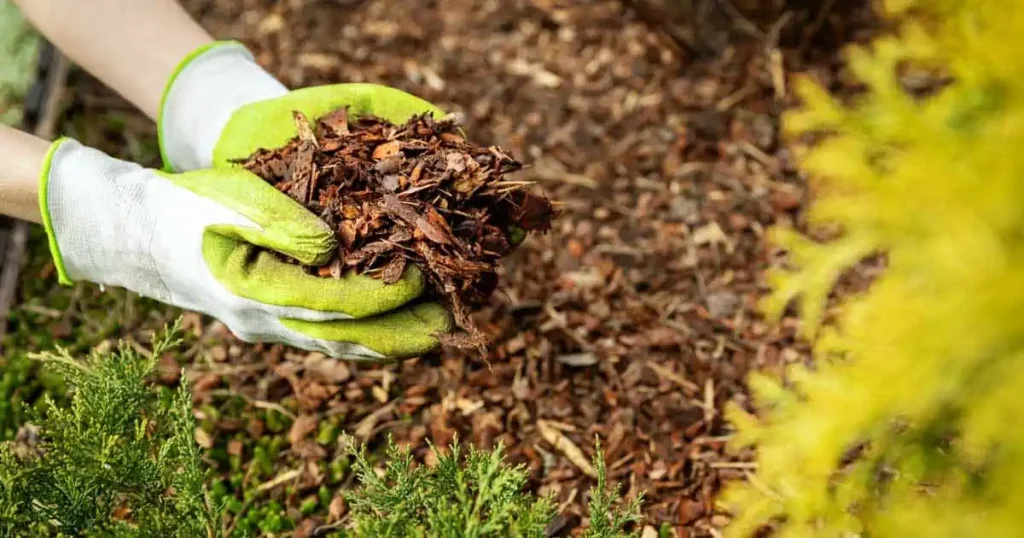
- Regulates soil temperature
- Retains moisture in dry periods
- Suppresses natural weeds
- Provides nourishment to organisms when soil breaks down
Use organic mulch such as straw, dry leaves, bark chips or grass clippings. Apply a thin layer and refresh after the season. Consistency matters more than thickness.
Choose Plants That Want to Be There
The fastest way to weaken a garden is to grow plants that combat your climate.
- Choose native or climate-adapted plants
- Choose disease-resistant varieties
- Mix annuals with perennials
- Avoid monoculture planting

Varied planting reduces the risk of complete crop failure and prevents the rapid spread of pests. Strong gardens are diverse gardens.
4. Water Deeply, Less Often
Overwatering creates shallow roots and weak plants. A resilient garden encourages roots to grow deep.
Smarter watering habits:
- Water early in the morning
- Water deeply but less frequently
- Use drip irrigation where possible
- Let the soil dry slightly between watering
Deep roots mean plants can access moisture during droughts and stay stable during heat waves.
5. Feed the Soil, Not Just the Plants
Synthetic fertilizers may give quick growth, but they often weaken long-term resilience.
Instead, focus on soil feeding:

- Compost
- Worm castings
- Compost tea
- Green manures and cover crops
When soil microbes thrive, they naturally supply plants with nutrients when needed — reducing stress and dependency.
6. Encourage Beneficial Life in Your Garden
Resilient gardens are alive with helpers.
Invite beneficial organisms by:
- Avoiding chemical pesticides
- Planting pollinator-friendly flowers
- Leaving some leaf litter for insects
- Creating small habitats like stones or logs
Ladybugs, earthworms, bees, and fungi all play vital roles in strengthening garden health.
7. Accept Imperfection and Observe
A resilient garden doesn’t look perfect, it looks balanced.

Some leaf damage, slow growth periods, and seasonal dieback are normal. Instead of reacting immediately, observe patterns:
- Which plants thrive naturally?
- Where does water collect?
- When do pests appear?
Observation helps you make smarter, gentler adjustments over time.
Common Garden Problems and Resilience-Based Solutions
| Problem | Potential Cause | Flexible / Resilience-Based Solution |
|---|---|---|
| Hard, compacted soil | Excessive digging or foot traffic | Stop tillage, add compost, mulch regularly |
| Plants grow slowly | Low microbial activity | Apply compost or worm castings |
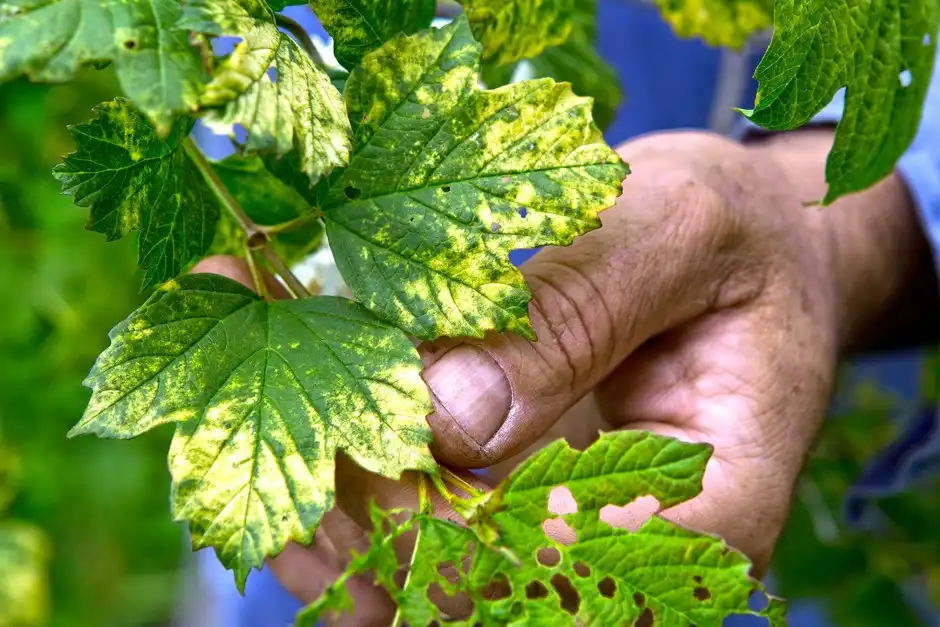
| Yellowing leaves | Poor nutrient cycling | Improve soil life, avoid chemical fertilizers |
| Surface water accumulation | Poor soil structure | Add organic matter and avoid compaction |
| Frequent pest attacks | Reduced biodiversity | Increase plant diversity, attract beneficial insects |
| Plants wilt quickly | Shallow root systems | Water deeply and less frequently |
Final thoughts: Build strength, not stress
Gradually building your garden’s resilience is not about perfection or speed. It is about working with nature rather than against it.
When you focus on soil health, plant diversity and gentle maintenance, your garden will:
- More productive
- More forgiving
- More durable
- More fun
And the best part? You’ll spend less time solving problems and more time enjoying growth.Start small. Be persistent. put your garden to work