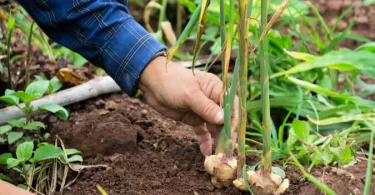
Spring is the perfect time to breathe new life into your garden. With the season of renewal comes the opportunity to cut back old growth, plant new varieties and prepare your garden for vibrant blooms and a bountiful harvest. Whether you’re a beginner or experienced gardener, this spring pruning and planting guide will help you get the most out of your garden this season.
In this blog we cover when and how to prune, what to plant in spring and common garden challenges, along with practical solutions in the troubleshooting chart.
Best Time for Spring Pruning and Planting
For most plants, dormancy ends in the spring. As the temperature rises and the amount of sunlight increases, working with clay gets easier. Because of this, now is the perfect moment to:
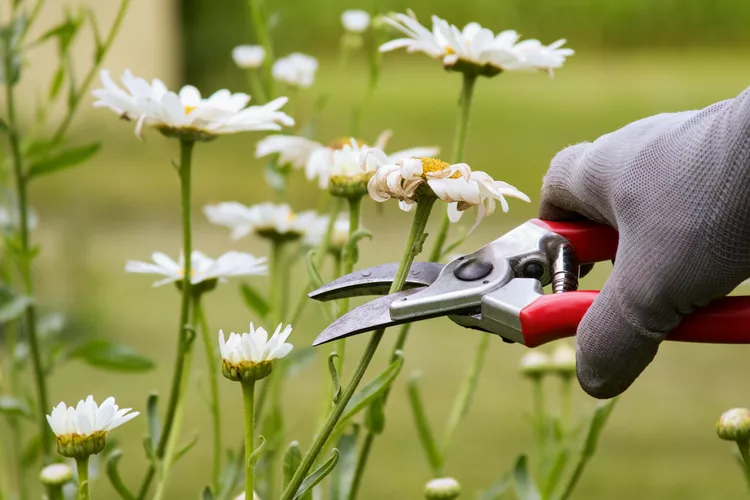
Pruning is the process of removing damaged or dead branches, shaping plants, and promoting strong new growth.
Planting: To make the most of the whole growing season, plant new shrubs, vegetables, annuals, and perennials.
Enhance the fertility and structure of the soil to promote robust roots and robust plants. Time is crucial. While planting too late can restrict growth, pruning too early can harm delicate seedlings.
Spring Pruning: Techniques for a Thriving Garden
Pruning is more than just trimming; it is a purposeful and calculated method to ensure your plants are healthy, productive and good-looking.
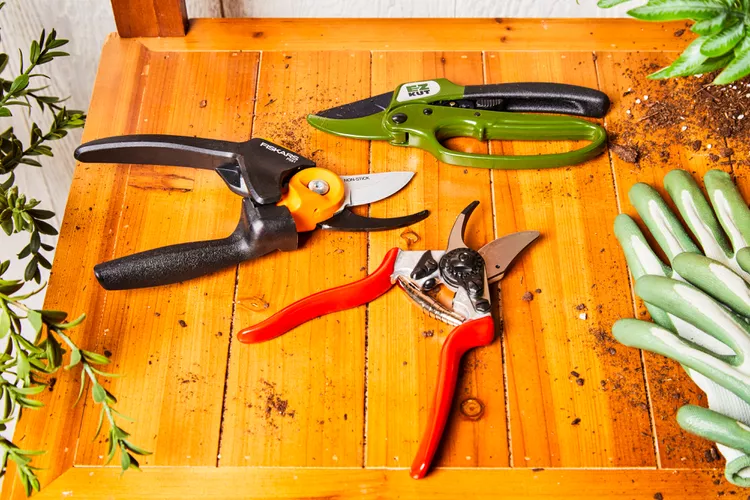
Equipment Required
- Sharp pruning shears
- Heavy-duty pruning shears for pruning the larger branches
- Gloves to protect your hands
- Disinfectants so you don’t spread disease
Ways to Divide Branches
- Dead or Damaged Branches (Cut off any that are brown or broken or diseased)
- To Shape Plants (Trim branches so they will look pleasing and do not create clusters) – Use pruning shears to shape or develop plants.
- To Encourage Growth (Shrubs and perennial flowers should have their old growth trimmed off so new shoots can grow) – Use the shears to cut back old growth to create new shoots.
Common Errors

- Cutting Too Close to the Main Stem (Will Cause Rot)
- Pruning at the wrong time (i.e. Pruning in spring can damage early buds)
- Too Much Pruning (Will Stress the Plant)
PROFESSIONAL TIP: Use 45-degree angled cuts to create clean cuts; the 45-degree angle will also assist in healing and infection avoidance.
Spring Planting: What to Grow
Spring is versatile for planting a wide range of plants, from flowers to vegetables. Here’s what works best:
1. Vegetables
- Cool-Season Crops: Lettuce, spinach, peas, broccoli
- Warm-Season Crops: Tomatoes, peppers, zucchini (plant after last frost)
2. Flowers

- Annuals: Petunias, marigolds, pansies
- Perennials: Lavender, coneflowers, hostas
3. Herbs
- Basil, parsley, cilantro, chives; spring provides ideal conditions for aromatic herbs.
4. Shrubs and Trees
- Spring is perfect for transplanting young shrubs and trees as they adjust before summer heat.
Tip: Consider companion planting to maximize garden space and boost plant health naturally.
Soil Preparation for Spring Success
Healthy soil is the foundation of a thriving garden. How to prepare it:

- Remove debris: Remove fallen leaves, old mulch and dead plants.
- Loosen the soil: Use a fork or tiller to aerate compacted soil.
- Add nutrients: Compost, organic manure or castings enrich the soil.
- Check the pH level: Most vegetables and flowers thrive in slightly acidic to neutral soil (pH 6-7).
Remember: Good soil reduces plant stress and improves water retention, resulting in stronger roots and healthier flowers.
Troubleshooting Common Spring Gardening Problems
Even experienced gardeners encounter challenges. The table below helps you diagnose and fix common spring gardening issues:
| Problem | Possible Cause | Solution |
|---|---|---|
| Slow plant growth | Poor soil quality or compacted soil | Add compost, loosen soil, ensure proper watering |
| Yellowing leaves | Overwatering, nutrient deficiency, or low microbial activity | Check water levels, apply balanced organic fertilizer, boost soil life |
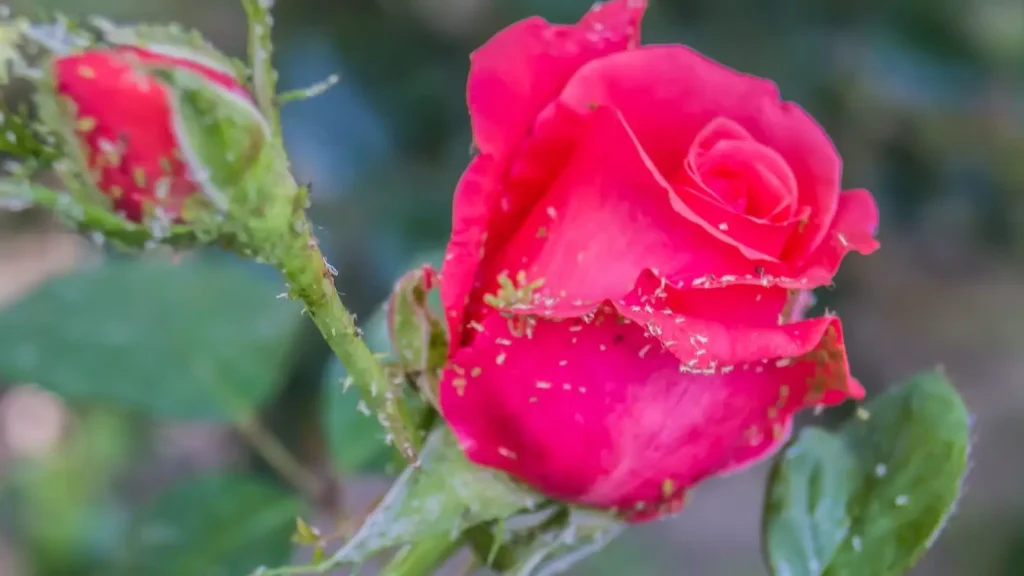
| Pests (aphids, slugs) | Warm, moist conditions | Use organic pest control, introduce beneficial insects |
| Fungal diseases | Poor air circulation or overwatering | Prune crowded branches, improve drainage, apply natural fungicides |
| Flower buds dropping | Stress from temperature changes or nutrient deficiency | Mulch to stabilize soil temperature, feed with bloom-boosting fertilizer |
Conclusion
Spring is a new beginning for your garden. By following this spring pruning and planting guide, you can remove dead growth, plant new varieties, enrich the soil and troubleshoot problems before they develop. Healthy plants, vibrant flowers and bountiful harvests are within reach if you plan carefully and prune wisely.
Investing time in spring gardening pays off throughout the season. So grab your tools, prepare the soil, and make this spring your most productive yet!