Imagine your stunning rose bush — weeks ago, the glistening green foliage was so full of life and the flowers were just beginning to bloom — and now those same rose leaves turning yellow and falling as if it were autumn in the summer. It’s quite upsetting, and all you can think is, “What happened to my rose bush?
In this surprising guide, I will explain some of the most common reasons for yellowing rose leaves and give some suggestions for how to fix the problem quickly and simply. This information may be beneficial if you’re a first time gardener in the US or the UK or anywhere else. Let’s rescue those roses!
Rose Leaves Turning Yellow? The Shocking Truth
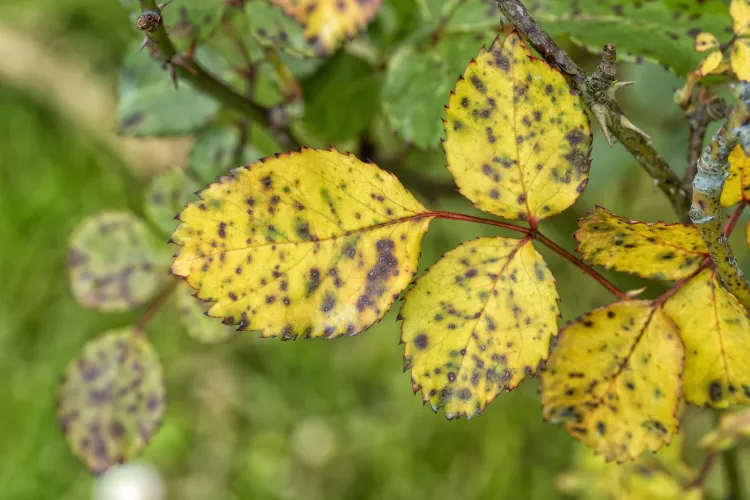
When rose leaves turn yellow (chlorosis or general yellowing), it’s usually a cry for assistance rather than a death sentence. Common causes of the plant’s stress include improper watering, undetected nutrient problems, cunning pests, and diseases that appear out of the blue.
The good news? The majority of causes can be resolved with minor changes. Let’s examine the startling causes of yellow leaves and how to immediately address them, as neglecting them can result in defoliation, feeble blooms, or even plant death.
1. Overwatering or Poor Drainage – The Silent Killer
Unbelievably, in many situations, roses detest “wet feet” more than drought! One of the main causes of yellow leaves is overwatering, which results in oxygen starvation and root rot.
Symptoms include wilting despite moist soil, mushy roots if you dig, and bright yellow leaves (usually the lower ones first).
Repairs:

- Verify drainage, make sure pots have holes, and add sand or compost to heavy clay soil.
- Water sparingly but thoroughly (1-2 inches per week, more in hot weather).
- In between waterings, allow the top 2 inches of soil to dry.
- Mulch to hold onto moisture without becoming soggy.
2. Underwatering or Drought Stress
Unusual watering in hot weather can cause roses to turn a striking shade of yellow, with the edges turning brown first and the entire leaf turning crisp and yellow.
Symptoms include wilting, stunted buds, and yellowing with brown tips.
Repairs:
- Avoid wetting the leaves by soaking deeply at the base.
- Water in the morning to allow the foliage to dry.
- Apply a lot of mulch to retain moisture.
3. Nutrient Deficiencies – Especially Iron and Nitrogen

Shocking fact: High pH soil “locks up” iron, causing interveinal chlorosis (yellow leaves with green veins) – common in alkaline areas!
Symptoms:
- Iron: Young leaves yellow, veins green.
- Nitrogen: Overall pale/yellow, older leaves first.
- Magnesium: Similar to iron but older leaves.
Fixes:
- Test soil pH (aim 6.0-6.5).
- For iron: Apply chelated iron or Epsom salts (magnesium sulfate) foliar spray.
- Balanced rose fertilizer (high nitrogen early, then bloom formula).
4. Black Spot Disease – The Classic Culprit
Shocking fact: This fungal disease causes yellow halos around black spots, leading to massive leaf drop if untreated.
Symptoms: Black spots with yellow borders, leaves drop prematurely.

Fixes:
- Remove and destroy affected leaves.
- Improve airflow (prune, space plants).
- Spray neem oil, baking soda mix, or organic fungicide preventively.
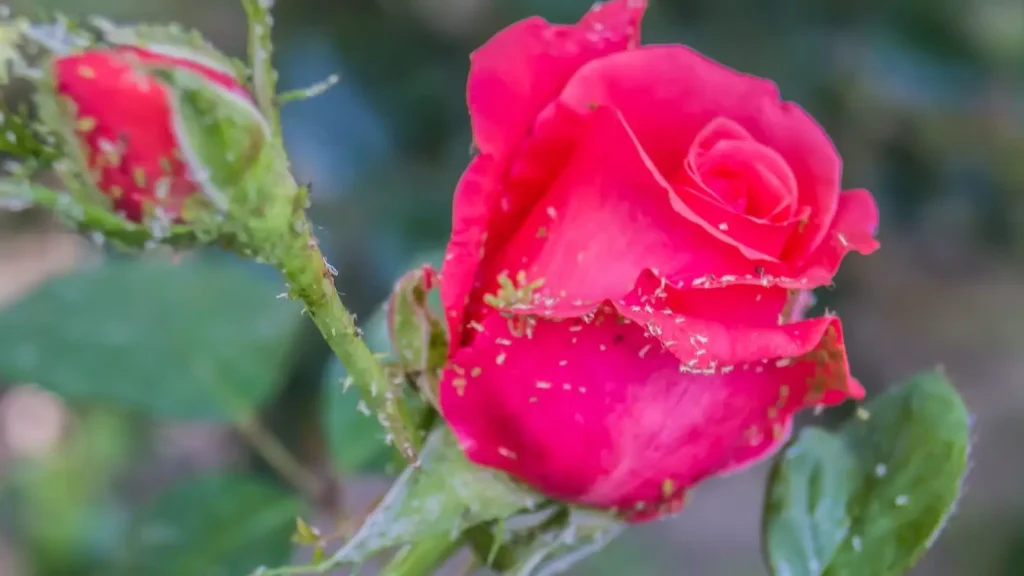
5. Pests Like Spider Mites or Aphids
Shocking fact: Tiny spider mites cause dull yellow stippling that looks like nutrient issues – often under leaves!
Symptoms: Yellow speckles, webbing, leaf drop.
Fixes:
- Encourage ladybugs.
- Blast undersides with strong water hose.
- Use insecticidal soap or neem oil.
6. Lack of Sunlight or Shade Stress

Shocking fact: Roses need 6-8 hours of direct sun – too much shade causes pale/yellow leaves and weak blooms.
Fix:
- Relocate or prune overhanging branches.
- Choose shade-tolerant varieties if needed.
7. Heat Stress or Extreme Temperatures
Shocking fact: In very hot zones, roses yellow from heat despite water – foliage scorches.
Fix:
- Afternoon shade in extreme heat.
- Consistent deep watering.
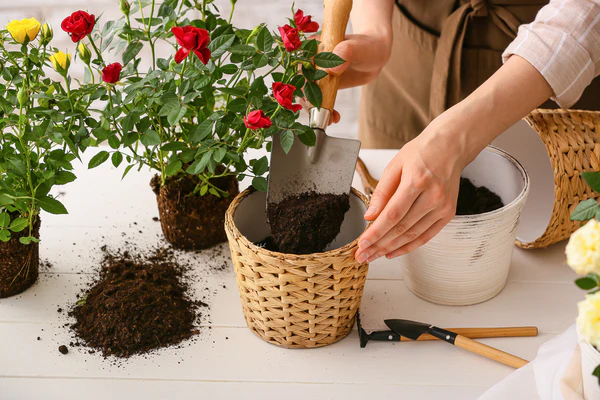
8. Root Damage or Transplant Shock
Shocking fact: After repotting or planting, yellowing is common from root disturbance.
Fix:
- Give time to recover.
- Water carefully; avoid fertilizer first weeks.
Quick Troubleshooting Table: Diagnose & Fix Yellow Rose Leaves Fast
Here’s a handy table summarizing the shocking causes and immediate fixes:
| Cause | Key Symptoms | Shocking Factor | Quick Fixes & Prevention |
|---|---|---|---|
| Overwatering / Poor Drainage | Bright yellow leaves, wilting, mushy roots | Roses hate soggy roots more than dry! | Improve drainage; water deeply/infrequently; mulch |
| Underwatering / Drought | Yellow edges → brown tips, wilting | Inconsistent water stresses more than total dry | Deep soak base; mulch; morning watering |
| Iron Deficiency (Chlorosis) | Yellow leaves, green veins (young leaves) | High pH locks iron – common in alkaline soil | Chelated iron; lower pH with sulfur; foliar spray |
| Nitrogen Deficiency | Pale/yellow older leaves, weak growth | Roses are heavy feeders – starvation yellows fast | Balanced rose fertilizer; compost top-dress |
| Black Spot Disease | Black spots + yellow halos, leaf drop | Fungal spread via wet leaves – epidemic potential | Remove infected; neem/baking soda spray; good airflow |
| Spider Mites / Aphids | Stippled/dull yellow, webbing under leaves | Invisible pests mimic nutrient issues | Hose blast; insecticidal soap; beneficial insects |
| Lack of Sunlight | Pale/yellow overall, leggy growth | Roses need sun – shade starves them | 6-8 hours direct sun; prune shade sources |
| Heat Stress | Yellow scorched leaves in extreme heat | Even tough roses yellow in prolonged 100°F+ | Afternoon shade; consistent water; mulch |
| Transplant / Root Shock | Sudden yellowing after planting/repot | Roots need time to establish | Gentle water; no fertilizer first weeks; protect from extremes |
Use this table to match your symptoms – most issues resolve quickly!
Prevention Tips: Keep Rose Leaves Green All Season
- Test soil pH/nutrients annually.
- Water at base; mulch heavily.
- Prune for airflow; deadhead regularly.
- Fertilize seasonally (spring nitrogen, summer bloom boost).
- Monitor weekly – catch issues early.
- Choose disease-resistant roses.
Bring Your Roses Back to Life Today!
Yellow rose leaves are shocking but rarely fatal – act fast with these fixes, and your bushes will reward you with vibrant green foliage and endless blooms. Start by inspecting your plant today: check watering, light, and undersides for pests.
Your roses are resilient – give them what they need, and they’ll thrive! What’s causing your yellow leaves? Share your story or photos in the comments – let’s help each other grow stunning roses.
Happy gardening – here’s to green leaves and gorgeous blooms!