Sick of limp, overpriced bagged lettuce from the store that goes bad in days? Well, just imagine growing beautiful, crisp vegetables (like lettuce) from your kitchen countertop or balcony year-round without any soil mess; hydroponic lettuce grows 30-50% faster than a traditional garden, and it requires 90% less water. Plus, hydroponic lettuce is the cleanest and safest way to grow produce without using pesticides. We will provide you with a proven step-by-step guide on how to start growing your own hydroponic lettuce (from simple DIY Kratky setups to fully developed commercial systems),
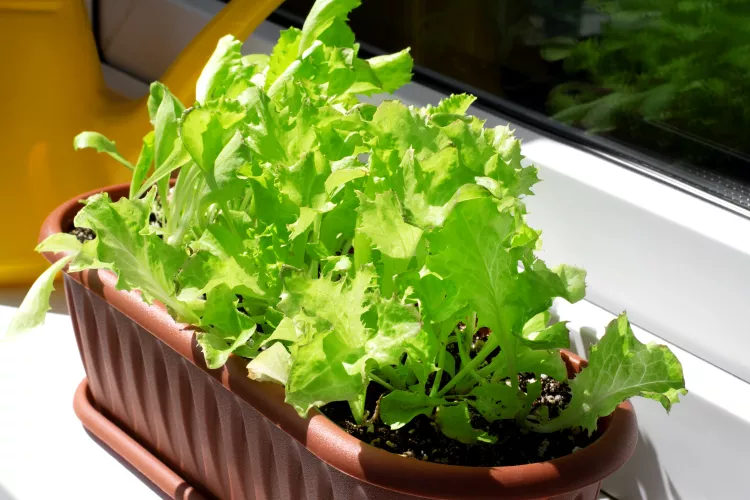
Best Hydroponic Systems for Lettuce Beginners
You don’t need fancy gear to start. Here are proven options:
- Kratky Method (Passive, Cheapest DIY): No pump! Roots dangle in nutrient solution; water level drops as plants drink. Perfect first project.
- Deep Water Culture (DWC): Plants float on rafts in oxygenated water (add air stone/pump).
- Nutrient Film Technique (NFT): Thin film of nutrient water flows over roots in channels.
- Ready-Made Systems: AeroGarden Bounty, Click & Grow Smart Garden 9 Pro, Lettuce Grow Farmstand Nook, or Gardyn – automated lights, pumps, and apps.
Top picks include Lettuce Grow Farmstand (beautiful tower for 18-36 plants) and Click & Grow (super simple pods for beginners).
Step-by-Step: How to Start Hydroponic Lettuce
1. Gather Supplies

- Seeds: Fast, bolt-resistant loose-leaf types such as Buttercrunch, Black Seeded Simpson, or Salanova.
- Growing medium: Hydroton clay pebbles, coco coir plugs, or cubes of rockwool.
- Containers: Pre-made kits, buckets, totes, or net pots for do-it-yourself projects.
- Nutrients: Hydroponic formula suitable for beginners (e.g., General Hydroponics Flora Series or Masterblend lettuce recipe).
- A pH/EC meter is necessary for making adjustments.
- Lights: Full-spectrum LED grow lights (12–16 hours per day, if indoors).
- Stone or air pump (for active systems).
2. Germinate Seeds
- Soak rockwool cubes in pH-adjusted water (5.5-6.5).
- Place 2-3 seeds per cube; cover lightly.
- Keep warm (70-75°F) and humid (dome or tray cover).
- Germination in 3-7 days; thin to strongest seedling.
3. Set Up Your System
- Kratky Example: Fill bucket with nutrient solution; suspend net pot so roots touch water initially.
- Add seedlings when roots show (2-3 weeks old).
- Place in bright spot or under lights.
4. Nutrient Solution Basics
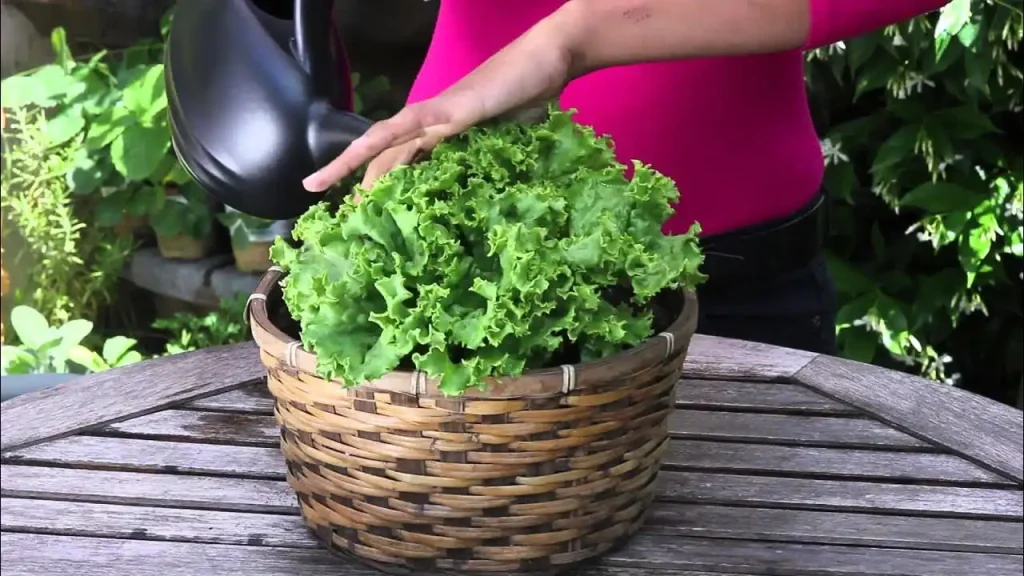
Lettuce prefers lighter feed:
- pH: 5.8-6.2 (ideal 6.0) – test daily/weekly; adjust with pH up/down.
- EC/PPM: 0.8-1.6 mS/cm (800-1600 PPM) – start low for seedlings (0.8-1.0), increase to 1.2-1.6 for mature plants.
- Simple recipe (Masterblend-style for 5 gallons): 10-11g Masterblend 4-18-38 + 10-14g calcium nitrate + 5-6g Epsom salt. Dissolve separately, mix, adjust pH/EC.
Change solution every 1-2 weeks or top off as needed.
5. Lighting & Environment
- Indoors: 12-16 hours of grow lights (6500K full-spectrum).
- Outdoors/balcony: Bright indirect light; protect from extreme heat.
- Temperature: 60-75°F day; avoid over 85°F (causes bolting).
6. Maintenance Tips
- Monitor pH/EC daily at first.
- Top off water; change fully periodically.
- Prune roots if they clog (some systems).
- Ensure good oxygenation (bubbles in active systems).
Harvesting Your Hydroponic Lettuce

- Baby greens: Harvest outer leaves at 3-4 weeks (cut-and-come-again).
- Full heads: 5-8 weeks; cut at base.
- Regrow stumps in water for bonus greens!
Store in fridge crisper for 1-2 weeks.
Troubleshooting Common Hydroponic Lettuce Problems
Hydro issues are fixable – catch them early! Here’s a quick table:
| Problem | Symptoms | Causes | Solutions |
|---|---|---|---|
| Tip Burn / Brown Edges | Crispy, brown leaf tips | High EC/salt buildup, calcium deficiency, pH drift | Lower EC; flush system; check pH 5.8-6.2; add calcium source |
| Yellowing Leaves | Pale/yellow leaves (older first) | Nutrient deficiency (N, Mg), root issues | Adjust nutrients; check roots for rot; ensure oxygenation |
| Root Rot / Brown Roots | Slimy, brown roots; wilting plants | Low oxygen, warm water, pathogens | Add air stone; lower temp; clean system; trim bad roots |
| Slow Growth / Stunting | Small plants, delayed maturity | Low EC/light/temp, pH lockout | Increase EC gradually; more light hours; fix pH |
| Bolting (Flowering) | Tall stem, bitter taste | Heat stress (>80°F), long days | Cooler temps; shade; harvest early; choose bolt-resistant varieties |
| Algae Growth | Green slime in reservoir/tubes | Light exposure to water | Opaque containers; cover reservoir; clean regularly |
| Wilting Despite Water | Droopy leaves | Root rot, pump failure, low oxygen | Check roots/pump; aerate solution; flush if needed |
| Nutrient Burn | Dark green leaves, burned tips | High EC/nutrient concentration | Dilute solution; flush with plain pH’d water |
| Leggy/Stretchy Growth | Tall, weak stems | Insufficient light | Closer/more intense grow lights; 14-16 hours/day |
| No Germination | Seeds don’t sprout | Old seeds, dry medium, wrong temp | Fresh seeds; keep moist/humid; 70-75°F |
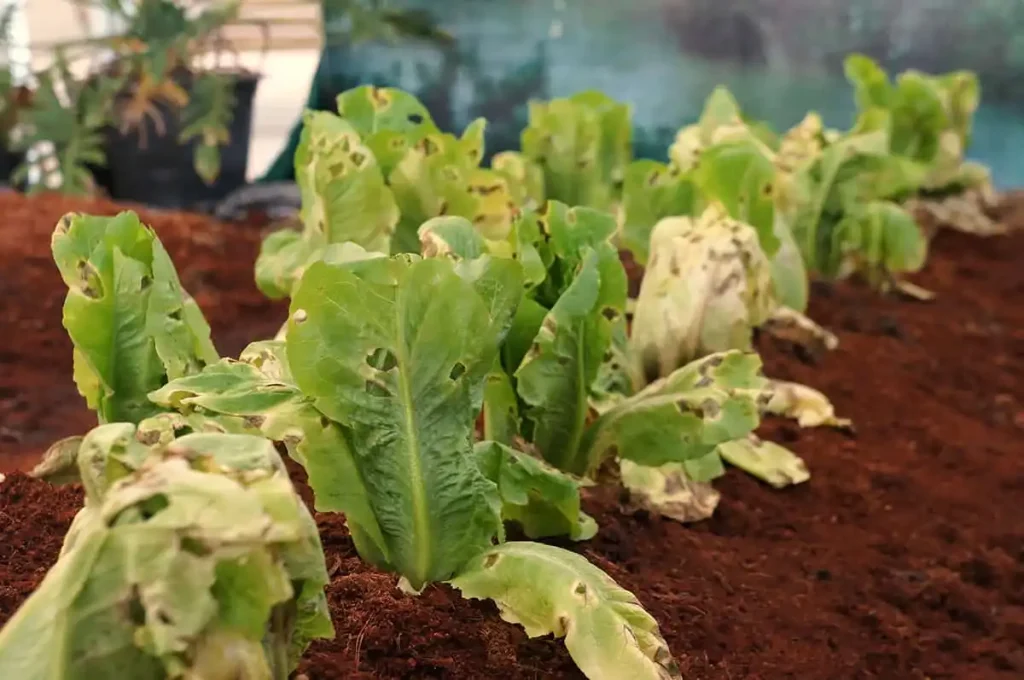
Weekly checks prevent most headaches!
Start Your Hydroponic Lettuce Journey Today!
Hydroponically growing lettuce at home is easy, satisfying, and addictive, you can have fresh salads in a matter of weeks with little work. Start by gathering seeds and a simple kit (or homemade bucket). Awaiting you is your countertop farm!
Which hydroponic project was your first? Please leave any questions or advice in the comments section. Happy growing!