Grow lettuce in pots indoors opens up a world of fresh, crispy greens right at your fingertips. You’ll discover the joy of harvesting homegrown lettuce year-round, regardless of outdoor weather conditions or limited garden space.
When you grow lettuce in pots, you’ll appreciate how easy it is to maintain healthy plants indoors.
Indoor lettuce gardening brings remarkable benefits:
- Fresh Supply: Harvest crisp lettuce leaves whenever you need them
- Cost-Effective: Save money on expensive store-bought greens
- Pest-Free Environment: Protection from common garden pests
- Space-Efficient: Perfect for apartments, small homes, or urban settings
- Year-Round Growing: No seasonal limitations
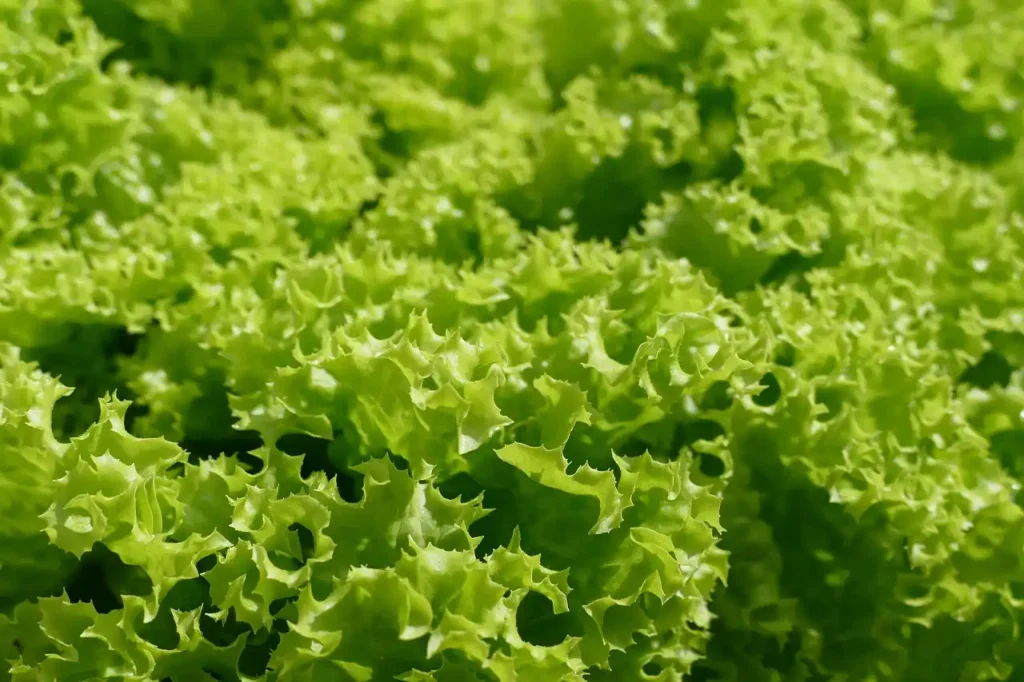
The process of growing lettuce in pots indoors is straightforward. You’ll need the right container, well-draining soil, adequate light, and proper watering techniques. With these elements in place, you can start your indoor lettuce garden in just a few simple steps.
Ready to start your indoor lettuce growing journey? Let’s dive into the essential steps to create your thriving container garden filled with fresh, nutritious lettuce varieties.
Choosing the Right Lettuce Varieties for Indoor Pots
Selecting suitable lettuce varieties determines your indoor growing success. Here are the best options for container cultivation:
Loose-leaf Varieties:
Make sure to choose the right variety of lettuce to grow lettuce in pots effectively.
Learning how to grow lettuce in pots will save you money and provide fresh produce.
Before you get started, consider the best practices to grow lettuce in pots successfully.
Choosing the right type of lettuce is critical when you grow lettuce in pots.
- Green Oak Leaf – Quick-growing with tender, mild-flavored leaves
- Red Oak Leaf – Adds color variety with burgundy-tinged foliage
- Butter Lettuce – Compact heads perfect for small spaces
Baby Leaf Types:
- Red Sails – Ready to harvest in just 3-4 weeks
- Parris Island – Dense, crisp leaves ideal for continuous harvesting

These varieties thrive in pots because they:
- Develop shallow root systems
- Allow multiple harvests from the same plant
- Grow compactly without requiring extensive space
- Mature quickly for faster yields
Loose-leaf and baby leaf varieties let you harvest outer leaves while inner leaves continue growing – a technique called “cut-and-come-again” that maximizes your indoor growing space.
Selecting the Right Container for Grow Lettuce in Pots Indoors
Choosing the right container is crucial for successfully growing lettuce indoors. Here’s what you need to know:
Make sure to research how to grow lettuce in pots before planting your seeds.
Essential Container Requirements:
- Minimum capacity of 3 gallons
- Depth of 10-12 inches
- Multiple drainage holes at the bottom
- Width of 12-18 inches

Container Material Options:
- Lightweight and affordable plastic pots
- Attractive but heavier ceramic containers
- Fabric grow bags for excellent air pruning
- Self-watering containers for consistent moisture
While the material of the container is important, its size and drainage capabilities are even more critical. Lettuce roots require enough space to spread and develop properly. If you’re using recycled containers, make sure to drill additional drainage holes to prevent water from pooling at the bottom.
To ensure a continuous supply of lettuce, consider setting up multiple containers in your growing space. This will allow you to stagger your plantings and maintain a steady harvest cycle.
Preparing the Potting Mix and Soil Conditions
Your lettuce plants need nutrient-rich soil to thrive indoors. Create an ideal growing medium by mixing:
- 60% high-quality potting soil
- 20% compost or aged manure
- 20% perlite or vermiculite
The potting mix should be light, well-draining, and rich in organic matter. Avoid using garden soil, which can compact and harbor diseases. Your soil pH should range between 6.0 and 7.0 for optimal nutrient absorption.

Pro tip: Add a thin layer of worm castings to boost soil fertility naturally. This organic amendment provides essential nutrients and beneficial microorganisms that help your lettuce develop strong, healthy roots.
Test soil moisture by inserting your finger about an inch deep – the mix should feel consistently damp but never waterlogged. Good drainage prevents root rot and other moisture-related issues that can affect your indoor lettuce crop.
Planting Lettuce Seeds in Pots
Lettuce seeds need a gentle touch during planting. Here’s how to sow them correctly:
- Create shallow furrows in your prepared soil, about ¼ inch deep
- Space seeds 1 inch apart in rows
- Cover seeds with a thin layer of potting mix – just enough to shield them from light
- Press soil gently with your palm to ensure good seed-to-soil contact
Pro tip: Mix tiny lettuce seeds with fine sand before sowing. This technique helps distribute them evenly and prevents overseeding.
For indoor container growing, you can also:
- Broadcast seeds across the pot’s surface
- Mist the soil surface to settle seeds
- Use a seed dispenser for precise placement
Remember to label your containers with the variety name and planting date for better tracking of growth progress.
Watering and Moisture Management
Lettuce plants thrive with consistent moisture levels in their soil. You’ll need to water your indoor lettuce daily, keeping the soil moist but never waterlogged. Here’s how to maintain the perfect balance:
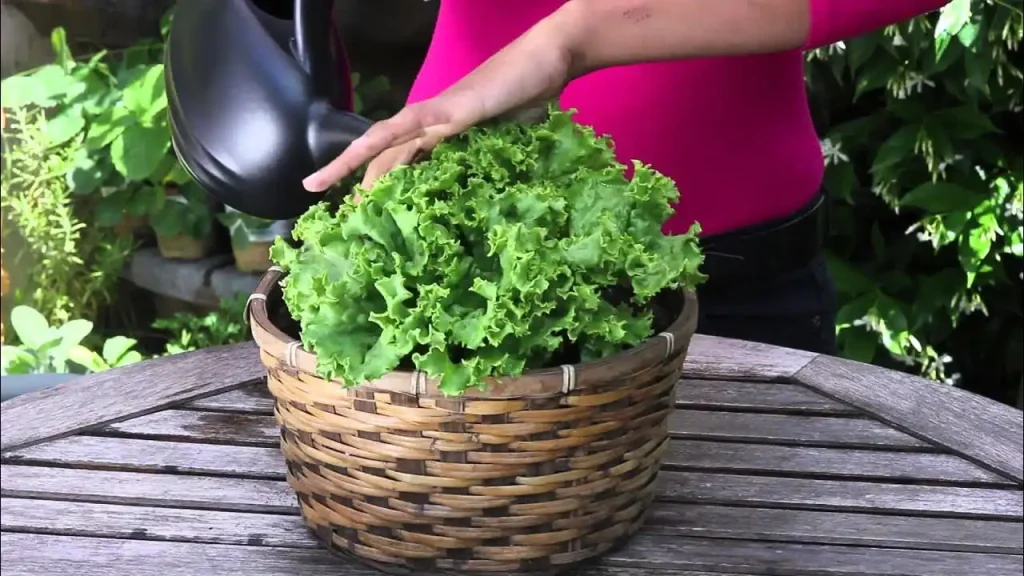
- Morning watering – Water your lettuce plants early in the day to prevent overnight dampness
- Bottom watering method – Place the pot in a shallow tray of water for 10-15 minutes
- Moisture testing – Insert your finger about an inch into the soil – it should feel like a wrung-out sponge
A spray bottle helps maintain humidity through light misting of the leaves. The soil surface should never completely dry out between waterings, as this can lead to bitter-tasting leaves and stunted growth. Watch for signs of overwatering:
- Yellowing leaves
- Wilting despite wet soil
- Mold growth on soil surface
Proper soil mix plays a vital role in how well you can grow lettuce in pots.
Providing Adequate Light for Indoor Lettuce Growth
Light is essential for lettuce growth. Your indoor lettuce needs at least 6 hours of direct sunlight every day to thrive. For the best natural light exposure, position your pots near south-facing windows.
When natural sunlight isn’t enough, full-spectrum grow lights are a great alternative:
- Place LED grow lights 6-12 inches above your lettuce plants
- Keep the lights on for 12-14 hours each day
- Use timer switches to maintain consistent light schedules
- Select lights with adjustable heights to accommodate plant growth
Light intensity is important: When you place your hand at plant level, the lettuce leaves should feel slightly warm, but not hot. Look out for signs of insufficient lighting, such as:
- Leggy, stretched-out stems
- Pale, yellowish leaves
- Slow growth rates
- Plants leaning toward light sources
To ensure even light distribution and prevent plants from growing sideways, remember to rotate your pots quarter-turns every week.
Growing lettuce in pots requires careful attention to watering and soil conditions.

Temperature and Humidity Control for Healthy Lettuce Plants
Your indoor lettuce plants thrive in specific temperature ranges. The ideal temperature for growing lettuce indoors sits between 55°F and 65°F (13°C to 18°C). Higher temperatures can cause your lettuce to bolt prematurely, resulting in bitter-tasting leaves.
To grow lettuce in pots, utilize the best available techniques for planting.
Keep your growing space well-ventilated to maintain proper humidity levels. You can:
- Use a small fan to circulate air around your plants
- Place a humidity tray filled with pebbles and water near your containers
- Mist your plants lightly during particularly dry days
Watch for signs of temperature stress in your lettuce:
- Wilting leaves indicate excessive heat
- Stunted growth suggests temperatures are too cold
- Yellow or brown leaf edges might signal low humidity
Consider using a basic thermometer and humidity monitor to track your growing environment’s conditions.
Thinning Seedlings and Encouraging Strong Growth
Thinning your lettuce seedlings is crucial for developing robust, healthy plants. Start this process when your seedlings reach about 2 inches in height, typically 10-14 days after germination.
Here’s how to thin your seedlings effectively:
- Select the strongest seedlings – look for thick stems and vibrant leaves
- Space remaining plants 4-6 inches apart for full-sized lettuce
- Leave 2-3 inches between plants for baby leaf varieties
- Remove unwanted seedlings by gently pulling them out
- Cut weak seedlings at soil level with clean scissors to avoid disturbing root systems

Pro Tip: Don’t discard your thinned seedlings – these tender microgreens make excellent additions to salads and sandwiches.
While you learn to grow lettuce in pots, monitor moisture levels closely.
After thinning, strengthen your remaining plants by:
- Providing gentle air circulation with a small fan to simulate wind, which is beneficial for plant growth as suggested in this Quora discussion.
- Maintaining consistent soil moisture
- Adding diluted organic fertilizer every two weeks
- Removing any yellowing or damaged leaves promptly
Harvesting Lettuce Grown Indoors in Pots
You’ll know your indoor lettuce is ready for harvest when the leaves reach 4-6 inches in length. Here’s the best method to harvest your lettuce for continuous growth:
- Cut outer leaves 1-2 inches above the soil level using clean, sharp scissors
- Leave the center leaves intact to continue growing
- Harvest in the morning hours when leaves are most crisp
- Pick leaves regularly to encourage new growth
Pro Tip: Don’t pull the entire plant unless you’re done with that crop. The “cut-and-come-again” method allows your lettuce to regrow, giving you multiple harvests from a single planting.
For baby leaf varieties, start harvesting when leaves reach about 3 inches tall. These tender leaves offer the sweetest flavor and most delicate texture for your salads.
Remember to wash your harvested leaves thoroughly before eating, even when grown indoors. Store them in a plastic bag with a paper towel to absorb excess moisture.

Succession Planting For Continuous Indoor Lettuce Supply
Want fresh lettuce available at your fingertips year-round? Succession planting is your secret weapon. Here’s how to maintain a steady supply of indoor lettuce:
Basic Timeline for Succession Planting:
- Plant new lettuce seeds every 2-3 weeks
- Start your next batch when current plants reach 2 inches tall
- Maintain 3-4 active growing containers at different stages
Pro Tips for Successful Succession:
- Label each container with planting dates
- Track harvest times to optimize your planting schedule
- Dedicate specific areas for different growth stages
- Rotate container positions to ensure equal light distribution
You can maximize your indoor growing space by removing mature plants as soon as they’re harvested. This strategy creates room for new seedlings and maintains a continuous cycle of fresh, homegrown lettuce throughout the year.
Advantages of Growing Lettuce Indoors in Containers
Growing lettuce indoors offers unique benefits that make it an attractive option for year-round gardening:
- Pest-Free Environment: Your indoor lettuce remains protected from common garden pests like slugs, snails, and aphids, reducing the need for pesticides
- Climate Control: You control the growing conditions, including temperature and humidity, creating an ideal environment for lettuce growth
- Space Efficiency: Container gardening allows you to maximize limited space, making it perfect for apartments or small homes
- Accessibility: Indoor containers bring your garden closer to your kitchen, making harvesting and maintenance more convenient
- Clean Growing: Indoor container growing reduces exposure to soil-borne diseases and contamination from outdoor elements
- Year-Round Growing: Indoor conditions allow you to grow fresh lettuce regardless of outdoor weather conditions or seasonal changes
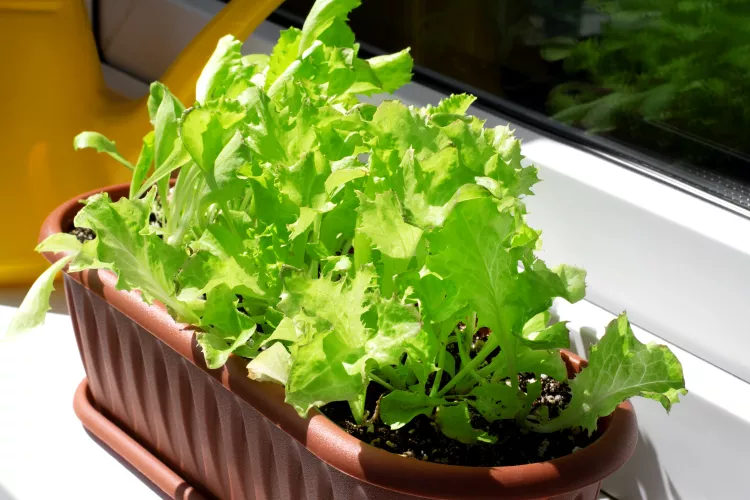
Troubleshooting Common Issues When Growing Lettuce Indoors in Pots
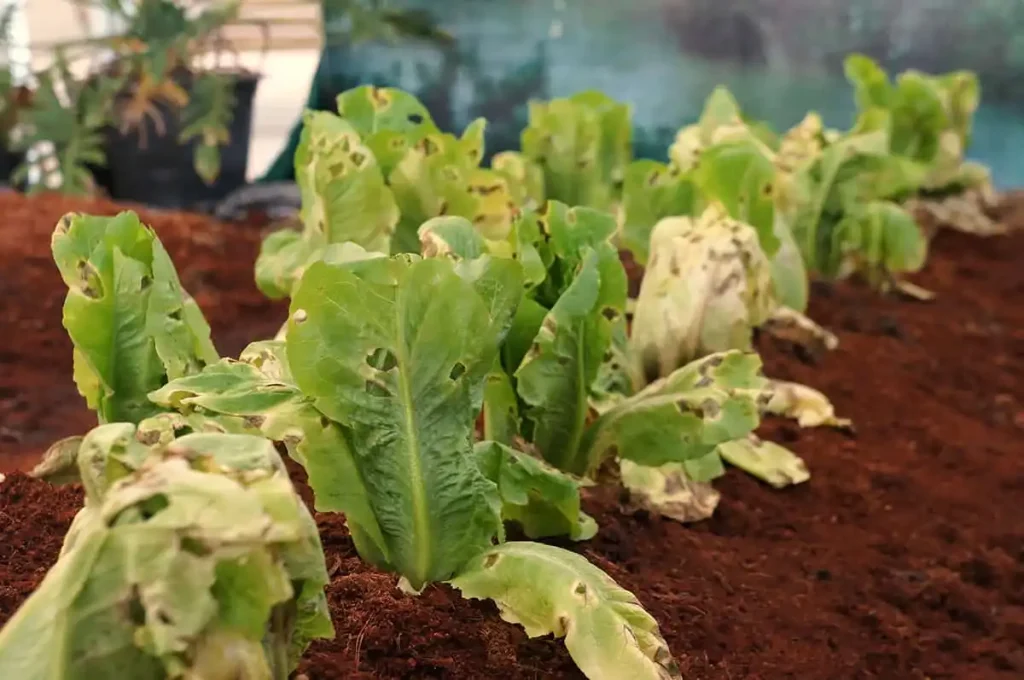
Growing lettuce indoors can present specific challenges. Here’s how to address common problems:
Leggy, Stretched Plants
- Move plants closer to light source
- Adjust grow light height to 4-6 inches above plants
- Reduce room temperature below 70°F
Yellow or Brown Leaves
- Check soil moisture – adjust watering schedule
- Ensure proper drainage
- Remove affected leaves promptly
Bitter-Tasting Lettuce
- Harvest before plants bolt
- Keep growing area cool
- Pick leaves during morning hours
Common Indoor Pests
- Inspect leaves weekly for aphids
- Use sticky traps for fungus gnats
- Wipe leaves with mild soap solution if needed
Slow Growth
- Check nutrient levels in soil
- Maintain consistent temperature
- Ensure adequate spacing between plants
Conclusion
Growing lettuce in pots indoors is a simple and rewarding way to enjoy fresh, homegrown greens year-round. With the right container, soil, light, and care, you can harvest crisp, healthy leaves right from your kitchen or balcony. Stay consistent with watering and harvesting, and you’ll have a thriving supply of lettuce at your fingertips!