Intense and prolonged periods of heat such as those associated with summertime heat waves can have a catastrophic impact on vegetable gardens; We can protect vegetable plants during summer heatwave; what used to be a flourishing vegetable garden can be transformed into a terribly distressed oasis with crops failing to produce or producing very low quantities due to exposure to extreme heat conditions (i.e., tomatoes without blossoms, peppers scorched by sun, lettuce bolting, zucchini wilting, etc.) as a direct result of extreme heat causing extreme stress on the plants, reducing yields, and killing tender crops when proper procedures were not developed.
It is important to note that there are many successful methods/strategies we can utilize to help us protect our vegetables from temperatures above 100, which means we can continue harvesting fresh fruits/vegetables all summer long even when it is extremely hot.
In this guide, we provide relevant proven techniques/solutions (e.g. mulch, shade, watering) to provide protection from the heat to your vegetable plants and will apply to residents of US, UK, Canada, and anyone else in a location experiencing extreme summer temperatures.
So, let’s get started to make your vegetable garden heatwavekill-proof.
Why Heatwaves Harm Vegetable Plants (And Signs to Watch For)
Heat stress is brought on by high temperatures (above 90–95°F/32–35°C), low humidity, and strong sunlight. In order to preserve water, plants close their stomata, which slows growth and photosynthesis. In hot soil, roots struggle, and pollination is unsuccessful (hello, tomato blossom drop!).
Typical indicators of heat stress:
- Drooping or wilting leaves (even in damp soil)
- Curling, yellowing, or burning edges of leaves
- Poor fruit set or blossom drop
- Sunscald (fruits with white or gray patches)
- Bolting in greens, such as spinach and lettuce that are going to seed
- Diminished yields or small, deformed vegetables
Permanent harm is avoided by taking prompt action. Prioritize keeping hydrated, minimizing sun exposure, and cooling the soil.
1. Mulch Heavily – Your Garden’s Best Heat Shield

Mulch is the #1 defense against heat. A thick layer (3-4 inches) insulates soil, keeps roots cooler, retains moisture, and prevents evaporation.
Best mulches for veggies:
- Straw or hay (light, breathable)
- Grass clippings (untreated)
- Shredded leaves or compost
- Pine needles (for acid-loving plants)
- Wood chips (avoid fresh for veggies)
Apply after watering; keep 1-2 inches away from stems to prevent rot. Mulch can drop soil temps by 10-20°F!
2. Water Deeply and Smartly – Timing Is Everything
Shallow watering quickly evaporates during heat waves. Strong roots are encouraged by deep, infrequent watering.
Advice:
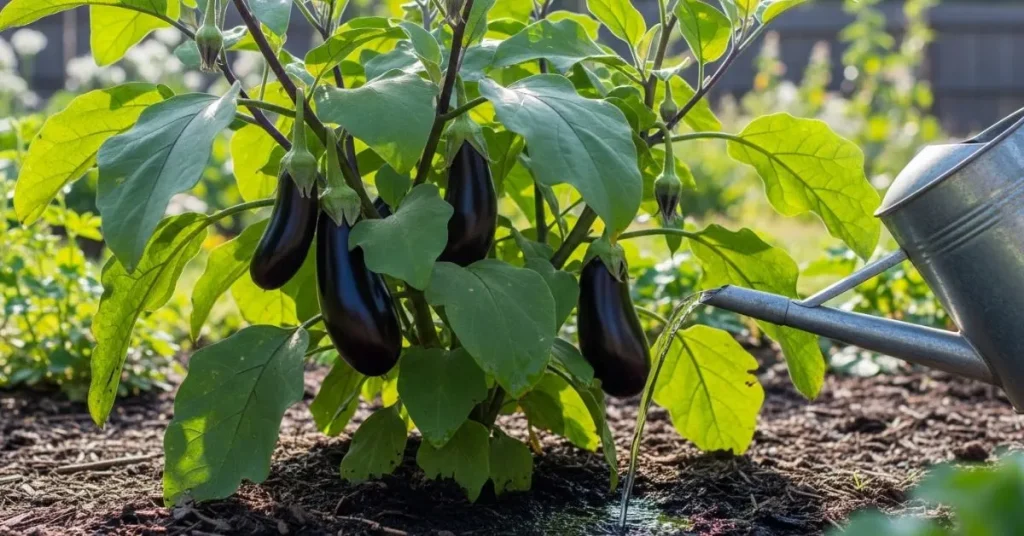
- Water early in the morning (5–9 AM) so that plants can absorb the heat before it peaks and leaves can dry out to prevent fungus problems.
- Check the soil six inches down; aim for 1-2 inches per week (more in extreme heat).
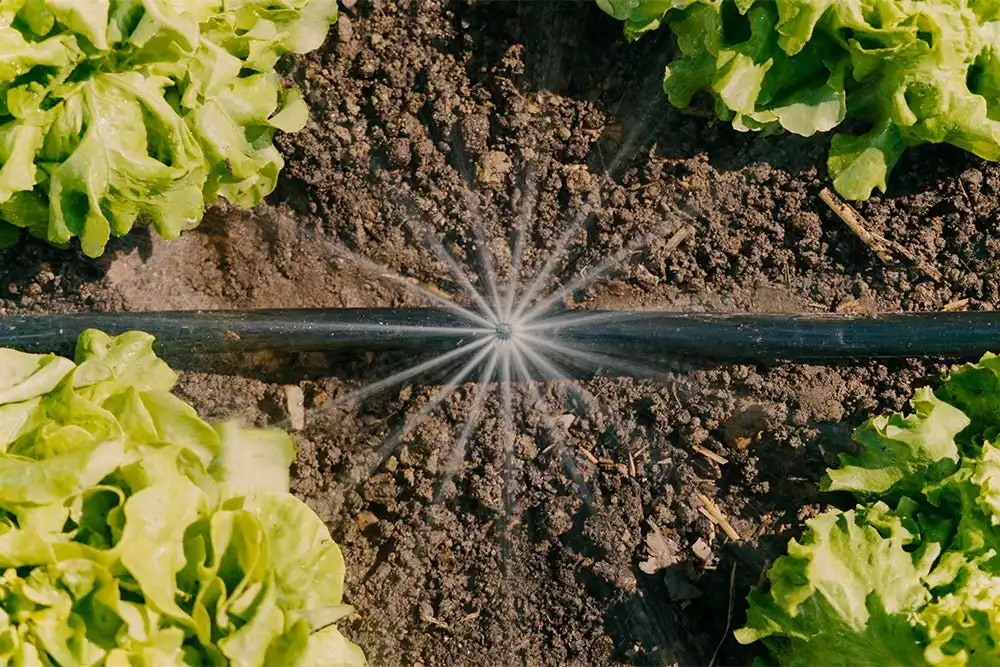
- Use soaker hoses or drip irrigation to get water straight to the roots without wetting the leaves.
- Avoid watering in the evening (fungal risk) or at midday (evaporation loss).
- If necessary, water containers twice a day; if at all possible, move them to a shaded area.
Make hydration a priority because well-watered soil remains cooler than dry soil!
3. Provide Shade – Block the Brutal Midday Sun
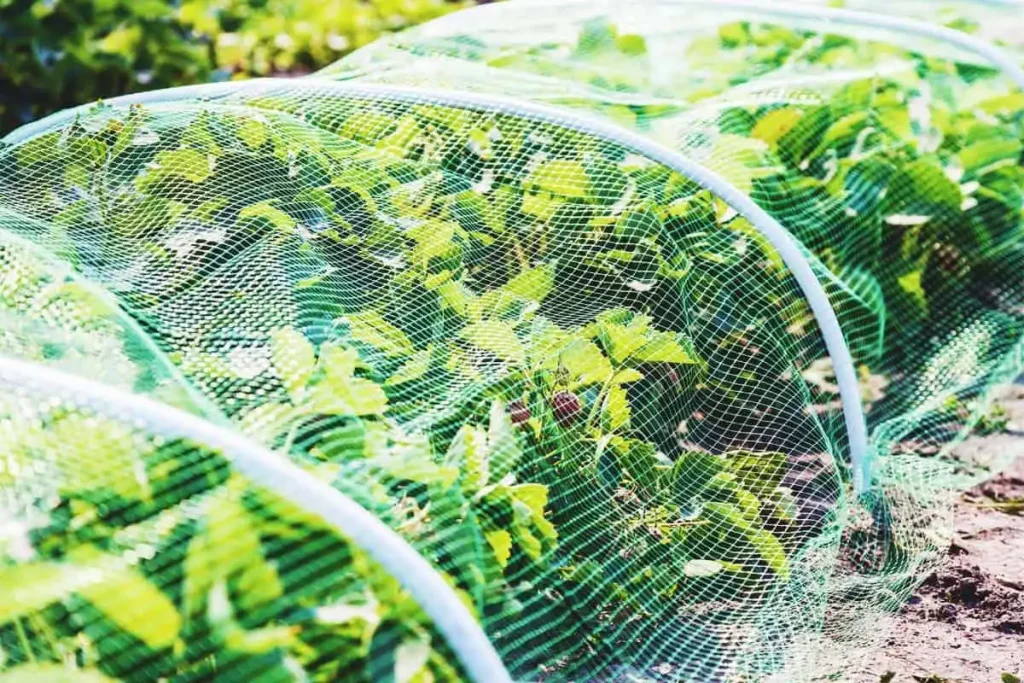
Intense afternoon sun scorches leaves and fruits. Shade reduces temps by 10-15°F under cloth.
Options:

- Shade cloth (30-50% for most veggies; 70% in extreme heat) – drape over frames or hoops.
- DIY: Old bedsheets, row covers, umbrellas, or lattice over sensitive crops (tomatoes, peppers, lettuce).
- Move potted plants to afternoon shade spots.
- Plant taller companions (sunflowers, corn) for natural shade.
Shade cloth on southern/western exposures works wonders for heat-sensitive crops.
4. Choose Heat-Tolerant Varieties & Adjust Planting
Plan ahead for hotter summers:
- Opt for heat-tolerant veggies: Okra, sweet potatoes, malabar spinach, amaranth, yardlong beans.
- Heat-set tomatoes (e.g., Solar Fire, Heatwave series), peppers (Jalapeños thrive), eggplant.
- Succession plant cool-season crops early or late to avoid peak heat.
- Avoid planting/transplanting during heatwaves.
5. Additional Heatwave Protection Strategies

- Protect containers: Group pots for mutual shade; insulate with burlap.
- Improve airflow: Space plants properly; prune dense foliage lightly.
- Avoid extra stress: No fertilizing, pruning, or transplanting during peak heat.
- Boost humidity (for humidity-loving plants): Mist in evenings.
- Monitor soil health: Add organic matter pre-season for better water retention.
Quick-Reference Protect Vegetable Plants During Summer Heatwave Table
| Tip/Strategy | Why It Helps | How to Implement | Best For Crops | Effectiveness |
|---|---|---|---|---|
| Heavy Mulching | Cools soil, retains moisture, prevents evaporation | 3-4″ layer of straw, leaves, or clippings after watering | All veggies (tomatoes, peppers, squash) | Very High |
| Deep Morning Watering | Allows absorption before evaporation; keeps soil cooler | 1-2″ deep soak early AM; use drip/soaker hoses | Tomatoes, cucumbers, beans | Very High |
| Shade Cloth (30-50%) | Reduces sun intensity, lowers air/soil temp by 10-15°F | Drape over frames/hoops; secure for wind | Lettuce, spinach, young transplants | High |
| Afternoon Shade (DIY) | Blocks hottest sun rays | Umbrellas, sheets, or move pots to shaded areas | Container plants, greens | High |
| Heat-Tolerant Varieties | Naturally resist blossom drop & stress | Plant Solar Fire tomatoes, okra, malabar spinach | Long-term planning | High |
| Drip Irrigation | Efficient, targeted watering; no wet leaves | Install soaker hoses or drip lines | Raised beds, rows | High |
| Avoid Midday Tasks | Prevents added stress & evaporation | No fertilizing/pruning/transplanting in heat | All plants | Essential |
| Improve Airflow | Reduces humidity pockets & fungal risk | Proper spacing; light pruning of dense areas | Squash, cucumbers | Medium-High |
Use this checklist during forecasts of 95°F+ days!
Keep Your Veggie Garden Thriving Through Heatwaves
Garden failure doesn’t have to be the result of summer heatwaves. You can safeguard your vegetable plants and continue to harvest fresh tomatoes, zucchini, beans, and more by mulching liberally, watering sparingly, shading strategically, and selecting hardy varieties.
Prepare now: Stock shade cloth, add mulch, and install drip lines. Your dinner plate and garden will appreciate it!
Which heatwave tip is your favorite? Let’s help each other beat the heat by leaving comments with advice or pictures!
Stay cool and enjoy your gardening!