Are you fed up with looking at a dull and empty terrace while picturing having fresh herbs or bright-colored flowers or growing food from your own garden? If you answered yes then you’re not the only one! Living in a busy city. A terrace garden setup is a fun, inexpensive way to create an area that is good for your mental well-being and your body – even if you don’t have a lot of experience as a gardener.
This guide provides a step-by-step process for creating your very own terrace garden, no matter if you are just looking for a peaceful escape, want to grow your own organic fruits and vegetables, or are trying to improve your home’s air quality. Following these steps will result in a successful garden whether you have expensive gardening equipment, gardening experience, or not; all you need is some excitement and this simple outline. It’s time to convert your empty terrace into a lovely, green oasis!
Step 1: Assess Your Terrace – Safety First!
Before buying a single pot, check structural safety. Terraces bear weight from soil, water, pots, and people.
- Weight Considerations: Wet soil weighs 75-100 lbs per cubic foot. Residential terraces typically handle 50-100 lbs per square foot – consult a structural engineer or building society if unsure. Avoid overloading one spot; distribute pots evenly.
- Waterproofing: Ensure the terrace is sealed against leaks. Use trays or saucers under pots to catch drainage.
- Drainage & Slope: Slight slope helps water runoff; add drains if needed.
- Sun & Wind: Note sun exposure (full sun 6+ hours ideal) and wind.
- Permissions: Check society rules for gardening on shared terraces.
Pro tip: Start small with 10-15 pots to test load and enjoyment.
Step 2: Plan Your Layout & Design
Sketch a simple map. Divide into zones:
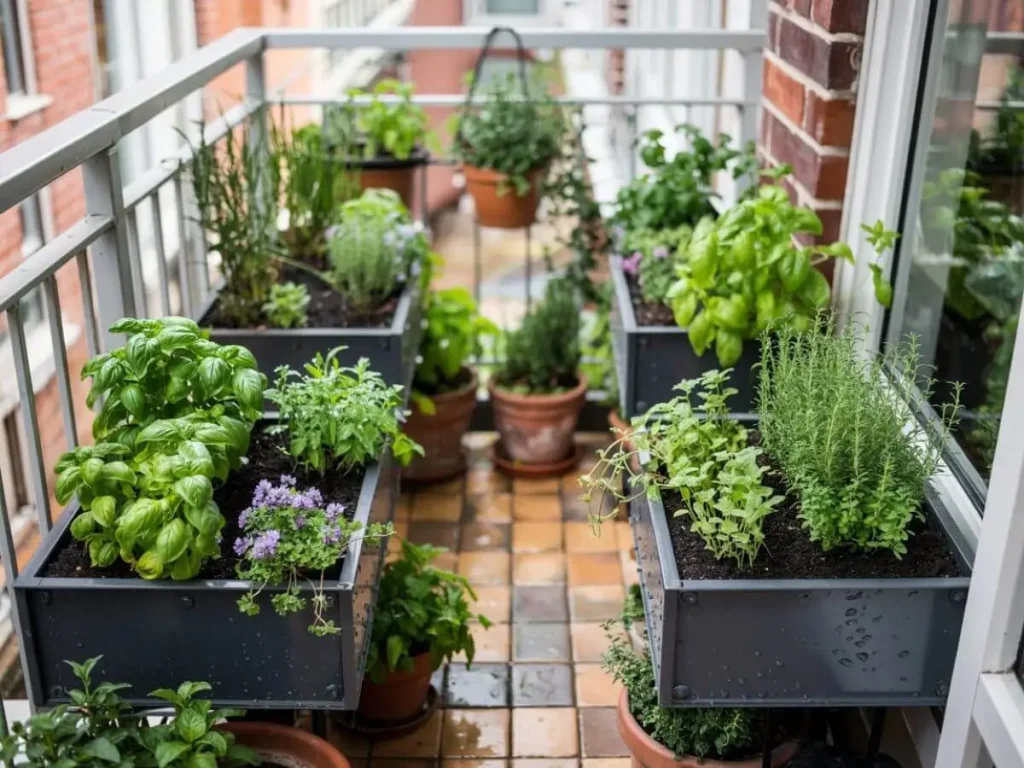
- Sunny areas for veggies/tomatoes
- Shaded spots for herbs/ferns
- Central seating with climbers for privacy
- Vertical spaces (walls, railings) for hanging pots
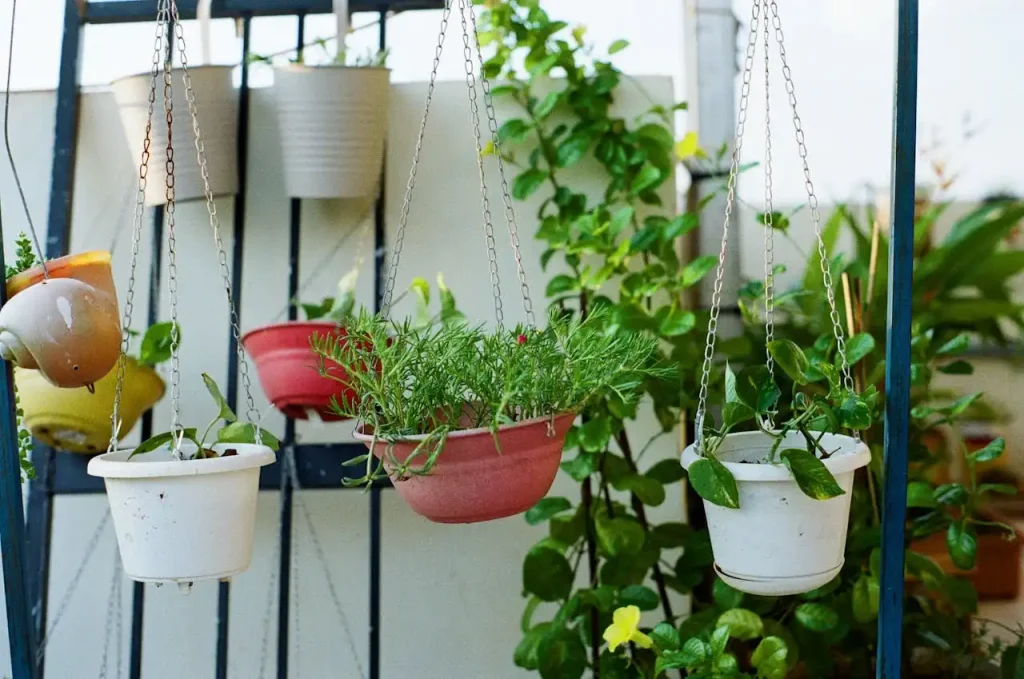
Trends for 2025-2026 include vertical gardens, lightweight grow bags, and sustainable features like rainwater collection.
Step 3: Choose Containers & Materials Wisely
Lightweight options prevent overload:
- Grow bags (fabric) – cheap, breathable, excellent drainage; ideal for terraces
- Plastic/terracotta pots (with saucers)
- Recycled containers (buckets, crates)
- Vertical planters or wall pockets
Size: 12-18 inches deep for most veggies; larger for tomatoes/eggplants.
Add drainage holes; cover with mesh to prevent soil loss.
Step 4: Perfect Potting Mix – Don’t Use Garden Soil!
Regular soil compacts and gets heavy. Mix your own lightweight, nutrient-rich blend:
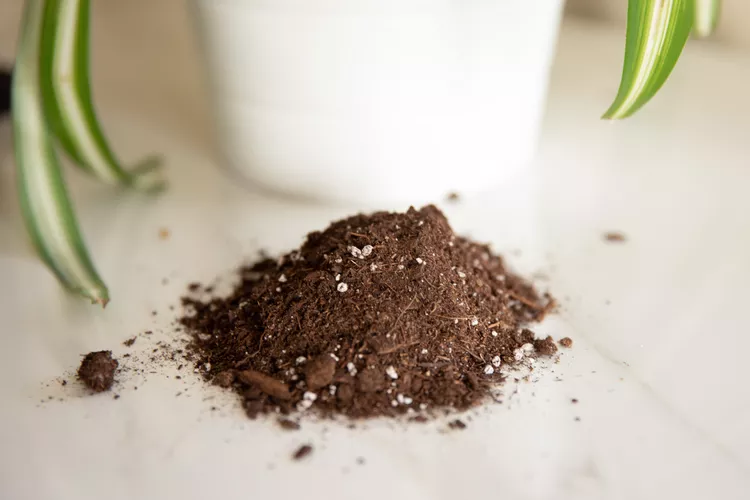
- 40% coco peat or peat moss (retains moisture)
- 30% vermicompost or cow manure (nutrients)
- 20% perlite/vermiculite/sand (drainage)
- 10% neem cake or organic matter (pest control)
Step 5: Select Beginner-Friendly Plants
Start with tough, heat-tolerant plants that thrive in full sun and occasional water stress.
Top picks:
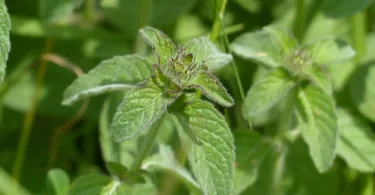
- Herbs: Mint, coriander, basil, fenugreek, oregano
- Veggies: Tomatoes, chilies, okra, spinach, radish, beans, brinjal
- Flowers: Marigold, portulaca, periwinkle, bougainvillea, celosia
- Low-maintenance greens: Aloe vera, snake plant, money plant, jade plant
Buy seeds/seedlings from local nurseries or online.
Step 6: Planting Step-by-Step of Terrace Garden Setup
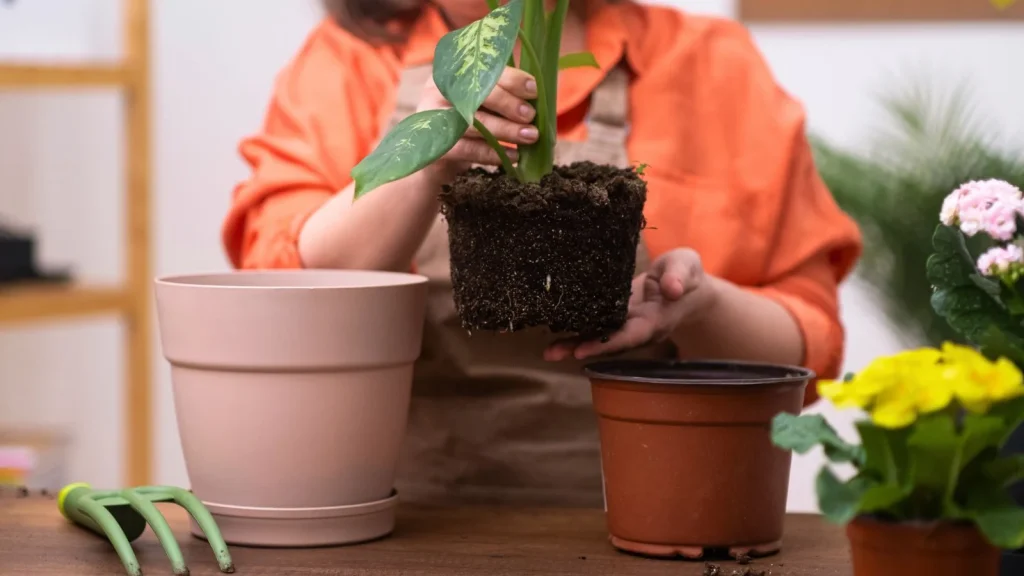
- Place saucers/trays under pots.
- Fill 1/3 with mix, add slow-release fertilizer.
- Plant seeds/seedlings at proper depth.
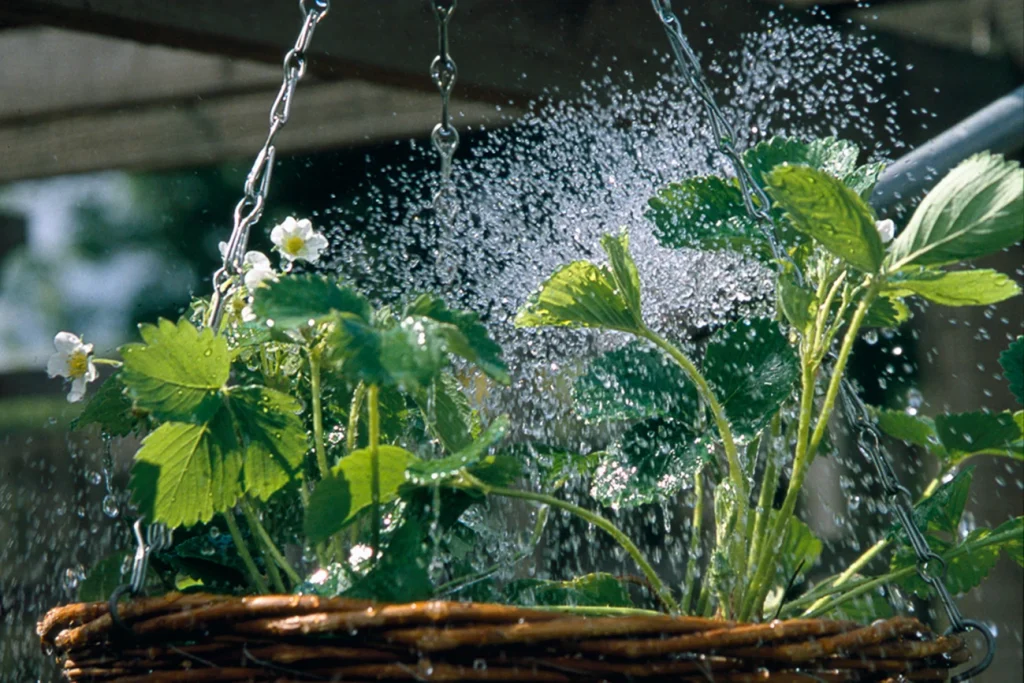
- Water gently; mulch surface with dry leaves.
- Group plants by water/sun needs.
Water in morning/evening; check soil daily first week.
Step 7: Watering, Feeding & Daily Care
- Water when top inch feels dry (drip irrigation saves time).
- Fertilize every 2-4 weeks with organic (compost tea, neem liquid).
- Prune regularly; remove dead leaves.
- Pest control: Neem oil spray for aphids; hand-pick caterpillars.
- Mulch to retain moisture and suppress weeds.
In summer: Shade cloth + frequent misting. Winter: Protect tender plants from frost.
Step 8: Maintenance & Expansion Tips
Monitor growth weekly. Add vertical elements (trellises for climbers like beans/morning glory). Compost kitchen waste for free fertilizer.
Expand gradually: Add fruit trees in large pots (lemon, guava) once confident.
Troubleshooting Common Terrace Garden Problems
Terrace setups face unique challenges. Here’s a quick-fix table:
| Problem | Symptoms | Causes | Solutions |
|---|---|---|---|
| Water Leakage/Damage | Water stains below terrace, damp ceiling | Poor drainage, no saucers, cracked waterproofing | Use saucers/trays; ensure pots have drainage; apply terrace sealant if needed |
| Plant Wilting/Death | Drooping leaves, yellowing | Over/underwatering, poor soil, heat stress | Check soil moisture; provide shade in summer; improve mix with perlite |
| Heavy Pots/Structural Strain | Cracks in floor, sagging | Overloading, concentrated weight | Distribute pots evenly; use lightweight grow bags; consult engineer |
| Pests (Aphids, Caterpillars) | Holes in leaves, sticky residue | Warm weather, overcrowding | Neem oil spray weekly; encourage ladybugs; hand-pick insects |
| Poor Growth/Stunted Plants | Small leaves, no flowers/fruits | Nutrient deficiency, wrong sun exposure | Fertilize organically; move pots to better light; thin overcrowded plants |
| Soil Compaction/Root Rot | Water pools on surface, mushy roots | Heavy soil, overwatering | Aerate soil; use well-draining mix; reduce watering frequency |
| Wind Damage | Plants topple, broken stems | Strong winds, tall/unstaked plants | Anchor pots; use windbreaks (trellises); choose low-growing varieties |
| Weed Growth in Pots | Unwanted plants competing | Wind-blown seeds, poor mulch | Mulch thickly; pull weeds early; sterilize reused soil |
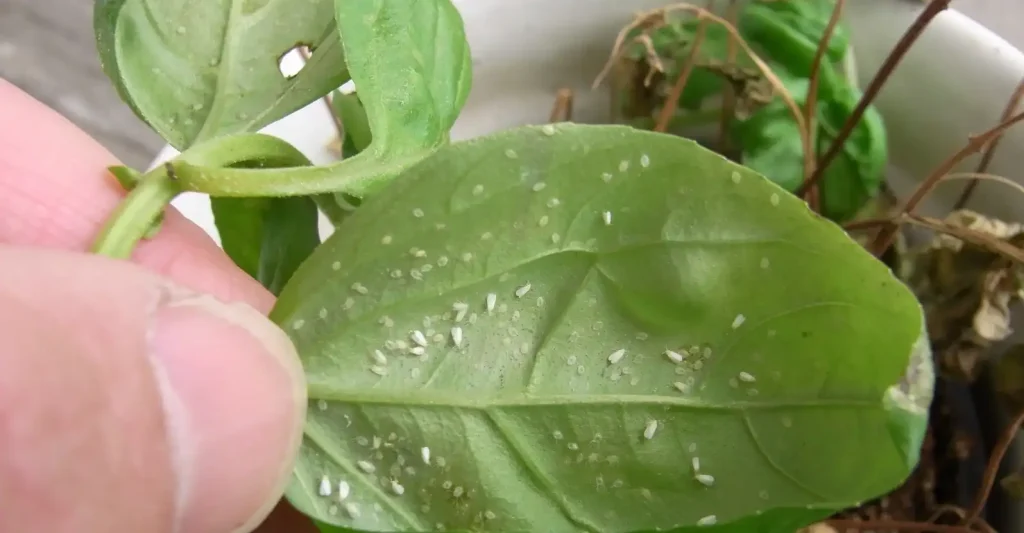
Regular checks prevent most issues!
Ready to Start Your Terrace Garden Journey?
It’s surprisingly simple to set up a terrace garden, and the benefits are endless. Start small, be persistent, and see your desolate rooftop transform into a verdant sanctuary.
Today, gather your grow bags, prepare the soil, and sow your first seeds. Which plant was your first choice? Tell me about your terrace fantasies in the comments section!