If you have ever experienced leggy seedlings, sunburnt seedlings or seedlings wilting after being transplanted then you are not alone! The majority of home gardeners lose their precious seedlings due to either skipping or rushing through the hardening off period, particularly during the times of extreme summer heat. Acclimatizing seedlings properly is the key to developing strong and resilient plants that produce abundant crops.
This guide will provide a basic understanding of the importance of hardening off seedlings in the summer heat. You will also find a step-by-step procedure for hardening off seedlings in high temperature along with various techniques to avoid making mistakes and a helpful troubleshooting guide.
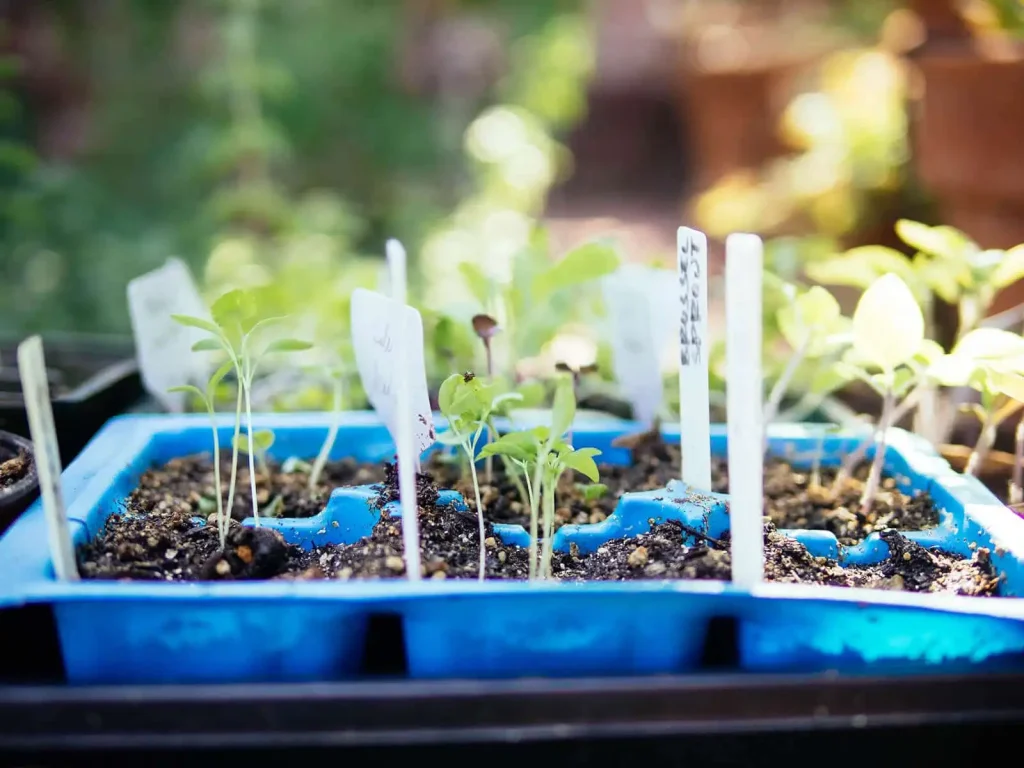
If you are growing tomatoes, pepper, zucchini or leafy greens in extreme climates then these tips will help you safely harden off your seedlings. Let’s take those fragile little indoor seedlings and turn them into the champions of your garden!
When to Start Acclimatizing Seedlings in Hot Conditions
Timing is everything. Begin hardening off when:
- Nighttime temperatures stay consistently above 50-55°F (10-13°C) for warm-season crops like tomatoes and peppers.
- Daytime highs are in the 70-85°F range ideally – avoid starting during extreme heat waves (above 90°F/32°C).
- Seedlings have 4-6 true leaves and are sturdy enough (usually 6-8 weeks old indoors).
In regions with early intense summer heat, start earlier in the morning or use shade cloth from day one. Check your local frost dates and 10-day forecast – cloudy or overcast days are perfect for beginners, as softer light reduces burn risk.
Pro tip: For heat-loving plants, aim to transplant when soil temperatures reach 60-65°F (15-18°C) at root depth. In very hot areas, consider evening planting to give roots time to settle before the next day’s sun.
Step-by-Step Guide: Safely Acclimatizing Seedlings to Heat
Follow this progressive 7-14 day schedule, adjusting based on your weather. The goal is slow, incremental exposure.
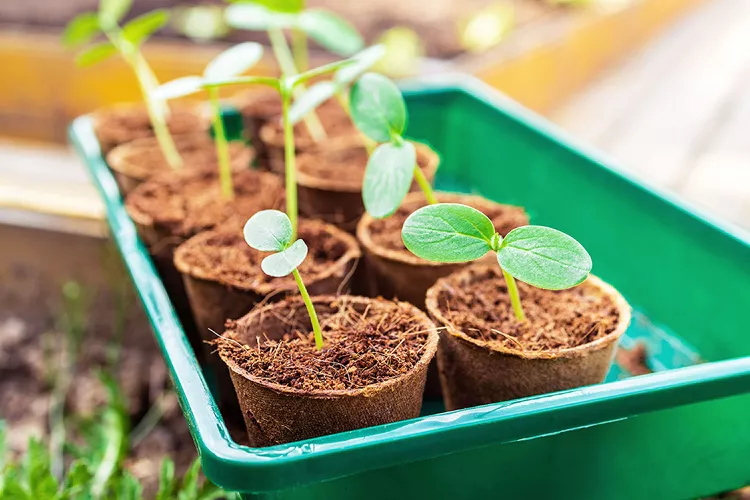
Days 1-2: Gentle Introduction in Shade
- During the warmest part of the day (late morning to mid-afternoon), place seedlings outside in a shaded, protected area (porch, under a tree, or east side of the house) for one to three hours.
- At first, stay completely out of the sun and strong winds.
- If the temperature drops at night or if you want to protect them from sudden cold spells, bring them back inside.
- If the soil seems dry, give it a little water to keep it consistently moist but not soggy.
By taking this step, plants can adapt to the humidity and air movement outside without experiencing excessive light stress.
Days 3-5: Increase Time and Introduce Filtered Sun
- Extend outdoor time to 3-6 hours daily.
- Move to a spot with morning sun or dappled/filtered light (use 30-50% shade cloth if needed).
- Gradually expose to more breeze for stem strengthening.
- Monitor for wilting – if leaves droop, provide extra shade or mist lightly (avoid over-wetting foliage to prevent disease).
In hot weather, prioritize morning exposure; afternoon sun is harsher and can cause rapid water loss.
Days 6-9: Build Sun and Wind Tolerance
- Increase to 6-10+ hours outdoors.
- Shift toward more direct sun, starting with 1-2 hours of full sun and building up.
- Leave out overnight if nights are warm enough (above 55°F for most veggies).
- Reduce watering frequency slightly to encourage deeper roots, but never let them wilt.
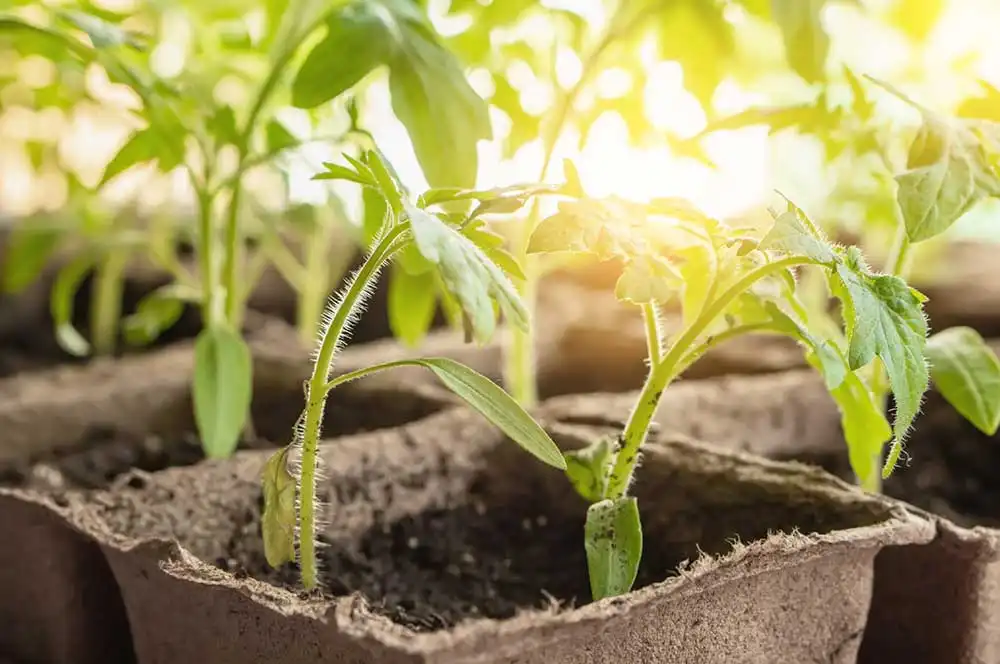
Use row covers or shade netting during peak heat hours if temperatures soar.
Days 10-14: Full Acclimatization
- Seedlings should now handle full sun all day and stay out overnight.
- They’re ready for transplanting! Plant in the late afternoon or on a cloudy day.
- Water deeply after planting and mulch to retain soil moisture.
Throughout: Check soil daily – containers dry out faster in heat. Reduce indoor fertilizer during this phase to slow soft growth.
Special Considerations for Acclimatizing in Extreme Heat
Hot climates demand extra care:
- Use shade cloth (20-40% initially) to diffuse intense sunlight and lower leaf temperatures.
- Water in the early morning or evening to minimize evaporation.
- Group pots together for mutual shade and humidity.
- Avoid fertilizing heavily – it promotes tender growth vulnerable to heat.
- For very high temps (90°F+), shorten initial outdoor sessions or use a cold frame/hoop house with ventilation.
Some gardeners plant directly into the garden with temporary shade (e.g., upside-down pots or boards) on transplant day for a “soft landing.”
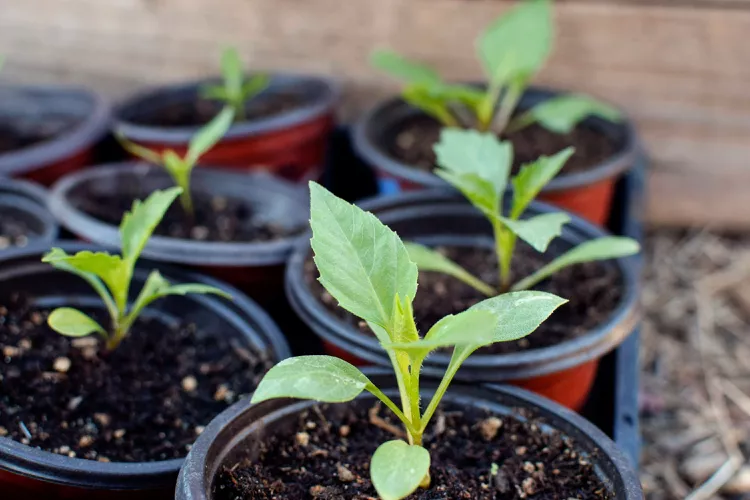
Common Mistakes to Avoid When Hardening Off in Heat
- Rushing the process – one or two days isn’t enough.
- Exposing to midday sun too soon (causes sunscald – white or brown patches on leaves).
- Forgetting to bring plants in during unexpected cold snaps or storms.
- Overwatering or underwatering – balance is key.
- Ignoring variety differences: Cool-season crops (lettuce) need different temps than tomatoes.
Troubleshooting Common Problems During Acclimatization
Even with care, issues can arise. Here’s a quick-reference table to diagnose and fix problems when acclimatizing seedlings in heat:
| Problem | Symptoms | Likely Causes | Solutions |
|---|---|---|---|
| Sunscald / Leaf Burn | White, brown, or crispy patches on leaves | Sudden direct intense sun exposure | Move to shade immediately; use 30-50% shade cloth; start with morning sun only |
| Wilting | Drooping leaves, soft stems | Heat stress, underwatering, wind | Provide shade & wind protection; water deeply but infrequently; mist if extreme |
| Leggy/Spindly Growth | Tall, weak stems | Insufficient light during hardening | Gradually increase sun exposure; ensure strong light before starting process |
| Yellowing Leaves | Pale or yellow foliage | Overwatering, nutrient issues, or shock | Improve drainage; reduce water; avoid fertilizing during hardening |
| Stunted Growth | Slow development, small plants | Temperature swings or root stress | Stabilize conditions; check soil temp; transplant only when fully hardened |
| Leaf Curl or Scorch | Edges curling, browning | Excessive heat & transpiration | Increase shade during peak hours; ensure consistent moisture; ventilate well |
| Transplant Shock After Planting | Wilting post-transplant | Incomplete hardening or poor timing | Re-shade for a few days; water deeply; mulch heavily |
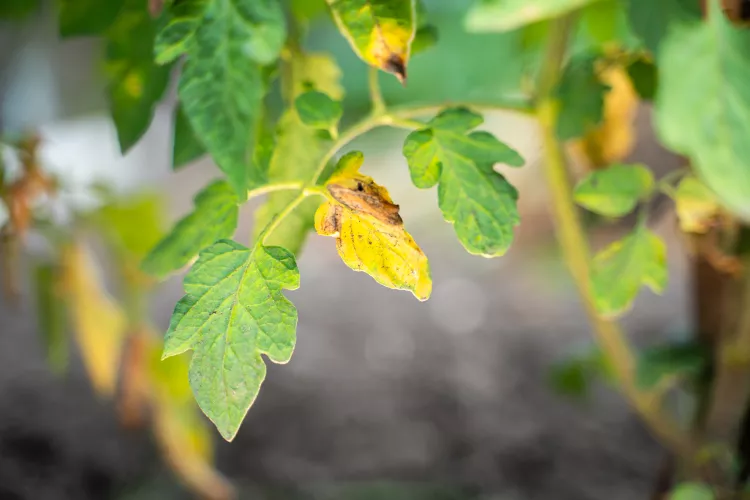
Use this table as your go-to reference – catching issues early saves your crop!
Final Thoughts: Master Acclimatizing Seedlings and Enjoy a Thriving Garden
It doesn’t have to be difficult to safely acclimate seedlings to heat. You can turn tender starts into resilient garden performers by being patient, exposing them gradually, and paying attention to shade and moisture.
You can avoid heartbreak and enjoy more abundant, fresher produce from your home garden by following these crucial tips.
Are you prepared to implement this? Take out your shade cloth and begin the seven to fourteen-day process right now. Your pepper stir-fries or tomato sandwiches in the future will appreciate it!
In hot weather, have you tried hardening off? In the comments section below, share your best advice or difficulties. See our articles on companion planting and starting seeds indoors for additional gardening tips.
I hope you enjoy gardening and that your seedlings survive the heat!