As we head into the vibrant gardening season of 2025, nothing transforms a landscape quite like a symphony of blooming flowers. Annual and perennial flowers offer endless possibilities for color, texture, and fragrance, but their care differs significantly. Annuals complete their life cycle in one season, delivering non-stop blooms, while perennials return year after year, providing structure and reliability. This comprehensive guide, updated with the latest 2025 trends of Care for Annual & Perennial Flowers, empowers you to nurture stunning displays that dazzle from spring to fall. Whether you’re a beginner or seasoned gardener, these expert tips will ensure thriving gardens full of breathtaking beauty.
Annual vs. Perennial Flowers: Key Differences

| Aspect | Annual Flowers | Perennial Flowers |
|---|---|---|
| Lifespan | One growing season; replant yearly | Multiple years; roots overwinter |
| Bloom Duration | Continuous until frost | Seasonal waves; some rebloom with deadheading |
| Cost | Inexpensive, high impact | Higher initial cost, long-term savings |
| Maintenance | High (deadheading, watering) | Lower once established |
| 2025 Trends | Heat-tolerant varieties like Supertunia Vista | First-year flowering, drought-resistant like Echinacea Kismet |
Pro Tip: Mix both for a stunning layered garden, perennials for backbone, annuals for instant color pops.
Essential Care for Annual Flowers
Annual flowers need consistent attention because they complete their life cycle quickly. Below are the most important care steps.
1. Light Requirements
Most annuals love full sun—at least 6 to 8 hours of direct sunlight per day.
Sun‑Loving Annuals – Marigolds, Petunias, Zinnias, Geraniums
Partial Shade Annuals – Impatiens, Begonias, New Guinea Impatiens

Tip: If your garden has both sunny and shady spots, place sun‑loving varieties in the sunny areas and shade‑tolerant varieties elsewhere.
2. Soil Preparation
Healthy soil is the foundation of great blooms.
Soil Type
Annuals thrive in well‑draining, fertile loamy soil. Avoid heavy clay that retains too much water.
pH Level
Most annuals prefer a pH range of 6.2 – 7.0. You can test your soil with a home pH testing kit.
If the pH is too low (acidic) – add garden lime.
If the pH is too high (alkaline) – add organic matter such as peat moss or pine needles.
Amending the Soil
Mix in organic compost or well-rotted manure at a ratio of 1:3 (compost:soil). This supplies essential nutrients and improves drainage.

3. Watering
Annuals have shallow root systems, so they need consistent moisture—especially during hot weather.
📌 Watering Guidelines
- Frequency – Water when the top 1–2 inches of soil are dry. In hot climates this may be 2–3 times per week.
- Amount – Apply about 1 inch of water per week. Adjust based on rain.
- Method – Use a soaker hose or drip irrigation to deliver water directly to the roots. Avoid overhead watering to reduce disease risk.
Never let the soil dry out completely; wilting plants won’t recover easily.
4. Fertilization
Annuals need a balanced fertilizer because they produce flowers rapidly.
When to Fertilize
- At Planting – Mix a balanced (10-10-10) granular fertilizer into the top 2–3 inches of soil.
- During the Season – Apply a liquid fertilizer every 4–6 weeks from the time the plant starts blooming.

What Fertilizer to Use
| Type | NPK Ratio | When to Use |
|---|---|---|
| Balanced Fertilizer | 10-10-10 | At planting & mid‑season |
| Bloom Booster | 5-10-10 | When flowers start opening |
| Organic Options | Varies | For eco‑friendly gardens |
Important: Over‑fertilizing can cause excessive leafy growth instead of flowers.
5. Pruning & Deadheading
Deadheading (removing spent flowers) encourages more blooms and extends the flowering period.
How to Deadhead
- Look for a flower that has faded or dropped its petals.
- Using clean scissors, cut just above a set of healthy leaves or a pair of opposite leaves on the stem.
Do this regularly—once a week during peak blooming season.
6. Pest & Disease Management
Annuals are susceptible to aphids, spider mites, and powdery mildew.

Preventive Measures
- Rotate Crops – Don’t plant the same annuals in the same spot every year.
- Keep the Garden Clean – Remove dead plant material.
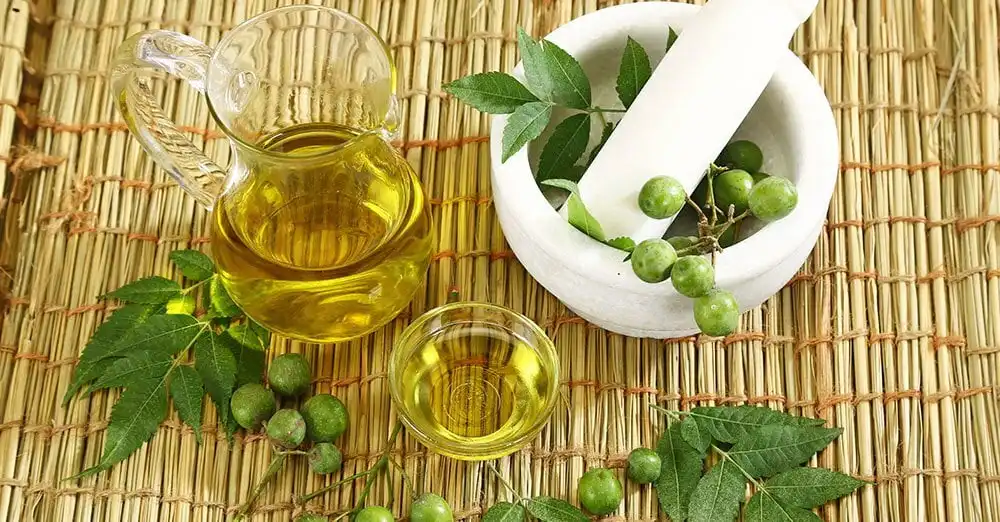
- Use Organic Sprays – Insecticidal soap or neem oil works well for mild infestations.
If you notice a disease, remove the affected parts immediately and discard them—do not compost infected material.
7. End‑of‑Season Care
Once the growing season ends (usually after the first frost), it’s time to clean up.
- Remove all dead plants.
- Dispose of diseased material.
- Leave the soil uncovered over winter; it will break down organic matter.
You will replant annuals the next spring.
Essential Care for Perennial Flowers
Perennials return year after year, so caring for them correctly ensures many seasons of beauty. Here’s how to keep your perennials stunning.

1. Light and Temperature
Most perennials prefer full sun to partial shade.
Full Sun Perennials – Peonies, Roses, Lavender
Partial Shade Perennials – Hostas, Hellebores, Astilbe
Observe the natural light pattern in your garden and place perennials accordingly.
2. Soil Preparation
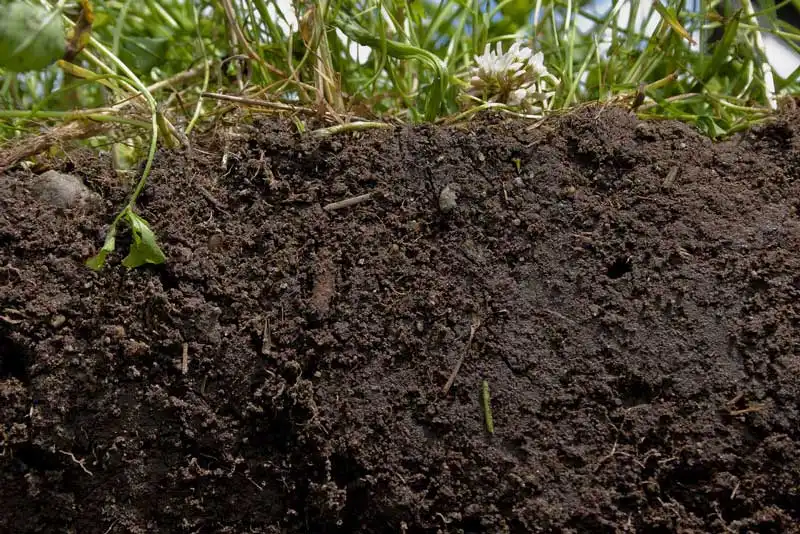
Perennials have deeper root systems than annuals, so soil quality is crucial for long‑term health.
Soil Type
Well‑draining, fertile soil enriched with organic matter is ideal.
pH
Most perennials thrive in a pH of 6.7 – 7.3. Test and amend as needed.
Soil Improvement
Add 2–4 inches of compost before planting. For established perennials, top‑dress the soil each spring with 1 inch of compost or well‑rotted manure.
3. Watering
Perennials need deep, less frequent watering—they prefer moist (not soggy) soil.
📌 Watering Tips
- First Year – Water regularly until the plant establishes its roots (about 6–8 weeks).
- Established Plants – Water deeply once a week or when the top 3–4 inches of soil are dry.
- Mulch – Apply a 2–3 inch layer of organic mulch (straw, wood chips, shredded leaves) around the base. Mulch conserves moisture, suppresses weeds and regulates soil temperature.
4. Feeding Perennials
Perennials don’t need as frequent feeding as annuals, but a proper nutrition schedule keeps them vigorous.

Feeding Schedule
Spring – As new growth appears, apply a balanced fertilizer (e.g., 5-10-10).
Mid‑Summer – Optional: a light application of liquid fertilizer can boost bloom production.
Avoid fertilizing after mid‑summer for bloom‑producing perennials because it can encourage soft growth that may be damaged by winter.
Recommended Fertilizers
- Organic Compost – Best for long‑term soil health.
- Bone Meal – Good for phosphorus, promotes root development.
- Balanced Granular Fertilizer – Easy to apply; follow label instructions.
5. Pruning & Division
Proper pruning and division keep perennials healthy and promote abundant blooms.
Pruning
Pruning varies by plant. General rules:
After Blooming – Remove spent flower stems to encourage more blooms and tidy the garden.
After Frost – In late autumn or early spring, cut back dead stems to about 6–12 inches above the soil. This reduces disease carryover.

Division
When a perennial becomes crowded (usually after 3–5 years), it should be divided.
How to Divide Perennials
- Water the plant a day before division for easier digging.
- Use a sharp spade to lift the entire plant.
- Separate the root ball into 2–3 sections, each with healthy roots and at least one growing point.
- Replant the divisions at the same depth they grew before. Water well.
Division rejuvenates the plant and restores vigor.
6. Overwintering Perennials
In colder climates, perennials need protection from winter frost.
📌 Overwintering Tips

- Mulching – After the first frost, apply a 3–4 inch layer of organic mulch (straw, leaves, wood chips) around the base—do not cover the crown.
- Avoid Nitrogen Rich Fertilizer in late summer; it encourages tender growth that can be killed by frost.
- Dry Conditions – In very cold, dry winters, a slightly higher mulch layer helps prevent soil heaving.
In mild climates, perennials may need no extra protection.
7. Pest & Disease Management
Perennials can suffer from the same pests as annuals, but because they survive winter, diseases can overwinter in plant debris.
Prevention
- Clean Garden – Remove all dead foliage and flowers after the growing season.
- Space Plants Properly – Adequate spacing improves air circulation, reducing disease risk.
- Use Resistant Varieties – Choose perennials that are labelled “disease resistant”.
Treatment
Fungicide – For powdery mildew, use copper‑based fungicide as a preventive measure.
Organic Insecticides – Neem oil or insecticidal soap.
Troubleshooting Common Issues
| Issue | Cause | Solution |
|---|---|---|
| Wilting Leaves | Underwatering | Deep water; mulch to retain moisture |
| Yellowing Foliage | Nutrient Deficiency | Apply balanced fertilizer; test soil |
| Few Blooms | Excess Nitrogen | Switch to bloom-booster; deadhead regularly |
| Powdery Mildew | Poor Airflow | Space plants; prune for circulation; use fungicide |
Conclusion
With these stunning care strategies, your 2025 garden will burst with color and vitality. Embrace the latest varieties, prioritize soil health, and stay consistent—your annuals and perennials will reward you with dazzling displays that turn heads. Happy gardening!