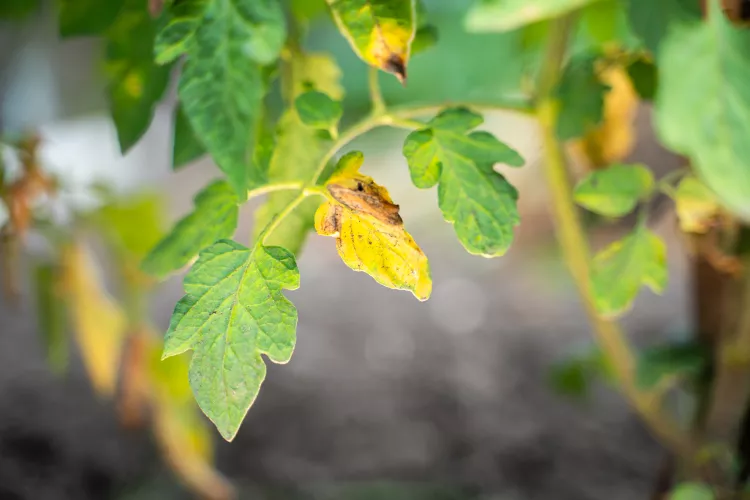
Picture yellow leaves on your tomato plants. Or white spots show up right before harvest. That sight makes any gardener’s heart sink. But you can spot these problems early. Fix them with simple, natural steps.
More people now grow their own food. They want to avoid harsh chemicals. Those chemicals hurt the soil and good bugs. Natural fixes keep your garden safe. They also keep it green.
This guide lists common plant diseases. It shows signs to spot. You will learn easy home treatments. Keep your plants strong. Get a better harvest.
Understanding Common Plant Diseases
Plant diseases harm growth. They reduce fruits or flowers. Tiny bugs, germs, or bad weather cause them. Knowing them helps you act fast.
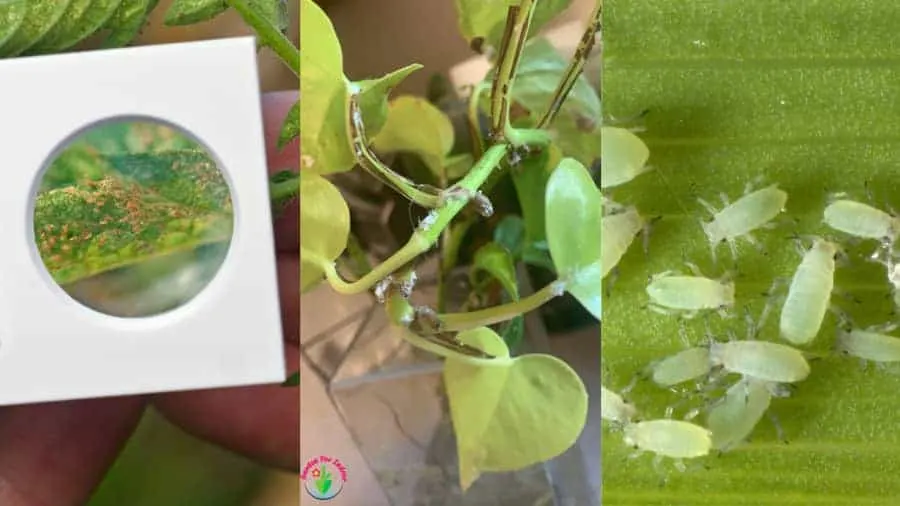
Use natural methods to fight diseases. This builds a healthy yard. It causes no harm. You save money. Helpful insects like bees stay safe.
Check your plants often. Catch problems early. This stops the sickness from spreading. Your whole garden stays healthy.
What Are Plant Diseases and Their Causes?
Plant sickness comes from fungi, bacteria, viruses, or pests. Fungi thrive in damp spots. They can block air to leaves. Bacteria slip into plants through small cuts. They then make clear spots. Viruses make leaves twist out of shape. They also keep plants from growing tall. Pests such as aphids suck out plant sap. These tiny bugs can spread germs.
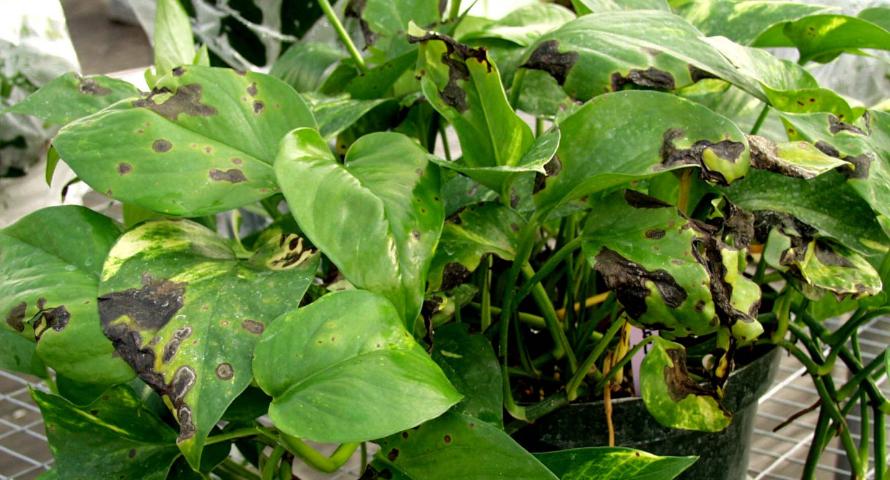
Too much water traps moisture around plants. Plants growing too close together do the same. This raises the risk of disease. Shady or crowded areas are more prone. Look closely at leaf color and shape. This helps you figure out the problem. Poor soil drains slowly and stays wet. Over time, this causes root issues. You can spot fungi by their fuzzy growth. Bacteria often leave wet marks that turn brown.
Why Opt for Natural Treatments?
Natural methods fill your soil with life. Unlike chemicals, they protect worms and bees. The garden keeps its natural balance. Many garden clubs support these ways. They know strong soil resists pests. Buy a soil test kit at any store. It tells you what plants lack, like lime for acid soil. You fix problems at their root. Plants then fight off disease easily. This saves you money on yearly repairs.
Early Signs to Watch For
Watch for leaves turning yellow. You might also see their edges curl. White or black spots usually signal a problem. Stems can wilt, even after a good watering. Your fruits could show strange marks or start to rot quickly.

Do a quick check every week:
Look at the top and bottom of all leaves. Feel for sticky film, which often comes from bugs. Note if plant growth seems to slow.
Catching problems early saves your entire patch. It keeps diseases from spreading to other plants. Pay close attention to veggies like peppers. Check your roses for these warning signs as well.
Fungal Diseases: Identification and Natural Remedies

Gardens with warm, wet air are perfect for fungi. Summer rain often brings out the worst in them. Your veggies and blooms suffer damage then. Good air movement helps keep them away. Fungi find it hard to stick when air flows well. Look for dusty white coats or small rusty bumps. These are clear signs of their presence. Simple homemade mixes can stop their growth. They keep the fungi from spreading fast. Always clean up old leaves from the ground. This helps keep your garden soil clear.
Powdery Mildew: White Coating on Leaves
White dust on leaves means powdery mildew. It often attacks squash, cucumbers, and roses. These plants suffer most. Wait too long, and leaves turn yellow. Then they fall off.
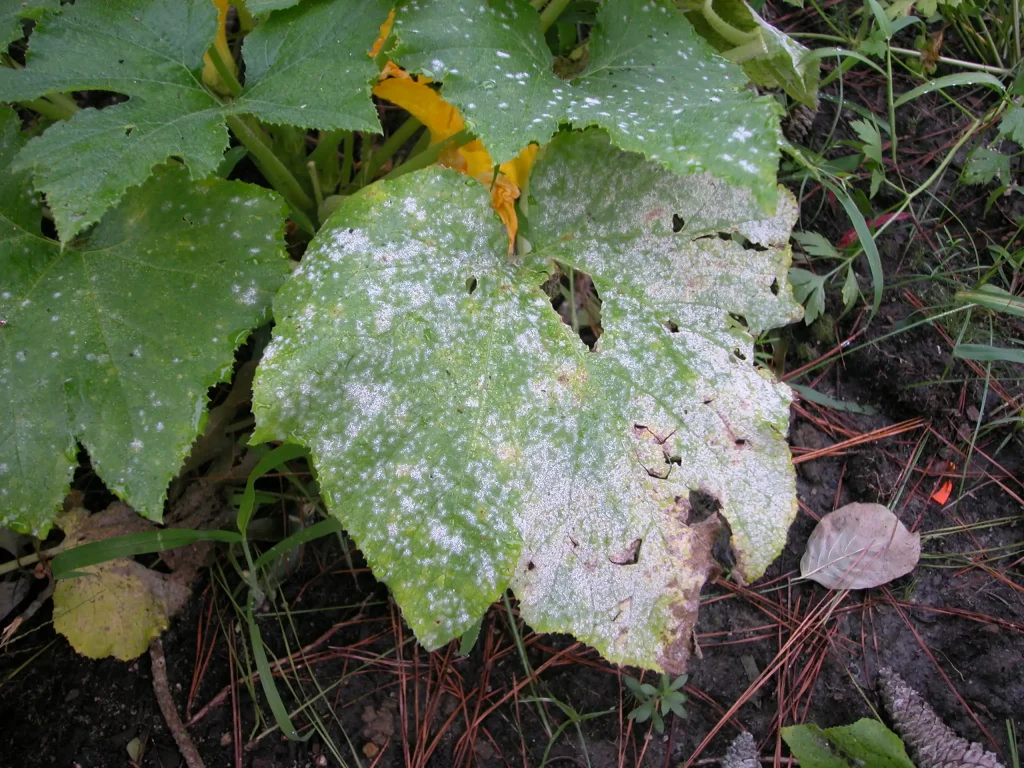
Mix one spoon of baking soda. Add a drop of soap. Use a gallon of water for this. Spray this mix on plants each week. Spray in the evening. This stops the sun from burning wet leaves.
The mix changes leaf pH. This keeps fungus from growing. Your plants will breathe better quickly.
For small spots, wipe leaves with milk. Mix one part milk with two parts water. This blend works best.
Black Spot: Dark Lesions on Roses
Black spot shows up as dark, round marks on roses. These marks have yellow edges. Wet weather helps it spread quickly. It moves fast through thick rose bushes. Mix one part milk with two parts water. Spray your roses with this mix. This spray fights the fungus. It also helps your roses grow greener. Pick off any bad leaves. Throw them away right away. Do not put them in your compost. This stops the disease from spreading. Give your roses enough space. This lets the wind dry them faster. Wet spots invite the fungus. Your roses will then bloom with fewer spots. They will look healthier.
Rust: Orange or Brown Pustules
Rust causes orange bumps. Find them under leaves. They hit beans or hollyhocks. This disease drains plant life. It cuts how much food you get.

- Make a simple spray. Grind garlic or horseradish first. Mix it with water. Add just a bit of soap.
- Spray your plants weekly. Do this on dry days.
- Let plants dry out well. Give them space after rain. This keeps rust from starting.
- Old, affected leaves drop. But the new ones stay clean.
Bacterial and Viral Diseases: Spotting and Managing Them
Bacteria rot plants, making them soft and wet. Viruses leave marks and slow plant growth. These problems are tough to fix. Yet, good clean habits can prevent much damage. Always clean your tools after each cut. This stops harmful germs from spreading. Start with hardy, healthy seeds.
Bacterial Blight: Water-Soaked Spots
Bacterial blight often strikes peppers and tomatoes. Look for wet, strange spots on the leaves. These spots quickly darken and may begin to ooze. Grab a copper spray from an organic garden store. Use it sparingly, with a light hand. Always remove any sick parts of the plant quickly. Rotate your crops every year. This stops bacteria from building up in the soil. Improve soil drainage to prevent water from pooling around plants. Your plants can recover if you treat small spots fast.
Mosaic Virus: Stunted Growth and Patterns

Mosaic virus causes yellow-green streaks on potatoes and beans. Infected plants grow small and weak. Aphids spread this virus between plants. Spray them with soapy water to stop this spread. Put silver mulch under your rows. It bounces light, which scares bugs away. There is no cure for the virus once a plant has it. But these steps stop it from moving to new plants. Pull out any sick plants right away. This saves the healthy plants nearby.
Soft Rot: Slimy, Collapsing Stems
Soft rot makes potato and lettuce stems turn to mush. Poor drainage and fresh cuts let this problem start. Sprinkle cinnamon powder on any cuts. It kills germs right away. Add compost to your soil. This helps water move through it better. Dig up wet spots in your garden. Let them dry out completely. Plants stay strong when their roots get plenty of air.
Pest-Related Diseases and Natural Defenses

Pests can make your plants sick. They chew or suck away plant health. Aphids leave a sticky, sweet goo. This goo quickly grows mold. Work with nature to push pests away. Plant flowers that draw helpful insects. These good bugs cut pest numbers. You won’t need chemical sprays. Check under leaves often. Look for any small moving pests there.
Aphid Infestations Leading to Honeydew Issues
- Aphids curl leaves and drop sticky honeydew. That feeds black mold on stems.
- Blast them off with strong water from a hose. Or let ladybugs loose; they eat aphids fast.
- Grow marigolds near veggies. They push aphids away.
- Clean leaves keep mold from starting.
- Plants straighten up quick.
Spider Mites: Webbing and Speckling
- Spider mites make fine webs and speckled leaves on houseplants or tomatoes. Dry air helps them thrive.
- Mix oil for plants with water and spray light. It smothers mites without harm.
- Set pebble trays with water under pots. This ups moisture to chase them.
- Wipe leaves often in dry rooms.
- Green returns as mites fade.
Root Rot from Nematodes or Fungi
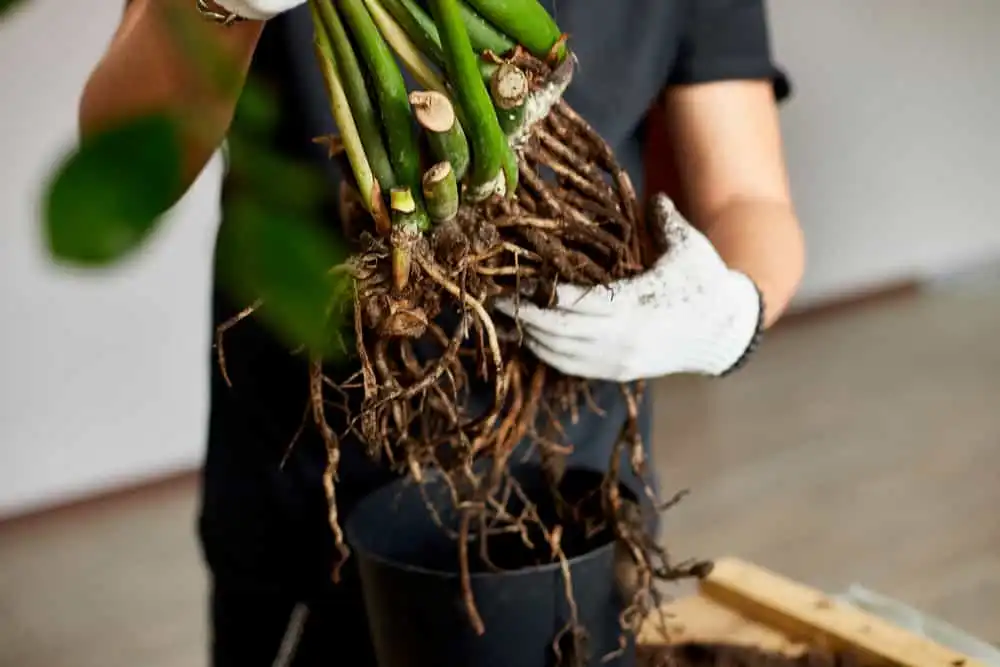
- Root rot wilts plants even in wet soil. Nematodes or fungi eat roots in soggy pots.
- Add good nematodes to soil; they hunt bad ones. Or soak in compost tea.
- Mix perlite into dirt for fast drain.
- Test water less often for pots.
- Roots grow strong again.
Prevention Strategies for a Disease-Free Garden
- Stop diseases before they hit. Healthy habits make plants tough. Work on dirt and space all season.
- Test soil once a year. Adjust pH with lime if too sour.
- This sets up wins long term.
Building Healthy Soil and Plant Resilience

- Rich soil with compost fights sickness best. It feeds roots and holds water right.
- Spread mulch around bases. It keeps dirt even and blocks weeds.
- Add worm castings for extra boost.
- Plants stand tall against bugs.
- Yields go up with this base.
Best Practices for Watering and Pruning
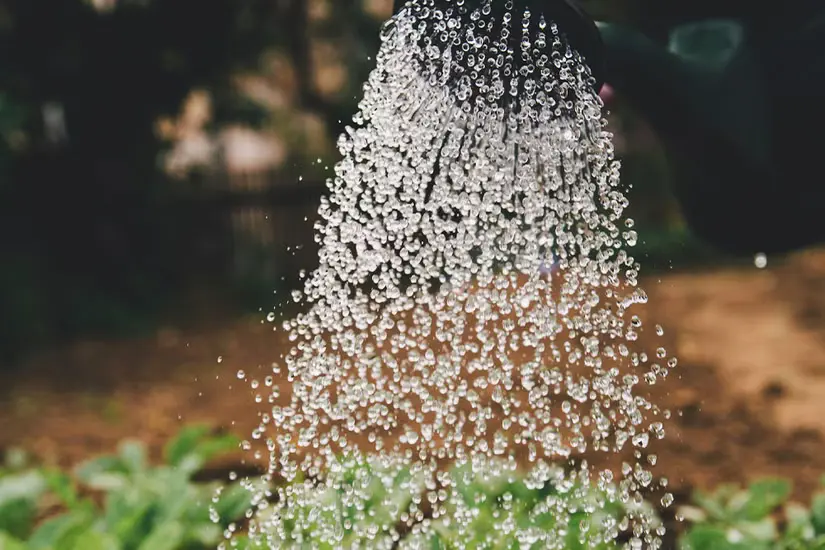
- Water in the morning at the stem base. Leaves dry fast to cut wet spots.
- Prune with clean shears. Cut dead parts to let air in.
- Space plants a foot apart for flow.
- This simple step saves many from fungi.
- Your yard stays open and bright.
Companion Planting and Organic Boosters
- Pair basil by tomatoes; it scares hornworms. Nasturtiums trap aphids away from beans.
- Brew comfrey leaves in water for a feed spray. It adds pots and strength.
- These teams work together.
- Pests drop, health rises.
Conclusion
You now know top plant diseases like powdery mildew and rust. Baking soda or milk sprays fix many fast. For bacteria or viruses, clean up and rotate spots.
Pests link to more issues, but ladybugs and spacing help.
Key points: Check weekly, build good soil, water smart. These natural steps give big harvests without chemicals.
Head to your garden now. Try one tip today and tell us in comments how it goes.