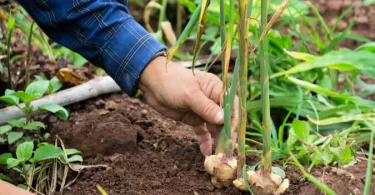
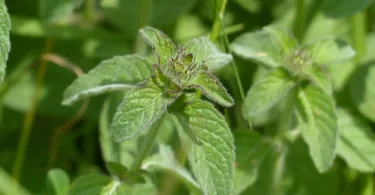
The cottage garden brings to mind scenes straight out of an English countryside, bursting with color, fragrance, and personality. While this style has its roots in rural English tradition, its relaxed, lush look appeals to gardeners everywhere. The beauty of the cottage garden is that it doesn’t require wide lawns or sprawling plots. A small yard, a city patio, or even an apartment balcony can be transformed into a cozy, cottage-inspired retreat. This post covers smart ways to design a cottage garden in a small space: simple layout tips, top plant choices, space-saving features, and ideas to add charm without clutter.
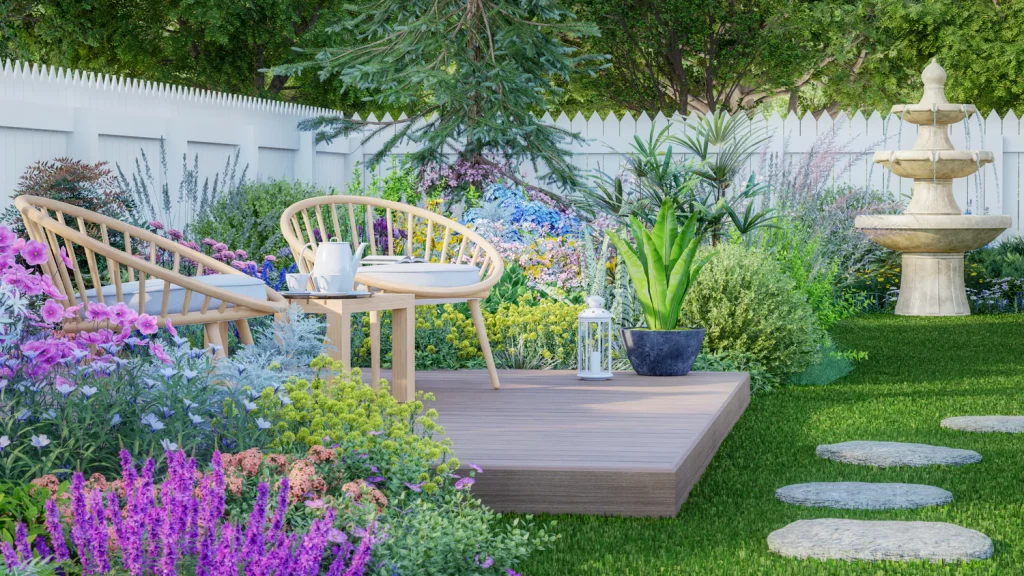
Designing a Cottage Garden in a Small Space
The cottage garden thrives on density, but in a small space, it’s all about balance. Layers are key; use plant heights creatively, combining low, medium, and tall varieties for a rich, tapestry-like effect. Maximize vertical space by installing trellises or using fences for climbers such as sweet peas and miniature roses. Hang wall planters or stack pots to get more greenery in less ground.
Winding paths, even a single stepping stone trail, can introduce that classic meandering feel while making a small spot appear larger. Borders and edging—whether with brick, stone, or closely planted short plants—give shape to a tiny garden and help separate lush flowerbeds from narrow walkways.

A well-structured cottage garden often includes an edible element. Mixing flowers, herbs, and compact vegetables fills gaps and supports pollinators. Select plants with long bloom periods or foliage interest across multiple seasons to keep a small area looking lively and full. If you’d like more design ideas that capture the cottage garden spirit, check out these charming cottage garden design suggestions.
Choosing the Right Plants for a Small Cottage Garden
Pick plants that perform well in close quarters and containers. Classic cottage style includes favorites like dwarf roses, lavender, and foxglove, but you can also try sweet alyssum, snapdragons, or small ferns. Prioritize compact, bushy varieties that won’t crowd each other out. Herbs such as thyme, sage, and chives double as ornamentals and culinary helpers, and many thrive in window boxes or small pots.

Look for long-blooming or repeat-flowering types. These keep the color going and reduce bare spots as the season shifts. Choose pollinator-friendly plants—bees and butterflies bring energy and help your garden flourish. For more plant ideas and a helpful perspective on maximizing impact in tight spaces, see these small space garden strategies.
Best Small-Space Cottage Plants Table
| Common Name | Height | Bloom Time | Pollinator Friendly | Notes |
|---|---|---|---|---|
| Dwarf Rose | 1-2 ft | Spring-Fall | Yes | Long blooms |
| Lavender | 1-3 ft | Summer | Yes | Fragrant, hardy |
| Foxglove | 2-4 ft | Early Summer | Yes | Tall, vertical accent |
| Sweet Pea | 3-6 ft | Spring | Yes | Climbing, fragrant |
| Thyme | 0.5 ft | Summer | Yes | Edible, groundcover |
Creating Layers and Texture in Limited Areas
A visually rich space uses plant heights, textures, and colors. In a small cottage garden, start with a combination of low groundcovers at the front—think creeping thyme or low campanula. Add mounded, medium-height plants behind, such as dwarf asters or compact salvias. At the back or along fences, place taller perennials or climbing vines for added height.

To go vertical, set up arched trellises or hang baskets at different heights along walls. Mix leaf shapes—fine and airy with broad and glossy—to avoid a one-note look. A little contrast goes a long way toward making a patch of garden feel lush but not chaotic.
Vary flower colors, but keep three to five main hues for unity. Overcrowding happens quickly, so group similar plants in small numbers rather than spreading everything out thin.
Adding Character and Function: Features for Small Cottage Gardens
Character is what transforms a collection of plants into a true cottage garden. Even in a small space, thoughtful features add charm and practicality. A rustic wooden fence, simple arbor, or a small iron bench can become a focal point. Glazed terracotta pots or repurposed containers (such as enamel tubs) suit the informal style and work well in tight spots.

Introduce decorative elements sparingly—a weathered birdhouse, a grouping of smooth river stones, or a petite water bowl draws the eye without crowding. When planning your seating or nook, use a single chair with a bistro table tucked into a corner for atmosphere and function. Tiny patios or a gravel area can become a reading spot or a place for morning coffee.
Working with Containers and Raised Beds
Pots and raised beds are the small-space gardener’s best friends for cottage gardens. Group containers of various sizes to give the illusion of abundance. Place taller pots at the back and low, sprawling ones in the front to mimic the layered cottage look. Use the same style or color for a cohesive effect, or mix vintage containers for a lived-in vibe.
Raised beds define spaces and make a tiny yard feel organized. They also give better control over soil quality and drainage. Use deep wooden troughs, galvanised tubs, or brick-edged beds. Arrange them in rows, an L-shape, or a dense cluster to maximize every square foot.
Quick Tips for Pots and Beds:
- Always start with high-quality, well-drained potting mix.
- Group herbs for easy harvest and eye appeal.
- Mix annuals and perennials in the same bed for long-lasting color.
Low Maintenance Tips for Small Cottage Gardens

It’s easy to get swept up in the wild beauty of a cottage garden, but a few habits can keep things running smoothly. Select low-maintenance perennials that don’t demand constant attention. Apply mulch after planting to hold in moisture and keep weeds down. Good airflow around plants stops diseases before they start.
Rather than saving chores for the end of the season, spend ten minutes a couple of times a week pruning back overgrowth and deadheading spent flowers. Compost kitchen scraps and garden trimmings to feed your soil.
Buying plants in groups can help create those lush clusters typical of cottage gardens, even on a budget. Savvy gardeners also find treasures at local yard sales or use recycled materials for planters and mini fences.
Conclusion
A cottage garden is less about size and more about atmosphere. Even if you only have a patio, balcony, or pocket-sized yard, you can grow a thriving, personal retreat with the right approach and a touch of creativity. Mix flowers with herbs, work upward instead of outward, and add a feature or two that makes you smile. Start small, plant what you love, and let your garden evolve. You might be surprised by how much charm and abundance a little space can hold. Ready to bring the warmth and magic of a cottage garden to your outdoor nook? Try one new idea this season and see how your space transforms.