
In modern agriculture, one of the most pressing challenges is protecting crops from diseases that can devastate yields and threaten food security. Traditional methods like pesticides, crop rotation, and organic practices have their place, but advances in genetics are revolutionizing how we develop disease-resistant plant varieties. By understanding plant genetics, scientists can create crops that are inherently resilient to pathogens, reducing losses, and promoting sustainable farming.
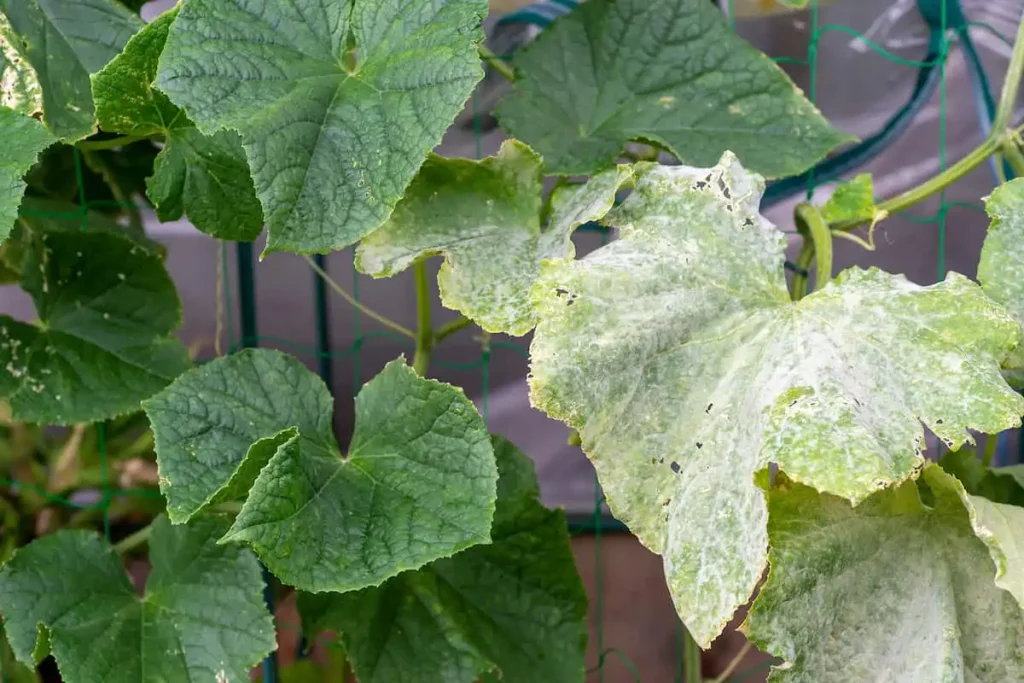
Types of Disease Resistance:
| Resistance Type | Description | Example |
|---|---|---|
| Qualitative (Major Gene) Resistance | Controlled by a single gene, provides strong resistance but may be overcome by pathogen evolution | Wheat rust resistance gene Sr31 |
| Quantitative (Polygenic) Resistance | Controlled by multiple genes, provides partial but durable resistance | Rice blast resistance |
| Induced Resistance | Plant’s resistance triggered by environmental factors or treatments | Tomato resistance via salicylic acid |
Role of Genetics in Disease-Resistant Plants
Genetic research allows scientists to identify resistance genes (R-genes) in plants and transfer them to susceptible varieties. Methods include:
- CRISPR and Gene Editing: Precise editing of plant DNA to confer resistance without altering other traits.
- Conventional Breeding: Cross-breeding resistant and high-yielding varieties to combine desirable traits.
- Marker-Assisted Selection (MAS): Using DNA markers to identify plants carrying resistance genes early in the breeding process.
- Genetic Engineering: Introducing or modifying specific genes to enhance disease resistance.

Examples of Disease-Resistant Crops
Here are some crops that have benefited from genetic disease resistance programs:
| Crop | Disease Targeted | Genetic Approach | Outcome |
|---|---|---|---|
| Wheat | Stem rust | R-gene introgression | Resistant variety ‘Sr31’ |
| Rice | Blast disease | MAS and polygenic resistance | Higher yield under disease pressure |
| Tomato | Tomato yellow leaf curl virus | Transgenic expression of R-gene | Significant reduction in infection rates |
| Potato | Late blight | CRISPR and conventional breeding | Durable resistance, reduced fungicide use |
| Banana | Fusarium wilt | Gene editing | Experimental varieties showing strong resistance |
These examples demonstrate the versatility of genetics in producing crops that are more resilient, sustainable, and profitable.
Benefits of Disease-Resistant Plant Varieties
Genetic disease resistance offers numerous advantages for farmers, consumers, and the environment:
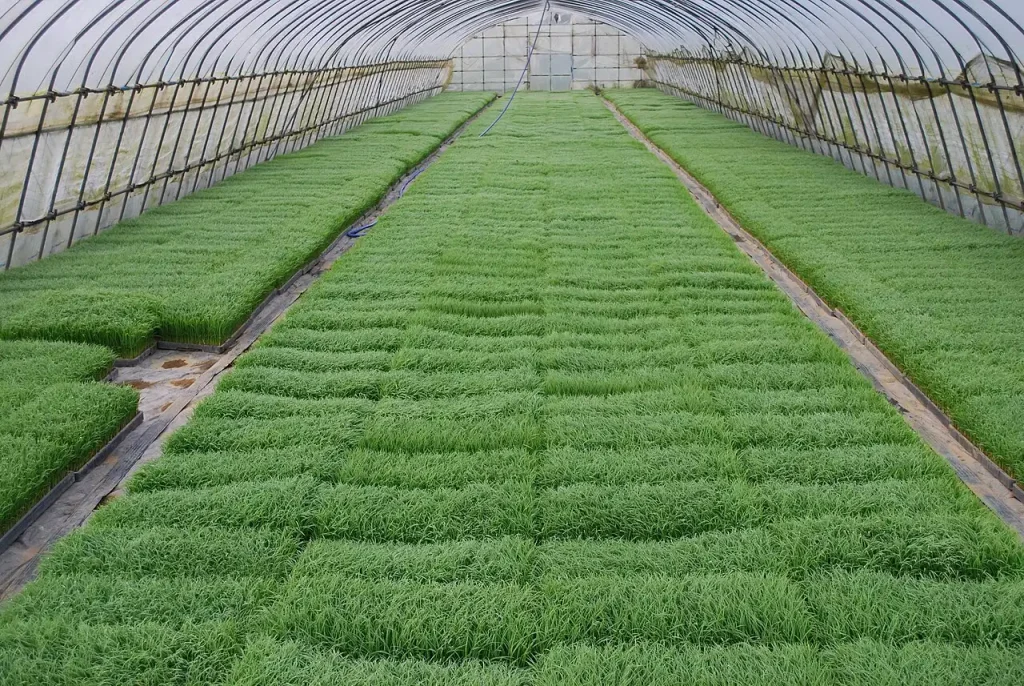
- Food Security: Ensures stable food supplies by minimizing crop losses.
- Higher Yield: Resistant plants suffer less damage, leading to increased productivity.
- Reduced Chemical Use: Less reliance on fungicides and pesticides lowers costs and environmental impact.
- Sustainable Farming: Promotes long-term crop health and soil fertility.
- Climate Resilience: Some resistance genes also provide tolerance to stress conditions like drought or heat.
Challenges and Considerations
Despite the promise of genetic resistance, there are challenges:
- Accessibility: Advanced breeding techniques may not be affordable for small-scale farmers.
- Pathogen Evolution: Some pathogens can adapt to overcome plant resistance genes.
- Genetic Diversity Loss: Focusing on specific resistance genes may reduce overall genetic diversity.
- Regulatory and Ethical Issues: Particularly for genetically modified crops.
| Challenge | Potential Solution |
|---|---|
| Pathogen Adaptation | Use polygenic resistance and gene pyramiding |
| Genetic Diversity Loss | Maintain seed banks and multiple resistant varieties |
| Regulatory Hurdles | Compliance with local GM regulations |
| Accessibility | Government subsidies and farmer education programs |
Future Directions
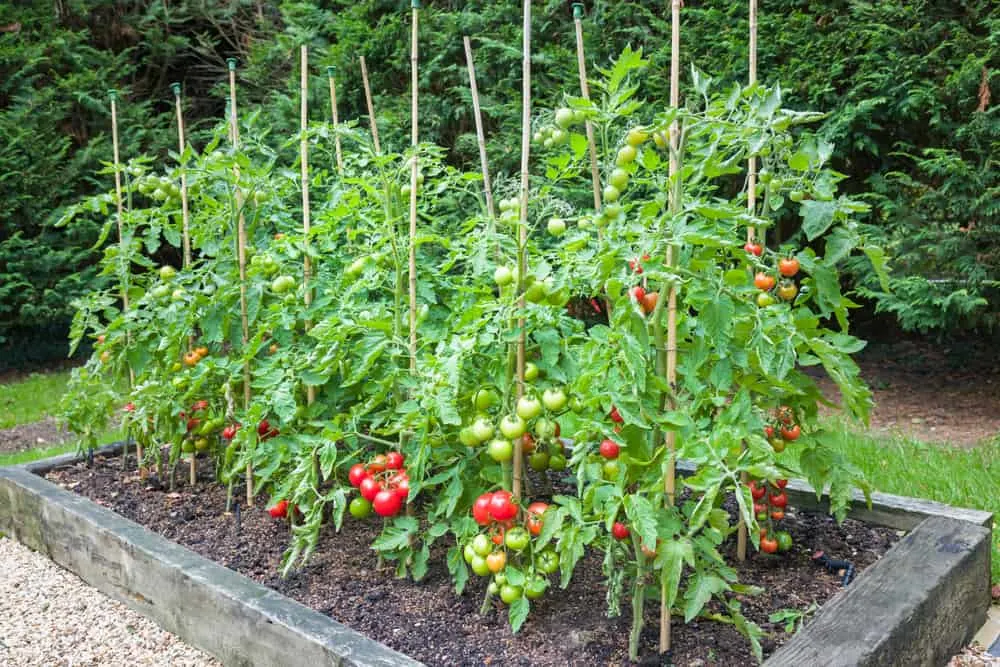
The future of disease-resistant plants lies in combining traditional knowledge with cutting-edge technology:
- Global Collaboration: Sharing resistant varieties and knowledge to combat emerging plant diseases worldwide.
- Genome-wide association studies (GWAS): Identify resistance genes across diverse populations.
- Pyramiding Genes: Stacking multiple resistance genes for durable protection.
- Precision Breeding: Combining MAS, CRISPR, and AI for predictive breeding.
Conclusion
Genetics is transforming agriculture by enabling the development of disease-resistant plant varieties that are stronger, healthier, and more productive. From traditional breeding to advanced gene editing, these approaches help farmers reduce losses, protect the environment, and ensure global food security. While challenges remain, the integration of genetic tools with sustainable farming practices offers a promising path toward resilient and thriving crops.
Investing in genetic disease resistance is not just about improving yields, it’s about creating a future where crops can survive, thrive, and feed the world efficiently.


