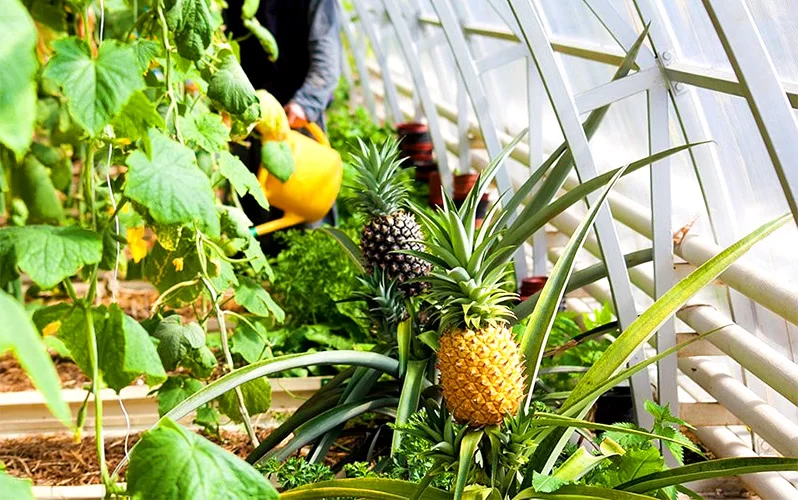
Growing Exotic fruits under glass is absolutely possible—and rewarding—even far from the tropics. With the right structure, controls, and crop choices, you can harvest mango, dragon fruit, passion fruit, pineapple, and more. However, this guide blends practical horticultural experience with credible research so you can plan confidently and avoid costly mistakes. Let’s build a greenhouse program that keeps Exotic fruits thriving year-round.
Why a Greenhouse for Exotic fruits?

A greenhouse gives you precise control over heat, light, humidity, and wind—key factors for Exotic fruits. It also protects tender foliage and flowers from frost and storms, which slashes losses. With good management, you’ll extend seasons, stabilize fruit set, and improve flavor consistency.
- Create tropical microclimates even in temperate zones
- Reduce pest pressure with screening and sanitation
- Optimize irrigation, feeding, and CO2 for steady growth
- Hand-pollinate or manage pollinators for reliable fruiting
Plan Your Exotic fruits Greenhouse
Careful planning prevents most setbacks. Start with your goals, footprint, and budget, then choose crops to match your environment.
Choose climate-suited cultivars
Not all varieties behave the same under glass. Favor compact or dwarf types.
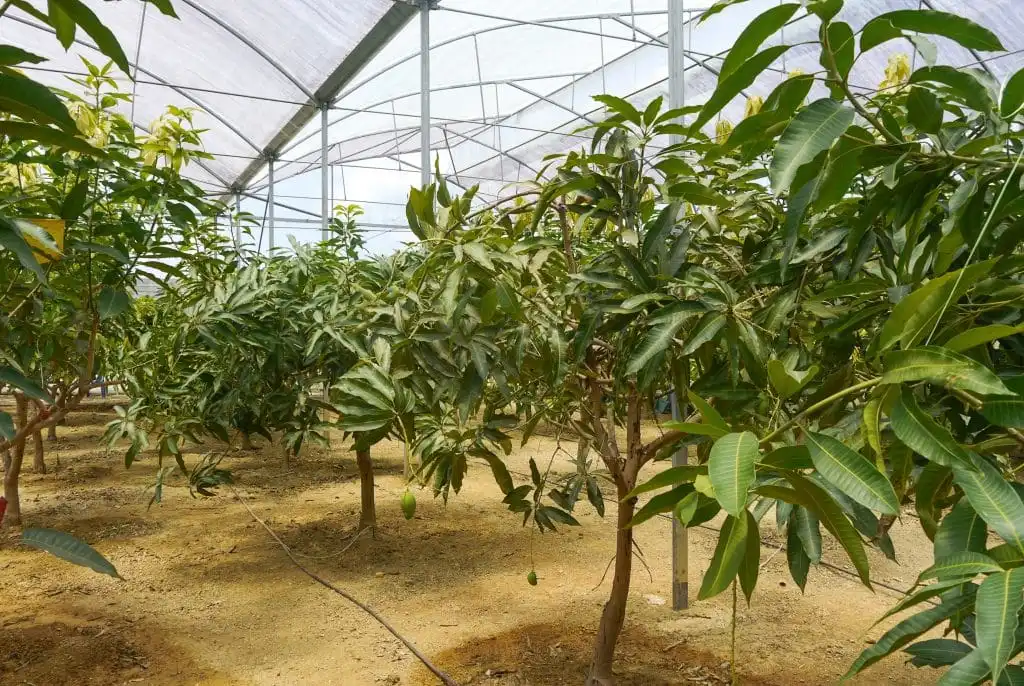
- Mango: Dwarf/semi-dwarf (e.g., ‘Nam Doc Mai’, ‘Pickering’)
- Dragon fruit (pitaya): Self-fertile types if possible (e.g., ‘Sugar Dragon’)
- Passion fruit: Purple edulis selections are more cold-tolerant; yellow often needs cross-pollination
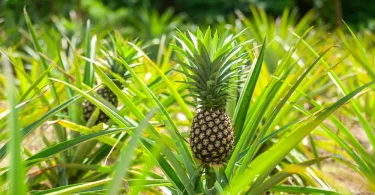
- Pineapple: ‘Sugarloaf’, ‘Smooth Cayenne’ do well in containers
- Guava: ‘Thai Maroon’, ‘Ruby Supreme’ perform reliably
Space, structure, and training
Exotic fruits need support and headroom but must be kept manageable. Use trellises, T-posts, and pruning to maintain a productive canopy.
- Provide 2–3 m headroom for vines and small trees
- Train dragon fruit up a post with an “umbrella” top ring
- Use horizontal wires for passion fruit; maintain a single leader
Zone your greenhouse
Different Exotic fruits prefer different conditions. Create zones to match needs.
- Warm-wet zone: Bananas, papaya (higher humidity, frequent watering)
- Warm-dry zone: Dragon fruit, pineapple (excellent drainage, lower humidity)
- Moderately humid zone: Mango, guava, passion fruit (balanced airflow and moisture)
Build the Right Environment

Dialing in climate and nutrition is where greenhouses shine. Instruments and routine monitoring turn guesswork into repeatable results.
Temperature and humidity targets
Most Exotic fruits thrive at warm days and mild nights.
- Day: 24–30°C (75–86°F); Night: 18–22°C (64–72°F)
- Relative humidity: 60–80% for most crops; dragon fruit prefers the lower end
- Ventilation to keep a gentle 0.2–0.5 m/s airflow
- Use VPD targets of roughly 0.8–1.2 kPa during active growth to balance transpiration
Light and shading
Exotics demand strong light but can sunburn in peak summer.
- Aim for 12–14 hours light; supplement in winter with full-spectrum LEDs
- Daily Light Integral (DLI) of 15–25 mol/m²/day supports steady fruiting
- Add 20–40% shade cloth in heat waves; raise lights as canopies grow
Air movement and CO2
Airflow reduces disease and helps pollination.
- Horizontal airflow (HAF) fans for uniform temps and humidity
- Maintain 800–1,000 ppm CO2 during the light period for stronger growth
- Avoid stagnant corners by spacing plants and lifting skirts/benches

Media, containers, and pH
Container culture gives precise control over drainage and fertility.
- Mix: 40–50% pine bark fines, 30–40% coco coir, 10–20% perlite/pumice
- pH targets: mango/guava/passion fruit 5.8–6.5; pineapple 4.5–6.0; dragon fruit ~6.0–6.5
- Container size: 25–100 L for trees; 15–40 L for vines and pineapple
Irrigation and fertigation
Water and nutrients drive fruit size and flavor.
- Drip irrigation with pressure-compensating emitters for even delivery
- Feed little and often; typical EC 1.2–2.0 mS/cm (adjust by crop)
- Favor higher potassium during flowering and fruit fill (e.g., a 3–1–4 ratio)
- Keep salts in check with periodic leaching; monitor runoff EC/pH
Essential gear list
- Digital thermostat, humidistat, and data logger
- HAF fans, intake/exhaust vents, and shade cloth
- LED grow lights with timers
- Drip lines, inline filter, and fertilizer injector
- Sticky cards, hand lens (10–30x), and pruning tools
- Refractometer (Brix), pH/EC meters, soil moisture probe
Planting and Training for Key Crops
Different growth habits call for different strategies to keep Exotic fruits compact and productive indoors.
Vining crops (passion fruit, dragon fruit)

Passion fruit prefers a single trunk to a horizontal cordon, with side shoots pruned after fruiting. Keep foliage thin for airflow. Dragon fruit needs a sturdy post; top it and let arms drape, pruning hard yearly to renew flowering wood.
Small trees (mango, guava, lychee)
Tip-prune mango to maintain 1.8–2.4 m height and encourage branching; light and airflow prevent powdery mildew. Guava responds well to open-center pruning for light penetration. Lychee benefits from a cool, drier rest in winter to initiate flowering—no frost.
Pineapple and banana
Pineapple likes a snug, well-drained pot and warm roots; avoid overwatering. Bananas want abundant water and potassium, with de-suckering to maintain one main pseudostem plus a follower. Stake tall stems against wind tunnels created by fans.
Pollination and Fruit Set

Greenhouse barriers can reduce natural pollinators, so plan for hand work or managed bees. Proper pollination dramatically improves yield and uniformity in Exotic fruits.
Self-fertile vs. cross-pollinated
- Mango is generally self-fertile but benefits from cross-pollination.
- Passion fruit (purple edulis) is often self-fertile; yellow types commonly need cross-pollination.
- Many dragon fruit varieties are self-sterile; check your cultivar.
Simple hand-pollination steps
- Collect fresh pollen when flowers open (often evening/night for dragon fruit).
- Use a clean brush or cotton swab to transfer pollen to receptive stigmas.
- Label pollinated flowers; maintain moderate humidity and airflow for good set.
- Repeat on sequential blooms for a steady harvest window.
Flower induction tips
- Mango: Mild water stress and slightly cooler nights often encourage floral flushes.
- Pineapple: Induce flowering with ethylene (follow ethephon label) or the classic “apple-in-rosette” trick under a bag for a couple of days.
- Lychee: Provide several weeks of cooler, drier nights to cue bloom.
Integrated Pest and Disease Management (IPM)
A preventative IPM plan keeps Exotic fruits clean without overreliance on sprays. Start clean, monitor weekly, and act early.

Prevention first
- Quarantine new plants 2–3 weeks and inspect with a hand lens
- Sanitize benches, tools, and pots; remove weeds and debris
- Use insect screening on vents and seal gaps
Common issues to watch
- Pests: Spider mites (hot/dry), mealybugs and scale (on mango/dragon fruit), whiteflies, thrips
- Diseases: Powdery mildew (mango), anthracnose, root rots with poor drainage
- Physiological: Sunscald, nutrient imbalance, blossom drop from heat spikes
Controls that work
- Biologicals: Predatory mites for spider mites, lacewings/parasitoids for soft-bodied pests
- Cultural: Prune for airflow, avoid overhead watering late in the day
- Sprays: Horticultural oils and insecticidal soaps are greenhouse-friendly; use copper or biological fungicides as needed. Always read labels, rotate modes of action, and wear PPE.
Harvest Quality and Postharvest Care
Picking at peak maturity is the easiest way to make Exotic fruits taste extraordinary. Use senses plus simple tools.
- Mango: Fruit shoulders fill, aroma increases; Brix often 14–18+
- Dragon fruit: Skin turns vivid; bracts wither slightly; Brix 15–20
- Passion fruit: Color deepens; slight wrinkling signals sweetness
- Pineapple: Partial yellowing from base; strong aroma; handle gently
Many exotics are chill-sensitive. Avoid storing mango or pineapple below ~10–13°C (50–55°F) and bananas below ~13°C (55°F). Keep humidity moderate to limit rot.
A Simple Year-Round Calendar
- Winter: Maintain minimum temps, add light, prune lightly, plan new plantings
- Spring: Pot-up, boost feeding, hand-pollinate early blooms, deploy beneficials
- Summer: Manage shade/venting, thin fruit, leach salts, scout twice weekly
- Fall: Taper nitrogen, ripen fruit, sanitize, and prep for cool-season climate
Why you can trust this guide
This approach reflects hands-on greenhouse practice paired with university-backed recommendations. The targets and techniques above align with extension guidance and proven commercial methods. For deeper dives, consult:
- University of Florida IFAS: Mango, Dragon Fruit (Pitaya), Lychee, Passion Fruit, Pineapple home-growing guides
- UC ANR Integrated Pest Management (UC IPM) for greenhouse pests
- Royal Horticultural Society (RHS) greenhouse best practices

Conclusion: Start Your Exotic fruits Greenhouse Now
With a sound plan, stable climate, and attentive IPM, Exotic fruits can flourish under glass and deliver remarkable flavor. Begin with two crops—say dragon fruit and passion fruit—master the environment, then add a dwarf mango or pineapple. Ready to get growing? Map your zones, assemble your gear, and plant your first Exotic fruits this month—your future harvests will thank you.