Fall is an often-overlooked season for gardening, but it’s actually the ideal time to plant native species. This fall planting guide will walk you through everything you need to know to successfully establish a thriving native plant garden as the weather cools. You’ll understand the benefits, select the right plants, and execute your planting plan.
Embracing native plants in your landscape offers a multitude of ecological advantages. These species are adapted to your local climate and soil conditions, requiring less water, fertilizer, and maintenance once established. They also provide crucial food and habitat for local wildlife, supporting biodiversity and contributing to a healthier ecosystem. Planting in the fall allows roots to establish themselves over the winter, giving your plants a significant head start come spring. This guide will equip you with the knowledge and confidence to transform your yard into a vibrant, sustainable, and wildlife-friendly haven. We’ll cover the “why” and the “how” of fall native plant gardening, ensuring your success.
Why Fall is the Best Time to Plant Native Plants
Planting native plants during autumn offers many smart advantages. It helps your plants grow strong. It also makes your gardening work easier. This season provides perfect conditions for new life.

Root Establishment and Winter Dormancy
Cooler fall temperatures send a special signal to plants. They encourage roots to grow deep and wide. The soil often holds more moisture, helping new roots spread. While the top of the plant might rest, hidden below ground, roots are building a strong base for future growth. This root growth during dormancy means your native plants will burst with energy when spring arrives.
Reduced Transplant Shock and Stress
Planting in fall means plants do not face summer’s harsh heat. Hot days and dry spells can really stress young plants. By contrast, cool fall weather and steady rain reduce this shock. Your newly planted natives have an easier time settling in. This leads to higher survival rates for your valuable new additions.
Supporting Local Ecosystems

Planting native species in the fall helps local wildlife in big ways. Many pollinators need late-season food sources before winter. Birds also rely on native seeds and berries for energy. Your fall planting provides future food and shelter. It supports the entire local ecosystem as animals prepare for the colder months or their spring return.
Choosing the Right Native Plants for Your Region
Picking the correct native plants is key for a garden that lasts. Your location and yard conditions matter a lot. A little research helps you choose plants that will truly thrive.
Understanding Your Local Ecoregion
Every area has its own unique mix of plants that belong there. These plants are native to your specific geographic area. Using plants from your local ecoregion means they are perfectly suited to the climate. Websites like the Lady Bird Johnson Wildflower Center or your local extension office can help you find native plant lists for your zip code. This ensures your choices are truly native and beneficial.
Assessing Site Conditions: Sun, Soil, and Moisture
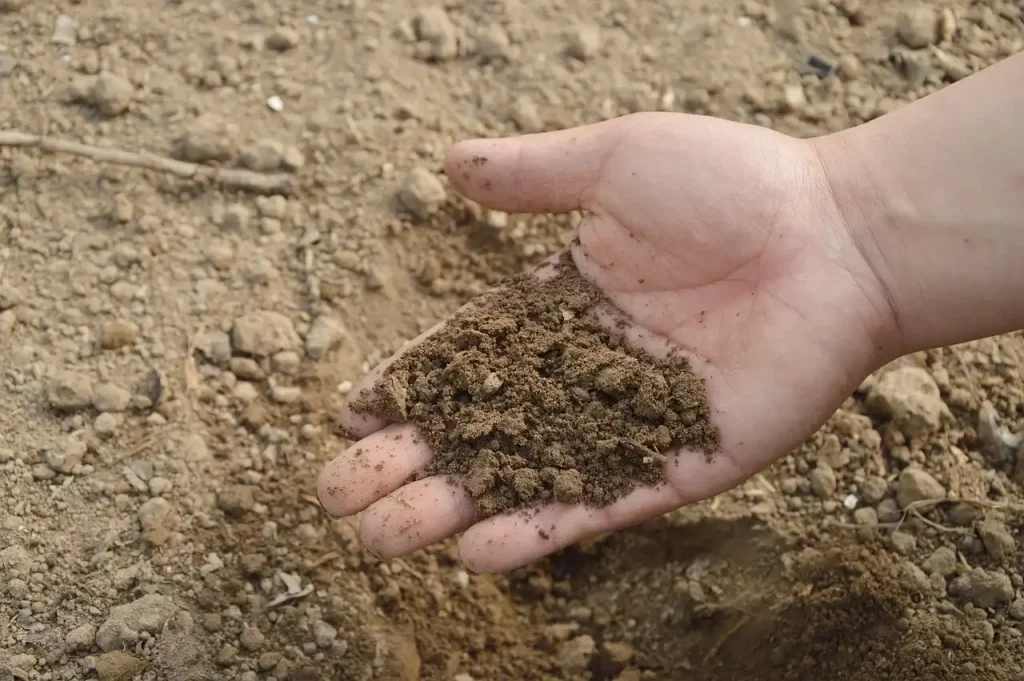
Before you buy plants, look closely at your yard. How much sun does the area get each day? Is your soil mostly clay, sand, or a mix? How well does water drain after a rain? Knowing these facts helps you pick plants that will naturally love your conditions. Matching plants to their preferred site conditions is a simple step for long-term success.
Selecting Plants for Specific Goals
Do you want to attract more butterflies or birds? Are you looking for bright fall color or a natural privacy screen? Native plants can fulfill many different roles. For example, asters and goldenrod draw pollinators in autumn. Native grasses can stabilize soil on slopes. Think about what you hope your garden will achieve. Then, choose plants that fit those goals, creating a purposeful and beautiful native plant garden.
Preparing Your Planting Site for Success
Good site preparation sets your native plants up for long life. It gets rid of unwanted plants and makes the soil ready. Taking these steps before planting makes a big difference.
Clearing Existing Vegetation

The first step is to remove any grass, weeds, or non-native plants from your chosen spot. These can compete with your new natives for water and nutrients. You can try sheet mulching, which involves layering cardboard and organic materials. Another option is solarization, using clear plastic to heat and sterilize the soil. Try to avoid strong chemical herbicides, keeping your native garden as natural as possible.
Improving Soil Health (If Necessary)
Many native plants do best in the soil they grew up in. They don’t always need rich soil like garden vegetables do. If a soil test shows your soil is very poor, you might add a little compost. This adds organic matter and improves structure. However, too much rich soil can sometimes hurt native plants. Many prefer leaner conditions, so only amend if it’s truly needed.
Planning Your Layout and Spacing
Before digging, think about how your garden will look. Consider the mature size of each plant to avoid overcrowding. Group plants that need similar amounts of sun and water together. Plan for different bloom times to keep your garden interesting all year. Proper spacing gives each plant room to grow and allows for good airflow, which keeps plants healthy.

The Fall Planting Guide Process: Step-by-Step
Putting your native plants in the ground is an exciting step. Following a few simple actions will help ensure their roots get a good start. This process is straightforward and rewarding.
Digging the Right Size Hole
When you dig a hole, make it just as deep as the plant’s root ball. This means the top of the root ball should be even with the ground. Make the hole two to three times wider than the root ball. This wider hole gives roots plenty of loose soil to spread out into. A well-sized hole helps roots expand easily.
Gently Preparing the Root Ball
Carefully take the plant out of its container. Sometimes, roots can grow in circles inside the pot. Gently tease apart any circling roots with your fingers. This encourages them to grow outwards into the new soil. If the roots are very dense, you can make a few small cuts down the sides of the root ball. This helps break up the pattern and promotes new growth.
Planting and Backfilling
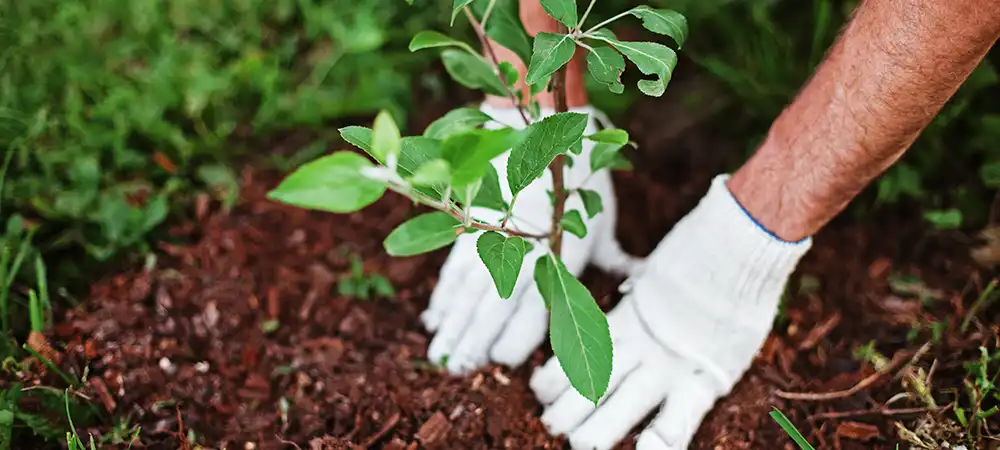
Place your native plant into the prepared hole. Make sure the top of the root ball is level with the surrounding ground. Then, use the soil you dug out to backfill around the root ball. Gently firm the soil around the base of the plant. This removes any air pockets that could dry out the roots. You want the plant to be stable and snug in its new home.
Watering and Mulching
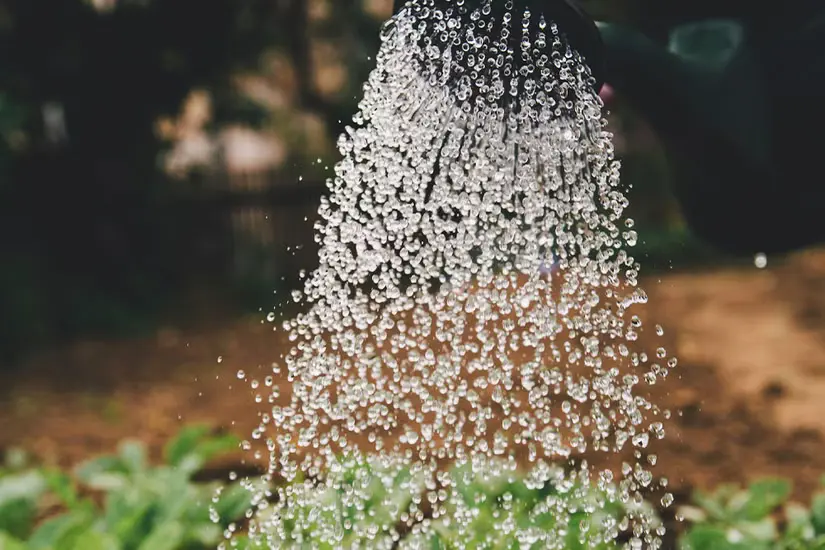
After planting, give your new native plant a good, thorough drink of water. This helps settle the soil around the roots. Next, add a two to three-inch layer of natural mulch around the plant. Keep the mulch a few inches away from the stem to prevent rot. Mulch helps hold moisture in the soil and keeps weeds from growing. This step is vital for new native plant garden success.
Essential Fall Care and Winterizing for Native Plants
Fall care for new native plants is simple, yet very important. It ensures they survive the winter and come back strong. A little attention now pays off big later.
Watering Needs in Fall and Early Winter
Even though temperatures drop, newly planted native plants still need water. Their roots are actively growing and establishing themselves. Water them deeply once a week, especially if it hasn’t rained. Keep an eye on the soil; it should stay moist, but not soaking wet. Proper moisture through fall helps roots get ready for colder, drier winter conditions.
The Role of Mulch in Winter Protection

Mulch is like a warm blanket for your native plants. A layer of organic mulch, like shredded leaves or wood chips, does a lot of good. It insulates the soil, keeping roots from freezing and thawing too often. This prevents “frost heaving,” where plants can be pushed out of the ground. Mulch also continues to hold moisture, protecting plants through the winter’s dry spells.
Minimal Pruning and Cleanup
Resist the urge to heavily prune your native plants in the fall. Many native species provide valuable resources for wildlife during winter. Leaving seed heads provides food for birds. Hollow stems offer shelter for beneficial insects. You can remove any diseased or damaged branches. Otherwise, it’s best to leave your native plants mostly intact until spring cleanup.
Benefits of a Native Plant Garden Beyond Planting Season
A native plant garden offers joy and ecological rewards far past the initial planting. It creates a vibrant, living space that changes with the seasons. You’ll see the rewards year after year.

Attracting and Supporting Wildlife Year-Round
Your native plants create a vital buffet and home for local creatures. In the fall, they offer seeds and berries that birds love. During winter, plant structures provide shelter from cold and snow. As spring arrives, your garden becomes a hub for returning pollinators and nesting birds. This continuous support helps maintain a healthy, active local ecosystem.
Reduced Maintenance and Water Usage
Once your native plants are established, they demand very little from you. They are naturally adapted to your local rainfall and soil. This means less watering, especially after their first year. You also won’t need to add much fertilizer. This saves you time, money, and conserves precious water resources. Your garden works with nature, not against it.
Enhancing Biodiversity and Environmental Health

By choosing native plants, you’re doing more than just gardening. You’re helping to heal the environment. Native gardens bring back lost plant and animal species. They create a healthier soil, filter rainwater, and clean the air. Your small garden contributes to a larger network of healthy habitats. This makes your community and the planet more resilient.
Conclusion: Your Native Garden Awaits
Fall is truly the best season to start or expand your native plant garden. The cool weather and moist soil create ideal conditions for strong root growth. By following this guide, you prepare your plants for a healthy, thriving future. You’re setting up a beautiful space that supports local wildlife and conserves resources.
Key Takeaways for Successful Fall Native Planting
Remember these important steps for a flourishing native plant garden. First, pick plants truly native to your specific area. Second, prepare your site by clearing weeds and checking your soil. Third, plant correctly, ensuring good root contact and proper depth. Finally, give your new plants vital fall water and mulch them well for winter protection. These actions ensure their success.
Embracing a Sustainable and Beautiful Landscape
Embrace the joy of growing a native garden. It’s an act of beauty, sustainability, and ecological stewardship. Your efforts will result in a landscape that’s both stunning and a haven for wildlife. Imagine the birds, bees, and butterflies that will visit your yard. Start your fall planting journey today and watch your sustainable garden come to life next spring.