Healthy soil is the foundation of every successful garden and farm. Without fertile soil, plants struggle to grow, yields decrease, and pests become more aggressive. While chemical fertilizers may offer quick results, they slowly damage soil structure, kill beneficial organisms, and reduce long-term productivity.
That’s why more gardeners and farmers are turning toward maintaining fertile soil without chemicals — a natural, sustainable, and cost-effective solution that improves soil health for years to come.
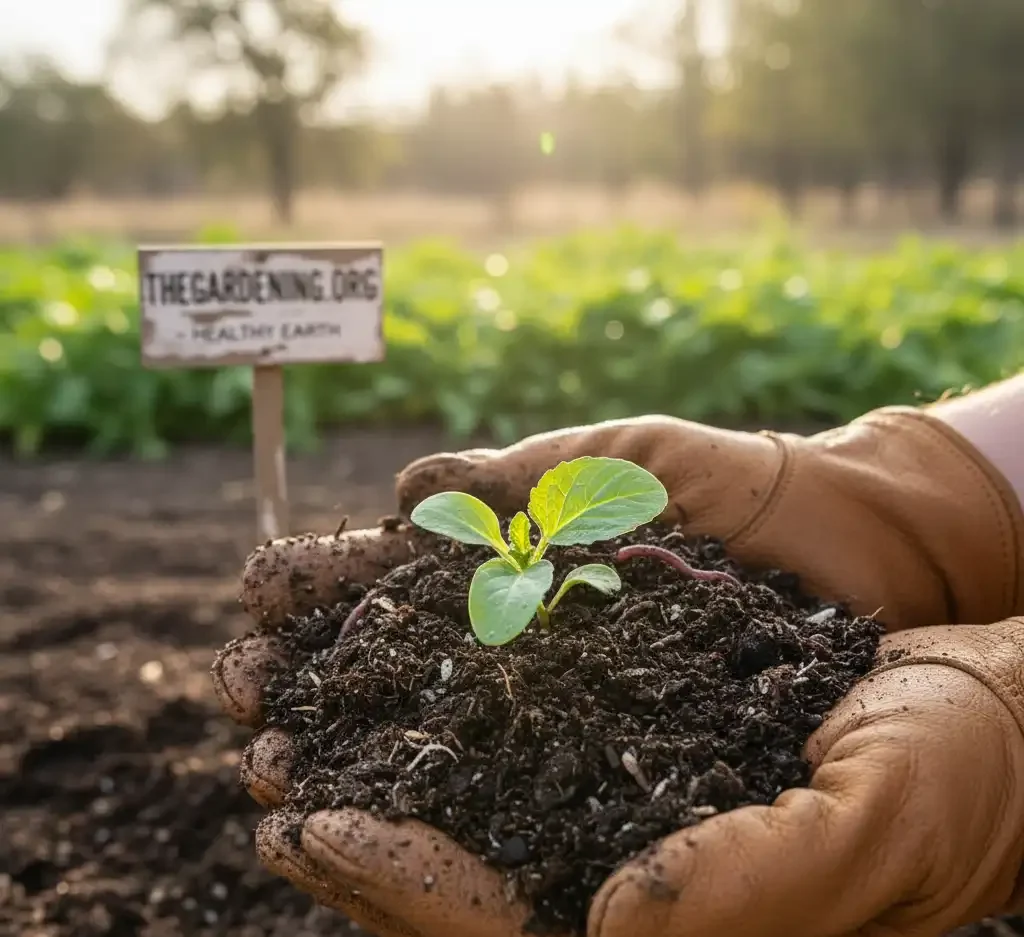
In this ultimate guide, you’ll learn:
- Why chemical-free soil is better
- How soil fertility works naturally
- Proven organic techniques to enrich soil
- Common soil problems and how to fix them
- Long-term strategies for sustainable farming
Natural Ways to Maintain Fertile Soil Without Chemicals
1. Composting – Nature’s Best Fertilizer
Compost is decomposed organic matter that feeds soil microbes and enriches soil naturally.
Benefits:
- Adds organic matter
- Improves moisture retention
- Supplies essential nutrients
- Enhances soil structure
What to Compost:

- Vegetable scraps
- Fruit peels
- Dry leaves
- Grass clippings
- Coffee grounds
- Egg shells
How to Use:
- Mix compost into soil before planting
- Apply as top dressing around plants
- Use as mulch
2. Crop Rotation
Growing the same crop repeatedly depletes soil nutrients and attracts pests.
Solution:
Rotate crops each season:
- Legumes (fix nitrogen)
- Leafy greens (use nitrogen)
- Root crops (loosen soil)
- Fruit crops (use phosphorus & potassium)
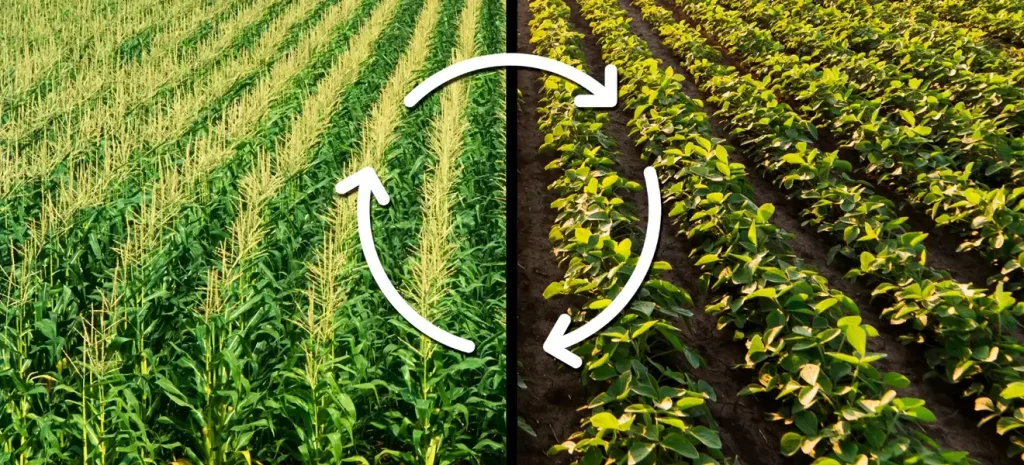
This keeps soil balanced and fertile naturally.
3. Green Manure & Cover Crops
Cover crops are plants grown to protect and enrich soil.
Best Cover Crops:
- Clover
- Alfalfa
- Rye
- Mustard
- Cowpeas
Benefits:
- Prevent erosion
- Improve soil structure
- Add organic matter
- Fix nitrogen
- Suppress weeds
Cut and mix them into soil before flowering for maximum benefit.

4. Mulching
Mulch protects soil from sun, wind, and rain erosion.
Organic Mulch Options:
- Straw
- Dry leaves
- Grass clippings
- Wood chips
- Coconut husk
Benefits:
- Retains moisture
- Controls weeds
- Regulates temperature
- Improves organic matter
Apply 2–3 inches of mulch around plants.

5. Natural Fertilizers
Instead of chemicals, use these organic nutrient sources:
| Natural Fertilizer | Nutrient Benefit |
|---|---|
| Compost | Balanced nutrients |
| Vermicompost | Rich in microbes |
| Bone meal | Phosphorus |
| Neem cake | Nitrogen + pest control |
| Fish emulsion | Fast nitrogen |
| Seaweed extract | Trace minerals |
6. Earthworms – The Soil Engineers
Earthworms improve soil fertility by:
- Creating air tunnels
- Improving drainage
- Producing nutrient-rich castings
- Breaking down organic matter

Encourage earthworms by:
- Adding compost
- Avoiding pesticides
- Keeping soil moist
7. No-Till Farming
Tilling disturbs soil life and structure.
Instead:
- Use mulch to suppress weeds
- Plant directly into compost
- Let soil organisms do the work
No-till methods improve fertility over time.
8. Biofertilizers
Biofertilizers contain beneficial microbes that enhance nutrient availability.

Examples:
- Rhizobium (nitrogen fixation)
- Mycorrhiza (root nutrient absorption)
- Azotobacter (nitrogen fixing bacteria)
They improve soil health naturally.
Environmental Impact of Natural Soil Fertility
Chemical-free soil:
- Protects water resources
- Reduces greenhouse gases
- Improves biodiversity
- Supports pollinators
- Prevents land degradation
Sustainable soil = sustainable future.
Troubleshooting Table for Soil Fertility Problems
| Problem | Symptoms | Cause | Natural Solution |
|---|---|---|---|
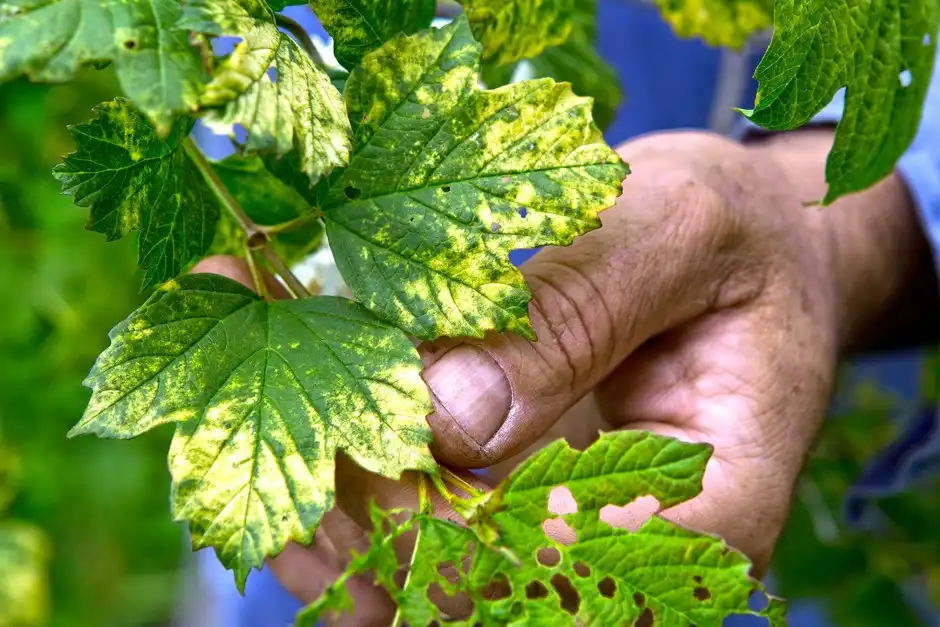
| Poor plant growth | Yellow leaves, slow growth | Low nitrogen | Add compost, vermicompost, neem cake |
| Hard compacted soil | Water pooling, poor roots | Lack of organic matter | Add compost, mulch, grow cover crops |
| Low soil moisture | Dry, cracked soil | No mulch | Apply organic mulch |
| Pest infestation | Holes in leaves | Imbalanced soil | Use neem oil, healthy compost |
| Nutrient deficiency | Pale leaves | Poor soil biology | Add biofertilizers |
| Soil erosion | Exposed roots | No ground cover | Grow cover crops |
| Acidic soil | Poor growth | Chemical residue | Add wood ash, compost |
| Alkaline soil | Nutrient lock | High salts | Add compost, organic matter |
| Fungal diseases | Root rot | Poor drainage | Improve soil structure |
| Low earthworms | Lifeless soil | Chemicals used | Add organic matter |
Final Thoughts
Maintaining fertile soil without chemicals is not just an agricultural practice, it’s a commitment to nature, sustainability, and future generations. By adopting natural methods like composting, mulching, crop rotation, and cover cropping, you create a living ecosystem beneath your feet.
Healthy soil grows healthy plants.
Healthy plants feed healthy people.
Healthy practices protect our planet.