Fire-Resistant Landscaping Plants: If you own a home in California, you know about the wildfire risks. The state’s dry weather and plants make it a high-risk area for fires. It’s important to protect your home by taking action.
One good way to protect your home is by using fire-safe landscaping. Choosing the right plants and designing your yard for defensible space can help. This can greatly lower the chance of fires reaching your home.
It’s possible to have a beautiful and safe yard that meets local fire codes. In this article, we’ll talk about the need for fire-resistant plants. We’ll also share tips on how to keep your California home safe from wildfires.

Key Takeaways
- Understand the importance of fire-safe landscaping for California homes.
- Learn how to create defensible space around your property.
- Discover the benefits of using fire-resistant plants in your yard.
- Get insights on designing a beautiful and safe yard that complies with local fire codes.
- Find out how to protect your home from wildfires with the right landscaping choices.
Understanding Wildfire Risk in California
Knowing about wildfire risks is key for California homeowners. The state’s varied landscape and climate make it a hotspot for wildfires. This makes it important for homeowners to take steps to protect their homes.
California’s Unique Fire Ecology
California’s fires have shaped its plants over thousands of years. But, human actions and climate change have changed this. Now, wildfires are more common and severe. Homeowners need to understand these risks and act to reduce them.
The Importance of Defensible Space
Having a defensible space around your home is vital. This means removing flammable plants and debris. It helps keep wildfires away from your home.

How Plants Contribute to Fire Risk
Some plants are more likely to start and spread fires. Plants with lots of oil, dry leaves, or fluffy material are at risk. Choosing fire-resistant plants and keeping them in good shape can lower this risk.
| Plant Characteristics | Fire Risk Level |
|---|---|
| High oil content, dry foliage | High |
| Low oil content, moist foliage | Low |
Principles of Fire-Resistant Landscaping
Fire-resistant landscaping is more than just making your yard look good. It’s a key way to protect your home from wildfires. By using the right methods, you can lower the chance of your home getting damaged in a fire.
Plant Selection and Placement
Choosing the right plants is key for a fire-safe yard. Choose plants with low fuel volumes, like succulents and thick-leaved plants. Stay away from plants that burn easily, like junipers and pines. Also, place plants far from buildings and power lines.
Creating Fuel Breaks
A fuel break is an area with less flammable plants, acting as a barrier against wildfires. Place fuel breaks around your home, especially near buildings and fences.

Hardscaping Elements
Adding patios, walkways, and driveways can make your yard fire-resistant. These areas are not just useful but also help stop wildfires from spreading.
Irrigation Considerations
Good irrigation is essential for a fire-safe yard. Make sure your irrigation system works well to keep plants healthy and less likely to catch fire. Use plants that don’t need much water.
| Landscaping Element | Fire-Resistant Feature | Benefit |
|---|---|---|
| Succulents | Low fuel volume | Reduces wildfire risk |
| Fuel Breaks | Clearing flammable vegetation | Creates a barrier against wildfires |
| Hardscaping | Non-combustible materials | Slows down or stops wildfire spread |
| Irrigation System | Maintains plant health | Reduces ignition risk |

By following these tips, you can make a beautiful and safe yard. It will protect your California home from wildfires.
Fire-Resistant Landscaping Plants for California Homes
Protecting your California home from wildfires is crucial. The plants in your landscape play a big role. Choosing fire-resistant plants can greatly reduce the risk of your yard catching fire and spreading to your home.
Native California Fire-Resistant Plants
Native California plants are well-suited for the state’s climate. They are great for fire-resistant landscaping. Here are a few examples:
- California Lilac (Ceanothus): A drought-tolerant shrub that is highly fire-resistant.
- Toyon (Heteromeles arbutifolia): Also known as Christmas Berry, this shrub is native to California and is known for its fire resistance.
Drought-Tolerant Fire-Resistant Options
Drought-tolerant plants save water and can fight fires well. Here are some:
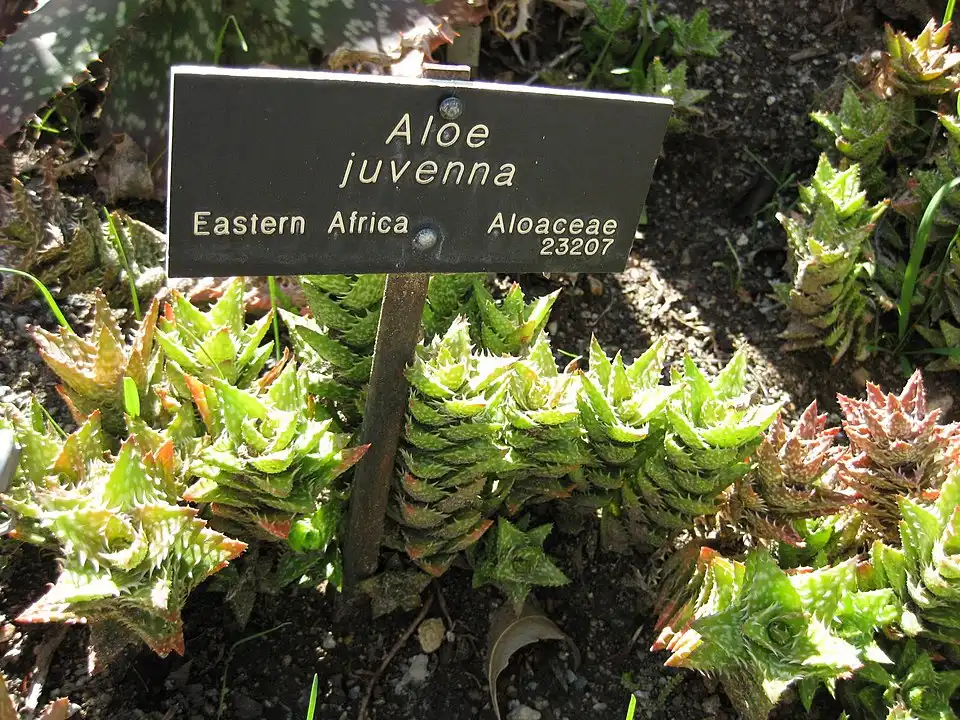
- Succulents: Plants like aloe, agave, and echeveria are highly drought-tolerant and can help reduce fire risk.
- Lavender: Known for its beauty and fragrance, lavender is also highly fire-resistant.
California Lavender, Society Garlic, and Ornamental Strawberry
Some plants are both fire-resistant and beautiful. California Lavender is stunning and fire-resistant. Society Garlic is fire-resistant and deer-resistant, perfect for California homes. Ornamental Strawberry is a fire-resistant ground cover with attractive flowers.
Ground Covers and Lawn Alternatives
Traditional lawns can catch fire easily. But, there are fire-resistant ground covers and lawn alternatives. Here are a few:
| Plant | Fire Resistance | Water Needs |
|---|---|---|
| Dymondia margaretae | High | Low |
| Delosperma | High | Low to Moderate |
| Creeping Juniper | Moderate to High | Low |

By using these fire-resistant plants, you can make your outdoor space beautiful and safe. It also helps protect your home from wildfires.
Designing Your Fire-Resistant Landscape
Creating a landscape that can fight off wildfires is more than picking the right plants. It’s about planning zones, spacing plants, adding hardscape, and thinking about your area’s climate.
Zone Planning Around Your Home
Having a defensible space around your home is key for safety. Start by dividing your yard into zones. The closest zone to your home should use non-flammable materials and plants that don’t burn easily.
Further away, you can add more plants. But make sure they’re spaced right to lower fire risk.
Plant Spacing and Arrangement
It’s important to space plants correctly to stop fires from spreading. Leave enough room between plants to break fuel continuity. Mix plants with different growth and fuel loads for a strong landscape.
Incorporating Hardscape Features
Hardscape features like patios and driveways can act as fire breaks. They help slow or stop wildfires. Adding these to your design can make your yard safer.

Regional Considerations for Different California Climates
California’s varied climates mean different needs for fire-resistant landscapes. In dry areas, focus on plants that don’t need much water and efficient watering systems. In cooler, wetter places, you can choose from a wider variety of plants.
Knowing your area’s climate is crucial for a landscape that’s both safe and beautiful. By choosing the right plants, water systems, and hardscape, you can meet fire safety rules and improve your property’s look and value.
Maintaining Your Fire-Resistant Garden
A well-maintained fire-resistant garden is your first line of defense against California wildfires. To keep your garden in top condition, it’s essential to follow a regular maintenance schedule. This includes pruning, debris management, and proper irrigation practices.

Seasonal Maintenance Schedule
Creating a seasonal maintenance schedule helps ensure your garden remains fire-resistant throughout the year. In the spring, focus on pruning and cleaning up debris. Summer is ideal for inspecting your garden’s irrigation system and making necessary adjustments. In the fall, clear leaves and other combustible materials, and prepare your garden for the dry season.
Pruning and Debris Management
Regular pruning is vital for maintaining the health and fire-resistance of your plants. Remove dead branches and leaves, and dispose of them properly to prevent fire hazards. Keep your garden free of debris, such as fallen leaves and branches, to reduce the risk of wildfires.
Irrigation and Moisture Control
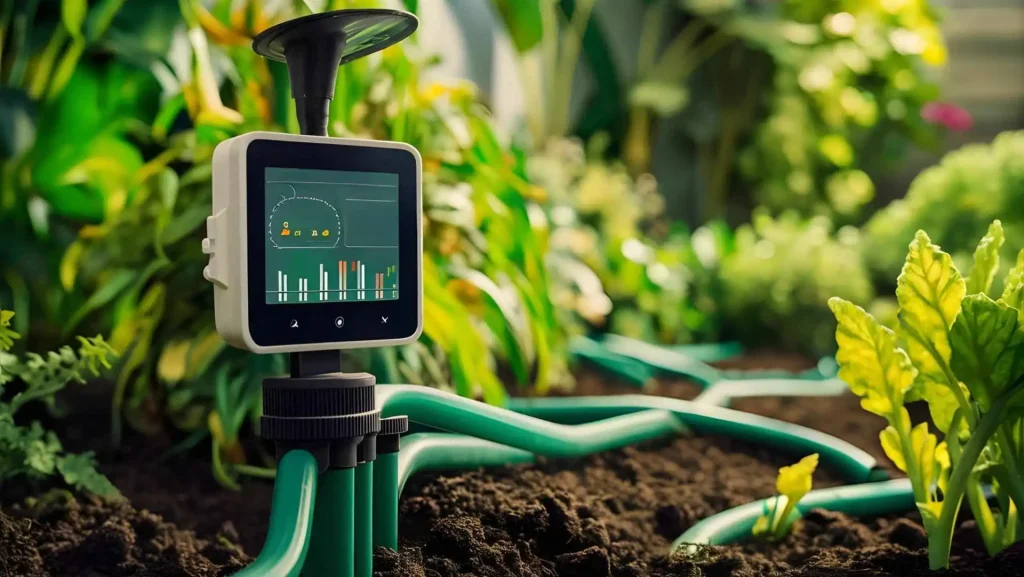
Proper irrigation is crucial for maintaining a fire-resistant garden. Ensure your irrigation system is functioning correctly and adjust it according to weather conditions. Avoid overwatering, which can lead to lush growth that may become a fire hazard during dry periods.
Compliance with Local Fire Codes
Familiarize yourself with local fire codes and regulations regarding fire-resistant landscaping. Compliance is crucial for ensuring your garden meets the necessary standards. This protects your home and community from wildfires.
| Maintenance Task | Season | Frequency |
|---|---|---|
| Pruning | Spring, Fall | As needed |
| Debris Cleanup | Year-round | Monthly |
| Irrigation System Check | Summer | Quarterly |
Conclusion
Creating a fire-resistant landscape is key for California homeowners to protect their homes from wildfires. By choosing the right plants and using smart landscaping, you can lower the risk of damage. This makes your home safer.
To make a wildfire-resistant garden, pick plants native to California. Keep your lawn neat and use gravel or rock for hardscape. Regular upkeep, like pruning and cleaning up debris, is also vital.
By following these tips, you can make a beautiful and safe landscape. It will not only look great but also protect your home from wildfires. Start protecting your California home today with these strategies.