Introduction: Rethinking Traditional Lawns
No Grass Front Yard Ideas: When you imagine a front yard, you likely picture an expanse of green grass. However, traditional lawns often require frequent watering, chemical fertilizers, and constant maintenance. You might not realize it, but grass lawns can contribute to water waste and harm local ecosystems. By stepping away from the lawn-centric mindset, you open up opportunities to create a landscape that’s both sustainable and aesthetically appealing. Incorporating No Grass Front Yard Ideas allows for innovative landscaping choices that enhance your outdoor space.

Consider the environmental benefits of rethinking your front yard. Native ground covers use fewer resources and foster biodiversity, inviting pollinating insects and wildlife to your space. With this shift, you can maximize beauty while minimizing environmental impact. It’s time to explore alternatives!
By embracing No Grass Front Yard Ideas, you can explore a variety of ground cover options that are both beautiful and functional.
The Environmental Impact of Conventional Lawns
Conventional lawns may seem visually appealing, but they often harm the environment in ways you might not expect. Maintaining a lush, green lawn typically requires significant water use, often straining local water supplies. You likely use fertilizers and pesticides to keep the grass free of weeds and pests, but these chemicals can leach into groundwater or run off into nearby rivers, harming aquatic ecosystems.
Rethinking your lawn with No Grass Front Yard Ideas not only benefits the environment but also creates a unique aesthetic that stands out in your neighborhood.
Another issue is biodiversity loss. A monoculture lawn replaces native plants that support local wildlife, reducing habitat for essential species like pollinators. Additionally, frequent mowing contributes to carbon emissions, as gas-powered lawnmowers release pollutants into the atmosphere.
Implementing No Grass Front Yard Ideas can significantly enhance the biodiversity of your outdoor space, making it a haven for local wildlife.
Benefits of Eco-Friendly Lawn Alternatives
Explore various No Grass Front Yard Ideas to ensure your yard remains vibrant and engaging throughout the seasons.
Switching to eco-friendly lawn alternatives offers numerous advantages that support both the environment and your lifestyle. You’ll reduce water consumption significantly, as most native ground covers or drought-resistant plants require minimal irrigation. Cutting out traditional grass also means no need for frequent mowing, saving time, energy, and fuel costs. By choosing organic materials, you’ll avoid chemical fertilizers and pesticides, promoting healthier soil and safer habitats for essential pollinators like bees and butterflies. Additionally, ground covers can suppress weeds naturally, lowering maintenance. These alternatives also prevent soil erosion, improve biodiversity, and enhance the aesthetic appeal of your yard with varied textures and colors.
Ground Covers: Low-Maintenance Green Options
If you’re looking to replace grass with a vibrant, easy-care alternative, ground covers offer an excellent solution. These low-growing plants spread quickly and create a lush, inviting landscape without constant watering or mowing.
Choose native species that adapt well to your region. Options like thyme, clover, or creeping phlox are hardy and require minimal upkeep. For shady areas, consider vinca minor or sweet woodruff, as they thrive without much sunlight.
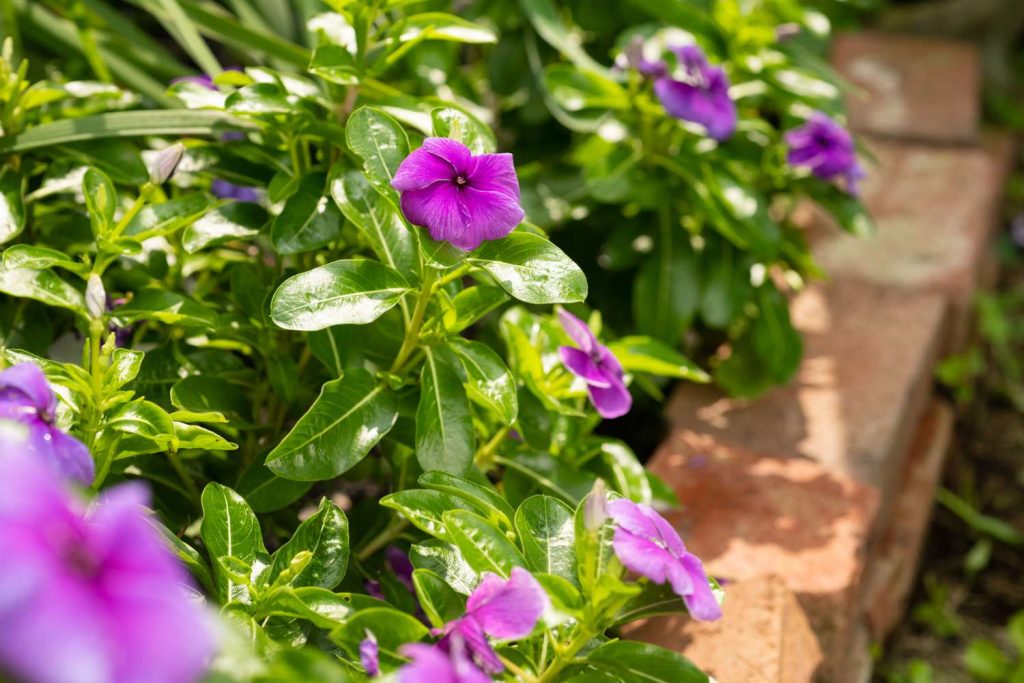
Planting these options can prevent soil erosion, suppress weeds, and add texture to your yard. Many ground covers bloom seasonally, providing visual interest and supporting local pollinators.
Artificial Turf: A Durable and Water-Saving Solution
By following No Grass Front Yard Ideas, you can cultivate a yard that is both low-maintenance and ecologically friendly.
When you consider artificial turf for your front yard, you’re choosing a low-maintenance and eco-friendly alternative. Artificial grass eliminates the need for mowing, watering, and fertilizing, making it a hassle-free option. It’s designed to withstand heavy foot traffic and harsh weather, ensuring longevity.
The beauty of No Grass Front Yard Ideas lies in their versatility, allowing for creative expressions of style in your landscaping.
Implementing No Grass Front Yard Ideas can lead to a more sustainable approach to yard care while enhancing its visual appeal.

With modern advancements, artificial turf looks strikingly realistic. You can select from various shades and textures that blend seamlessly with native plants or decorative elements. Additionally, artificial turf reduces your water usage dramatically, which is beneficial in drought-prone areas.
To enhance aesthetics, pair turf with gravel pathways, natural stone borders, or colorful flower beds.
Native Plants: Embracing Local Flora for a Natural Yard
Choosing native plants for your yard encourages biodiversity, enhances the ecosystem, and minimizes maintenance efforts. Native flora naturally adapts to your region’s soil, climate, and water conditions, making it resilient without excess care. You can replace grass by incorporating native ground covers such as clover, creeping thyme, or wild strawberry for texture and color.
Benefits of Native Plants:
- Low maintenance: They thrive with minimal watering and fertilization.
- Wildlife support: Attract pollinators like bees, butterflies, and birds.
- Eco-friendly: Reduce reliance on pesticides and conserve water.

When planning, focus on species suited to your specific area. Consult local nurseries or extension services for recommendations tailored to your climate zone. Maximizing native species creates a thriving, harmonious yard.
Hardscaping: Incorporating Stones and Patio Spaces
Additionally, considering No Grass Front Yard Ideas can enhance the appeal of your garden and attract more visitors.
Incorporating No Grass Front Yard Ideas can contribute to a climate-resilient garden that adapts to changing weather conditions.
With No Grass Front Yard Ideas, you can achieve a harmonious balance between aesthetics and ecological integrity.
Transforming your front yard with hardscaping allows you to design a visually appealing and low-maintenance space. Use natural stone elements like pavers, flagstone, or gravel to create functional pathways, seating areas, or focal points. Patio spaces are ideal for relaxing or entertaining, adding versatility to your outdoor living area.

Pair stones with edging materials to create clean lines or layered textures. Surround patios with native plants or decorative containers to soften the transition from hard surfaces to greenery. Consider incorporating a water feature or sculptural elements for added interest. Balance is key when combining natural and man-made materials effectively.
Clover Lawns: A Pollinator-Friendly Alternative
Replacing a traditional grass lawn with clover offers numerous benefits. Clover is a low-growing ground cover that stays green year-round and requires less maintenance. You’ll appreciate its ability to thrive in poor soil conditions, eliminating the need for fertilizers. White clover is especially popular due to its resilience and delicate white blooms.
Clover attracts pollinators like bees, butterflies, and moths, improving biodiversity in your yard. It also helps prevent soil erosion and crowds out weeds naturally. You won’t need frequent mowing, as clover grows shorter than grass. For an eco-friendly and visually appealing yard, incorporating clover is a smart and sustainable choice.

Meadow Lawns: Adding Biodiversity to Your Yard
Replace traditional grass with a meadow lawn to transform your yard into a thriving ecosystem. Instead of watering and mowing regularly, you let native wildflowers and grasses flourish. These plants attract pollinators like bees, butterflies, and birds, supporting local biodiversity. Meadow lawns also require fewer resources, such as chemical fertilizers and pesticides, making them environmentally friendly.
Explore the advantages of No Grass Front Yard Ideas and discover how they can reshape your landscape.
Transitioning to No Grass Front Yard Ideas can make a significant difference in the overall health of your yard.
Ultimately, No Grass Front Yard Ideas promote a healthier, more beautiful environment for all.

You can include a mix of flowering species for seasonal blooms and visual appeal. For planting, opt for native varieties as they adapt well to your region’s soil and climate. When maintained correctly, your meadow lawn will ensure a vibrant and lively front yard.
Using Mulch or Gravel for Zero-Maintenance Areas
Implementing No Grass Front Yard Ideas can reduce your ecological footprint while enhancing your property’s beauty.
Switching to mulch or gravel can transform your front yard into a low-maintenance haven. Mulch, such as bark or wood chips, retains soil moisture and suppresses weed growth. Gravel offers durability and an elegant, modern aesthetic while providing excellent drainage.
In summary, incorporating No Grass Front Yard Ideas enhances both aesthetics and environmental benefits.
When applying mulch, you should first lay down landscape fabric to block weeds. Gravel areas benefit from edging to prevent spillage onto pathways. Both options are ideal for creating defined spaces, like around trees or shrubs.

Choose materials that complement your home’s style. For example, river rocks work well for rustic designs, whereas pea gravel suits minimalist settings.
Combining Eco-Friendly Options for a Custom Yard
Crafting an eco-friendly yard lets you mix sustainable elements for a personalized, vibrant space. Start by integrating native ground covers, such as clover or creeping thyme, which thrive without additional watering or fertilization. Add permeable pathways using materials like gravel, crushed stone, or recycled bricks to manage stormwater runoff effectively. Consider incorporating xeriscaping techniques with drought-resistant plants or succulents to minimize water use. Replace traditional mulch with sustainable options like wood chips or straw to retain soil moisture. Introduce pollinator-friendly habitats like wildflower patches or small rain gardens for ecological benefits. Combining these elements builds a visually appealing and environmentally conscious yard design.
How to Transition from a Traditional Lawn
Switching to a no-grass yard starts with removing existing turf. You can use methods like solarization or sheet mulching to avoid disrupting soil biology. Consider testing your soil for pH and nutrient levels to identify areas needing improvement. Choose native ground covers based on sunlight, rainfall, and your region’s ecosystem.
Remember, No Grass Front Yard Ideas can transform your outdoor space into a sustainable paradise.
After selecting plants, plan their arrangement to ensure proper spacing and optimal growth. Install drip irrigation systems or rain barrels for water efficiency. Keep initial growth manageable by regularly monitoring weeds and applying organic mulch. Focus on layering textures and colors for visual appeal, establishing low-maintenance ecosystems over time.

Ultimately, No Grass Front Yard Ideas provide a pathway to a more sustainable and visually appealing landscape.
By applying No Grass Front Yard Ideas, you contribute positively to the environment while enjoying a beautiful yard.
Tips for Maintaining Eco-Friendly Lawn Alternatives
- Regular Mulching: Keep soil healthy and retain moisture by applying mulch. Use organic mulch like wood chips or bark for an eco-friendly choice.
- Use Native Plants: Choose plants suited to your climate to minimize water and care requirements. Native species also support local ecosystems.
- Minimize Chemicals: Avoid synthetic fertilizers and pesticides. Opt for natural remedies and compost to nourish plants and prevent harm to wildlife.
- Water Smartly: Install a drip irrigation system or water early in the morning to reduce water waste and evaporation.
- Weed Management: Regularly tend to your yard by hand-pulling weeds or using non-toxic solutions to maintain its natural beauty.
- Protect Pollinators: Plant flowers to attract bees and butterflies, fostering biodiversity and helping your yard thrive sustainably.

Economic and Aesthetic Benefits of Greener Yards
By replacing traditional grass with native ground covers, you not only elevate the beauty of your yard but also save on long-term costs. Grass lawns require frequent watering, fertilizers, and mowing, whereas native plants demand minimal maintenance. These plants adapt to local climates, reducing your water bills and dependence on chemical treatments. Additionally, a well-designed yard with diverse greenery can increase your property’s curb appeal and resale value. Beyond monetary advantages, greener yards create vibrant visual textures and unique seasonal colors, turning your outdoor space into a personal oasis while supporting local ecosystems.

Conclusion: Transform Your Yard for a Sustainable Future
Switching to native ground cover alternatives empowers you to create an eco-friendly landscape while enhancing your yard’s visual appeal. By focusing on plants that thrive in your local climate, you promote biodiversity and reduce water usage significantly. Choose from low-maintenance options like creeping thyme, clover, or moss to replace traditional grass while minimizing the need for harmful fertilizers and pesticides. Incorporate mulch, decorative stones, or pathways to add texture and structure. These strategies ensure your yard uses natural resources efficiently and becomes less dependent on constant upkeep. It’s an opportunity to embrace sustainability while crafting a personalized outdoor space.