Asparagus is a perennial vegetable that, once established, gives you delicious spears for many years. Lots of home gardeners think it needs a huge area. This just isn’t true. With good planning and the right methods, even a tiny backyard can grow a lot of this special vegetable. This guide will show you everything you need to know to grow asparagus in your small garden. We’ll cover choosing plants to getting your first harvest.

Don’t let a small yard stop you from enjoying home-grown asparagus. It grows upwards and lives a long time. This makes it great for small-space gardening. By using your vertical space and picking the right types, you can turn a small part of your yard into a busy asparagus patch.
1. Understanding to Grow Asparagus Basics for Small Gardens
Growing asparagus in a small space has its own rules. Knowing these basics helps you set up for success right away. Let’s learn why this plant fits so well into compact gardens and what to think about.
1.1 Why Asparagus is Perfect for Small Spaces
Asparagus offers many perks for compact gardens. It’s a perennial, meaning it comes back every year. You don’t replant it often. Its growth reaches up, using vertical space well. This keeps its footprint on the ground small.
A single planting can give you tasty spears for 15 to 25 years. This saves you from constant garden rotation. It also gives you maximum long-term yield from a small area. Think of it as a long-term food investment.
1.2 Asparagus Life Cycle and Patience Required

Starting an asparagus patch is a long-term project. It often takes two to three years from planting until you get your first harvest. This waiting period is important for strong, healthy plants. Patience truly pays off with asparagus.
Plan for this waiting time mentally and physically. During these first years, you can plant quick-growing annuals nearby. Try lettuce or radishes. This helps you still use that garden space.
1.3 Choosing the Right Asparagus Varieties
Selecting the best asparagus types for small gardens makes a difference. Look for varieties known for good disease resistance. Some might even have a more upright or compact habit. Both green and purple types work well.
‘Mary Washington’ is a classic green type. It’s an heirloom and stands up well to diseases. If you want something different, ‘Purple Passion’ offers sweet, vibrant spears. These varieties are reliable choices for most home gardens.
2. Site Selection and Preparation for Your Asparagus Patch
Picking the right spot is key for asparagus. This is true especially in small backyards. Proper soil prep gives your plants the best start. Let’s find that perfect little corner.
2.1 Sunlight Requirements: The Key to Vigorous Growth
Asparagus plants need a lot of sun. They need at least 6 to 8 hours of direct sunlight every day. In a small yard, you’ll need to watch for shadows. Fences, buildings, or trees can block the sun.

Take time to observe your garden spots. Check them at different times of day. This helps you accurately know how much sun each area gets. Pick the sunniest spot you have for your asparagus.
2.2 Soil Drainage: A Non-Negotiable Factor
Good soil drainage is super important for asparagus. If the soil stays wet, the roots can rot easily. Asparagus doesn’t like soggy feet. This means choosing a spot where water doesn’t sit.
If you have heavy clay soil, you’ll need to fix it. Consider a raised bed for better drainage. You can also mix in plenty of organic stuff like compost. To check your drainage, dig a hole one foot deep and wide. Fill it with water. If it doesn’t drain in a few hours, the spot needs work.
2.3 Soil Amendment and pH Levels
Asparagus likes deep, rich soil. The best pH level is slightly acidic to neutral, about 6.0 to 7.0. You should add organic materials to your soil. Use compost and aged manure. These make the soil fertile and improve its structure.

Get a soil test done. This tells you your exact pH and nutrient levels. Based on the results, you can add specific things. This might mean lime to raise pH or sulfur to lower it.
3. Planting Methods for Small Spaces
Getting your asparagus patch started can be done in a few ways. For small gardens, efficiency is key. We want to get to harvest as fast as possible.
3.1 Growing from Seed vs. Crowns
You can start asparagus from seed, or by planting one- or two-year-old crowns. Seeds take longer to grow. Crowns give you a faster path to harvest. Most beginners and those with small gardens prefer crowns. They’re established and grow quickly.
Always buy your asparagus crowns from a good nursery. This ensures you get healthy, strong plants. Good crowns lead to a better harvest down the line.
3.2 Planting Asparagus Crowns
Planting crowns needs a little care. First, dig a trench about 6 to 8 inches deep and 12 inches wide. Make a small mound of soil in the bottom of the trench. Spread the crown’s roots over this mound. Then, space your crowns about 12 to 18 inches apart.

Cover the crowns with about 2 inches of soil. As the asparagus grows, you will gradually fill the trench. This process is called “hilling.” It encourages the spears to grow upwards.
3.3 Container and Raised Bed Growing
For very tiny yards or places with bad soil, containers or raised beds work well. Asparagus needs deep roots. So, any container or bed must be at least 15-20 inches deep. Make sure it’s wide enough for proper spacing.
Many urban gardeners have great success this way. They use large, deep containers or custom raised beds. These special setups give asparagus the root room it needs to thrive.
4. Care and Maintenance of Your Asparagus Patch
Keeping your asparagus patch healthy means consistent care. In a small garden, every plant counts. You want strong growth for good yields.
4.1 Watering and Mulching Strategies
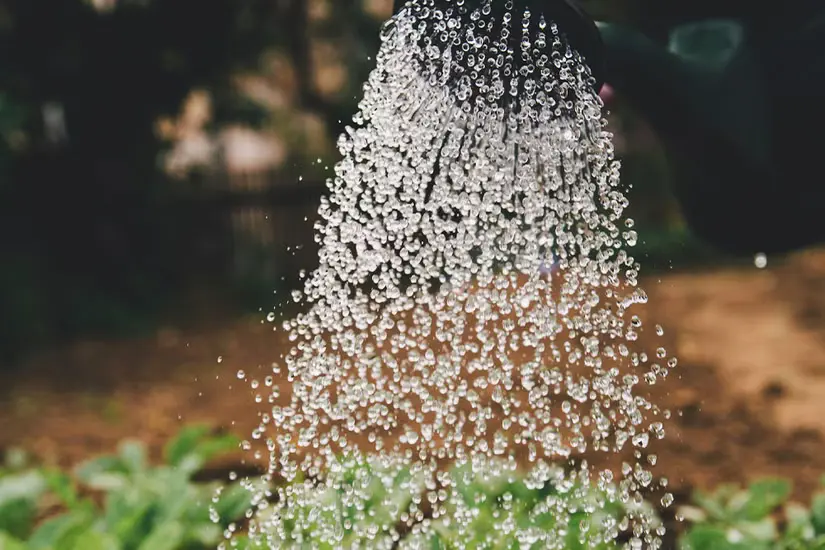
Asparagus needs regular water, especially during dry spells. Don’t let the soil completely dry out. Mulching helps a lot. Lay a thick layer of organic mulch around your plants.
Mulch, like straw or shredded leaves, keeps the soil moist. It also helps stop weeds from growing. And it keeps soil temperature steady. This makes your asparagus happier.
4.2 Fertilizing for Long-Term Yields
Feeding your asparagus is important for years of good harvests. Fertilize your plants after you’ve finished harvesting for the season. You can also give them another boost in the fall. This helps the plants store energy for next year.
A balanced organic fertilizer works well. Or, just top-dress your patch with a layer of fresh compost. This enriches the soil slowly and steadily.
4.3 Weed Control in a Compact Space
Weeds can be a big problem in any garden, especially small ones. They steal water and nutrients from your asparagus. It’s important to keep them under control. Don’t let weeds go to seed.
Hand-weeding is your best friend in a small patch. Pull weeds as soon as you see them. Combining this with a good layer of mulch will suppress most weeds.
5. Harvesting Your Delicious Asparagus
Harvesting asparagus is the fun part after all that waiting. Knowing exactly when and how to pick spears is vital. This protects your plants and maximizes your yummy take.
5.1 Knowing When to Harvest
Asparagus spears are ready to pick when they’re about 6 to 8 inches tall. Their tips should be tightly closed and pointed. Don’t let them get too tall or the tips will open.

For your very first harvest, take it easy. Pick spears for only about 2 to 3 weeks. This lets the young plants get stronger. In later years, you can harvest longer.
5.2 Proper Harvesting Techniques
You can either cut or snap asparagus spears. Use a sharp knife to cut them at the soil line. Be careful not to nick any nearby emerging spears. Another way is to bend the spear until it snaps clean.
This natural breaking point is usually just above the tough, woody part. Either method works fine. The goal is to get a tender spear without harming the crown.
5.3 Post-Harvest Care for the Ferns
After you finish harvesting for the season, let the asparagus grow. The spears you don’t pick will grow into tall, fern-like foliage. This “fern” stage is very important for the plant’s health.
The ferns make food through photosynthesis. This food is sent down to the roots for storage. This stored energy powers next year’s crop. Don’t cut them back until they turn yellow in the fall.
6. Troubleshooting Common Asparagus Problems
Even with good care, you might run into some issues. Knowing how to fix common problems helps keep your small asparagus patch happy.
6.1 Pests and Diseases in Small Gardens

Common asparagus pests include the asparagus beetle. Diseases like asparagus rust can also appear. In a small garden, you can spot problems quickly. Use organic ways to manage them.
Pick off asparagus beetles by hand. Look for rust-resistant varieties when you buy crowns. Local garden extension services can give expert advice. They help you identify and treat specific problems.
6.2 Dealing with Overcrowding and Competition
As your asparagus patch ages, it might start to get a bit crowded. This can happen even in a small space. Make sure to give plants enough room when you first plant them. This helps a lot.
If overcrowding becomes a big issue after many years, you might divide some crowns. Do this carefully in early spring. This can refresh the patch and give plants more space.
6.3 Asparagus Not Producing?
Is your asparagus not giving you spears? There are a few reasons why. It might not get enough sunlight. Poor soil or incorrect harvesting can also be the cause. Sometimes, the plants are just too young.
Remember the importance of patience. Also, check back through the earlier sections. Make sure you’re following all the right steps for soil, sun, and care. Healthy, mature plants will produce.
Conclusion: Enjoying Your Home-Grown Asparagus
Growing asparagus in a small backyard garden is completely possible. With smart planning and consistent care, a small spot can give you a wonderful harvest of this gourmet vegetable. You’ll enjoy it for many years.
Remember these key steps: Pick a sunny spot with good drainage. Use healthy crowns for a faster start. Be patient through the first few years. Learn to harvest your spears correctly. The unique joy of picking and eating your own home-grown asparagus is truly special. It’s proof that great things grow in small gardens.