Understanding the Basics of Growing Brussels Sprouts Indoors
Grow Brussel sprouts indoors requires careful attention to the environment and the plant’s needs. You should select a large, deep container with adequate drainage to support the long root system. Use high-quality, well-draining potting soil enriched with nutrients to provide a fertile base for your sprouts. Position the container in an area where it will receive full sun or supplement with grow lights for at least 6 hours a day.

Keep the temperature consistent, ideally between 60°F and 70°F. Water regularly, ensuring the soil remains moist but not waterlogged. Timing is crucial, so plant seeds during cooler months to mimic outdoor conditions.
Essential Supplies and Tools for Indoor Gardening
To start growing Brussels sprouts indoors, you need specific supplies and tools that ensure optimal growth. Here’s what you need to prepare:
Containers and Soil
- Deep Pots or Containers: Choose pots at least 12 inches deep for ample root space.
- Well-Draining Soil: Use nutrient-rich, loamy soil mixed with compost or organic matter.
Lighting and Watering
- Grow Lights: LED grow lights that mimic sunlight are essential if natural light is limited.
- Watering Can: A can with a gentle spout avoids disturbing seedlings.

Gardening Tools
- Trowel: Ideal for planting and transplanting seedlings.
- Pruning Shears: Keep your plants tidy by removing yellowing leaves.
Additional Items
- Plant Supports: Stakes or cages help Brussels sprouts grow vertically.
- Fertilizer: Use a balanced 10-10-10 formula for healthy plant development.
Choosing the Right Variety of Brussels Sprouts
When selecting Brussels sprout seeds, it’s essential to consider factors like growth habits, climate adaptability, and flavor preferences. You’ll find two main types: early-maturing and late-maturing varieties. Early-maturing types, like ‘Jade Cross,’ are ideal if you want quicker yields, while late-maturing ones, such as ‘Long Island Improved,’ excel in cooler conditions.
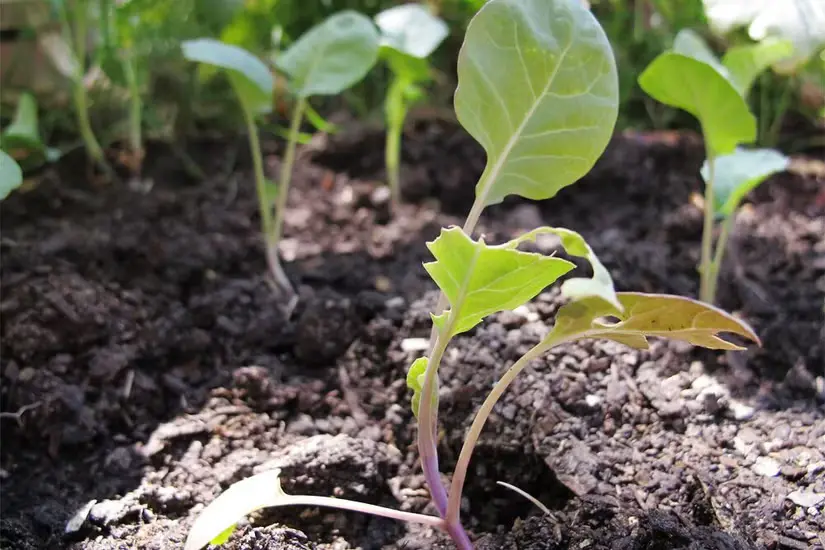
If your indoor setup has limited space, opt for compact varieties like ‘DWARF Queen.’ For richer, nuttier flavors, ‘Catskill’ or ‘Diablo’ can be great options. Check seed packets for specifics about size, days to maturity, and resistance to pests or diseases. Make the right pick for your unique indoor gardening needs!
Preparing the Ideal Soil for Indoor Growth
When growing Brussels sprouts indoors, you must ensure the soil is nutrient-rich and well-draining. Start by selecting a container with drainage holes to prevent waterlogging. Use a loamy soil mix that offers a balance of moisture retention and aeration.

For better results, incorporate organic matter such as compost or well-rotted manure into the soil as these improve fertility. Maintaining a pH level between 6.5 and 7.5 is essential, so use a soil-testing kit to verify. Add lime to raise pH or sulfur to lower it.
Ensure the consistency is crumbly and moist but never oversaturated. Regularly amend and monitor for sustained growth.
Lighting Requirements: Setting Up Proper Indoor Lighting
To grow Brussel sprouts indoors effectively, you need to provide adequate lighting conditions that mimic their outdoor environment. Ensure you use grow lights, such as full-spectrum LED lights, as these replicate sunlight best. Place your plants near the light source, maintaining a gap of 12–18 inches to balance intensity and avoid overheating.
Keep the lights on for 12–16 hours daily, ensuring a consistent cycle. Use timers for better control over light duration. Position your lighting setup to allow even coverage, reducing shading or uneven growth. Aim for a Kelvin range between 5,000–6,500, which supports healthy vegetative development.
Temperature and Humidity Considerations

When growing Brussels sprouts indoors, maintaining the right temperature and humidity is crucial. You should provide a consistent temperature between 60°F and 65°F for optimal growth, as Brussels sprouts thrive in cooler conditions. Avoid heat exposure as it can cause the plants to bolt prematurely.
Monitoring humidity is equally important. Aim for a range between 50% and 70%. Low humidity can dry out the soil, while excessive humidity increases the risk of fungal diseases.
Use a thermometer and hygrometer to track conditions. If needed, you can use a humidifier or dehumidifier to regulate moisture levels and ensure consistent airflow to prevent issues.
Planting Brussels Sprouts Seeds or Seedlings Indoors

To start Brussels sprouts indoors, you’ll need containers with good drainage and a seed-starting mix. Fill your containers with the mix and moisten the soil lightly. Sow seeds at a depth of ¼ inch, keeping them about 2 to 3 inches apart. If using seedlings, plant them gently to ensure their roots don’t get damaged. Place the containers in a location with ample sunlight or under grow lights for 6-8 hours daily. Maintain soil moisture without waterlogging. Keep the temperature between 65°F and 75°F for optimal germination and growth. Monitor seedlings for strong stem development and consistent green foliage.
Watering and Fertilizing Your Indoor Brussels Sprouts
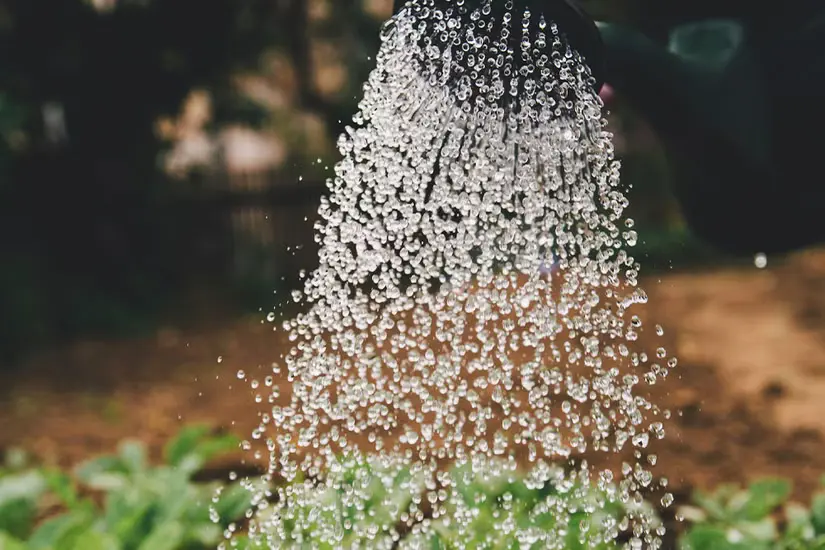
Proper hydration and nourishment are critical for successfully growing Brussels sprouts indoors. You need to water your plants consistently, ensuring the soil remains moist but not waterlogged. A general rule is to water when the top inch of soil feels dry to the touch. Avoid overwatering, as overly wet conditions can lead to root rot.
For fertilizing, use a balanced, slow-release fertilizer every 4-6 weeks or opt for organic alternatives like compost tea. During the initial growth phase, focus on nitrogen-rich fertilizers to encourage leafy growth. As the sprouts develop, switch to phosphorus and potassium to support bud formation.
Supporting Healthy Growth Through Pruning and Maintenance
To ensure your indoor Brussels sprouts thrive, you need to maintain a proper pruning and care routine. Begin by inspecting the plant weekly to remove any yellowing or dead leaves, as they can attract pests and disease. Trim leaves near the base to promote airflow and redirect energy toward sprout production.
Pinching off the plant’s growing tip, once sprouts form, encourages faster development. Support the stalks with stakes if they become top-heavy. Water consistently but avoid over-soaking the soil. Fertilize every few weeks using a balanced fertilizer rich in nitrogen for foliage growth and potassium for sprout formation.
Identifying and Managing Common Indoor Pests and Diseases
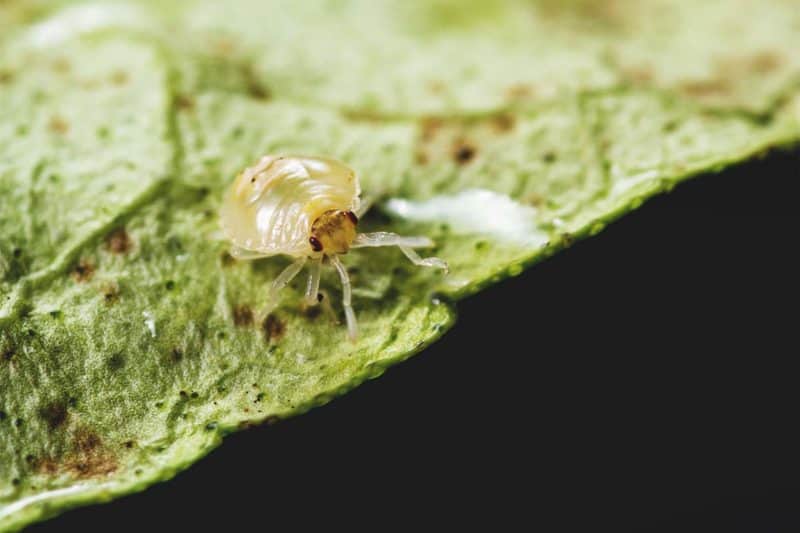
When growing Brussel sprouts indoors, you may encounter pests and diseases that can hinder their growth. Pay close attention to signs like yellowing leaves, stunted growth, or unusual spots. Common pests include aphids, whiteflies, and spider mites. You can manage these by introducing natural predators like ladybugs or using insecticidal soap. For fungal diseases such as powdery mildew, improve air circulation and avoid overwatering your plants. Remove infected leaves promptly to prevent spread. Regularly clean pots, tools, and surfaces to minimize risks. Inspect your plants weekly to catch issues early and maintain a healthy growing environment.
When and How to Harvest Indoor-Grown Brussels Sprouts
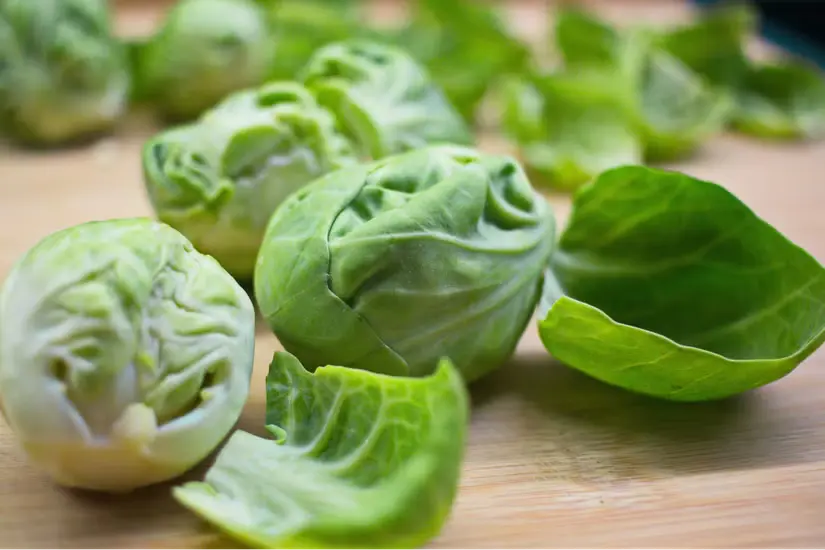
To harvest Brussels sprouts grown indoors, you should wait until the sprouts reach about 1–2 inches in diameter, as this is when they are most flavorful. The lower sprouts on the stalk mature first, so start with those. Look for firm, tightly packed buds with a vibrant green color. Yellowing or loose leaves indicate over-maturity.

To harvest, gently snap or twist each sprout off the stalk by hand. Alternatively, you can use a sharp knife to cut them cleanly. Regular harvesting encourages the plant to continue producing sprouts upward along the stalk, maximizing your yield over time.
Storing and Using Your Homegrown Brussels Sprouts
To store harvested Brussels sprouts, keep them unwashed in a plastic bag in the crisper drawer of your refrigerator, where they’ll last up to two weeks. For longer storage, blanch the sprouts briefly in boiling water, then freeze them in airtight containers. When using fresh sprouts, rinse under cool water, trim the ends, and peel away any yellowed or damaged outer leaves.
You can roast, sauté, steam, or even shred them for salads. Pair them with olive oil, garlic, or balsamic vinegar for enhanced flavor. Always check for firmness and vibrant color to ensure they’re fresh and ready to enjoy.
Troubleshooting Common Indoor Gardening Challenges
When growing Brussel sprouts indoors, you may face common challenges that need attention to ensure healthy plants.
- Inadequate Light: If your sprouts grow leggy, they need more light. Use a full-spectrum grow light for at least 6-8 hours daily.
- Pest Problems: Check for pests like aphids. Use neem oil or insecticidal soap to manage infestations.
- Overwatering: Yellowing leaves or soggy soil signals overwatering. Ensure proper drainage and water only when the topsoil feels dry.
- Temperature Issues: Brussel sprouts prefer cooler temperatures between 60-70°F. Adjust your indoor conditions appropriately.
- Nutrient Deficiencies: If foliage turns pale, apply a balanced liquid fertilizer every two weeks.
Consistent monitoring and timely care will help you tackle these issues effectively.
Tips for Scaling Up Your Indoor Vegetable Garden
- Choose the Right Containers: Opt for larger, durable pots with good drainage to accommodate the growing root systems of brussels sprouts.
- Maximize Space: Use vertical gardening solutions like tiered shelves or wall-mounted planters to expand your capacity without overcrowding.
- Prioritize Proper Lighting: Install full-spectrum grow lights to ensure all plants receive the light they need, especially in low-light indoor environments.
- Maintain Ideal Growing Conditions: Adjust humidity levels, maintain temperatures between 60°F and 75°F, and use fans for consistent airflow.
- Batch Your Plants: Stagger planting cycles to maintain a continuous harvest and manage plant care more effectively.
- Use Fertilizer Strategically: Rotate organic fertilizers to provide balanced nutrition as your garden grows.