
Celery may seem like an easy vegetable to find in the grocery store, but it gives a great sense of achievement when grown at home. You’ll be able to walk out to your yard and take fresh and crunchy pieces of celery off your plant when you need them, without chemicals or plastic, just fresh, healthy vegetables.
If you hear the rumors that grow celery is challenging, don’t bank on them. The negative feedback is based on people making some simple mistakes while trying to grow celery or missing a few simple but crucial steps along the way. If you are new to gardening, this step-by-step guide can give you everything you need to grow celery yourself at home.
Let’s get started.
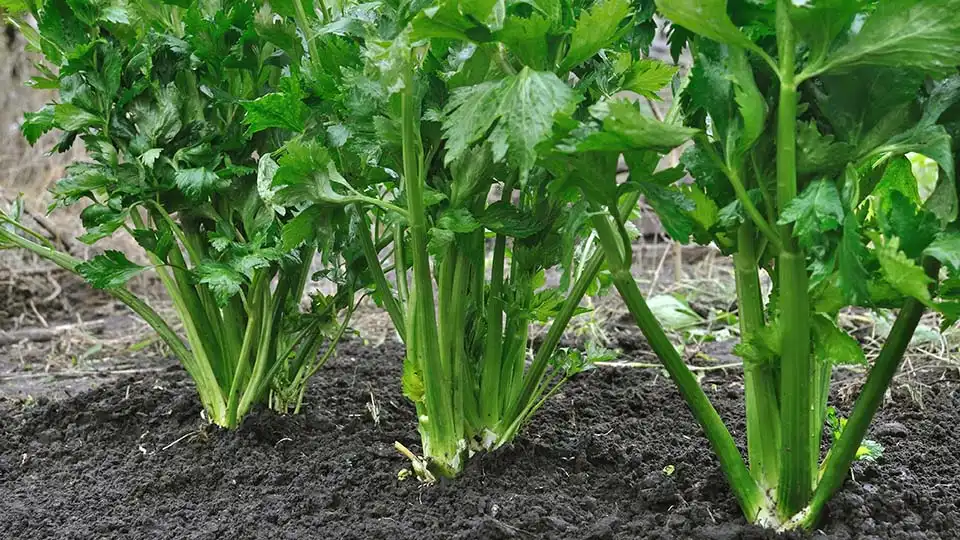
Best Time to Grow Celery
- Cool weather is ideal for celery. Temperatures between 15 and 21°C (60 and 70°F) are ideal for its growth.
- Celery should be started in early spring in cool climates.
- Grow it in late fall or winter in warm climates.
- Avoid planting during the hottest parts of the summer.
Patience is essential because celery grows slowly, but the benefits are worthwhile.
Choosing the Right Celery Variety
For home gardening, choose varieties that are reliable and flavorful:
- Green Pascal – Classic, tall stalks, great for beginners
- Tall Utah – Crisp texture and strong growth
- Golden Self-Blanching – Sweeter and lighter in color
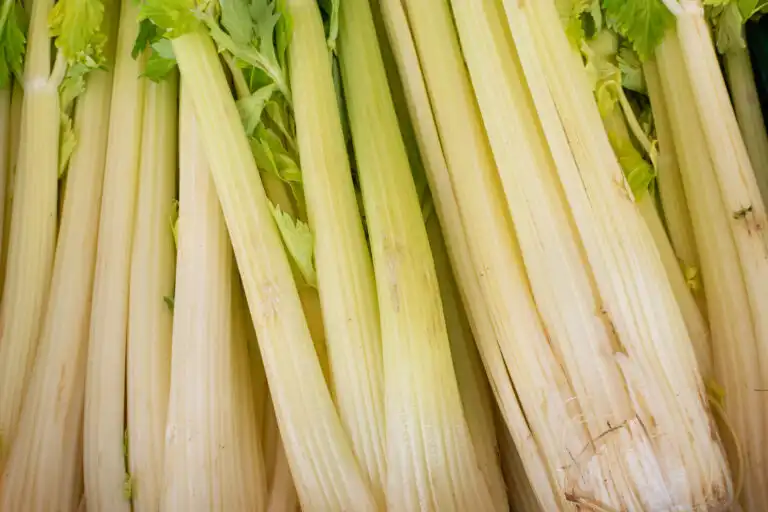
Seed packets usually mention if a variety is suitable for home gardens—always read the label.
Step-by-Step: How to Grow Celery from Seed
Since celery grows slowly, start it indoors.
- Plant seeds 10–12 weeks prior to the last frost (February–March in many regions). Light is necessary for seeds, so sprinkle moist seed-starting mix on top, press lightly, and avoid covering.
- Germination: Maintain between 70 and 75°F (21 and 24°C); if necessary, use a heat mat. To maintain moisture, mist; to increase humidity, cover with a dome. In 10–21 days, it will sprout.
- Care for seedlings: Give them plenty of light (grow lights are best); thin them out to make them the strongest; pot them up when they are two to three inches tall.
- Harden off: One to two weeks prior to transplant, gradually expose outside.
- Transplant: After frost, arrange in rows 18–24 inches wide, 8–12 inches apart. Plant stems a little deeper.
Plant seeds in the summer for fall crops.
Watering, Fertilizing, and Everyday Care Tips
Consider the thirsty ancestors of celery to have “wet feet”!
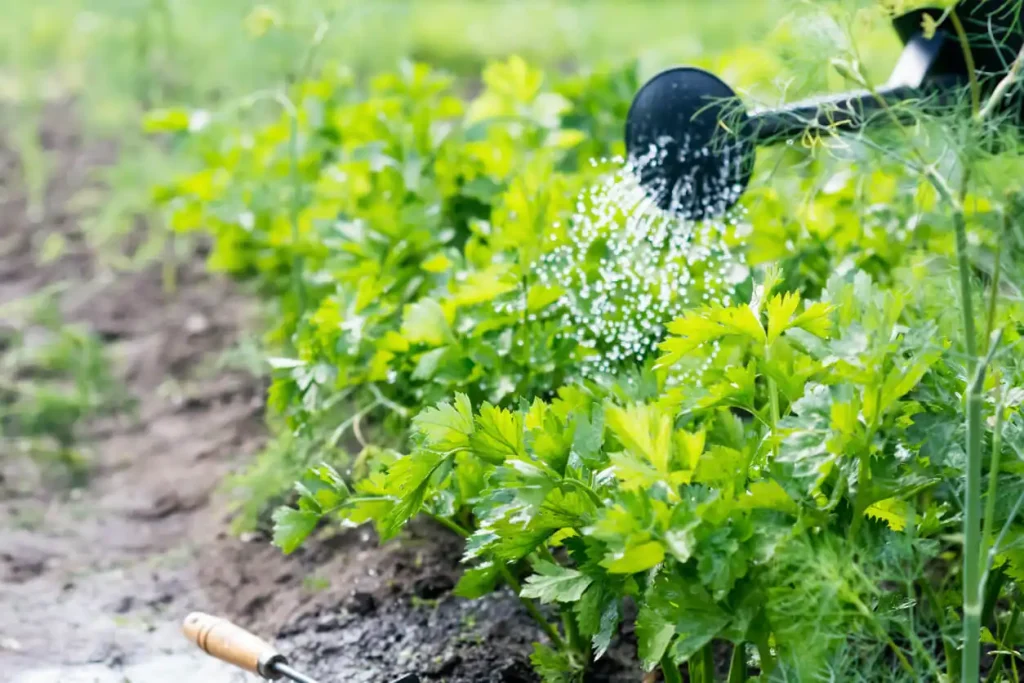
- Watering: To avoid tough, stringy stalks, keep the soil consistently moist, adding 1-2 inches per week. Mulch with straw to retain moisture.
Fertilizing: Every three to four weeks, apply a side-dress of nitrogen-rich organic fertilizer (such as fish emulsion or compost tea) to the heavy feeder. Once stalks start to form, stop so they don’t split. - Mulching and Weeding: Mulch cools the soil and suppresses weeds.
Blanching (optional): As bases grow, cover them with paper or mound soil for milder stalks.
Use row covers or shade cloths to protect against intense heat or cold.
Harvesting Celery: When and How for Best Flavor
Celery takes 100-140 days from seed to harvest.
- Start picking outer stalks when 12-18 inches tall (cut-and-come-again style).
- Harvest whole bunch by cutting at base when ready.
- Use knife or scissors; leave roots for regrowth if desired.
Store in fridge (wrapped in foil or in water) up to 2 weeks. Leaves edible too – use like parsley!
Troubleshooting Common Celery Problems
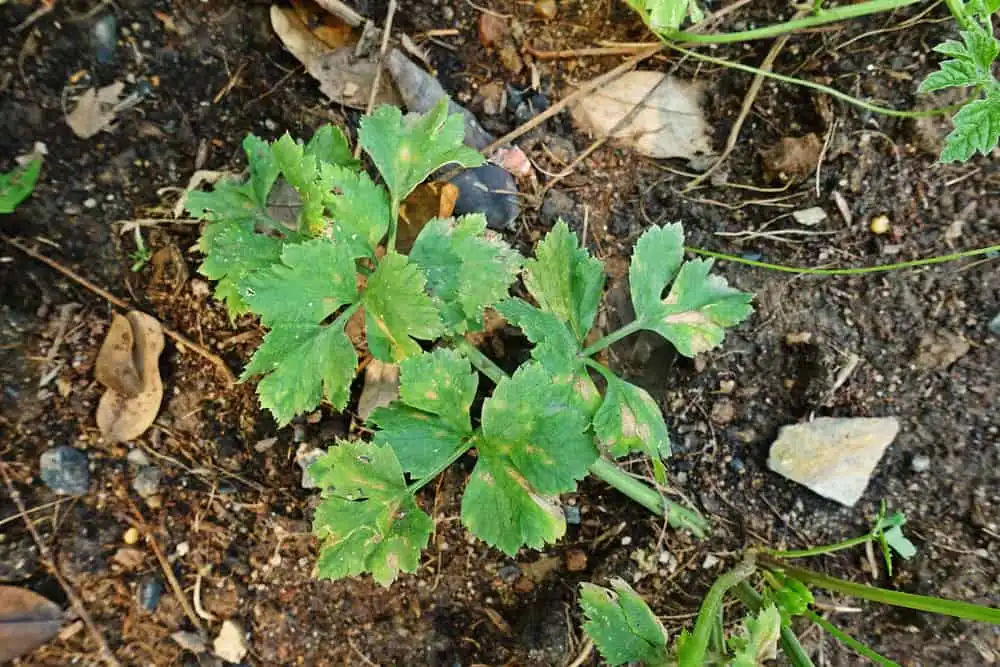
Celery can be finicky, but early fixes save crops. Here’s a quick table:
| Problem | Symptoms | Causes | Solutions |
|---|---|---|---|
| Hollow or Stringy Stalks | Stalks hollow inside, tough/textured | Uneven watering, drought stress | Water consistently; mulch heavily; never let soil dry out |
| Yellowing Leaves | Leaves pale/yellow, especially lower ones | Overwatering, nutrient deficiency, root rot | Improve drainage; reduce water if soggy; fertilize with balanced feed |
| Bolting (Flowering) | Premature flower stalk, bitter taste | Heat stress, long days, transplant shock | Plant in cool season; provide shade in heat; start indoors properly |
| Stunted/Skinny Growth | Small plants, thin stalks | Poor soil, low nitrogen, cold temps | Enrich soil with compost; fertilize regularly; wait for warm soil |
| Brown Tips/Edges | Browning leaf tips | Uneven moisture, calcium issues, wind | Consistent watering; mulch; add calcium (eggshell tea); shelter from wind |
| Wilting Plants | Drooping despite watering | Root rot, overwatering, poor drainage | Check drainage; reduce water; transplant to better soil |
| Pests (Aphids/Slugs) | Sticky leaves, holes, curled tips | Aphids, slugs/snails | Hose off aphids; beer traps for slugs; neem oil; row covers early |
| No Germination | Few/no seedlings | Old seeds, cold temps, dry surface | Use fresh seeds; keep moist; provide warmth/light; light exposure needed |
| Leaf Spot/Disease | Spots on leaves, blight | Fungal/bacterial from wet foliage | Water at base; improve airflow; remove affected parts; copper spray if severe |
| Bitter Taste | Overly strong/bitter flavor | Over-maturity, heat, stress | Harvest younger; grow in cooler conditions; consistent care |
Monitor weekly – most issues tie back to water and nutrients!
Start Growing Celery in Your Home Garden Today!
Tender, flavorful stalks from your own plot are the big reward for growing celery at home, making it a rewarding challenge. You can harvest crisp celery all season long if you concentrate on regular moisture, rich soil, and patience.
Get some fresh seeds, go inside, and begin planting. Your health, snacks, and soups will all appreciate it! Tried growing celery? Share your tips or questions in the comments.
Happy gardening!


