Grow eggplants in compact garden spaces may sound challenging, but with the right techniques, these glossy purple vegetables can thrive even in the tightest corners. Whether you have a balcony, a rooftop, a tiny yard, or a small raised bed, eggplants are surprisingly adaptable. They love warm weather, produce generously, and add both beauty and flavor to your garden.
In small spaces, the key to success lies in smart planning, proper container selection, good soil, and consistent care. This detailed guide will walk you through everything you need to know from choosing the right variety to harvesting healthy, delicious eggplants.
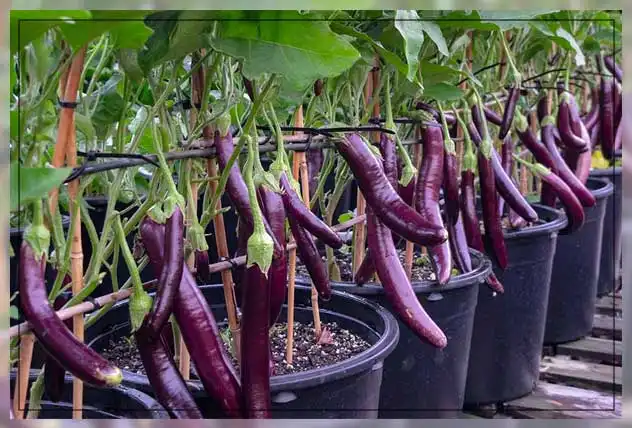
1. Why Eggplants Are Perfect for Compact Spaces
Eggplants (also known as brinjals or aubergines) are ideal for restricted areas because:
- They grow vertically and don’t spread aggressively.
- Many compact and dwarf varieties are bred specifically for small gardens.
- They produce continuously throughout the season.
- They grow exceptionally well in containers.
- They add a decorative touch with their purple stems and lilac blooms.
So even if you only have a balcony or a tiny patio, eggplants can easily become one of your most rewarding crops.
2. Choosing the Right Eggplant Variety
When space is limited, variety selection matters. Look for compact, container-friendly options such as:
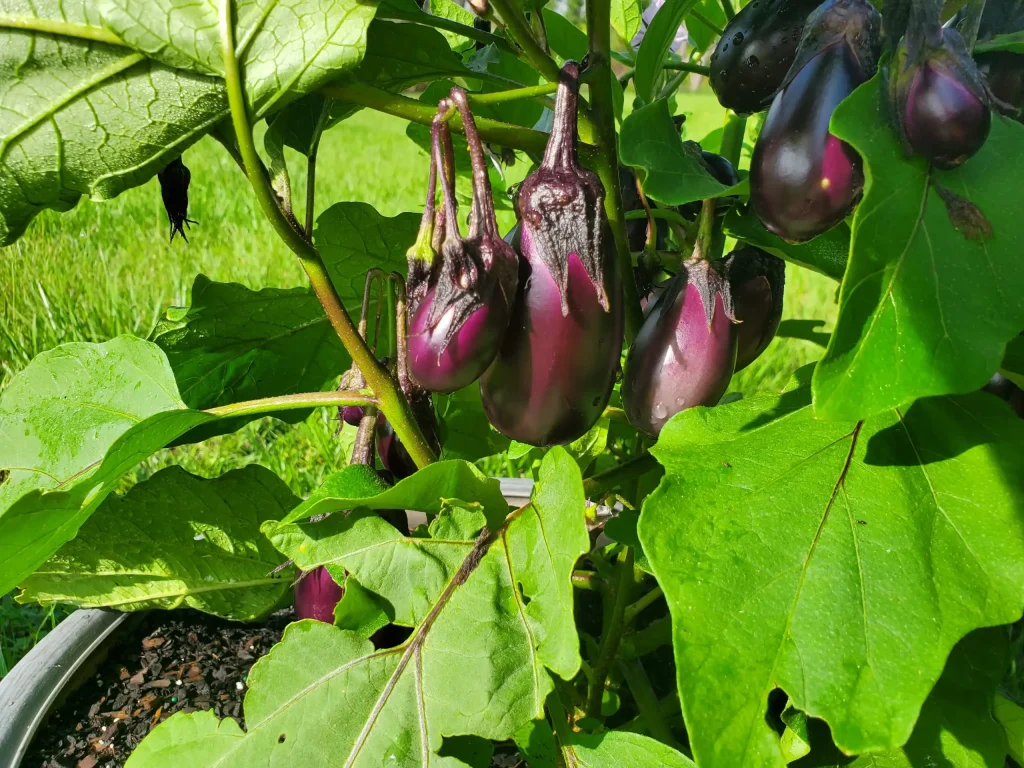
- Little Finger – Slim, tender fruits; grows well in pots.
- Patio Baby – A dwarf variety perfect for containers.
- Black Beauty – A classic variety that adapts well to confined spaces.
- Ichiban (Japanese eggplant) – Long and slender fruits, excellent for high yield.
- Fairy Tale – Small, striped fruits that grow abundantly in pots.
Selecting compact or dwarf varieties ensures better productivity without overcrowding your small garden.
3. Choosing the Best Containers
Eggplants love deep, warm soil. For containers:
- Minimum container size: 5–7 gallons (18–26 liters)
- Depth: At least 12–14 inches
- Material: Fabric grow bags, plastic pots, clay pots, or raised beds
- Drainage: Multiple drainage holes are a must
Fabric grow bags are especially recommended as they prevent root circling and improve aeration, resulting in stronger plants.
4. Soil Requirements for Compact Spaces
Eggplants require nutrient-rich, well-draining soil. The best mix includes:

- 40% high-quality potting mix
- 30% compost
- 20% coco peat or peat moss
- 10% perlite or vermiculite
You can also add:
- Bone meal for stronger roots
- Worm castings for slow-release nutrients
- A handful of sand if soil feels heavy
Healthy soil is the foundation of a productive eggplant plant—especially when space is tight.
5. Sunlight and Temperature Needs
Eggplants thrive in warm climates. For the best growth:
- Sunlight: 6–8 hours of direct sun daily
- Ideal temperature: 24–32°C (75–90°F)
- Night temperature: Minimum 15°C (60°F)
In small spaces, balconies facing south or west work beautifully. Warm walls, tiles, and railings also help radiate heat, which eggplants love.
6. Grow Eggplants in Compact Areas

Starting from Seeds
- Start seeds indoors 6–8 weeks before planting outdoors.
- Use small seedling trays or paper cups.
- Keep them warm and moist for quick germination.
- Transplant when seedlings are 6–8 inches tall.
Transplanting in Small Spaces
- Do not overcrowd, spacing even in small setups is crucial.
- For containers, plant one eggplant per pot.
- For raised beds, maintain 18–24 inches between plants.
Compact gardens demand careful spacing to prevent pests and poor growth.
7. Watering Requirements
Eggplants love moisture but hate waterlogged soil.
Watering Tips
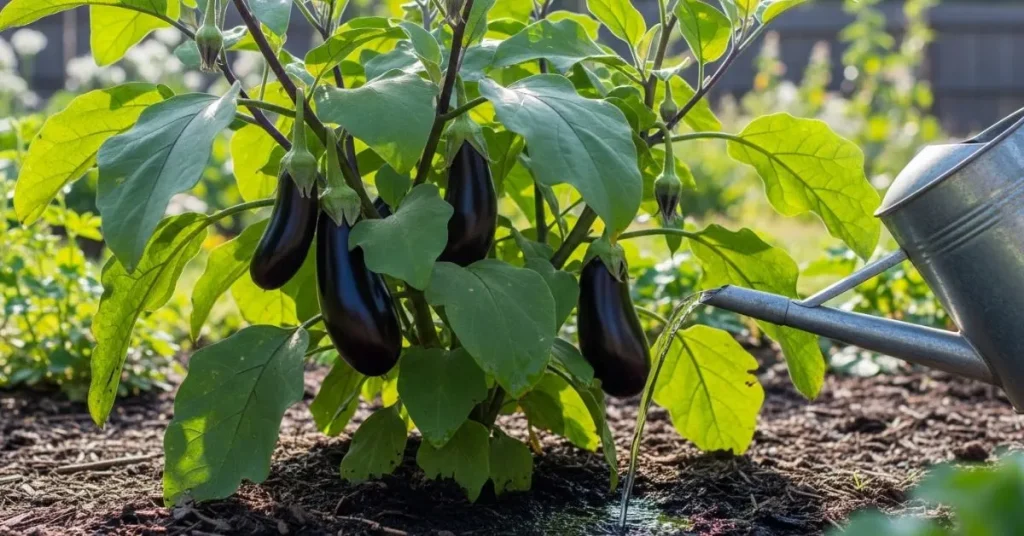
- Water deeply 2–3 times per week, depending on temperature.
- Keep soil consistently moist.
- Avoid wetting the leaves to reduce fungal issues.
- In containers, water more frequently, especially in summer.
Mulching with straw or dried leaves helps retain moisture in small garden setups.
8. Fertilizing Eggplants in Limited Space
Eggplants are heavy feeders. Regular fertilization is necessary in containers or compact beds.
Suggested Feeding Routine
- During planting: Add compost + bone meal.
- Every 2 weeks: Use liquid fertilizer (seaweed, compost tea, or NPK 10-10-10).
- During flowering: Switch to high-potassium fertilizer (NPK 5-10-10).
- During fruiting: Continue potassium boost for bigger fruits.
Small spaces can quickly lose nutrients, so feeding consistently is important.
9. Pruning and Support for Better Growth

Why prune?
Pruning improves air circulation, reduces leaf waste, and directs energy to fruit production.
How to prune:
- Remove bottom leaves touching the soil.
- Trim suckers that grow between stems.
- Remove yellow or damaged leaves regularly.
Provide Support:
Even compact eggplants can get heavy when fruiting. Use:
- Stakes
- Tomato cages
- Small bamboo sticks
This prevents the branches from breaking and keeps the plant tidy.
Common Eggplant Problems & Solutions

| Problem | Symptoms | Cause | Solution |
|---|---|---|---|
| Yellowing leaves | Lower leaves turning yellow | Overwatering or nutrient deficiency | Water less often, add compost or NPK 10-10-10 |
| Flowers but no fruit | Blooms drop off without fruit | Heat stress or lack of pollination | Provide shade during peak heat, gently shake plant to help pollination |
| Small eggplants | Stunted or tiny fruits | Lack of potassium | Add potassium fertilizer or wood ash |
| Holes in leaves | Leaves look eaten | Flea beetles or caterpillars | Neem spray, sticky traps, remove pests manually |
| Curling leaves | Leaves fold inward | Heat stress or spider mites | Increase watering, spray neem oil |
| Wilting plant | Plant flops even when soil is wet | Root rot | Improve drainage, repot if necessary |
| Bitter eggplants | Fruit tastes harsh | Overripe harvest | Pick when skin is shiny and firm |
| Slow growth | Plant not growing well | Cold temperature | Move to warmer spot, use black pots to retain heat |
Final Thoughts
Growing eggplants in compact garden spaces is not only possible but deeply rewarding. With the right pot size, soil mix, sunlight, and consistent care, you can produce a generous crop even on a balcony or small patio. Eggplants are resilient, beautiful, and high-yielding, making them one of the best vegetables for space-limited gardeners.
Start with a dwarf or container-friendly variety, give your plant enough warmth and nutrients, and watch it thrive. With the troubleshooting guide above, you’ll also be prepared to handle any challenges along the way.