Grow flowering shrubs do not always require hours of daily work. In fact, the secret to a vibrant, colorful landscape lies in choosing the right plants especially flowering shrubs that thrive with minimal effort. Whether you’re a beginner gardener or someone with a busy lifestyle, low-maintenance flowering shrubs can completely transform your outdoor space while demanding very little attention. In thia guide, we will explore how to grow flowering shrubs easily.

How to Grow Flowering Shrubs in a Low-Maintenance Garden
To ensure long-term growth and minimal upkeep, proper planting is essential.
1. Choose the Right Spot
Shrubs thrive when planted where their light needs are met.
- Full sun (6+ hours): lavender, butterfly bush
- Partial shade: hydrangeas, azaleas
Avoid planting shrubs too close together, good airflow reduces disease.
2. Prepare the Soil

You don’t need perfect soil; improving it slightly goes a long way.
- Mix compost into the planting hole.
- Ensure well-drained soil to prevent root rot.
- If soil is clay-heavy, add sand and organic matter.
3. Dig the Planting Hole Properly
A common mistake is digging a hole too deep.
- Width: twice the size of the root ball
- Depth: equal to the root ball height
Shrubs should sit slightly above ground level to avoid waterlogging.
4. Water Well After Planting
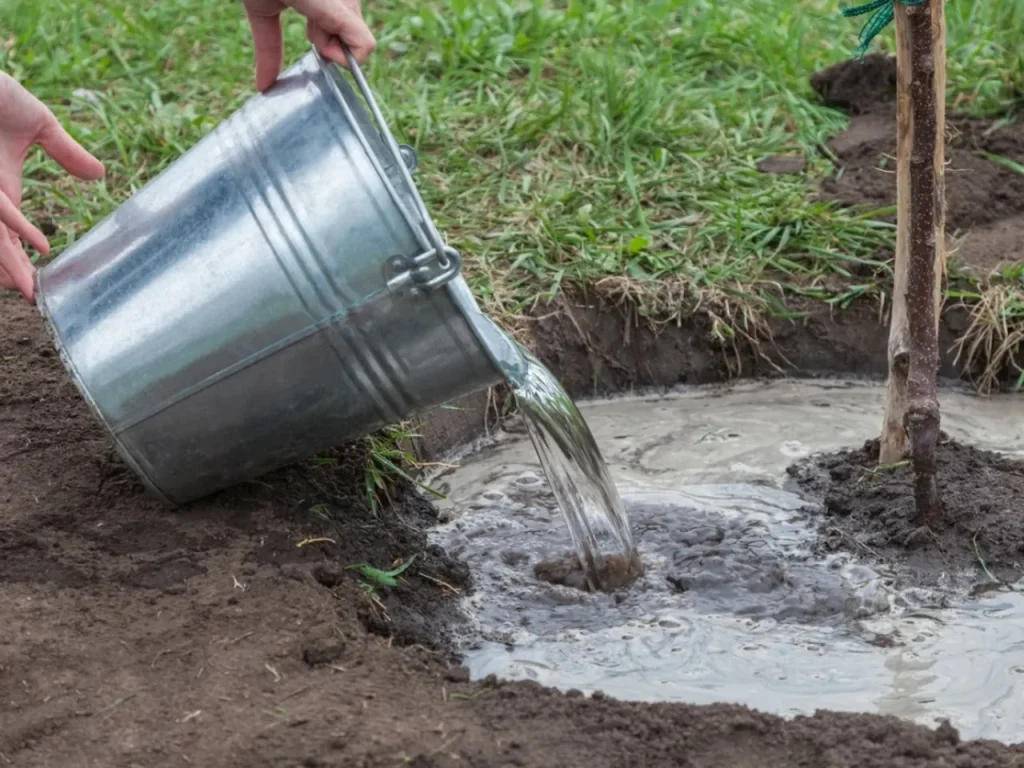
Give the newly planted shrub a deep watering session to settle the roots. Continue watering:
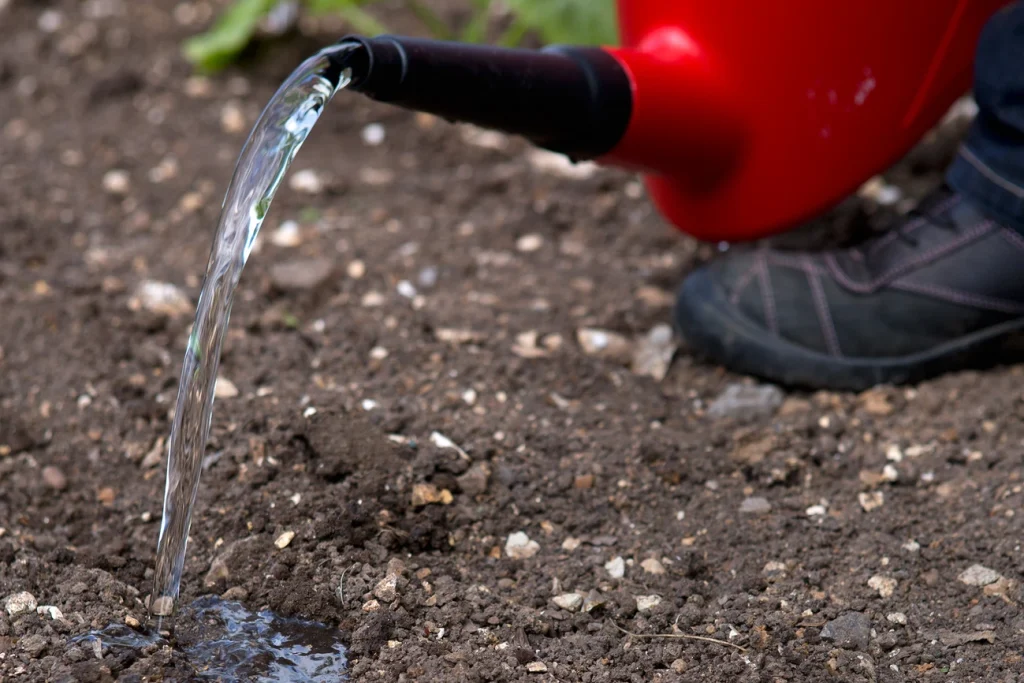
- Weekly for the first month
- Every two weeks for the next two months
- After 3 months, shrubs usually become low-maintenance
5. Apply Mulch for Moisture Retention
Mulching is key to easy-care gardening.
- Keep mulch away from the stem
- Mulch reduces evaporation, prevents weeds, and regulates soil temperature.
Spread 2–3 inches around the base
Low-Maintenance Care Tips for Flowering Shrubs
Once established, flowering shrubs are some of the easiest plants to care for. Here’s how to keep them thriving:
1. Water Deeply but Infrequently
Deep watering encourages strong root systems.
Aim for:

- Once every 7–10 days during dry seasons
- Avoid shallow daily watering
2. Use Slow-Release Fertilizer
Shrubs don’t need heavy feeding.
Apply once in spring for the entire season.
3. Minimal Pruning
Most low-maintenance shrubs require only light annual pruning:
- Remove dead or crossing branches
- Shape lightly after flowering
Avoid aggressive pruning unless necessary, as it can reduce blooms.
4. Weed Regularly (or Use Mulch)
Mulch naturally suppresses weeds and cuts maintenance time drastically.

5. Monitor for Pests Naturally
Healthy shrubs rarely get pest issues, but early detection helps.
Use:
- Pruning infected parts
- Neem oil spray
- Soapy water solution
Seasonal Care Guide for Flowering Shrubs
Spring
- Fertilize once
- Remove winter damage
- Mulch and water regularly
Summer
- Deep watering
- Deadhead fading blooms
- Watch for pests
Fall
- Light pruning
- Add fresh mulch
- Prepare for winter
Winter
- Protect sensitive shrubs if necessary
- Minimal care needed
Troubleshooting Table for Common Shrub Problems
| Problem | Possible Causes | Fixes |
|---|---|---|
| Yellow leaves | Overwatering, poor drainage, nutrient deficiency | Reduce watering, improve drainage, apply slow-release fertilizer |
| No blooms | Too much shade, improper pruning, young plant | Move to sunnier spot, prune after flowering, wait 1–2 seasons |
| Brown leaf tips | Heat stress or drought | Deep water weekly, add mulch |
| Wilting branches | Root rot or underwatering | Check soil moisture, adjust watering schedule |
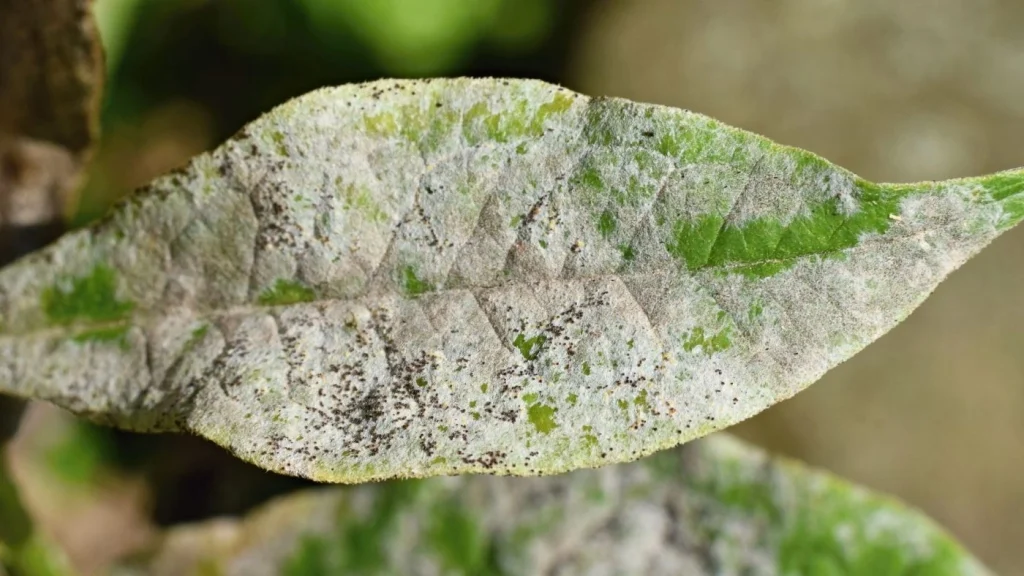
| Powdery mildew | Poor airflow, high humidity | Space plants correctly, prune to improve airflow |
| Holes in leaves | Pest damage (caterpillars, beetles) | Use neem oil or organic insecticidal soap |
| Stunted growth | Nutrient deficiency or compacted soil | Add compost, loosen soil before planting |
| Leaves dropping | Environmental stress or sudden temperature change | Water consistently, avoid moving the plant |
Final Thoughts
Growing flowering shrubs in a low-maintenance garden is not only possible, it’s incredibly rewarding. With the right shrub choices, simple planting techniques, and minimal care routines, your garden can stay vibrant and full of color throughout the seasons. Whether you’re a beginner or an experienced gardener looking for an easier approach, flowering shrubs make gardening enjoyable, effortless, and beautiful.