Introduction to Foxglove Flowers
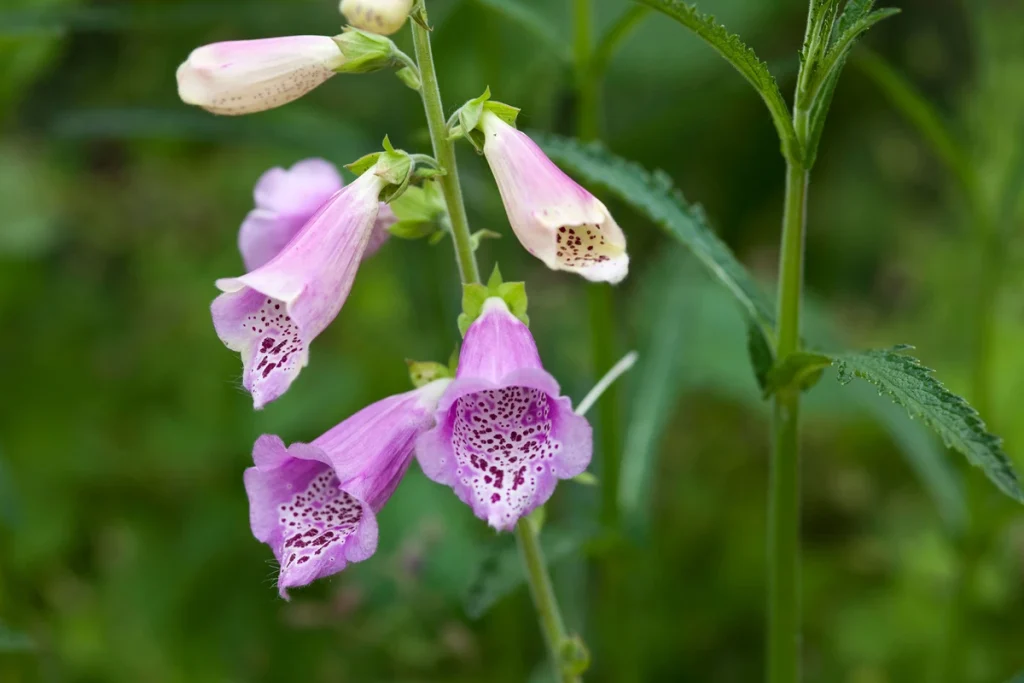
Foxglove flowers, scientifically known as Digitalis purpurea, are captivating biennial plants that can add a touch of elegance to your garden. These tall, tubular blossoms are loved for their intricate bell-shaped flowers that come in shades of pink, purple, white, and yellow. You’ll find to grow foxgloves blooming in late spring to early summer, making them perfect for brightening up borders or cottage gardens. Native to Europe, foxgloves thrive in a wide range of climates and are relatively easy to grow. Their towering spikes can reach heights of up to five feet, creating a dramatic focal point in any garden setting.
Understanding the Foxglove Plant: Varieties and Characteristics
Foxgloves belong to the genus Digitalis and are admired for their towering spires dotted with tubular blooms. You can find both biennial and perennial varieties in gardens, with flowers ranging in color from purple and pink to white and yellow. These plants prefer partial shade but can tolerate full sun in cooler climates.
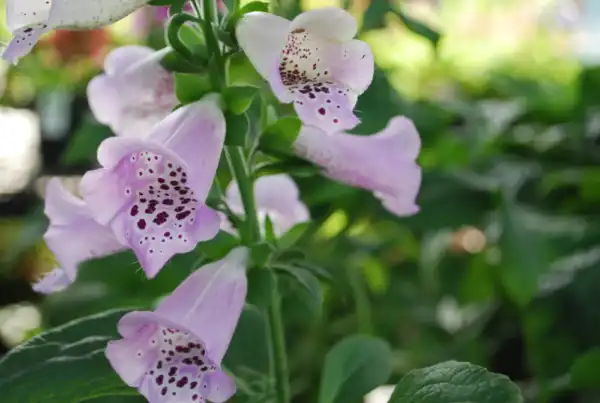
You will notice vibrant patterns inside their blooms, designed to attract pollinators like bees. Some popular varieties include Digitalis purpurea (common foxglove) and Digitalis lutea (straw foxglove). Foxgloves grow up to six feet tall and thrive in well-drained soil, adding drama and elegance to any garden layout.
The Best Time and Climate for Growing Foxgloves
To grow healthy and vibrant foxgloves, you should carefully consider the timing and climate.

- Ideal Planting Time: Plant foxglove seeds in late summer or early fall for spring blooms. If starting indoors, sow seeds 8-10 weeks before the last frost.
- Preferred Climate: Foxgloves thrive in temperate climates with mild summers. They perform best in USDA hardiness zones 4-9.
- Temperature Needs: They prefer steady temperatures between 60°F and 70°F for germination and growth. Avoid extreme heat or prolonged frost.
- Moisture Requirements: Foxgloves thrive in moist but well-drained soil, balanced by regular rainfall or controlled watering.
Adapting to the seasonal conditions ensures optimal growth and a stunning floral display.
Choosing the Right Location for Planting
Foxgloves thrive in areas that offer the perfect balance of sunlight and shade. You should aim to plant them in a spot that provides partial shade, as direct sunlight can scorch their delicate blooms, while full shade may hinder their growth. Look for well-draining soil to prevent waterlogging, as soggy roots can lead to plant diseases.
Consider the garden’s airflow, as foxgloves prefer good ventilation to minimize mold or fungal issues. Ensure the planting site is sheltered from strong winds, as the tall flowers may topple over. Always test the soil’s pH; foxgloves grow best in neutral to slightly acidic soil.
Preparing the Soil: Tips for Success

To grow foxgloves successfully, ensure your soil is well-prepped for planting. Start by selecting a spot with moist, well-drained soil. Foxgloves thrive in slightly acidic to neutral pH levels, so test the soil to maintain a pH between 6.0 and 7.0. Improve the soil texture by adding organic matter, such as compost or well-rotted manure.
Break up compacted soil to allow roots to penetrate easily and improve water drainage. If the soil is sandy or clay-heavy, mix in amendments like peat moss or coarse sand for better structure. By preparing carefully, you create the ideal foundation for vibrant foxglove blooms.
Planting Foxglove Seeds or Seedlings: A Step-by-Step Guide
To establish foxgloves in your garden, you can start from seeds or seedlings. Here’s how:
1. Prepare the Soil
- Choose well-draining soil; foxgloves prefer slightly acidic to neutral pH.
- Loosen the soil to at least 12 inches deep and mix in compost for added nutrients.
2. Choose the Right Location
- Select a spot with partial shade or dappled sunlight.
- Ensure the area is protected from strong winds, as foxgloves can grow tall.
3. Planting Seeds
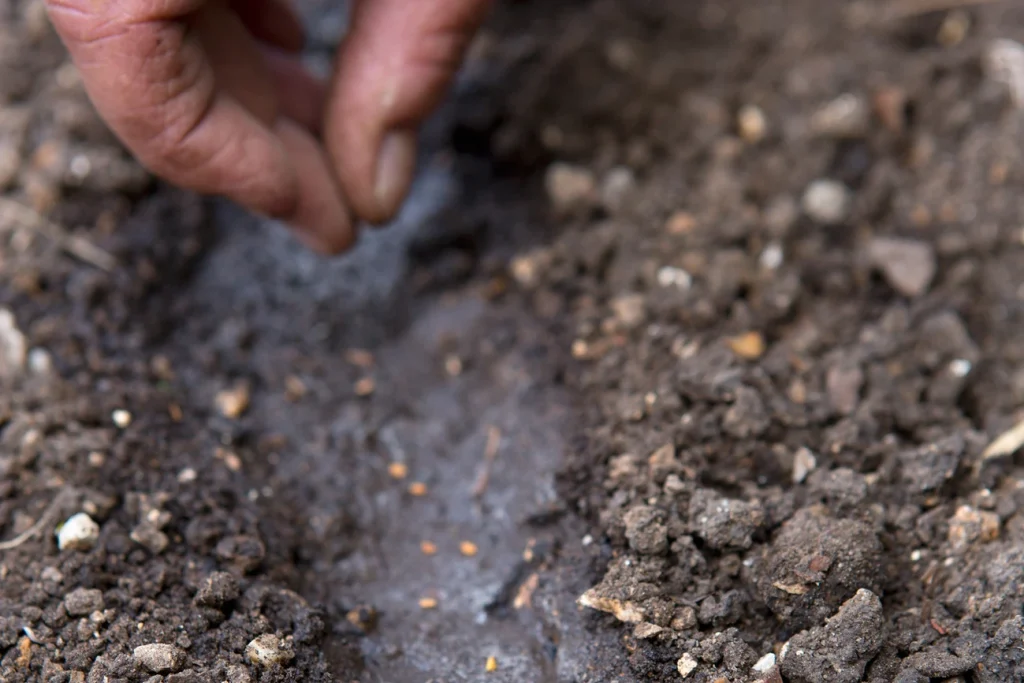
- Sow seeds on the soil surface without covering; they need light to germinate.
- Space seeds 12-18 inches apart to allow room for growth.
4. Planting Seedlings
- Dig small holes deep enough for the roots.
- Space seedlings 12-18 inches apart. Place gently and cover roots with soil.
5. Watering
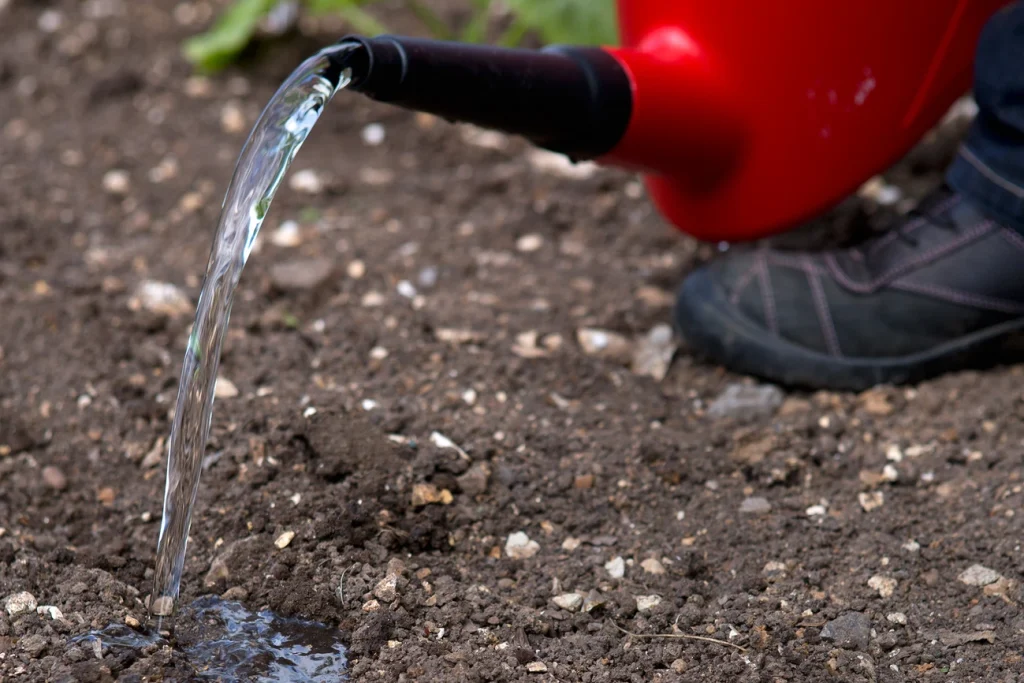
- Water immediately after planting and keep the soil evenly moist during germination.
- Avoid waterlogging, as this can rot the roots.
Watering and Feeding: Ensuring Healthy Growth
Foxgloves thrive when you provide consistent care for their water and nutrient needs. Keep the soil evenly moist but avoid overwatering, as soggy conditions can lead to root rot. You should water deeply once or twice a week, depending on weather, ensuring the roots remain hydrated without drowning the plant.
To promote optimal growth, feed your foxgloves a balanced fertilizer high in phosphorus and potassium during their growing season. Apply a slow-release fertilizer or use liquid feed every few weeks. Regularly check soil nutrient levels and adjust feeding as needed. Healthy hydration and nutrition result in vibrant, long-lasting blooms.
Caring for Your Foxgloves: Pruning, Staking, and Maintenance
To keep your foxgloves healthy, pruning is essential. Remove spent flower spikes after blooming to encourage new growth or let some go to seed for natural propagation. Trim away dead or damaged leaves to redirect energy to healthier parts of the plant. Always use clean, sharp pruning tools to avoid spreading disease.
Tall foxgloves may require staking to prevent them from toppling over in wind or rain. Use plant stakes or bamboo canes, securing the stems gently with garden ties or soft twine.

Regularly check for pests and diseases. Inspect leaves for aphids or powdery mildew and act promptly to maintain plant health.
Dealing with Common Diseases and Pests
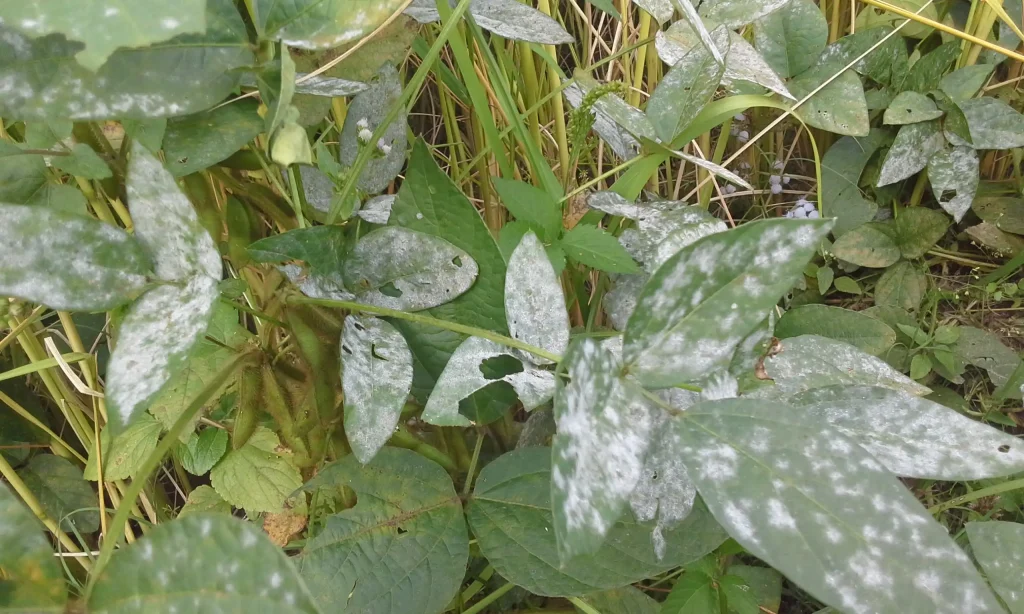
Foxgloves are relatively hardy, but they can occasionally face issues from diseases and pests. Powdery mildew often appears as a white, powdery coating on leaves, so ensure adequate spacing between plants for air circulation. For pests like aphids, inspect the undersides of leaves regularly and use insecticidal soap or neem oil to eliminate infestations.
If you notice leaf spot, reduce overhead watering and remove affected leaves to prevent spreading. Slugs and snails can attack tender foliage; mitigate this by sprinkling diatomaceous earth around your plants or using slug traps. Monitor your foxgloves weekly to address problems promptly and ensure healthy growth.
Encouraging Blooms and Prolonging the Flowering Season
To keep your foxgloves blooming beautifully and extend their flowering season, start by deadheading spent blooms. Cut off faded flower spikes close to their base to encourage the plant to focus energy on producing new blooms or side shoots.
Ensure your foxgloves receive the right balance of sunlight and shade, most varieties thrive in partial shade. Regularly check soil moisture and keep it consistently moist but not waterlogged. Mulching the soil with organic matter helps retain moisture and provides nutrients.
Feed your foxgloves with a balanced, slow-release fertilizer during their growing period. Removing weeds around the plants reduces competition for nutrients, supporting prolonged flowering.

Harvesting and Propagating Foxglove Seeds for the Future
To harvest foxglove seeds effectively, wait until the flower spikes finish blooming and the seed pods turn brown and dry. Carefully snip the stalks and place them over a container to collect the tiny seeds. Here’s how you can propagate them:
- Prepare the Soil: Use well-draining soil and ensure it’s slightly moist but not soggy.
- Sow the Seeds: Sprinkle seeds lightly on the soil’s surface; avoid covering them as they need light to germinate.
- Monitor Growth: Keep the soil moist and ensure it gets indirect sunlight.
By propagating, you preserve your foxgloves for seasons to come.

Tips for Designing a Foxglove Garden
- Choose the Right Spot: Select an area with partial shade to full sun and well-draining soil. Foxgloves thrive in spots that offer some protection from intense afternoon heat.
- Plan for Height: Arrange taller foxglove varieties at the back and shorter blooms at the front to create depth and balance.
- Soil Preparation: Ensure the soil is nutrient-rich and slightly acidic for optimal growth. Adding organic compost can improve fertility and drainage.
- Add Variety: Mix foxglove colors and styles to create visual interest, such as pairing pastel tones with bolder hues.
- Accessibility: Leave space between plants for easy watering and maintenance while allowing airflow to prevent disease.

Safety Precautions: Understanding the Toxicity of Foxgloves
Foxgloves are beautiful but highly toxic plants that require careful handling. You should know that every part of the plant contains digitalis, a compound that can affect heart function if ingested. Keep children and pets away from foxgloves as they may accidentally consume the leaves, flowers, or seeds.
When working with foxgloves, wear gloves to prevent skin irritation or accidental absorption of toxins. Ensure proper disposal of plant debris to avoid risks. Avoid planting foxgloves near vegetable gardens to minimize the chance of confusion. If poisoning occurs, seek immediate medical attention and provide details about exposure.

Frequently Asked Questions About Growing Foxglove Flowers
What type of soil is best for foxgloves?
Foxgloves thrive in moist, well-draining soil that is rich in organic matter. You should aim for slightly acidic to neutral pH levels (6.0-7.5) to ensure healthy growth.
Where should you plant foxgloves?
Choose a location with partial sun to light shade. Direct, intense sunlight can scorch the leaves, while deep shade may hinder flower production.
How often should you water foxgloves?
You should water deeply once the top inch of soil feels dry. Avoid overwatering, as soggy soil can lead to root rot.
Are foxgloves poisonous?
Yes, foxgloves contain toxic compounds. Ensure they are planted away from pets and children and always wash hands after handling them.
How can you propagate foxgloves?
Propagation is easiest through seeds. Sow them outdoors after the threat of frost passes, or start them indoors 8-10 weeks before planting.
Final Thoughts and Encouragement for Beginner Gardeners
Starting your gardening journey with foxgloves is a wonderful choice because they are both visually captivating and relatively easy to manage. As a beginner gardener, you should focus on basics like ensuring your soil is well-drained and experimenting with partial shade locations for optimal growth. Remember, gardening is as much about learning through trial and error as it is about nurturing plants.
If your foxgloves struggle initially, don’t be disheartened, adjust their conditions and keep observing. Over time, you’ll gain confidence and understand their needs better. Embrace patience, celebrate small successes, and enjoy the rewarding bond between you and your garden.