Why Grow Kale Indoors During Winter?
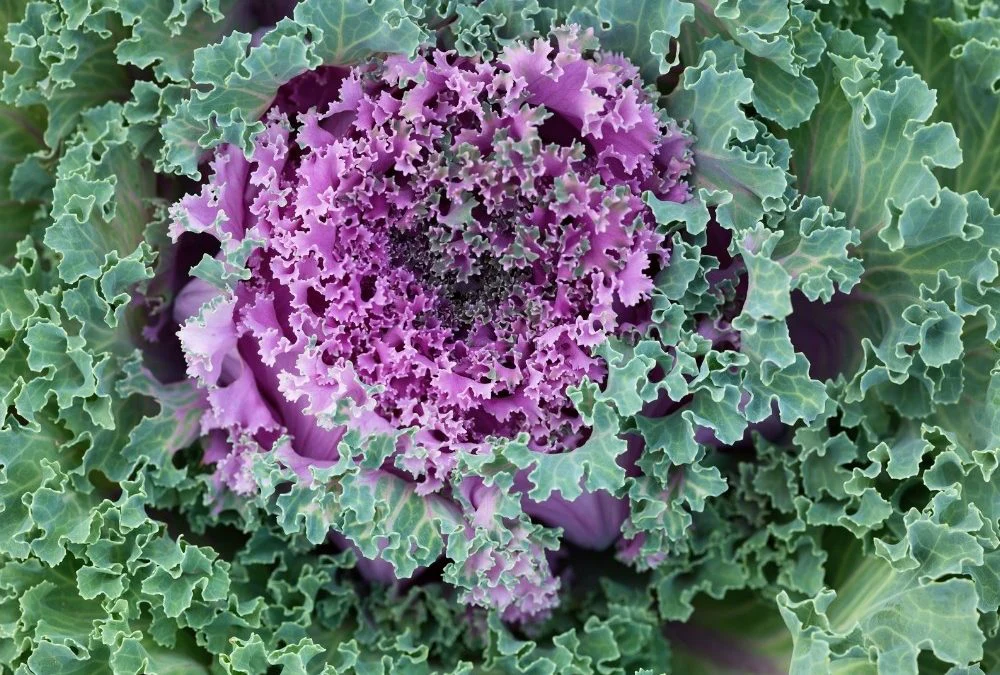
Grow kale indoors during winter offers numerous benefits. It allows you to enjoy fresh and nutrient-rich greens year-round, even when outdoor conditions are harsh. Indoors, you can control the environment, ensuring that your kale gets adequate light, temperature, and moisture to thrive. This eliminates the threat of frost, pests, and diseases common in outdoor winter gardens. Additionally, you can save trips to the grocery store and reduce waste by harvesting only what you need. For urban dwellers or those with limited outdoor space, indoor gardening is a practical solution to achieve self-sufficiency and sustainability during colder months.
Understanding the Basics of Kale and Its Benefits
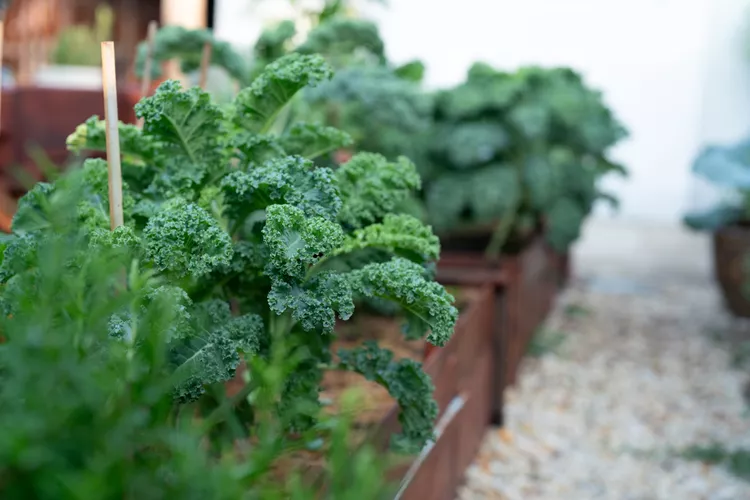
Kale, a member of the cabbage family, is a nutrient-dense leafy green commonly grown for its versatility and health benefits. Its distinctive curly or flat leaves span a range of colors, from vibrant green to deep purple. You can enjoy kale raw, sautéed, steamed, or blended into smoothies, making it a staple in many healthy diets.
Kale is rich in:
- Vitamins: A, C, and K, which support immunity, skin health, and strong bones.
- Minerals: Calcium and potassium, aiding in heart health and muscle function.
- Antioxidants: Fight inflammation and oxidative stress.
Furthermore, kale is low in calories and high in fiber, making it ideal for maintaining a balanced diet.
Choosing the Right Variety of Kale for Indoor Growth
When growing kale indoors, selecting the appropriate variety is essential for success. Some kale types are better suited for compact spaces and controlled environments. Here are some great options:

- Dwarf varieties: Opt for types like ‘Dwarf Blue Curled Kale,’ which grow smaller and fit well in indoor containers.
- Baby kale: Varieties such as ‘Red Russian’ or ‘Lacinato Baby’ are ideal for quick harvesting and smaller leaves.
- Curly kale: Compact and decorative, curly types like ‘Winterbor’ thrive in pots.
- Siberian kale: Known for its cold tolerance, it grows well in variable indoor climates.
Choosing a variety that pairs with your space and taste ensures a fruitful indoor harvest.
Essential Materials and Tools for Indoor Kale Gardening
To grow kale indoors during winter, you’ll need a few key materials and tools. Start with containers that offer proper drainage, like pots or grow bags. These should be deep enough to allow kale roots to spread. Use high-quality potting soil enriched with organic compost for optimal nutrition. Indoor gardening also requires grow lights, especially in low-light environments, to replicate the sunlight kale needs.

Invest in small gardening tools like trowels and watering cans for maintenance. Fertilizer is essential for steady growth, so choose a balanced, slow-release type. Additionally, a spray bottle can help keep the leaves hydrated. Use a hygrometer to monitor humidity levels. Reliable seeds are crucial, opt for varieties like ‘Dwarf Blue Curled Kale’ or ‘Toscano.’
Preparing Your Indoor Space for Kale Cultivation
To start, choose a location in your home that receives ample natural light, ideally near a south-facing window. If natural light is limited, invest in full-spectrum grow lights to mimic sunlight. Maintain a consistent temperature between 60°F and 75°F, avoiding areas with drafts or heat sources.
Prepare indoor planters by selecting containers with drainage holes to prevent overwatering. Use high-quality potting soil with good aeration and moisture retention, enriched with organic compost or nutrients. Ensure adequate room for the kale to grow by spacing seeds or seedlings properly.
Clean and disinfect containers before planting to prevent pests or diseases from spreading.
Step-by-Step Guide to Planting Kale Seeds Indoors
- Choose Your Containers: Select pots or trays with drainage holes to avoid waterlogging. Ensure the containers are at least 6 inches deep to allow adequate space for root development.
- Prepare the Soil: Use a nutrient-rich potting mix tailored for vegetables. Mix compost or organic matter with the potting soil to improve the texture and nutrients.
- Plant the Seeds: Sow the kale seeds about 1/4 to 1/2 inch deep into the soil. Space them around 2–3 inches apart to provide enough room for growth.
- Water the Soil: Moisten the soil after planting, but avoid overwatering. Maintain a damp but not saturated environment for the seeds.
- Ensure Proper Lighting: Place the containers where they can receive 8–10 hours of light daily, using grow lights if natural sunlight is limited during winter.
- Monitor Temperatures: Keep the indoor temperature between 60°F and 70°F for optimal seed germination and kale growth.
Providing Optimal Lighting, Temperature, and Humidity
To grow kale indoors during winter, ensure proper lighting, temperature, and humidity.

- Lighting: Kale thrives with 10–12 hours of light daily. Place your plants near a south-facing window or use grow lights for consistent brightness. LED grow lights with a mix of blue and red spectrums work well for leafy greens like kale.
- Temperature: Maintain a steady temperature between 60°F and 70°F. If your home gets chilly, consider using a space heater nearby, but avoid direct heat on the plants.
- Humidity: Keep humidity levels around 40–60%. Use a spray bottle to mist your plants or place a humidifier nearby if your indoor air is dry.
Watering and Fertilizing Your Indoor Kale Plants
Proper care ensures healthy growth for your indoor kale. Monitor soil moisture daily; kale prefers consistently damp, but not soggy soil. Water your plants when the top inch feels dry, using room-temperature water. Overwatering can lead to root rot, so ensure the pots have proper drainage holes.
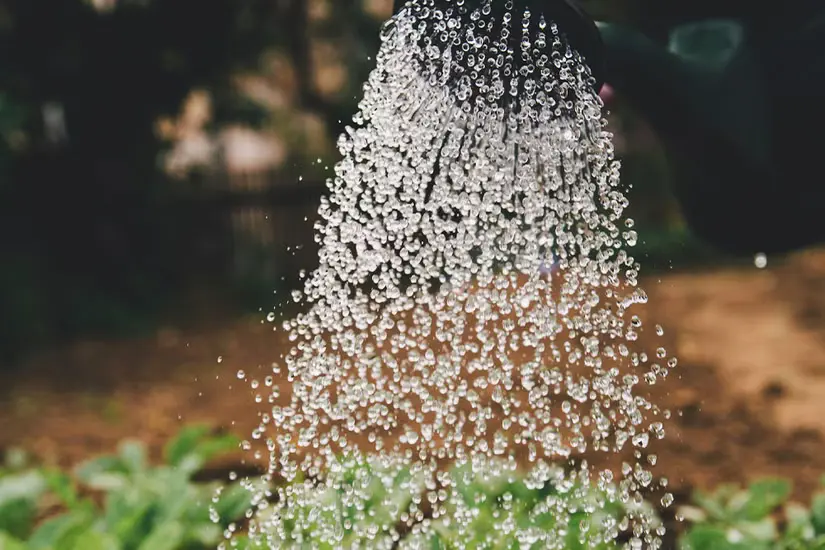
For optimal nutrition, apply a balanced liquid fertilizer every two to three weeks. Look for a fertilizer labeled for leafy greens or vegetables. Avoid over-fertilizing, as this can lead to excessive leaf growth, sacrificing flavor. Rotate between watering and feeding to prevent buildup. Adjust care based on your plant’s health and indoor environment.
Managing Pests and Common Issues Inside Your Home
To keep your indoor kale healthy, you must monitor for pests like aphids, spider mites, and whiteflies. Check leaves regularly, especially the undersides, for signs of infestation. If you spot pests, use insecticidal soap or neem oil spray, both are safe and effective solutions. Avoid overwatering to prevent mold or root rot, which can harm your plants. Maintaining proper air circulation by using a fan helps reduce humidity and deters pests. Always remove yellow or damaged leaves promptly to avoid attracting insects. Keep your plant’s environment clean to minimize pest hiding spots, ensuring your kale thrives indoors during winter.
Harvesting Kale: Tips for Continuous Growth
To enjoy a consistent supply of fresh kale during winter, focus on proper harvesting techniques. Start by picking outer leaves; these mature first without affecting new growth at the plant’s center. Use clean scissors or pruners to avoid damaging stems. Avoid stripping the plant entirely, leaving at least four to five healthy leaves for photosynthesis. Harvest regularly, every 7-10 days, to encourage ongoing growth.

Maintain ideal indoor conditions, such as adequate light and temperature, to boost recovery after harvesting. Feed your kale with diluted liquid fertilizer every two weeks to replenish nutrients. Observe your plant for signs of stress, adjusting care practices as needed.
Creative and Delicious Ways to Use Your Kale Harvest
- Make Smoothies: Blend kale into your morning smoothies with fruits like bananas, berries, and yogurt for a nutrient-packed drink.
- Create Chips: Toss kale with olive oil, salt, and spices, then bake until crispy for a tasty snack.
- Whip up Pesto: Substitute kale for basil in your pesto recipe to create a vibrant sauce for pasta or bread.
- Saute Kale: Sauté with garlic, olive oil, and a dash of spices as a simple side dish.
- Add to Soups: Chop and simmer kale in hearty soups like minestrone or potato leek for added flavor.
- Stuff It: Use kale leaves as wraps filled with grains, beans, and vegetables for a healthy meal.
Top Mistakes to Avoid When Growing Kale Indoors
- Choosing the Wrong Soil Avoid using garden soil or compacted soil, as kale requires well-draining, nutrient-rich potting mix to grow indoors effectively.
- Insufficient Lighting Kale thrives in six to eight hours of light daily. Relying solely on weak natural light or not using grow lights can stunt growth.
- Overwatering or Underwatering Don’t let water collect in the pot, but also ensure the soil doesn’t dry out completely. Improper watering can lead to root rot or stress.
- Ignoring Temperature Levels Keep the indoor temperature between 55-75°F. Extreme cold or heat can slow growth or even kill the plant.
- Skipping Pest Management Don’t underestimate pests indoors, such as aphids or spider mites. Regularly inspect your kale for signs of infestation.
Frequently Asked Questions About Indoor Kale Gardening
- How much light does indoor kale need? You should provide kale with 10-12 hours of light daily. Use a grow light if natural sunlight is insufficient during winter.
- What temperature is best for kale indoors? Maintain temperatures between 60°F and 75°F. Kale prefers cooler conditions but avoid drafts or extreme cold.
- Can you grow kale in small spaces? Yes, you can use containers, hydroponic setups, or windowsills to grow kale in compact areas.
- Do you need fertilizer? Feed kale every few weeks with a balanced, water-soluble fertilizer for optimal growth.
- How often do you water kale? Keep the soil consistently moist but avoid overwatering to prevent root rot.
Final Thoughts: Why Kale Is Perfect for Winter Indoor Gardens
Kale is exceptionally suited for winter indoor gardens due to its adaptability, nutritional value, and ease of cultivation. You can grow it in limited spaces using containers, making it perfect for apartments or small homes. Its ability to thrive in cooler temperatures means you won’t need to worry about overheating your plants indoors. Plus, kale matures fast, allowing you to enjoy fresh harvests in weeks.
Its versatility in meals means you’ll always have a healthy ingredient at your fingertips. Incorporate kale into salads, soups, and smoothies while appreciating its high vitamins and minerals. Kale brings sustainability and health to your winter gardening routine.