Imagine the sweet scent of lemon blossoms filling your home, even when snow blankets the ground outside. For many, fresh, juicy lemons are a summer dream. Cold climates, however, often make growing citrus outdoors impossible. Good news! You can bring the sunshine indoors. Cultivating your own lemon tree is a rewarding project, even in the chilliest regions.
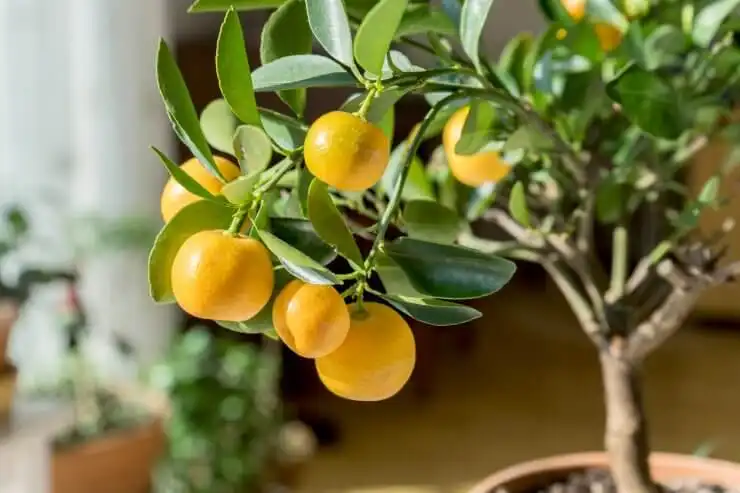
Having an indoor lemon tree offers many perks. Its bright green leaves and fragrant flowers add beauty to any room. You’ll also get fresh, organic lemons right from your own tree. This guide makes the process simple, showing you exactly what to do. Soon, you’ll be enjoying to grow lemon trees indoors.
1. Choosing the Right Lemon Tree Variety for Indoor Cultivation
Why Variety Matters for Grow Lemon Trees Indoors Success
Not all lemon trees thrive in pots or inside your home. Some grow too big, others need more light than you can give. Picking the correct type of lemon tree is your first step to success. Focus on varieties known for staying small. These are often called dwarf types.
Top Indoor Lemon Tree Varieties
Meyer Lemon Trees
The Meyer lemon tree is a top pick for indoor growers. Its fruit is sweeter than regular lemons, making it great for cooking. Meyer lemons stay compact and handle container life well. They often start giving fruit earlier than other types, too. This makes them a forgiving choice for new growers.

Ponderosa Lemon Trees
The Ponderosa lemon tree is another fine indoor option. It produces very large fruit, which can be quite a showstopper. While it grows a bit more vigorously, its size is still easy to manage in a pot. Many growers also love its attractive look.
Other Suitable Varieties
Some other lemon types also do well inside. Look for dwarf versions of Eureka or Lisbon lemons. These kinds offer the classic lemon taste many enjoy. Always ask for a dwarf type when buying for indoor use. This ensures the tree will fit your space.
2. The Perfect Potting Mix and Container for Your Indoor Lemon Tree
Selecting the Ideal Potting Soil
Your lemon tree needs soil that drains very well. Root rot is a common problem for potted plants, especially citrus. Choose a special citrus potting mix or a general potting mix lightened with perlite or bark. This blend lets water pass through easily, keeping roots healthy.
Understanding Drainage and Pot Size
Proper drainage is a must. Your pot needs holes at the bottom for water to escape. A good starting pot size is around 10-15 gallons, or 18-24 inches across. This allows room for roots to grow without being too big. Terracotta pots are a great choice. They are breathable, which helps the soil dry out faster.

Repotting Your Lemon Tree: When and How
You will need to repot your lemon tree every few years. Look for roots growing out of the drainage holes. Slow growth or constant wilting can also be signs. When you repot, choose a pot that is only one size larger than the old one. Gently loosen the roots before placing the tree in its new home. Fill with fresh potting mix.
3. Providing Optimal Light for Your Indoor Citrus
The Critical Role of Sunlight
Light is the single most important thing for indoor lemon trees. Without enough bright light, your tree won’t grow well or produce fruit. Lemon trees need at least six to eight hours of direct sunlight every day. This is a lot, so placement matters.
Natural Light vs. Grow Lights
A south-facing window is usually the best spot for natural light. It gets the most sun throughout the day. In cold climates, winter days are shorter and less bright. This is where grow lights become essential. They make up for the lack of natural sun.
Types of Grow Lights and Their Benefits
Full-spectrum LED grow lights work best for citrus. They mimic natural sunlight, helping your tree thrive. Position the grow light about 6-12 inches above the plant. Keep it on for 10-12 hours daily, especially in winter. This steady light helps your tree grow strong and make fruit.
4. Watering and Feeding: Keeping Your Indoor Lemon Tree Hydrated and Nourished
Watering Best Practices for Container Lemon Trees
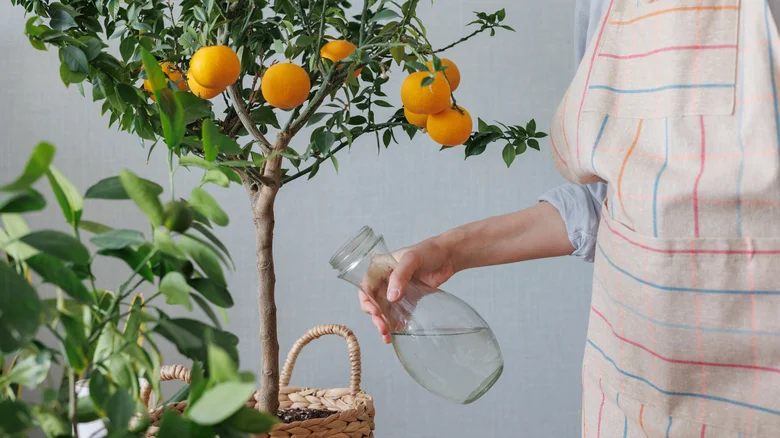
Watering correctly is key. Stick your finger about two inches into the soil. If it feels dry, it’s time to water. Water until you see it come out of the drainage holes. Never let your pot sit in standing water, as this can cause root rot. How often you water depends on room temperature and humidity.
Essential Nutrients for Citrus Growth
Lemon trees are hungry plants. They need a balanced fertilizer to stay healthy and fruitful. Look for a fertilizer made for citrus or acid-loving plants. These often have higher nitrogen, phosphorus, and potassium. They also contain micronutrients like iron and zinc that citrus needs.
Fertilizing Schedule and Tips
Feed your tree regularly during its growing season, usually spring and summer. Stop fertilizing in fall and winter when growth slows. Always follow the instructions on the fertilizer package. Dilute the fertilizer to half strength to avoid burning the roots. Water your tree before you fertilize.
5. Indoor Climate Control: Temperature, Humidity, and Airflow
Ideal Temperature Ranges for Indoor Lemons
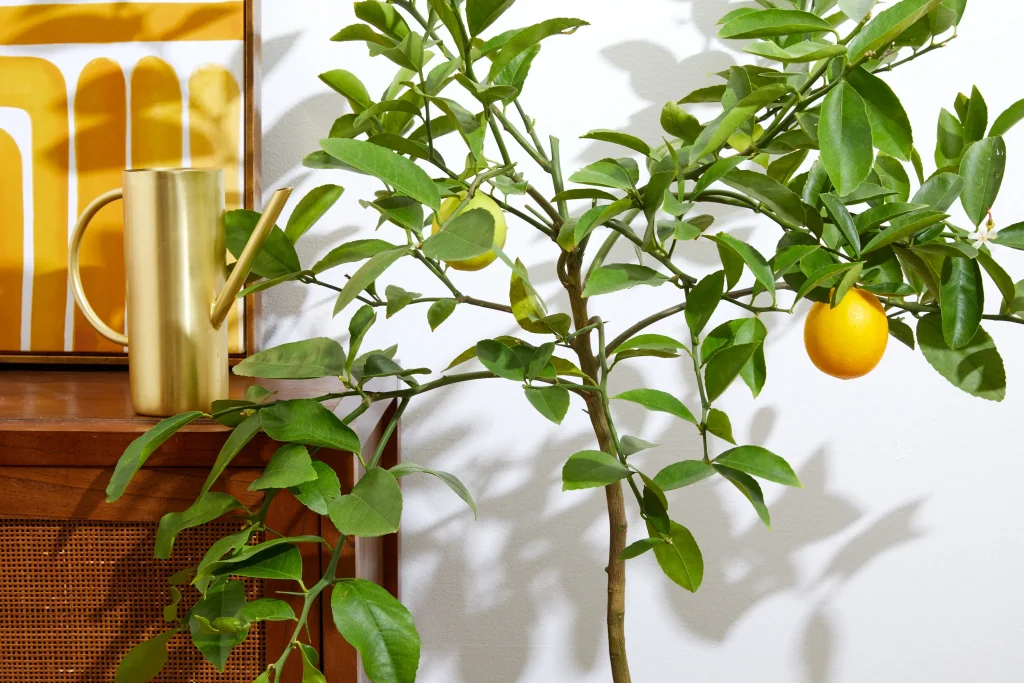
Lemon trees like warm temperatures. Keep your indoor space between 65-75°F (18-24°C) during the day. Nighttime temperatures can drop a bit lower, to around 55-65°F (13-18°C). Avoid cold drafts or sudden temperature changes. Your tree will not tolerate freezing temperatures.
Boosting Humidity for Tropical Plants
Most homes are too dry for lemon trees, especially in winter. Lemon trees are tropical plants that love high humidity. Dry air can lead to leaf drop and pest problems. Increasing the moisture in the air will make your tree happier.
Humidity Solutions: Pebble Trays and Misting
One easy way to boost humidity is a pebble tray. Fill a shallow tray with pebbles and add water, but do not let the pot sit in the water. The evaporating water creates a humid microclimate. You can also mist the leaves daily with water. For drier homes, a small room humidifier works well.
The Importance of Air Circulation
Good airflow prevents common issues like fungus and pests. Stagnant air can be a breeding ground for problems. If your room feels stuffy, a small fan can help. Just set it on a low setting and let it gently circulate the air. This helps keep the leaves dry and healthy.
6. Troubleshooting Common Indoor Lemon Tree Problems
Dealing with Pests: Identifying and Eradicating
Indoor lemon trees can sometimes get unwanted visitors. Look for spider mites, mealybugs, or scale insects. Spider mites make tiny webs and cause speckled leaves. Mealybugs look like cottony white masses. Scale insects are small, hard bumps on stems and leaves. Treat these pests with insecticidal soap or neem oil. Spray thoroughly, especially under the leaves.
Yellowing Leaves: Causes and Solutions
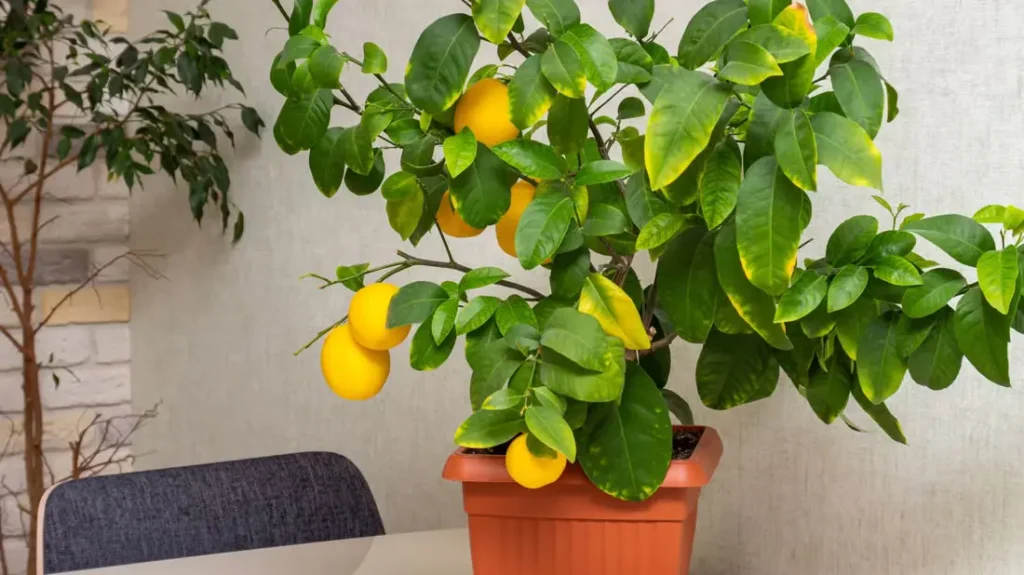
Yellow leaves can signal a few different problems. Too much water or not enough light are common culprits. Check your watering schedule and light setup first. Yellowing can also mean a lack of nutrients, like iron. Make sure your fertilizer is balanced and includes micronutrients. Adjusting your care often fixes the issue.
Encouraging Fruiting and Flowering Indoors
Want more lemons? Proper feeding and plenty of light are crucial. If your tree flowers but doesn’t set fruit, you might need to hand-pollinate. Use a small, soft paintbrush or cotton swab. Gently swirl it inside each flower to transfer pollen from one bloom to another. This helps ensure fruit develops.
Conclusion: Enjoying Your Homegrown Citrus Year-Round
Growing lemon trees indoors in cold climates is entirely possible. Focus on choosing the right variety, providing good soil and light, and careful watering. Manage the indoor temperature and humidity for best results. Keep an eye out for pests and address problems quickly. With a little effort, you will soon enjoy the sweet smell of blossoms and the taste of fresh, homegrown lemons. Get ready to add that zesty touch to your meals, straight from your own living room!