Winter Vegetables to Grow transforms your cold-climate garden into a year-round source of fresh, nutritious produce. You don’t have to abandon your gardening dreams when temperatures drop and snow begins to fall. Winter vegetable gardening offers you the opportunity to harvest crisp greens, sweet root vegetables, and hardy brassicas even when your neighbors’ gardens lie dormant.
Cold climates present unique challenges for winter growing vegetables. Freezing temperatures, shortened daylight hours, and harsh weather conditions can seem insurmountable.

The secret to how to grow winter vegetables in cold climates lies in selecting the right varieties and employing protective techniques. Hardy vegetables like kale, Brussels sprouts, and carrots actually thrive in cold conditions, often becoming sweeter after frost exposure. You can extend your growing season using cold frames, row covers, and strategic mulching methods that create microclimates around your plants, turning winter from a gardening obstacle into an opportunity for fresh, homegrown vegetables.
Understanding Winter Gardening in Cold Climates
Cold climate gardening offers unique opportunities for dedicated gardeners who are willing to embrace the challenges of shorter days and freezing temperatures. These areas are usually defined as places where temperatures consistently drop below 32°F (0°C) for long periods, often with snow cover and less sunlight.
The Importance of Cold-Hardy Crops
Cold-hardy crops have specific adaptations that enable them to survive and even thrive in freezing conditions. These vegetables produce natural antifreeze substances, like sugars and proteins, which stop ice crystals from forming in their cells. Many cold-hardy varieties actually taste sweeter after being exposed to frost because the plants convert starches into sugars as a protective measure.
How Resilient Plants Differ from Warm-Season Crops
The cellular structure of these resilient plants is quite different from that of warm-season crops. Their cell walls are more flexible, allowing them to shrink and expand without breaking when temperatures change. Some varieties, such as kale and Brussels sprouts, can endure temperatures as low as 10°F (-12°C) when properly established.
Benefits of Winter Gardening Techniques
By using winter growing methods, you can extend your growing season and enjoy several advantages beyond just having access to fresh produce:
- Lower grocery costs
- Improved nutrition during months when fresh vegetables are pricey
- Development of useful gardening skills
- Better use of your garden space
- Creation of a sustainable food system throughout the year
Key Strategies for Growing Vegetables in Winter
Success in winter vegetable gardening depends on mastering protective techniques and timing your plantings correctly. You need to create microclimates that shield your crops from harsh conditions while maintaining proper growing environments.

1. Use Insulating Structures
Insulating structures form the backbone of winter gardening protection. Here are some options you can consider:
- Cold frames provide excellent shelter for leafy greens and can extend your harvest by several weeks.
- High tunnels and low tunnels create greenhouse-like conditions, trapping warm air while allowing light penetration.
- Row covers offer lighter protection perfect for moderately hardy crops like spinach and arugula.
2. Apply Mulch Strategically
Mulch for winter garden applications requires strategic layering around plant bases. Here’s how you can do it effectively:
- Apply 3-4 inches of organic materials like straw, shredded leaves, or cardboard to insulate soil and prevent root freeze damage.
- This mulch layer maintains soil temperature and reduces moisture fluctuations that can stress winter crops.
3. Time Your Planting Wisely
Timing determines your winter harvest success. Follow these guidelines for optimal planting:

- Plant cold-hardy varieties between mid-August and early October to establish strong root systems before deep cold arrives.
- Earlier plantings develop better cold tolerance, while late plantings may not mature sufficiently.
4. Protect Plants from Frost
Protecting plants from frost extends beyond covering techniques. Here are some additional measures you can take:
- Manage drainage to prevent waterlogged soil conditions that lead to root rot.
- Position covers to allow air circulation while blocking wind and excessive moisture.
- Remove covers during warm spells to prevent overheating and maintain proper ventilation around your winter vegetables.
Winter Vegetables to Grow
1. Kale (Lacinato, Winterbor)
Lacinato kale, also known as dinosaur kale, is one of the most reliable cold-tolerant leafy greens you can grow. This Italian heirloom variety can withstand temperatures as low as 10°F (-12°C) and actually becomes sweeter after being exposed to frost. The dark blue-green leaves develop enhanced flavor complexity when exposed to cold stress, making winter-harvested kale superior to summer crops.

Winterbor kale is the best type of kale variety that can survive in cold weather. It was specifically bred for winter production. This curly-leafed variety can tolerate temperatures down to 5°F (-15°C) and maintains its texture even under snow cover. You’ll find Winterbor particularly valuable because it continues growing slowly throughout winter, providing continuous harvests.
Nutritional benefits multiply during cold weather as kale concentrates vitamins A, C, and K in response to temperature stress. Winter kale contains up to 40% more antioxidants than summer-grown plants, delivering exceptional nutritional value when fresh vegetables are scarce.
Best planting practices require sowing seeds in late August through mid-September for optimal winter harvests. Direct seed kale 6-8 weeks before your first hard frost, allowing plants to establish strong root systems. Space plants 12-18 inches apart and provide consistent moisture during establishment. Once established, kale requires minimal care and actually benefits from light frost exposure, which triggers sugar production and improves leaf tenderness.
2. Spinach (Giant Winter, Winter Bloomsdale)
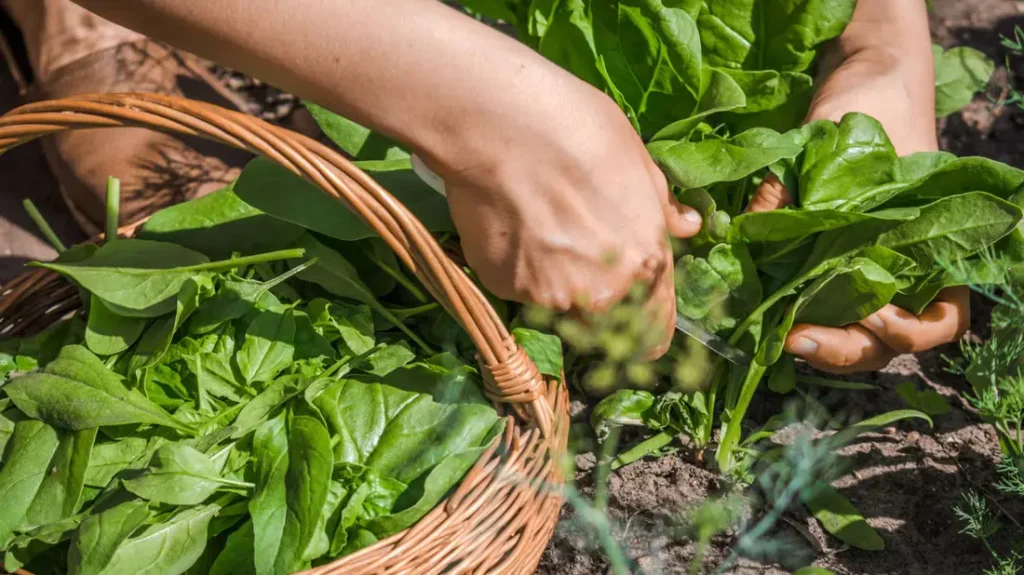
Spinach is one of the best winter vegetables to grow in cold climates. Varieties like Giant Winter and Winter Bloomsdale are specifically bred to tolerate cold temperatures. These hardy leafy greens can survive temperatures as low as 15°F (-9°C) and actually taste sweeter after being exposed to frost.
Growth habits during cold weather
During winter, spinach shows its ability to adapt. The plants slow down their growth significantly, forming compact rosettes that conserve energy while keeping the leaves fresh. As temperatures drop, you’ll notice the leaves becoming thicker and more substantial, providing natural protection against freezing.
Soil requirements for winter spinach varieties
To grow winter spinach varieties, make sure your soil meets these requirements:
- Well-draining soil with a pH level between 6.0-7.0
- Rich organic matter to retain moisture without waterlogging
- Loose texture that allows roots to develop in cold conditions
Harvesting tips for spinach
To get the most out of your spinach crop throughout winter, follow these harvesting tips:
- Cut outer leaves when they reach 3-4 inches in length
- Leave the center of the plant untouched so it can continue producing
- Even under light snow cover, you can still harvest spinach as the plants remain alive beneath this natural insulation layer
3. Brussels Sprouts (Igor)
Brussels sprouts are one of the most rewarding brassicas for winter garden cultivation among frost-resistant vegetables. Cold weather actually enhances their flavor by converting starches to sugars, making them sweeter after exposure to temperatures below 32°F. The Igor variety demonstrates exceptional cold tolerance, surviving temperatures as low as 10°F with proper protection.
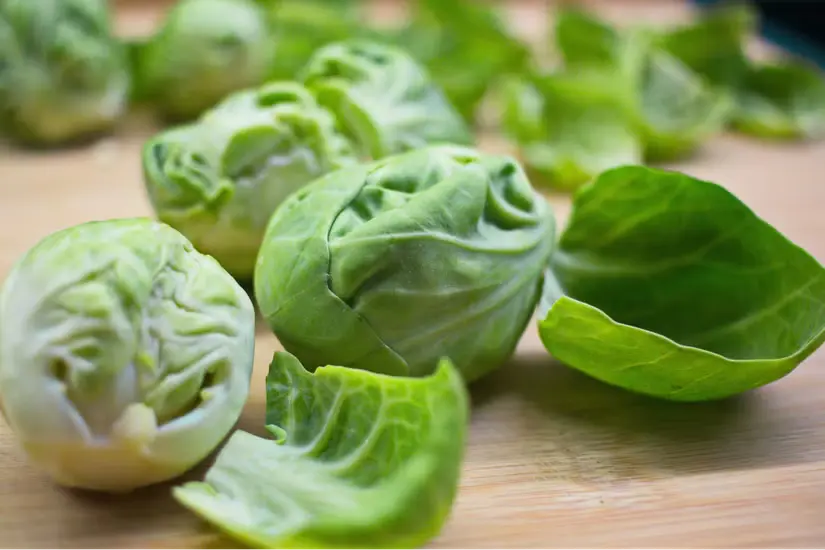
Recommended cultivation practices for successful Brussels sprouts production:
- Timing: Start seeds indoors 12-14 weeks before first expected frost
- Transplanting: Move seedlings outdoors in mid to late summer
- Spacing: Plant 18-24 inches apart in rows 3 feet wide
- Soil preparation: Ensure well-draining, fertile soil with pH 6.0-7.0
- Protection: Use row covers or cold frames when temperatures drop below 20°F
You’ll harvest sprouts from bottom to top as they mature, typically beginning 90-100 days after transplanting. The compact, firm sprouts develop best when nighttime temperatures consistently fall between 20-30°F, making Brussels sprouts an ideal choice for winter vegetables to grow in cold climates.
4. Carrots (Napoli, Bolero)
Cold-hardy carrots, such as Napoli and Bolero, are among the most rewarding root vegetables to grow in winter in difficult climates. These varieties are exceptionally resistant to frost and actually become sweeter when exposed to cold temperatures. This natural process involves the conversion of starches into sugars as a defense mechanism against freezing, making them the ideal vegetables to grow in winter for gardeners seeking delicious harvests.
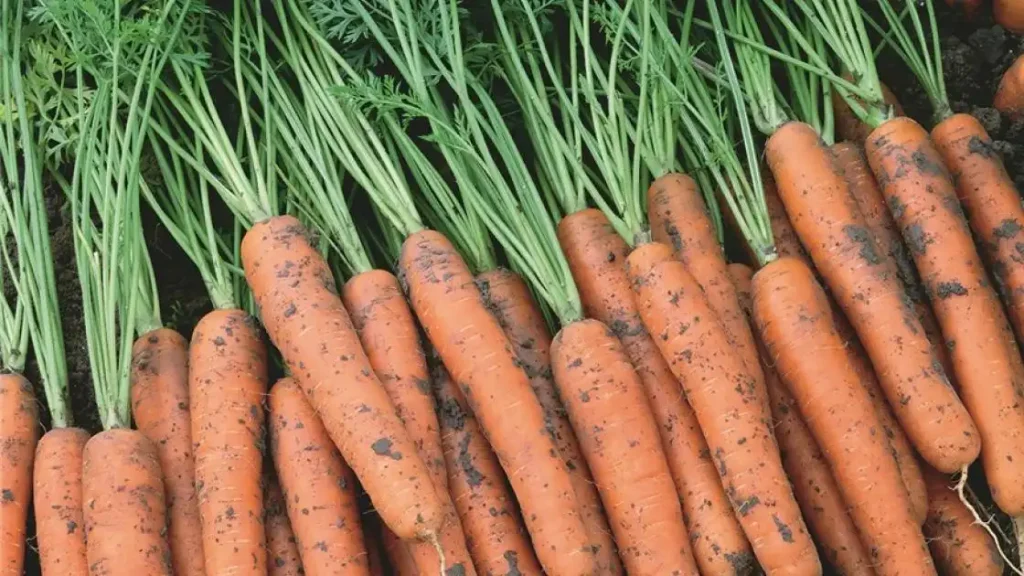
When choosing carrot varieties that can withstand frost, it’s important to select cultivars specifically bred for cold conditions:
- Napoli: A Nantes-type variety with excellent cold resistance
- Bolero: An Imperator-type offering superior winter storage capabilities
- Both varieties maintain crisp texture through multiple freeze-thaw cycles
Harvesting under snow insulation
With the right technique, harvesting carrots even when covered in snow becomes surprisingly easy. Snow acts as a natural mulch, keeping the soil temperature around 32°F even when the air temperature drops much lower. You can harvest carrots directly through the snow by gently brushing away the white layer and digging up the roots as needed. The insulating properties of snow actually preserve carrot quality better than many artificial coverings, making it practical and rewarding for dedicated cold-climate gardeners to harvest in winter.
In addition to carrots, there are other winter vegetables that can thrive in similar conditions, providing a diverse range of options for your winter garden.
5. Leeks (Bandit, Tadorna)
Hardy leeks varieties like Bandit and Tadorna are some of the most reliable alliums for winter garden cultivation. These vegetables to grow in winter can withstand very cold temperatures, even below freezing, while still developing their mild, sweet flavor.

How to Grow Leeks in Winter
Growing leeks through winter months requires strategic timing and proper care:
- Plant seedlings in late summer (August-September) to establish strong root systems before winter
- Space plants 6 inches apart in rows to allow adequate air circulation
- Hill soil around stems gradually as they grow to create longer white portions
Importance of Soil Preparation and Protection
Soil preparation and protection is crucial for successful leek cultivation. You need well-draining, fertile soil enriched with compost to prevent waterlogging during wet winter months. Apply a thick mulch layer around plants using straw or leaves to insulate roots from temperature changes.
Choosing the Right Leek Varieties
Bandit variety offers superior cold resistance and uniform growth, while Tadorna produces longer, thicker stems ideal for winter harvests. Both varieties benefit from row covers during extreme cold snaps, though they typically withstand snow coverage without damage. These winter vegetables to grow in cold climates continue growing slowly throughout winter, providing fresh harvests when other vegetables have finished producing.
Moreover, incorporating sustainable practices such as using organic compost and practicing crop rotation can enhance the health of your leek crops. Additionally, understanding the specific nutrient requirements for leeks can further improve yield and quality.
6. Cabbage (January King, Brunswick)
January King and Brunswick cabbage varieties stand among the most reliable brassicas in winter gardening. These cabbage varieties for cold climates demonstrate exceptional frost resistance, surviving temperatures as low as 10°F (-12°C) when properly established.
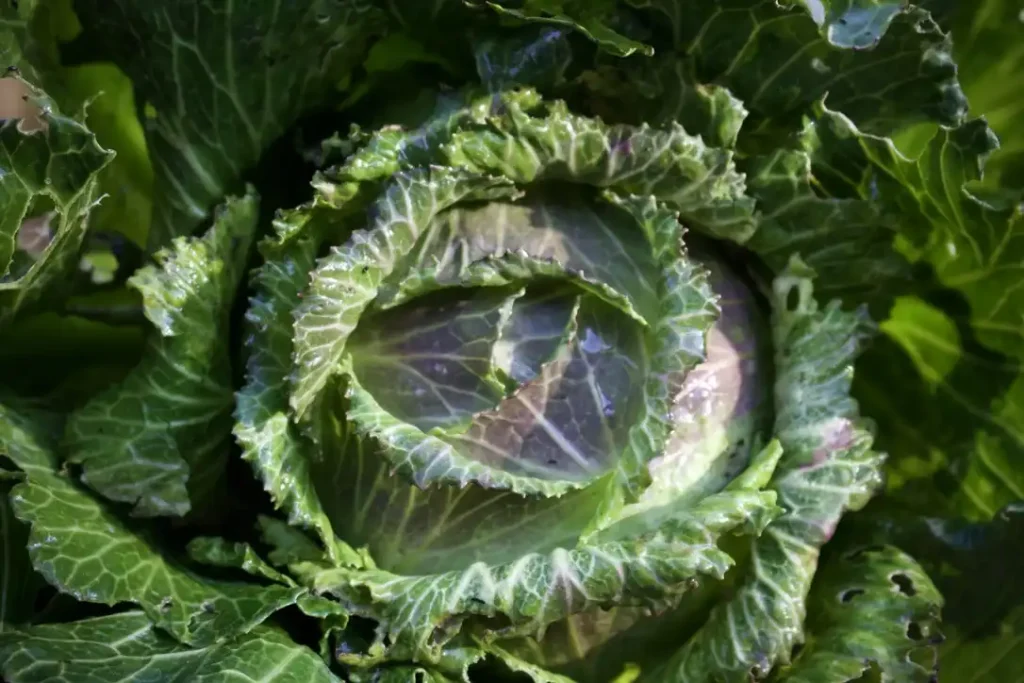
Plant cabbage transplants between mid-August and early September for optimal winter harvests. January King develops stunning purple-tinged outer leaves that intensify with cold exposure, while Brunswick produces dense, compact heads perfect for storage. Both varieties require 90-120 days to mature, making timing crucial for your growing zone.
Soil preparation involves:
- Deep cultivation to 12 inches with compost incorporation
- pH levels between 6.0-6.8 for optimal nutrient uptake
- Consistent moisture without waterlogging
Row covers or cold frames protect young plants during establishment. Once mature, these hardy varieties actually improve in flavor after experiencing light frosts, converting starches to sugars for enhanced sweetness.
7. Parsnips (Hollow Crown)
Parsnips are unique among root crops in winter gardens because they can tolerate cold temperatures and have specific growing needs. The Hollow Crown variety actually thrives in cold conditions, requiring frost to develop its sweet, nutty flavor that makes it a prized addition to your collection of winter vegetables to grow in cold climates.

The slow growth cycle suited to winter harvests means you’ll plant parsnip seeds in late spring or early summer, allowing them to mature through the entire growing season. This extended timeline works perfectly for gardeners learning how to grow vegetables in winter, as parsnips can remain in the ground well into winter months, even under snow cover.
Soil Preparation
Soil preparation requires deep, loose earth since parsnips develop long taproots. Work compost into well-draining soil to prevent root rot during wet winter months.
Mulching
Mulching becomes crucial for successful parsnip cultivation – apply a thick layer of straw or leaves around plants before the first hard frost. This mulch layer protects roots from temperature fluctuations and makes harvesting easier when soil freezes solid.
You can harvest parsnips throughout winter by carefully digging through mulch and frozen soil, rewarding your patience with incredibly sweet, cold-enhanced roots.
8. Mustard Greens and Arugula
These cold-tolerant leafy greens are among the quickest-growing winter vegetables to cultivate in cold regions. Mustard greens can endure temperatures as low as 20°F (-6°C), while arugula flourishes in frost conditions that would destroy delicate crops. Both vegetables reach maturity in just 30-45 days, making them perfect for cold weather gardening when you need fast results.

You can pick baby leaves in as little as 3 weeks after planting, ensuring a steady supply of fresh greens throughout the winter months. These leafy greens for cold weather gardening actually develop sweeter, more intricate flavors when exposed to light frost. For optimal results, plant seeds directly in the garden from late August to September.
Key growing tips:
- Sow seeds every 2-3 weeks for continuous harvests
- Thin seedlings to 4-6 inches apart
- Harvest outer leaves while centers continue producing
- Use row covers during extreme cold snaps below 15°F
9. Radishes (Daikon, Schwarzer Runder)
Radishes are quick maturing root vegetables perfect for gardeners working with short winter growing seasons. These hardy crops can be ready for harvest in as little as 30-60 days, making them ideal choices when you need fast results in cold climates.
Daikon radishes offer exceptional cold tolerance and can grow throughout winter months, developing their characteristic long white roots even in freezing conditions. The Schwarzer Runder variety provides a compact, round black radish that stores exceptionally well and actually improves in flavor after exposure to frost.

You can direct sow radish seeds in late summer through early fall, allowing them to mature during the coldest months. These winter vegetables thrive in well-draining soil and benefit from light mulching to prevent the ground from freezing solid around the roots. Daikon varieties can even be harvested from under snow, as the cold weather concentrates their flavors and reduces any bitter notes.
Both varieties require minimal protection compared to other winter vegetables, though a simple row cover can extend your harvesting window significantly.
10. Swiss Chard and Tatsoi
Swiss chard stands out among hardy leafy greens for winter garden cultivation, surviving temperatures as low as 15°F (-9°C) when properly protected. This cold-tolerant leafy green offers exceptional versatility in the kitchen – you can harvest young leaves for salads or mature stems for sautéing, braising, or adding to soups. The colorful stems of varieties like ‘Bright Lights’ add visual appeal to winter gardens while providing consistent harvests.

Tatsoi, a compact Asian green, demonstrates remarkable resilience to freezing temperatures, often improving in flavor after frost exposure. This rosette-forming vegetable grows close to the ground, making it ideal for cold frame protection. You can harvest individual leaves continuously or cut entire plants when they reach 4-6 inches across.
Both vegetables respond well to winter vegetables to grow in cold climates techniques:
- Plant seeds in late summer for winter harvests
- Use row covers during extreme cold snaps
- Harvest outer leaves regularly to encourage continued growth
- Apply mulch around plants to insulate roots
Additional Tips for Successful Winter Vegetables to Grow
Seed sowing techniques and transplanting seedlings in fall/winter require different approaches depending on your chosen crops. Direct sowing works best for root vegetables like carrots, radishes, and parsnips, which don’t transplant well due to their taproot systems. You should plant these seeds directly in the ground between mid-August and early September for optimal establishment before winter sets in.
Leafy greens and brassicas respond better to transplanting seedlings. Start kale, Brussels sprouts, and cabbage indoors 6-8 weeks before your first expected frost, then transplant the sturdy seedlings outdoors in early fall. This method gives you better control over germination rates and protects young plants during their most vulnerable stage.

Managing light levels and moisture during short daylight periods becomes critical as winter approaches. Position your winter garden in the sunniest available location, typically facing south or southwest. You can supplement natural light with reflective mulch or white-painted surfaces nearby. Control moisture by ensuring proper drainage and using protective covers during heavy rain periods to prevent root rot.
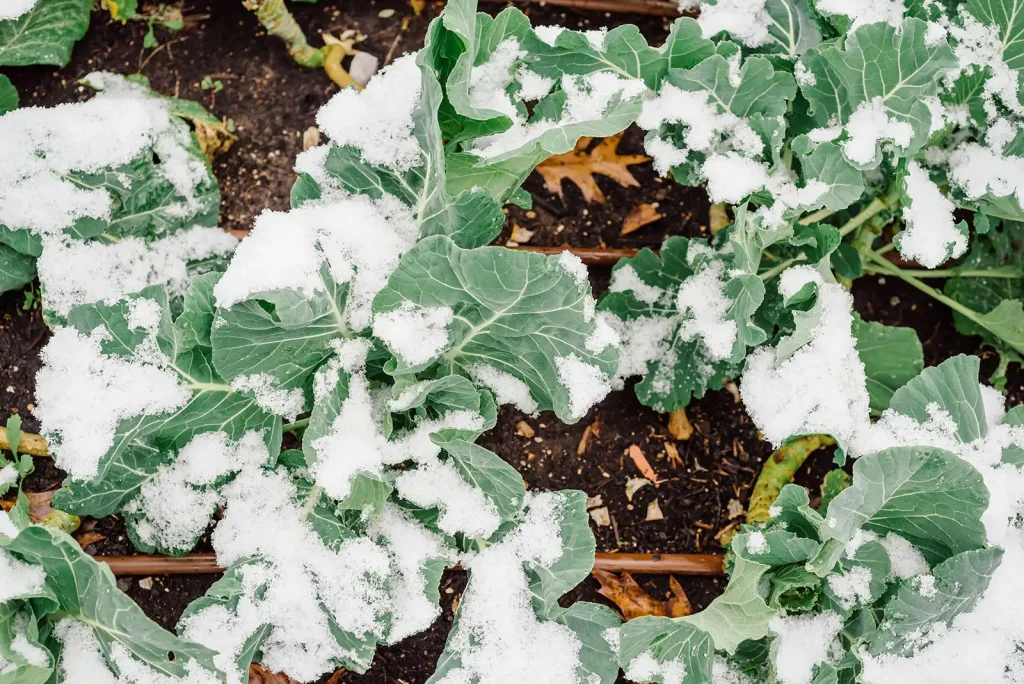
Using snow as natural insulation provides one of nature’s best protective systems for how to grow winter vegetables in cold climates. Snow acts as a blanket, maintaining soil temperatures around 32°F even when air temperatures drop much lower. Don’t brush snow off your winter crops – let it accumulate naturally to create this insulating layer that keeps your vegetables alive and harvestable throughout the coldest months.