Grow sunflowers from seeds is one of the most rewarding experiences in gardening. These magnificent plants, with their towering stalks and radiant blooms, transform any garden into a stunning display of natural beauty.
You’ll discover that growing sunflowers brings multiple rewards to your garden and life:
- Natural Beauty: Watch as tiny seeds develop into stunning flowers that can reach heights of up to 3 meters
- Easy Care: Sunflowers thrive with basic care and attention
- Versatile Options: Choose from dwarf varieties at 50cm to giant specimens over 3m tall
- Wildlife Attraction: Create a natural habitat for bees, butterflies, and birds
- Edible Benefits: Harvest nutritious seeds packed with healthy fats and vitamins
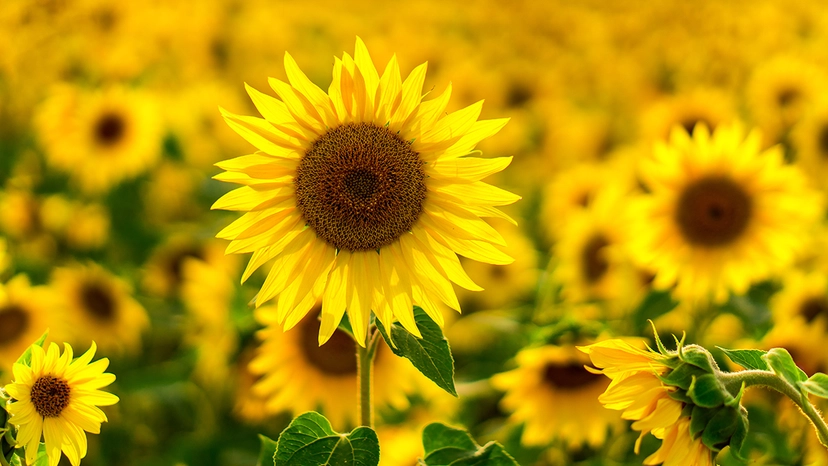
The journey from seed to bloom creates a special connection to nature. You’ll witness the daily changes as your sunflowers stretch toward the sky, developing strong stems and vibrant leaves before revealing their iconic yellow petals.
Starting sunflowers from seeds puts you in control of the entire growing process. You select the varieties, decide on the planting location, and nurture the plants from their earliest stages. This hands-on approach deepens your understanding of plant growth cycles and provides a sense of accomplishment as your sunflowers reach maturity.
Ready to start your sunflower growing adventure? Let’s explore the essential steps to successfully grow these cheerful flowers from seeds.
Benefits of Growing Sunflowers from Seeds
Growing sunflowers from seeds offers multiple advantages that make it an attractive option for gardeners of all skill levels. You’ll find sunflower seeds readily available at local garden centers and online retailers at budget-friendly prices, making it a cost-effective way to start your garden journey.
The variety selection adds an exciting dimension to your gardening experience. You can choose from:
- Dwarf varieties – perfect for container gardens
- Giant varieties – reaching impressive heights of up to 12 feet
- Multi-colored options – including red, bronze, and bi-colored blooms
- Single or double-flowered types – offering different visual appeals
Children find sunflower growing particularly engaging. The large seeds are easy for small hands to handle, and watching these plants grow taller than themselves creates a sense of wonder and achievement. This hands-on experience teaches valuable lessons about plant life cycles and patience.
Your sunflower garden contributes significantly to local ecosystems:
- Attracts essential pollinators like bees and butterflies
- Provides food sources for local birds
- Creates natural shade for other garden plants
- Helps improve soil quality through deep root systems
Choosing the Right Spot and Preparing the Soil for Sunflowers
Sunflowers thrive in locations that receive 6-8 hours of direct sunlight daily. These sun-loving plants need bright exposure to develop strong stems and produce vibrant blooms. Select a spot away from tall structures or trees that might cast shadows during peak sunlight hours.
Understanding Your Soil Requirements
Your sunflowers need well-drained soil with these characteristics:
- pH level between 6.0 and 7.5
- Loose, crumbly texture
- Ability to retain moisture without becoming waterlogged
- Deep enough for extensive root systems (at least 12 inches)
Testing and Improving Soil Drainage
Test your soil’s drainage by digging a hole 12 inches deep and filling it with water. If the water takes longer than 30 minutes to drain, you’ll need to improve the drainage. Mix in these elements to enhance soil quality:
- Coarse sand
- Organic matter
- Aged compost
- Perlite
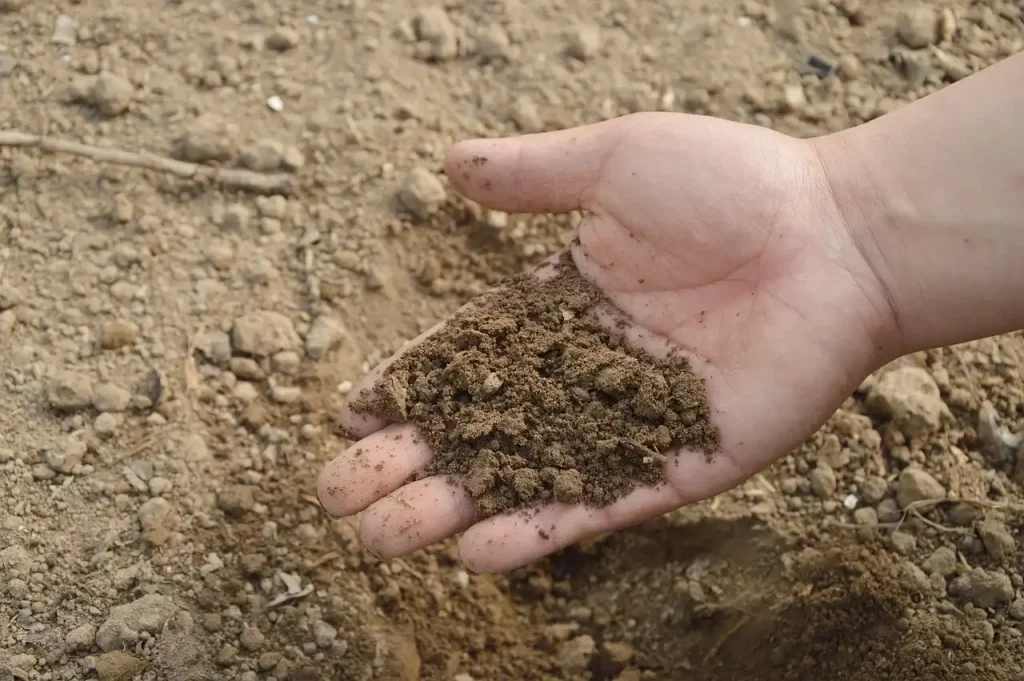
For clay-heavy soils, incorporate a 2-inch layer of compost into the top 8 inches of soil. This addition improves both drainage and nutrient content. Sandy soils benefit from extra organic matter to boost water retention and provide essential nutrients.
Considering Wind Exposure
Consider wind exposure when selecting your planting location. A spot with natural wind protection helps prevent stem damage as your sunflowers grow taller. Creating raised beds can also improve drainage in areas with heavy soil.
Planting Sunflower Seeds
The success of your sunflower garden starts with proper seed planting techniques. Plant your sunflower seeds 1 to 2 inches deep in the soil – this depth protects seeds from birds while allowing seedlings to emerge easily.
Your planting schedule depends on your local climate. Wait until soil temperatures reach 50°F (10°C) and all frost danger has passed. For most regions, this falls between April and May.
Spacing requirements vary based on sunflower varieties:
- Giant varieties (over 6 feet tall): Space seeds 6 inches apart in rows 30 inches apart
- Medium varieties (4-6 feet tall): Plant seeds 4 inches apart in rows 24 inches apart
- Dwarf varieties (under 4 feet): Space seeds 3 inches apart in rows 18 inches apart
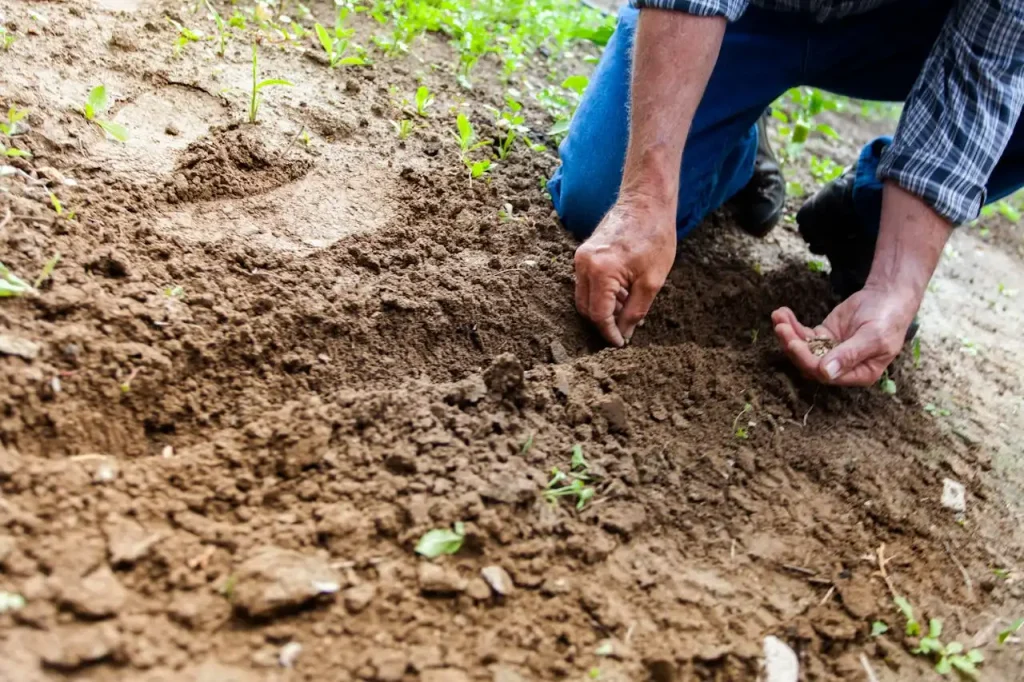
Press the soil firmly around each seed to ensure good seed-to-soil contact. Water the planted area gently but thoroughly. You can thin the seedlings once they reach 6 inches tall, keeping the strongest plants at your desired final spacing.
Indoor Seed Starting vs. Direct Sowing
Advantages of Starting Seeds Indoors
Starting sunflower seeds indoors offers several advantages:
- Protection from late frosts and harsh weather
- Earlier blooms in the growing season
- Better control over growing conditions
- Higher germination rates
- Protection from garden pests
Challenges of Indoor Starting
While starting seeds indoors has its benefits, there are also challenges to consider:
- Limited root development in containers
- Risk of transplant shock
- Additional equipment needed (pots, grow lights)
- Extra time and effort required
Benefits of Direct Sowing Seeds
Direct sowing sunflower seeds into your garden brings its own benefits:
- Stronger root systems
- Less maintenance required
- No transplant shock
- Natural growing conditions
- Space-efficient method
Timing Your Planting Method
Start indoor seeds 4-6 weeks before the last frost date in your area. Plant seeds in biodegradable pots filled with seed-starting mix, maintaining soil temperature at 70-75°F (21-24°C).
For direct sowing, wait until soil temperatures reach 50°F (10°C) and all frost risk has passed. This typically aligns with spring planting times between April and May in most regions.
You can stagger your planting dates 2-3 weeks apart to enjoy continuous blooms throughout the growing season.
Caring for Your Sunflower Plants
Your sunflowers need consistent care to reach their full potential. Follow these guidelines to ensure your plants thrive:
Watering
Water your plants deeply at the base, providing 1-2 inches of water per week. Watch for signs of overwatering:
- Yellowing leaves
- Weak, floppy stems
- Fungal growth at the base
- Root rot

Supporting Tall Varieties
Tall sunflower varieties require sturdy support systems to prevent wind damage and stem breakage. Install stakes when plants reach 2 feet tall:
- Place wooden or bamboo stakes 6 inches from the main stem
- Drive stakes 12 inches into the ground
- Secure plants with soft garden twine in a figure-eight pattern
- Add additional ties as plants grow taller
For multi-branching varieties, use tomato cages or create a support network with multiple stakes and string. Check ties weekly to ensure they’re not too tight as stems thicken. Remove any damaged or diseased leaves to maintain plant health and prevent pest problems.
Mulching
Mulch around the base of your sunflowers with straw or wood chips to retain moisture and suppress weed growth. This protective layer helps maintain consistent soil temperature and reduces water evaporation.
Fertilizing and Protecting Your Sunflower Plants
Your sunflowers need specific nutrients at different growth stages to reach their full potential. During the early growth phase, apply a nitrogen-rich fertilizer to promote strong stem and leaf development. A balanced NPK ratio of 5-5-5 works well for young plants.
As your sunflowers prepare to bloom, switch to a high-potash fertilizer with an NPK ratio like 3-15-3. This nutrient shift supports flower formation and helps develop large, vibrant blooms.
Fertilizing Schedule:
- Apply initial nitrogen-rich fertilizer when plants reach 30cm tall
- Feed plants every 4-6 weeks during growing season
- Switch to high-potash fertilizer when flower buds appear
Protection Tips:
- Create a protective barrier around young plants using copper tape to deter slugs
- Install physical barriers like netting to protect seeds from birds
- Place mulch around the base to retain moisture and suppress weeds
The right fertilizer combination paired with proper protection measures gives your sunflowers the best chance to thrive. A well-fed sunflower plant displays deeper green foliage and produces larger, more impressive blooms.
Germination, Early Care, and Harvesting Sunflower Seeds
Your sunflower seeds need specific conditions to sprout successfully. Keep soil temperature between 70-75°F (21-24°C) for optimal germination. Under these conditions, you’ll spot the first shoots emerging in 3-10 days.

Protecting Early Growth
To protect your young sunflowers from pests and slugs, consider implementing the following strategies:
- Create barriers around seedlings using copper tape
- Spread crushed eggshells on soil surface
- Set up beer traps at ground level
- Remove slugs and snails by hand during evening hours
Knowing When to Harvest Your Sunflowers
It’s important to know when your sunflowers are ready for harvest to ensure you collect the seeds at the right time. Look out for these signs:
- Back of flower head turns yellow to brown
- Seeds develop dark stripes
- Florets in center fall off naturally
- Birds start showing increased interest
When you notice these indicators, it’s time to gather your sunflower seeds.
How to Harvest Sunflower Seeds
For seed collection, cut the flower head with 6 inches of stem attached when seeds are plump and dark. Hang heads upside down in a dry, well-ventilated area. Place paper bags around the heads to catch falling seeds. Seeds should pop out easily when rubbed with your thumb – a sign they’re fully dried and ready for storage.

You can test seed readiness by removing a few seeds and pressing them with your fingernail. Mature seeds resist denting and feel firm to touch.
Exploring Popular Sunflower Varieties and Their Ecological Benefits
Sunflowers come in various types, each with its own special features and advantages for your garden. Here are some popular sunflower varieties you can consider:
Tall Giants
- Russian Giant: Reaches heights of 12 feet with massive 14-inch flower heads
- Mammoth Grey Stripe: Produces edible seeds and grows up to 12 feet tall
- American Giant: Known for sturdy stems and exceptional height
Medium-Height Beauties
- Lemon Queen: Pale yellow perennial variety, perfect for cutting gardens
- Shock-o-lat: Rich chocolate-burgundy petals with dark centers
- Autumn Beauty: Multi-branching stems with bronze and burgundy blooms
Dwarf Varieties
- Teddy Bear: Fluffy, double-petaled blooms reaching 2-3 feet
- Choco Sun: Compact yellow flowers ideal for containers
- Little Becka: Bi-colored petals perfect for small spaces

Conclusion
Your sunflower garden creates a vital ecosystem for local wildlife. Bees buzz around the flower heads collecting nectar and pollen. Butterflies dance from bloom to bloom. Birds feast on the ripening seeds, especially goldfinches and chickadees.
The diversity in sunflower colors ranges from bright yellows to deep reds, with some varieties featuring multiple colors on single petals. You’ll find single-stem and branching types, allowing you to create either statement pieces or mass plantings in your garden design.