Choosing the Right Blueberry Variety for Pots

When selecting a blueberry variety for container gardening, you need to prioritize compact and dwarf types, as these are better suited to limited space. Some popular choices include:
- Top Hat: A dwarf variety that grows up to two feet tall and is perfect for smaller pots.
- Jelly Bean: Produces sweet, prolific berries and thrives in compact spaces.
- Sunshine Blue: A semi-dwarf type with excellent heat tolerance and vibrant, evergreen foliage.
Look for growing blueberries in pots simplify the growing process. However, planting multiple types can enhance fruit yield due to cross-pollination. Make sure the variety you choose is suitable for your climate and hardiness zone.
Selecting the Ideal Pot for Blueberries

To successfully grow blueberries in pots, you need containers that support healthy root development and retain soil moisture. Opt for pots that are at least 16 to 20 inches in diameter, as blueberries require ample space for their shallow but spreading roots.
Material matters; choose pots made from durable materials like plastic, ceramic, or terracotta, but ensure they have drainage holes to prevent waterlogging. If aesthetics are important, consider glazed ceramic options, but keep in mind they can be heavier.
Finally, make sure the pot is large enough for pruning and repositioning as the plant grows. A deep, spacious pot ensures robust growth throughout the seasons.
Preparing the Perfect Soil Mix for Blueberries
To grow healthy blueberries in pots, you need soil that mimics their natural acidic environment. Aim for a pH between 4.5 and 5.5. Start by mixing equal parts of sphagnum peat moss, pine bark, and either perlite or coarse sand for improved drainage. Avoid garden soil, as it may retain excessive moisture or lack proper acidity. Always test your soil’s pH with a home testing kit to ensure accuracy. If the pH is too high, add sulfur or ammonium sulfate as a soil amendment. Keep the mix loose and airy to promote root aeration and prevent waterlogging.

Understanding Blueberry Sunlight and Placement Needs
Blueberries thrive in full sunlight, requiring six to eight hours of direct light daily. Place your pots in a bright, open location—such as a sunny balcony, patio, or yard—with minimal obstructions for maximum exposure. Insufficient sunlight can result in fewer berries and weaker plant growth.
If growing indoors, position your pots near a south- or west-facing window to capture ample light. Supplement with grow lights if natural light is scarce. Rotate the pots periodically to ensure even light distribution.
Avoid placing plants near large walls or shaded corners, as blueberries need consistent, strong light to develop robust foliage and yield plentiful fruit.

Steps to Plant Blueberries in Pots
- Choose the Right Pot Opt for a pot with a minimum depth of 18 inches and drainage holes to prevent waterlogging. Blueberries need ample space for root growth.
- Select Acidic Soil Use acidic potting soil with a pH between 4.5 and 5.5. Mix peat moss, pine bark, and perlite for a blueberry-friendly substrate.
- Pick the Appropriate Variety Choose dwarf or compact blueberry varieties like ‘Top Hat’ or ‘Sunshine Blue,’ which thrive in containers.
- Plant Properly Position the plant in the center of the pot, ensuring the crown remains above soil level. Gently pack soil around the roots.
- Water and Mulch Water thoroughly and add an organic mulch layer to retain moisture and suppress weeds. Check soil moisture regularly.
- Position for Sunlight Place the pot in a sunny location. Blueberries require 6-8 hours of direct sunlight daily for optimal growth.
- Regular Feeding Use a balanced, acidic fertilizer formulated for blueberries, following the manufacturer’s guidelines. Feed every few weeks.
Watering and Maintaining Optimal Moisture Levels
Proper watering is essential to successfully grow blueberries in pots. You should aim to keep the soil consistently moist but avoid waterlogging. Blueberries thrive in well-draining soil; therefore, ensure the pot has drainage holes and consider adding a layer of gravel to improve drainage.
- Frequency: Water your blueberries deeply, typically 2-3 times a week. Adjust based on weather conditions; increase watering in hot, dry climates and reduce during cooler seasons.
- Techniques: Test the soil’s moisture by sticking your finger about an inch deep. If it feels dry, it’s time to water. Use a watering can or hose with a gentle spray to prevent root disturbance.
- Additional tip: Mulch the soil surface to retain moisture and regulate temperature during hotter months.

Providing Nutrients and Fertilizing Tips for Healthy Growth
Blueberries thrive in acidic soil with a pH of 4.5 to 5.5, so you should regularly test the soil to ensure its acidity level is optimal. Use a fertilizer designed specifically for acid-loving plants like azaleas or rhododendrons. Organic fertilizers like blood meal, cottonseed meal, or fish emulsion are great choices.
- Apply fertilizer in early spring before new growth begins.
- Avoid over-fertilizing, as this can cause root damage.
- Reapply lightly in late spring if needed.
Mix compost or peat moss into the soil for extra nutrients. Water thoroughly after applying fertilizer to prevent nutrient burn to roots.
Pruning Blueberry Bushes in Pots for Maximum Yield
Pruning is essential for maintaining healthy blueberry plants and maximizing your harvest. You should begin pruning after the plant’s first dormant season and repeat annually. Use sterilized pruning shears to remove dead, damaged, or diseased branches. Focus on cutting low-growing canes that won’t yield much fruit and any overlapping branches hindering airflow.
Maintain a balance of old and new growth by removing older, non-productive canes while encouraging the development of younger shoots. Thin out the plant to ensure sunlight reaches all parts and fosters berry production. Always prune in late winter or early spring before new growth begins.
Managing Pests and Diseases in Container Blueberries
When growing blueberries in pots, you should stay vigilant against potential pests and diseases that can affect your plants. Start by maintaining proper hygiene; regularly clean old leaves or debris around the container to reduce breeding grounds for harmful organisms. Check leaves and stems often for signs of insect damage, such as holes or discoloration.
To manage pests like aphids, spider mites, or scales, consider introducing natural predators such as ladybugs, or use insecticidal soap sprays. For diseases like powdery mildew or root rot, ensure adequate airflow, proper drainage, and avoid overwatering. Rotate the pots for evenly distributed sunlight exposure to prevent fungal issues. Regular monitoring is key.
Winterizing and Protecting Blueberries in Pots
To shield your potted blueberry plants during winter, start by moving them to a sheltered area, such as a garage or enclosed porch, where temperatures remain above freezing. Insulate pots with burlap, bubble wrap, or straw to minimize root damage from cold. Water your plants sparingly but ensure the soil remains slightly moist, as desiccation is a winter risk. Mulch the topsoil with pine needles or wood chips for extra protection. Avoid fertilizing during dormancy to prevent stress on the plants. Keep an eye on pests, as they may seek refuge in colder months. Transition back outdoors gradually as spring approaches.
Harvesting and Storing Blueberries for Freshness
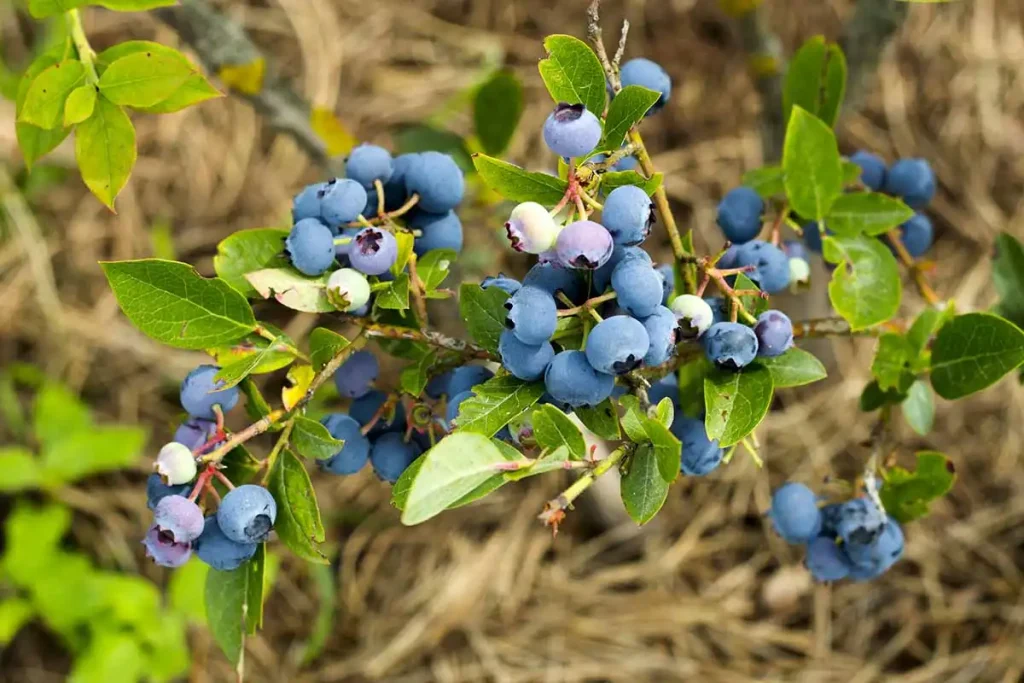
To harvest ripe blueberries, gently run your fingers over the clusters, and fully matured berries will easily detach from the stems. Pick them early in the morning when the temperatures are cooler, as this preserves their firmness and flavor. Avoid squeezing the berries to prevent bruising.

Once harvested, store blueberries unwashed to prolong freshness. Place them in a shallow container with ventilation, lined with paper towels to absorb moisture. Keep the container in the refrigerator, where they remain fresh for about a week.
For long-term storage, freeze the berries by first spreading them in a single layer on a baking sheet before transferring them to airtight containers.
Tips for Long-Term Care and Blueberry Pot Maintenance
- Watering: Keep the soil consistently moist but not soggy. Use your finger to test the soil; water when the top inch feels dry. Avoid overwatering to prevent root rot.
- Fertilizing: Use an acid-loving fertilizer in early spring and summer. Follow the package instructions for the right amount and frequency.
- Pruning: Remove dead or weak branches after the first year. Focus on encouraging new, healthy growth by trimming old wood.
- Repotting: Every 2-3 years, repot your blueberry plant into a container one size larger with fresh acidic soil to support growth.
- Winter Care: Mulch the topsoil and wrap pots with insulation to protect roots from freezing temperatures. Keep plants in a sheltered area.
- Pest Management: Watch for aphids, spider mites, or caterpillars. Use organic sprays or introduce beneficial insects.
- Monitoring Soil pH: Test soil pH yearly to maintain it at 4.5 – 5.5. Amend the soil with elemental sulfur if the pH increases.