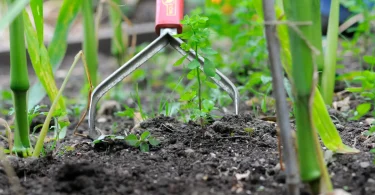
Growing heat-loving plants in cool climates may seem impossible at first, especially when your local weather doesn’t offer the long, hot summers these plants usually prefer. But with the right techniques, planning, and environmental adjustments, you can successfully cultivate tomatoes, peppers, okra, eggplants, melons, and many more warmth-loving crops even in chilly regions.
This guide walks you through how heat-loving plants grow, what they need, and how you can recreate the right conditions in cooler climates. You’ll also find a troubleshooting table to help you fix common issues quickly.
1. Choose the Right Heat-Loving Varieties
Not all heat-loving plants react the same way to cool conditions. Many seed companies offer short-season, cold-tolerant, or early-maturing varieties.
Look for labels such as:
- “Early harvest”
- “Short season”
- “Cool-climate adapted”
- “Fast maturing”
Examples of good choices:
- Tomatoes: Early Girl, Glacier, Stupice, Manitoba
- Peppers: Ace, King of the North, Gypsy
- Eggplants: Ping Tung, Slim Jim
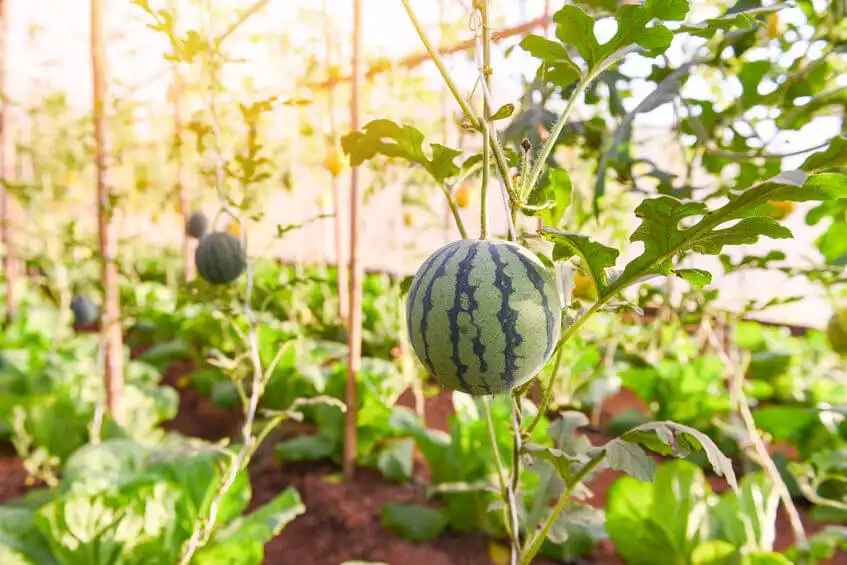
- Melons: Minnesota Midget, Sugar Baby
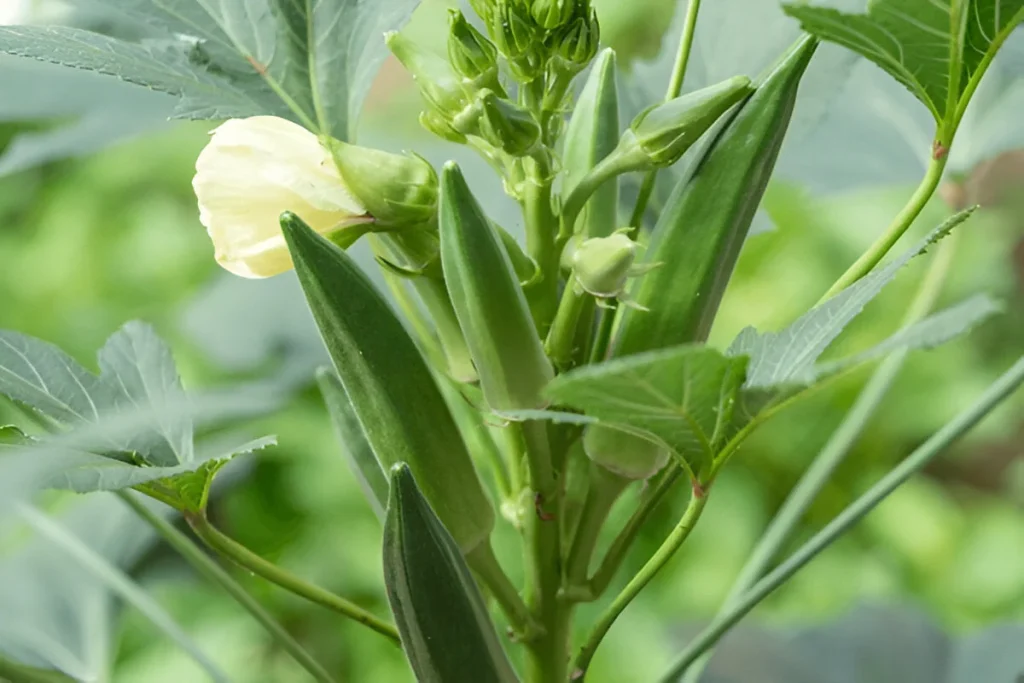
- Okra: Cajun Delight
Choosing the right variety is the easiest way to guarantee success before planting anything.
2. Start Seeds Indoors Early
Heat-loving plants need a long growing season. Starting seeds indoors gives them a head start so they can go outside already strong.
When to start indoors
- Around 6–10 weeks before your last frost date
Tips for indoor starting
- Use grow lights for strong stems
- Keep them warm using a heat mat (ideal germination: 24–30°C / 75–85°F)
- Transplant only after nighttime temperatures stay above 10°C / 50°F
Early, healthy seedlings make outdoor growing much easier.
3. Warm the Soil Before Planting
Cold soil is the biggest growth blocker for heat-loving plants. Even if the air feels warm, chilly soil slows root development.

Ways to warm the soil:
- Black plastic mulch – absorbs sunlight and raises soil temperature
- Clear plastic – traps heat like a mini-greenhouse
- Raised beds – warm faster than ground-level soil
- Mounds or hills – improve drainage and warm quicker
Warm soil ensures faster settling and stronger early growth.
4. Use Microclimates to Your Advantage
A microclimate is a small area warmer than the rest of the garden. Creating or locating microclimates can boost your plant performance.
Best microclimate strategies:
- Plant near south-facing walls (they radiate heat at night)
- Use stone or brick borders to retain warmth
- Place plants near patios, fences, or pathways
- Grow in containers that heat up faster than ground soil
Even a 2–3°C temperature increase can make a big difference.
5. Provide Season Extension Tools
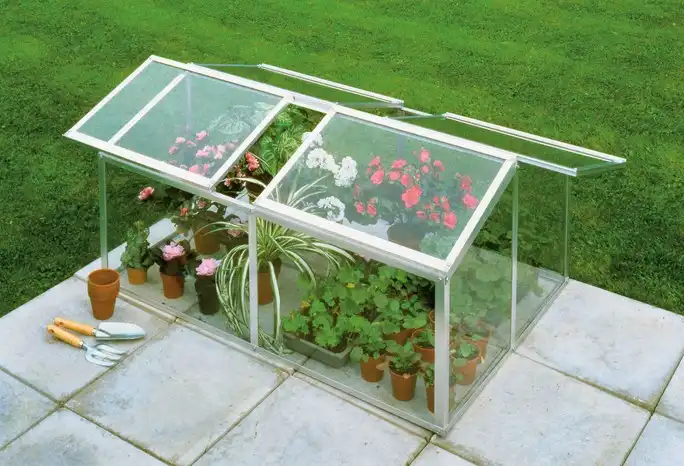
If your growing season is naturally short, you can artificially extend it using simple tools.
Helpful tools include:
- Row covers
- Low tunnels
- Cold frames
- Mini greenhouses
- Cloches
- Hoop tunnels with plastic film
These protect plants from wind, cold nights, and sudden temperature drops.
Tip: Keep tunnels slightly open during the day to avoid overheating on sunny days.
6. Mulching for Warmth and Moisture Control
Mulching helps stabilize soil temperature and retain moisture. For plants in cool regions:

Best mulches for warmth:
- Black plastic mulch (warms soil the fastest)
- Dark-colored fabric mulch
- Grass clippings or straw (used after soil is warm, not before)
Avoid heavy mulching too early, as it traps cold in spring.
7. Feed the Plants Well
Heat-loving plants need steady nutrition for strong fruiting. Cool climates already slow their metabolism, so balanced feeding helps make up for it.
Fertilizer tips:
- Use well-rotted compost when planting
- Feed with balanced fertilizer (NPK 10-10-10 or 5-5-5)
- For fruiting plants, shift to high-phosphorus fertilizer after flowering
- Avoid excess nitrogen, it causes bushy plants with fewer fruits
Healthy nutrients = higher resilience against cold stress.
8. Protect Plants from Cold Nights
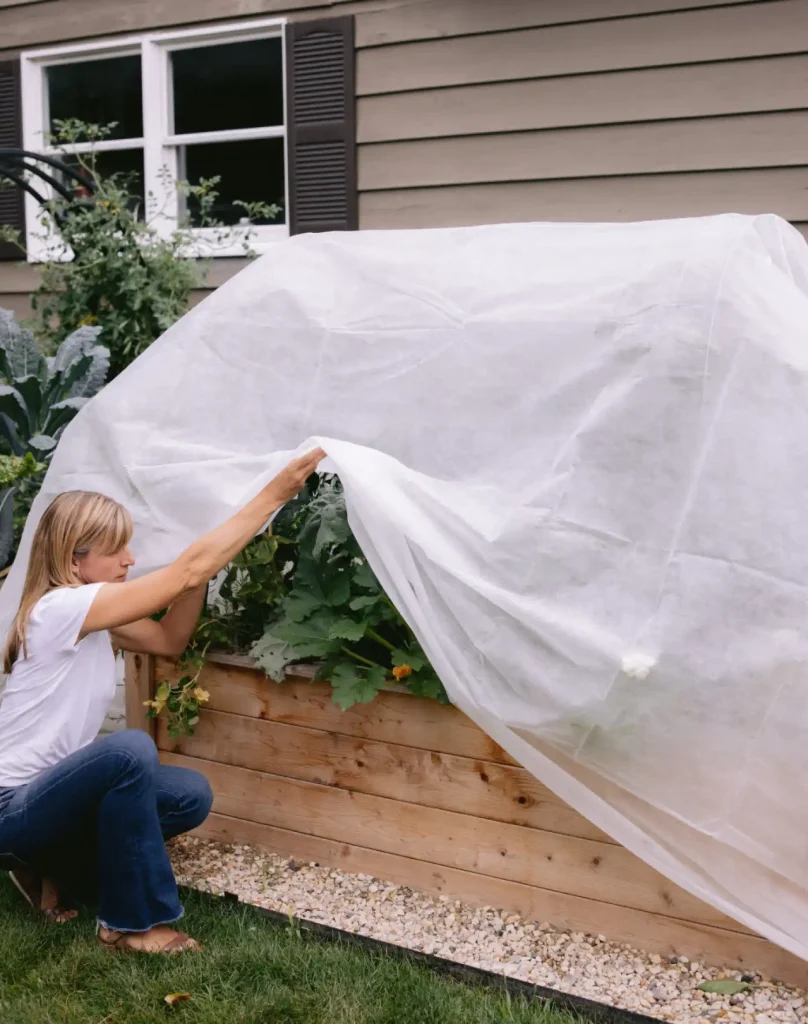
Even during summer, cool climates can experience sudden temperature drops.
Night protection methods:
- Cover plants with row covers
- Use fleece blankets on chilly nights
- Place jugs of warm water around plants to radiate heat
- Use windbreak barriers (burlap, wood, plastic)
Cold nights are often the hidden reason heat-loving plants struggle.
Troubleshooting Table: Common Problems Growing Heat-Loving Plants in Cool Climates
| Problem | Possible Cause | Solution |
|---|---|---|
| Slow growth | Soil too cold; not enough sun | Warm soil with black plastic; move to sunnier spot; use a tunnel |
| Flowers dropping | Nights below 10°C (50°F) | Use row covers at night; provide wind protection |
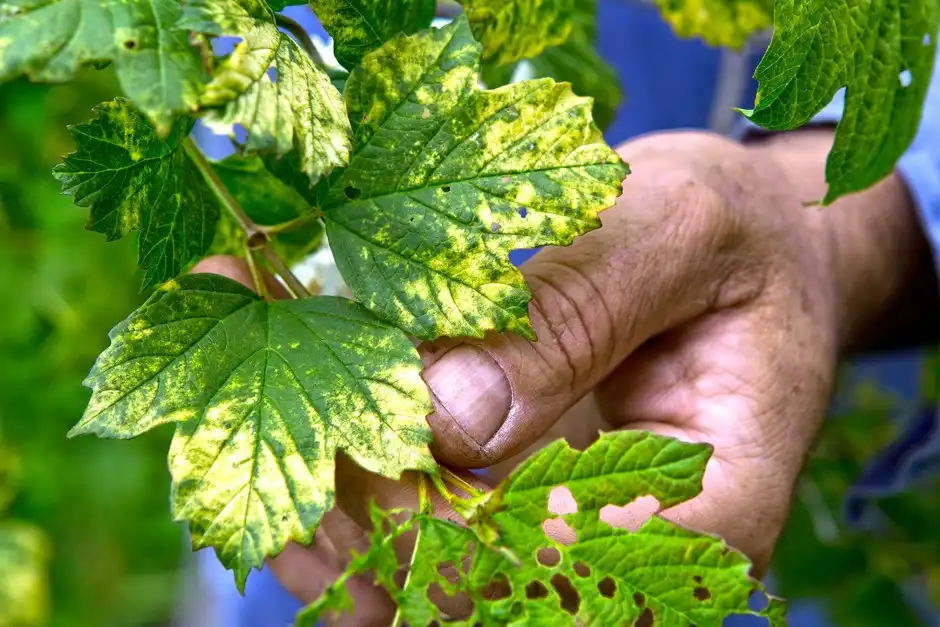
| Yellow leaves | Overwatering; nutrient deficiency | Reduce watering; add balanced fertilizer |
| Fruits not forming | Low temperatures; stress | Increase warmth with tunnels; prune for airflow |
| Leaves curling | Cold wind or temperature shock | Provide windbreaks; avoid early transplant |
| Plants turning purple | Phosphorus deficiency due to cold soil | Warm the soil; add phosphorus fertilizer |
| Fruit cracking | Uneven watering | Water consistently; use mulch |
| Blossom end rot (tomatoes/peppers) | Calcium imbalance; irregular watering | Keep soil evenly moist; add calcium |
| Sunscald | Intense midday sun after cloudy weeks | Provide light shade cloth for a few days |
| Wilting even when watered | Cold soil limiting root function | Warm soil with mulch; avoid overwatering |
Final Tips for Success
Growing heat-loving plants in cool climates requires creativity, but it’s extremely rewarding. With the right soil warmth, season-extending tools, proper nutrition, and nighttime protection, you can enjoy tropical-style vegetables and fruits even in short summer regions.
Be patient, plants will grow slower at first. But once temperatures stabilize and your microclimate techniques kick in, they’ll reward you with lush growth and high-quality harvests.