Introduction to Growing Mint in Containers
Growing mint in containers is an ideal option for beginners and gardeners looking to manage its swift spreading behavior. Mint is a hardy herb that thrives with minimal care, making it perfect for container gardening. By using containers, you can control its growth and easily relocate it to any sunny or partially shaded area in your home or garden.
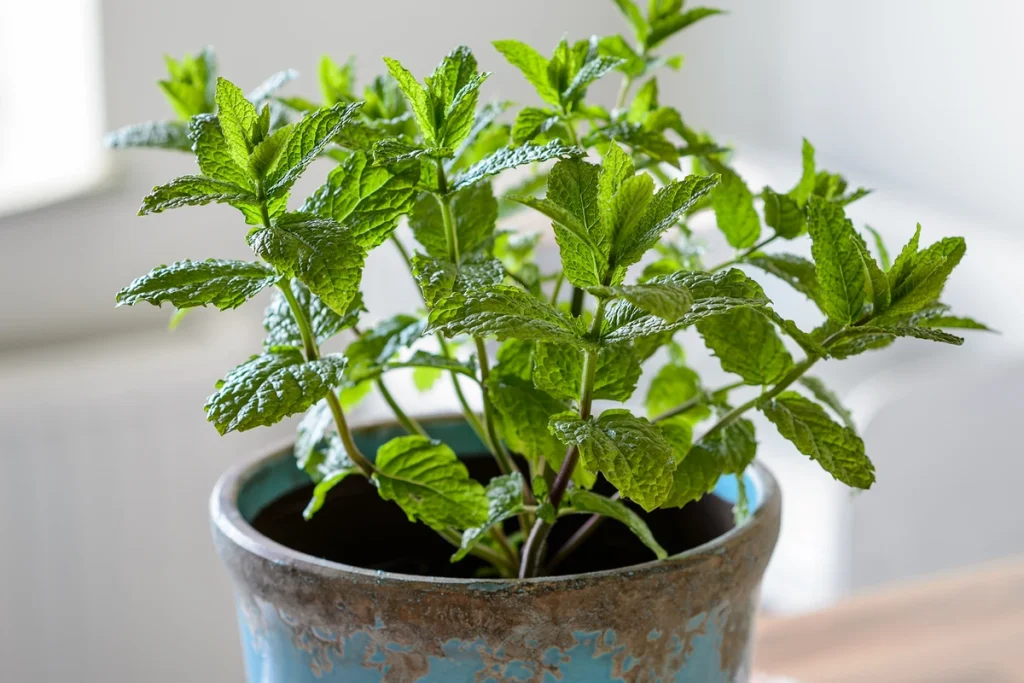
You’ll need a pot with adequate drainage, quality potting mix, and a little space to start. Containers allow you to grow mint indoors or outdoors, ensuring year-round access to fresh and aromatic leaves for culinary or medicinal uses. This method is practical, versatile, and beginner-friendly.
Benefits of Growing Mint in Containers
Growing mint in containers offers numerous advantages that make it an ideal option for gardeners of all levels.
- Prevents Overgrowth: Mint is an aggressive spreader that can overtake garden spaces. A container helps keep its growth in check, preventing it from invading other plant areas.
- Portability: Containers let you move mint plants easily to find the ideal sunlight or bring them indoors during colder seasons.
- Soil Control: You can customize the soil type and quality, ensuring optimal growing conditions and avoiding poor native soil issues.
- Pest Management: Growing in containers minimizes pest infestations by isolating mint from other plants that may attract insects.
- Convenience: Harvesting mint is easier when it’s grown in a specific, contained space that’s readily accessible.
Choosing the Right Mint Variety for Containers
When selecting mint varieties for container gardening, you’ll want to consider the flavor, growth habits, and intended uses. Popular options include:

- Peppermint: Perfect for teas, desserts, and medicinal purposes, it has a strong, cool menthol flavor.
- Spearmint: A milder option often used in savory dishes, cocktails like mojitos, and sauces such as mint chutney.
- Chocolate mint: A visually appealing choice with hints of chocolate-laced flavor, ideal for desserts and garnishes.
- Pineapple mint: Variegated leaves and subtle sweetness make it a decorative choice for containers.
- Apple mint: Known for its fruity undertones, it pairs well with salads or fruit-based dishes.
Make sure to match the variety to your culinary needs and available space, as some grow more vigorously than others. Consider mixing varieties for diversity.
Selecting the Ideal Container for Mint Plants
When growing mint, you need a container that supports healthy growth while preventing the plant’s invasive spread. Choose a pot that is at least 12 inches deep and equally wide, offering ample space for the roots. Ensure the container has proper drainage holes to avoid waterlogging, which can lead to root rot. Terracotta pots are ideal as they allow soil to breathe, but plastic containers work just as well.
For better circulation, opt for a container with raised rims. If growing indoors, make sure it fits in your space while receiving enough sunlight. A wider container helps if planting multiple mint varieties together.
Preparing the Soil Mix for Mint Growth
To grow mint in containers successfully, you need to create the right soil mix. Start by selecting a potting soil that is light, well-draining, and rich in organic matter. Look for one that contains peat moss, compost, or coconut coir to retain moisture while ensuring proper drainage.

Enhance the soil’s fertility by mixing in organic compost or a balanced slow-release fertilizer. Keep the pH level between 6.0 and 7.0, as mint thrives in slightly acidic to neutral soil. Avoid heavy clay-based soils, as they can retain too much water and lead to root rot.
Planting Mint: Step-by-Step Guide
- Choose the Right Container: Select a container at least 12 inches deep with drainage holes to prevent waterlogging. Mint needs space to grow, so avoid cramped pots.
- Prepare the Soil: Use nutrient-rich, well-draining potting mix. A mix containing compost or organic matter works best.
- Buy Mint Plants or Seeds: Opt for young mint plants from a nursery or choose seeds if you prefer to grow from scratch.
- Plant the Mint: Place seeds just below the soil surface or transplant the plant at the same depth it was in its original pot.
- Water Gently: Keep the soil moist but not soggy. Mint thrives in consistently damp soil without overwatering.
How to Water Mint Plants Properly
Watering mint plants correctly is crucial for their growth and health. Mint thrives in moist soil but does not tolerate waterlogged roots. To maintain the right balance:
- Check the soil regularly: Stick your finger about an inch into the soil. If it feels dry, it’s time to water.
- Water deeply but less frequently: Ensure the water reaches the root zone without overwatering.
- Use a container with drainage holes: This prevents water from pooling and causing root rot.
- Adjust based on the environment: During hot weather, water more often. In cooler seasons, reduce watering.
Always ensure the soil is moist but avoid making it soggy, as this can harm your mint plants.
Ensuring Adequate Sunlight and Temperature Conditions for Mint
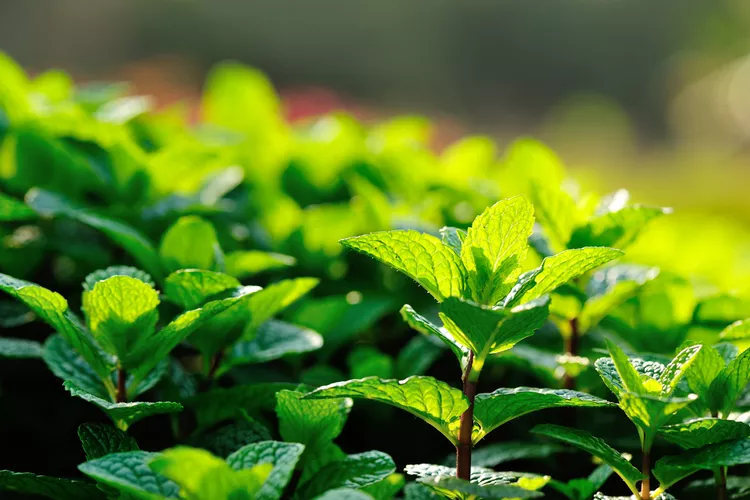
Mint thrives in conditions that offer the right balance of sunlight and temperature. You’ll want to place your container in an area that receives partial to full sunlight, ideally 4-6 hours a day. Morning sunlight works best, as it’s less harsh and helps prevent dehydration of the plant. If growing indoors, place the container near a bright, south-facing window.
Additionally, maintain a temperature range between 65°F and 75°F for optimal growth. Extreme heat or freezing temperatures can stress the plant, so move it indoors or provide shade when conditions become unfavorable. Keep an eye on seasonal changes to adjust as needed.
Pruning and Harvesting Mint for Optimal Growth
Pruning and harvesting your mint regularly are essential for maintaining healthy growth and encouraging a bushier plant. Here’s what you need to do:
- Prune consistently: Use sharp scissors to trim your mint plant when it reaches around six inches tall. Cut stems just above a leaf node to promote branching. Avoid over-pruning; no more than one-third of the plant should be cut at once.
- Remove flower buds: Pinch off flower buds as they appear to prevent the plant from diverting energy toward seed production.
- Harvest frequently: Snip fresh leaves as needed. Harvesting at least once a week helps maintain a lush, productive plant.
Frequent care keeps your mint flavorful and vibrant.

Common Mint Growth Problems and Solutions
Mint is a hardy herb but can still face issues in container growth. Understanding potential problems will help you keep your plant healthy.
Common Problems:
- Yellowing Leaves: Overwatering or poor drainage often leads to root rot, causing leaves to yellow.
- Leggy Growth: Insufficient sunlight makes stems grow long and spindly without enough foliage.
- Pests: Aphids, spider mites, or whiteflies may attack your mint, weakening the plant.
- Fungal Diseases: Black spots or powdery mildew can develop due to excess moisture.
Solutions:
- Adjust Watering: Water only when the topsoil dries to prevent overwatering.
- Improve Drainage: Ensure your container has drainage holes and use well-draining soil.
- Provide Full Sunlight: Place your mint in a sunny spot, ideally receiving 4–6 hours of sunlight daily.
- Control Pests: Use neem oil or insecticidal soap to manage infestations.
- Prevent Mold: Keep leaves dry and ensure proper airflow around the plant.

Tips for Maintaining Healthy Mint Plants
- Water Regularly: Keep the soil consistently moist, but avoid waterlogging. Use a pot with drainage holes to prevent root rot.
- Prune Often: Trim stems regularly to encourage bushier growth and prevent flowering, which alters the flavor of the leaves.
- Provide Adequate Sunlight: Place your container in a spot with four to six hours of indirect sunlight daily. Too much direct sun may scorch the leaves.
- Fertilize Sparingly: Use a balanced, water-soluble fertilizer once a month during the growing season to promote healthy growth.
- Rotate the Pot: Turn the container occasionally to ensure even sunlight exposure and balanced growth.
- Check for Pests: Inspect leaves for aphids or spider mites, and wash pests off with water or use organic sprays if needed.
- Repot Annually: Mint spreads rapidly; repotting prevents overcrowding and refreshes the soil for better nutrients.
Creative Ways to Use Homegrown Mint
Homegrown mint offers endless possibilities to elevate your culinary and daily experiences. Here are some ideas:
- Beverages: Add fresh mint leaves to water, iced tea, or cocktails like mojitos for a refreshing twist.
- Cooking: Use mint as a garnish for desserts, salads, or mix it into savory dishes like lamb or chicken marinades.
- Herbal Tea: Brew fresh mint leaves in hot water for a calming, caffeine-free tea.
- DIY Beauty: Infuse mint in oils or scrubs to create natural skincare products.
- Freshen Spaces: Dry and use it in sachets to refresh closets and drawers.

Your fresh mint will quickly become a versatile staple!
Conclusion: Enjoying Your Homegrown Mint
Once your mint is thriving, you can begin putting it to use in various ways. Harvest the leaves by pinching or trimming stems just above a set of leaves to encourage bushier growth. Use fresh mint to flavor drinks like mojitos, teas, or lemon water. You can also incorporate it into dishes, such as salads, sauces, or desserts. Dry mint leaves by hanging small bundles upside down, then store them for year-round use. Ensure you keep up with regular watering and pruning to maintain a healthy plant. Growing mint in containers can be both practical and rewarding.