Imagine adding a burst of fresh, vibrant flavor to your meals any time you want. Parsley, with its bright green leaves and earthy aroma, does just that. It’s not just a garnish; this herb is packed with vitamins and can truly make a dish sing. Having your own homegrown parsley means no more last-minute grocery runs, just pure culinary joy.

Maybe you think growing herbs is tricky, or you don’t have a big yard. Think again! Growing parsley indoors is surprisingly simple and super rewarding. This guide will walk you through each step, helping you cultivate a thriving indoor parsley patch. Get ready to enjoy fresh herbs year-round, right from your kitchen.
1. Choosing the Right Parsley Variety and Setup
Starting your indoor parsley journey begins with a few key decisions. Picking the right type of parsley and gathering the proper tools will set you up for success. Don’t worry, it’s easier than you might think.
1.1 Best Parsley Varieties for Indoor Cultivation
Some parsley types do much better indoors than others. Knowing which ones to pick is half the battle for a lush herb garden. Here are the top choices for growing in pots.

- Curly Parsley (Petroselinum crispum var. crispum): This variety is a real looker. Its crinkled leaves are perfect for adding a decorative touch to any plate. While pretty, its flavor is milder than other types.
- Flat-Leaf Parsley (Petroselinum crispum var. neapolitanum): Also called Italian parsley, this one is a chef’s favorite. It has a stronger, bolder flavor and softer leaves, making it great for cooking. You’ll find it often in sauces, soups, and salads.
- Japanese Parsley (Cryptotaenia japonica): This is a less common choice but offers a unique, slightly peppery taste. If you’re looking to explore different flavors, it could be a fun option. It brings an interesting twist to your dishes.
1.2 Essential Growing Parsley Indoors Supplies
Before you start planting, make sure you have all your supplies ready. Having everything on hand makes the process smooth and enjoyable. You’ll need just a few basic items.

- Containers: Look for pots at least 6-8 inches deep with good drainage holes. Terracotta pots look nice and allow the soil to breathe, but plastic ones work fine too. Proper drainage prevents root rot.
- Potting Mix: Use a high-quality, well-draining potting mix. This is vital for healthy root growth. Garden soil is too dense for pots and can bring pests, so avoid it.
- Seeds or Seedlings: You can start your parsley from seeds for a true gardening experience. Or, buy young seedlings if you want to speed things up a bit. Both options work well for indoor growing.
- Watering Can or Spray Bottle: A small watering can or spray bottle helps you water gently. This prevents washing away delicate seeds or compacting the soil. It ensures even moisture for your plants.
- Optional: Grow Lights: If your home doesn’t get much natural sunlight, grow lights are a game-changer. They give your parsley the light it needs to thrive. We will talk more about these later.
2. Starting Your Parsley from Seed
Growing parsley from seed gives you a real sense of accomplishment. It might take a little patience, but watching tiny sprouts appear is super satisfying. Let’s get those seeds ready for their new home.
2.1 Seed Preparation and Sowing
Parsley seeds can be a little slow to get going. A small trick can help them sprout faster. Getting the planting depth right is also important.

- Soaking Seeds (Optional but Recommended): Place your parsley seeds in a bowl of warm water overnight before planting. This softens the hard seed coat and can greatly improve germination. It gives them a head start.
- Sowing Depth and Spacing: Fill your container with potting mix, leaving an inch or so from the rim. Plant seeds about ¼ inch deep and about 1 inch apart. You can thin them later if needed. Gently cover them with soil.
- Initial Watering: After planting, water the soil thoroughly but gently. A spray bottle works best here to avoid disturbing the seeds. Make sure the soil is evenly moist, but not soaking wet.
2.2 Germination Conditions
Parsley seeds love certain conditions to sprout. Creating the right environment is key to seeing those first green shoots. Be prepared for a bit of a wait.

- Temperature: Aim for a warm spot, around 65-75°F (18-24°C). This warmth encourages faster germination. A cozy windowsill or near a radiator can work, but keep an eye on temperature fluctuations.
- Moisture: Keep the soil consistently moist during germination. You can cover the pot with plastic wrap or a clear dome. This helps hold in humidity, creating a mini-greenhouse effect. Just remember to lift it daily for a few minutes.
- Light: During this initial stage, indirect light is perfectly fine. The seeds don’t need bright sun until they’ve sprouted. Once you see sprouts, move them to a brighter spot.
- Patience: This is perhaps the most important tip. Parsley seeds can take their sweet time, sometimes 2 to 4 weeks, or even longer. Don’t give up if you don’t see anything right away.
3. Caring for Your Young Parsley Plants
Once your parsley seedlings have emerged, it’s time to shift your focus to ongoing care. Giving them the right light, water, and food will help them grow strong and bushy. Consistent care is essential for healthy herbs.
3.1 Light Requirements
Parsley loves bright light, especially once it’s growing well. Getting enough light is crucial for its flavor and overall health. Think of it as sunshine food.

- Sunlight: If you’re using a windowsill, aim for at least 6 hours of direct sunlight daily. A south-facing window is usually the best spot. Rotate the pot every few days to make sure all sides get light.
- Grow Lights: If natural light is lacking, grow lights are your best friend. LED or fluorescent lights work great for herbs. Place them about 6-12 inches above your plants for 10-12 hours each day. This mimics natural sunlight and promotes strong growth.
- Actionable Tip: Regularly turning your pots helps every part of the plant get light. This stops your parsley from growing leggy and leaning towards one side. It leads to a more balanced, fuller plant.
3.2 Watering and Humidity
Getting your watering schedule right is vital for parsley. Too much water can cause problems, and too little will stress the plant. Parsley also enjoys a bit of humidity.
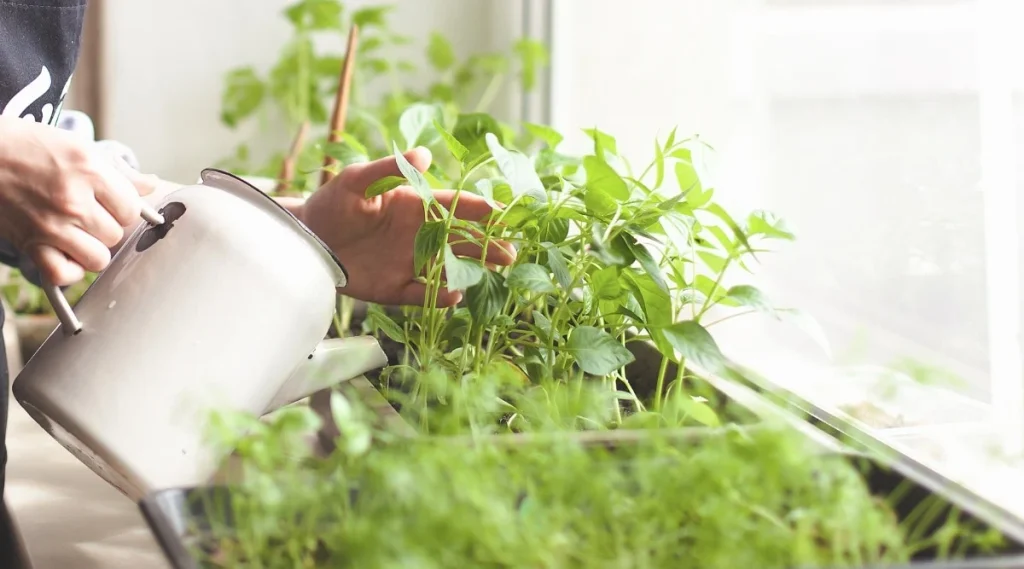
- Watering Frequency: Feel the soil with your finger. Water your parsley when the top inch of soil feels dry to the touch. Don’t let the pot sit in standing water, as this can lead to root rot. Overwatering is a common mistake.
- Watering Technique: Water the soil directly, not the leaves. Wet leaves can encourage fungal growth. Water slowly until you see water draining from the bottom holes. This ensures the roots get a good drink.
- Humidity: Parsley prefers a moderately humid environment. You can mist your plants with water a few times a week. Or, place the pot on a tray filled with pebbles and water. Just make sure the pot itself isn’t sitting in the water.
3.3 Fertilizing
While your potting mix has some nutrients, your parsley will eventually need more. Regular feeding helps it stay green and productive. A little plant food goes a long way.

- When to Fertilize: Start feeding your parsley a few weeks after the seedlings emerge. If you bought young plants, wait a couple of weeks after transplanting them. This gives them time to settle.
- Type of Fertilizer: Use a balanced liquid fertilizer, like a 10-10-10 or 5-5-5 formula. Always dilute it to half strength. Strong fertilizers can burn the delicate roots of your parsley.
- Frequency: During its active growing season, fertilize your parsley every 2 to 4 weeks. Reduce feeding in the colder months if growth slows down. Remember, less is often more with herbs.
4. Harvesting Your Indoor Parsley
One of the best parts of growing your own parsley is the harvest! Knowing when and how to cut it means you’ll have a continuous supply. Proper harvesting encourages your plant to produce even more delicious leaves.
4.1 When to Harvest
You’ve put in the work, and now it’s time to enjoy the fruits of your labor. Your parsley will let you know when it’s ready for its first snip. Look for these signs.

- Plant Size: Wait until your parsley plants are at least 6 inches tall before you start harvesting. This gives them a strong base to regrow from. Smaller plants need more time to establish.
- Leaf Development: You want to pick mature, healthy outer leaves. These leaves will have developed their full flavor. Young, inner leaves should be left to continue growing.
4.2 Harvesting Techniques
How you harvest makes a big difference in how your parsley plant recovers. Good technique means more harvests and a bushier plant. Get your sharp tools ready.
- Outer Stems First: Always cut the outer stems near the base of the plant. This encourages new growth from the center. Never take more than one-third of the plant at once.
- Use Sharp Tools: Use clean, sharp scissors or a small knife for harvesting. A clean cut prevents damage to the plant and helps it heal faster. Dull tools can crush stems.
- Actionable Tip: Harvest your parsley regularly. This keeps the plant producing fresh leaves and stops it from going to seed too soon. Regular trimming makes for a happier, bushier plant.
5. Troubleshooting Common Indoor Parsley Problems
Even with the best care, sometimes your parsley might face a few issues. Don’t worry, most common problems have simple fixes. Knowing what to look for helps you act fast.
5.1 Yellowing Leaves

Seeing yellow leaves can be disheartening, but it often points to a clear problem. Most of the time, it’s about water or nutrients. Check these first.
- Overwatering/Underwatering: Feel the soil. If it’s soggy, you might be overwatering. If it’s bone dry, it needs a drink. Adjust your watering schedule to keep the soil consistently moist but not wet.
- Nutrient Deficiency: If watering is fine, your parsley might be hungry. Yellowing can signal a lack of nutrients. Give it a diluted liquid fertilizer to boost its health.
- Insufficient Light: Not enough light can also cause leaves to yellow. Make sure your plant is getting at least 6 hours of bright light daily. Move it to a sunnier spot or use grow lights.
5.2 Pests and Diseases
Indoor plants are usually safer from pests, but they can still appear. Catching them early is key to keeping your parsley healthy. A quick inspection often reveals any uninvited guests.

- Common Pests: Watch out for tiny bugs like aphids or spider mites. You might see small sticky spots or fine webs on the leaves. Check the undersides of leaves carefully.
- Solutions: For aphids, simply wipe them off with a damp cloth. For spider mites, a gentle spray of insecticidal soap or neem oil can help. Always follow product instructions.
- Prevention: Good air circulation around your plant helps keep pests away. Avoid overcrowding your pots, and give your parsley some space. A gentle fan can also help.
5.3 Bolting (Going to Seed)
When parsley “bolts,” it sends up a flower stalk and stops producing flavorful leaves. It’s a natural process, but you want to delay it for as long as possible. Bolting changes the leaf flavor.

- Causes: Stress from too much heat, inconsistent watering, or very long daylight hours can make parsley bolt early. It thinks it needs to reproduce before it dies.
- Prevention: Keep your parsley plant in a cool, consistent environment. Harvest regularly to keep it focused on leaf production. Avoid letting the soil dry out completely.
- Actionable Tip: If your parsley does start to bolt, harvest any remaining good leaves right away. They’ll still be tasty for a short while. Then, it’s time to start a new plant for fresh harvests.
Conclusion
Growing fresh parsley indoors is a simple pleasure that anyone can enjoy. You’ve learned how to pick the right variety, plant your seeds, and care for your growing herbs. With just a little attention to light, water, and occasional feeding, you can keep a steady supply of this flavorful herb. Imagine snipping fresh parsley for dinner, no matter the season. It adds so much to your cooking and your kitchen. Get started today and bring the joy of fresh herbs into your home!