Transplanting is one of the most critical stages in a plant’s life. Whether you are moving seedlings from trays to soil, shifting houseplants to larger pots, or relocating garden plants, the process can be stressful for plants. Without proper care, transplant shock can lead to wilting, stunted growth, or even plant death. This is why improving plant survival after transplanting is essential for every gardener, from beginners to professionals.
In this comprehensive guide, you will learn proven techniques to reduce transplant shock, strengthen root systems, and ensure long-term plant health. By following these best practices, you can dramatically increase plant survival rates and enjoy thriving plants year-round.
Why Improving Plant Survival After Transplanting Matters
Healthy transplants establish roots faster, absorb nutrients efficiently, and grow stronger over time. Poor transplanting practices can weaken plants permanently, making them more vulnerable to pests, diseases, and environmental stress.
Benefits of improving plant survival after transplanting include:
- Faster root establishment
- Better nutrient uptake
- Stronger plant structure
- Increased flowering and fruiting
- Reduced plant loss
Choosing the Right Time for Transplanting
Timing plays a crucial role in improving plant survival after transplanting.
Best Time of Day
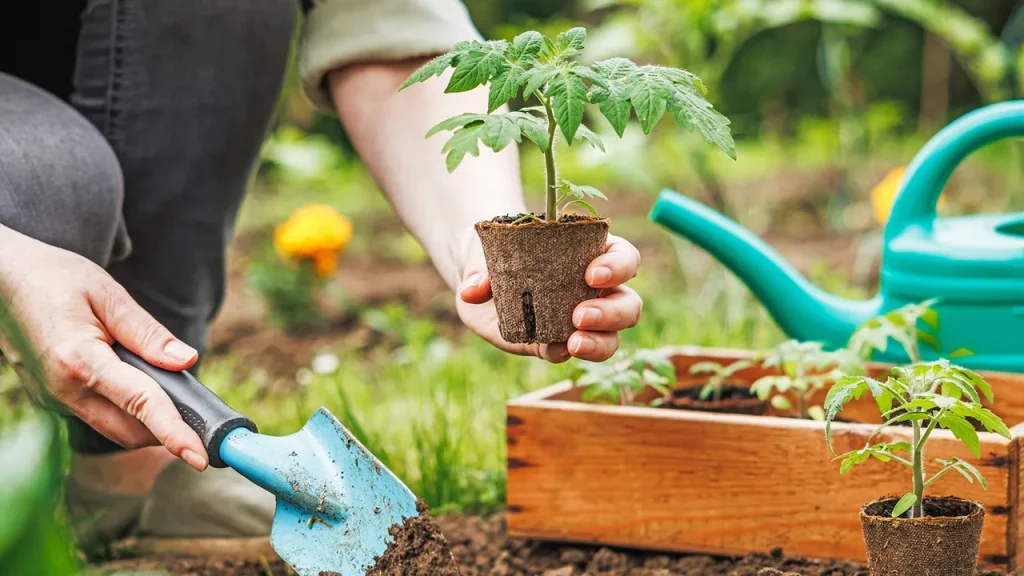
Early morning or late afternoon is ideal because temperatures are cooler and sunlight is less intense. This reduces water loss and stress on the plant.
Best Season
- Spring and early fall are ideal for most plants.
- Avoid transplanting during extreme heat or frost conditions.
Transplanting at the right time allows plants to adapt gradually to their new environment.
Preparing the Plant Before Transplanting
Proper preparation can significantly reduce transplant shock.
Water Before Transplanting
Water the plant thoroughly 24 hours before transplanting. Well-hydrated roots are more resilient and less likely to suffer damage.
Harden Off Seedlings
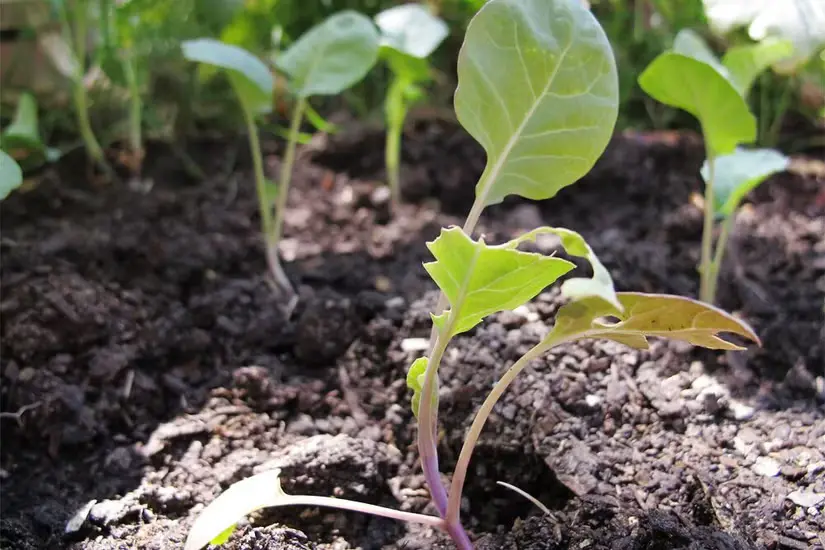
If you are transplanting seedlings grown indoors, harden them off by gradually exposing them to outdoor conditions over 7–10 days. This step is essential for improving plant survival after transplanting.
Soil Preparation: The Foundation of Success
Healthy soil is the backbone of plant survival.
Improve Soil Structure
- Loosen compacted soil to allow roots to spread easily
- Mix in organic matter such as compost or aged manure
- Ensure good drainage to prevent root rot
Match Soil Conditions
Whenever possible, use soil similar to the plant’s original growing medium. Sudden changes in soil pH or texture can shock the roots.
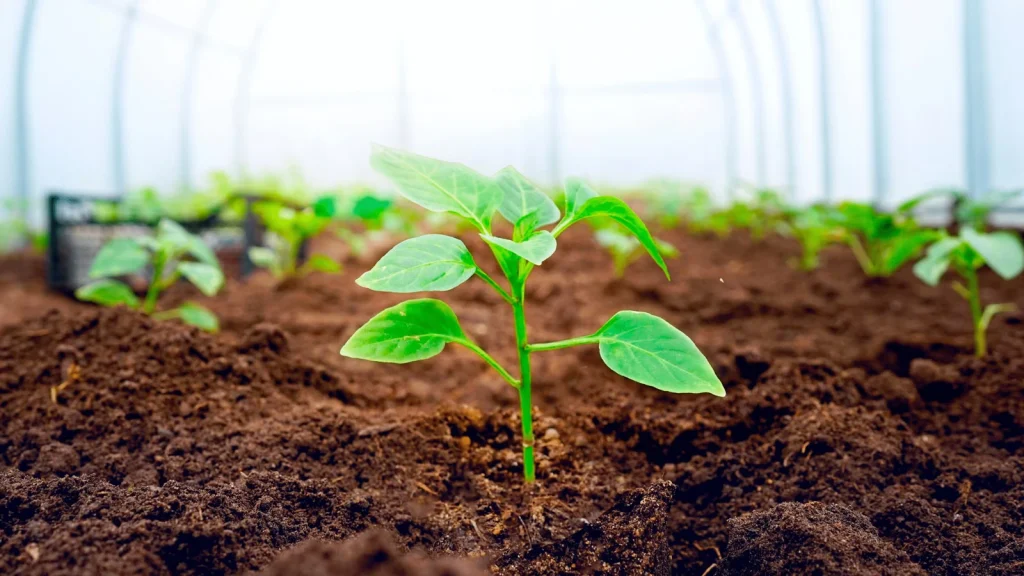
Proper Transplanting Techniques
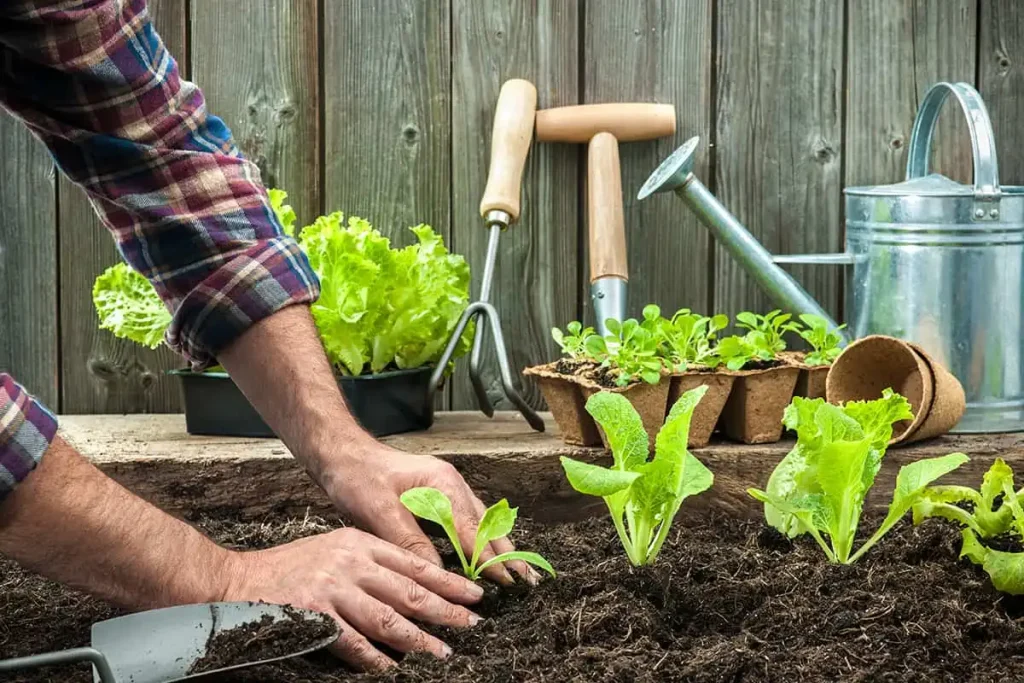
Correct handling during transplanting is one of the most effective ways of improving plant survival after transplanting.
Handle Roots Gently
Avoid pulling plants by the stem. Instead, loosen the soil around the roots and lift carefully.
Maintain Root Ball Integrity
Try to keep the root ball intact. Damaged roots struggle to absorb water and nutrients.
Correct Planting Depth
Plant at the same depth as before. Planting too deep or too shallow can restrict growth and lead to disease.

Watering After Transplanting
Water management is critical during the first few weeks.
Initial Watering
Water immediately after transplanting to remove air pockets and help roots settle into the soil.
Consistent Moisture
- Keep soil evenly moist, not soggy
- Avoid overwatering, which can suffocate roots
Using mulch can help retain moisture and stabilize soil temperature.
Mulching for Better Plant Survival
Mulching is a powerful technique for improving plant survival after transplanting.

Benefits of Mulch
- Reduces water evaporation
- Regulates soil temperature
- Suppresses weeds
- Improves soil health over time
Organic mulches like straw, bark chips, or compost are ideal choices.
Providing Shade and Protection
Newly transplanted plants are sensitive to sunlight and wind.
Temporary Shade
Use shade cloths, garden fabric, or even cardboard to protect plants from harsh sun for the first few days.
Wind Protection

Wind can dry out leaves quickly. Windbreaks or plant covers help reduce moisture loss.
Common Mistakes to Avoid
Even experienced gardeners can make mistakes during transplanting.
Avoid These Errors
- Transplanting during extreme heat
- Damaging roots during removal
- Overwatering or underwatering
- Skipping soil preparation
- Ignoring plant spacing requirements
Avoiding these mistakes greatly improves success rates.
Final Thoughts
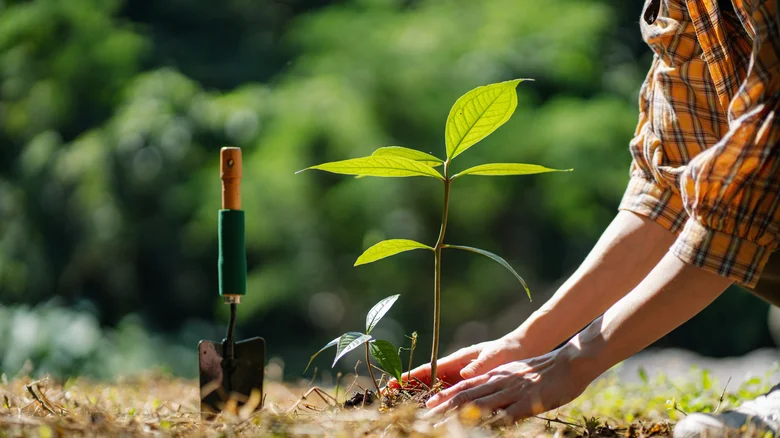
Improving plant survival after transplanting is a combination of proper timing, gentle handling, soil preparation, and consistent aftercare. By understanding transplant shock and following best practices, you can dramatically increase plant success rates and enjoy a healthier, more productive garden.
Whether you are transplanting vegetables, flowers, or houseplants, these techniques will help your plants adapt quickly, grow stronger roots, and thrive in their new environment. With patience and the right approach, transplanting can become a rewarding and successful gardening practice rather than a risky one.