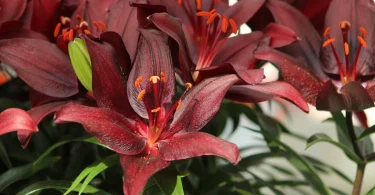
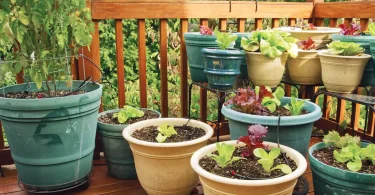
Winter gardening does not have to stop when temperatures drop. Many gardeners successfully grow herbs, flowers, shrubs, and even vegetables throughout winter by using containers. However, container-grown plants are far more vulnerable to cold than those planted in the ground. This is where insulating containers for winter planted plants becomes essential.
Proper insulation helps protect roots from freezing temperatures, prevents soil from drying out, and ensures plants survive harsh winter conditions. In this guide, you’ll learn why insulation matters, the best materials to use, step-by-step methods, and common mistakes to avoid.

Best Plants for Winter Container Gardening
Not all plants require the same level of insulation. Some plants naturally tolerate cold better.
Cold-Hardy Plants
- Lavender
- Rosemary
- Boxwood
- Ornamental grasses
- Pansies
- Kale and spinach
Semi-Hardy Plants (Need Extra Insulation)
- Strawberries
- Citrus (dwarf varieties)
- Geraniums
- Fuchsias
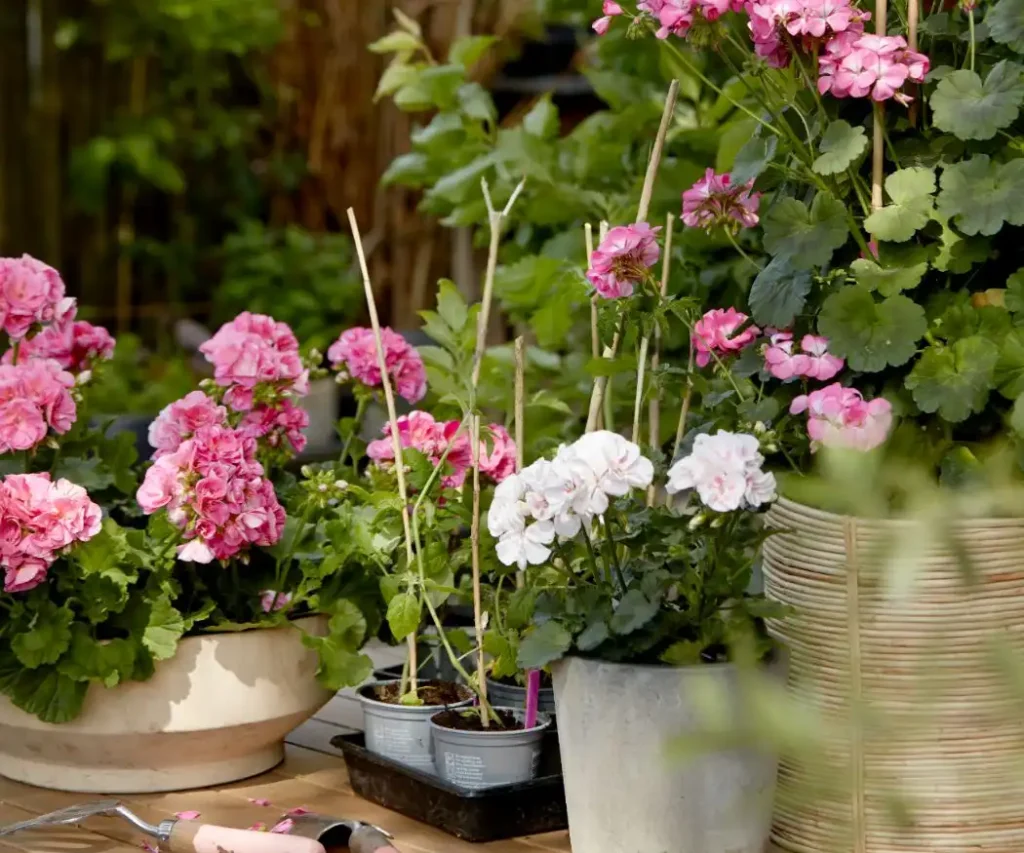
Choosing the right plants makes insulating containers for winter planted plants more effective.
Best Container Types for Winter Insulation
Some containers perform better in cold weather than others.
1. Plastic Containers
- Retain heat better than clay
- Lightweight and flexible
- Less prone to cracking
2. Wooden Containers
- Natural insulation properties
- Ideal for long-term winter use
3. Metal Containers (Not Recommended)
- Conduct cold rapidly
- Can freeze roots quickly

4. Terracotta Pots
- Porous and prone to cracking
- Require heavy insulation if used
Best Materials for Insulating Containers in Winter
Using the right materials can make a major difference.
1. Bubble Wrap
- Excellent heat retention
- Easy to apply
- Affordable and reusable
2. Burlap
- Breathable insulation
- Protects from wind
- Natural and eco-friendly
3. Straw or Hay
- Great natural insulator
- Keeps soil warm
- Ideal for wrapping or mulching
4. Foam or Polystyrene Sheets

- Strong insulation
- Works well under containers
5. Mulch
- Bark chips, leaves, or compost
- Insulates soil surface
- Retains moisture
Step-by-Step Guide to Insulating Containers for Winter-Planted Plants
Step 1: Choose the Right Location
Move containers:
- Against a wall or fence
- Near the south-facing side of your home
- Away from strong winds
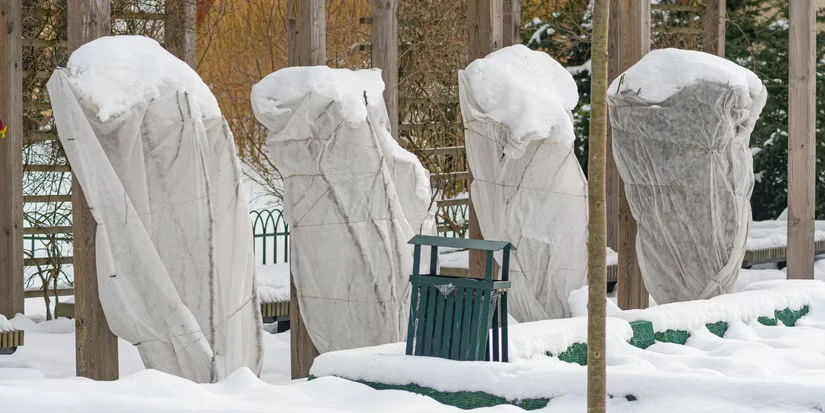
Walls retain heat and protect plants from cold gusts.
Step 2: Elevate Containers
Place pots on:
- Wooden blocks
- Bricks
- Pot feet
This prevents cold transfer from frozen ground and improves drainage.
Step 3: Wrap the Containers
- Wrap bubble wrap or burlap around the pot
- Secure with twine or garden tape
- Leave drainage holes uncovered
Avoid wrapping too tightly, as some airflow is necessary.
Step 4: Add Mulch
Cover the soil surface with:
- Straw
- Dry leaves
- Bark mulch
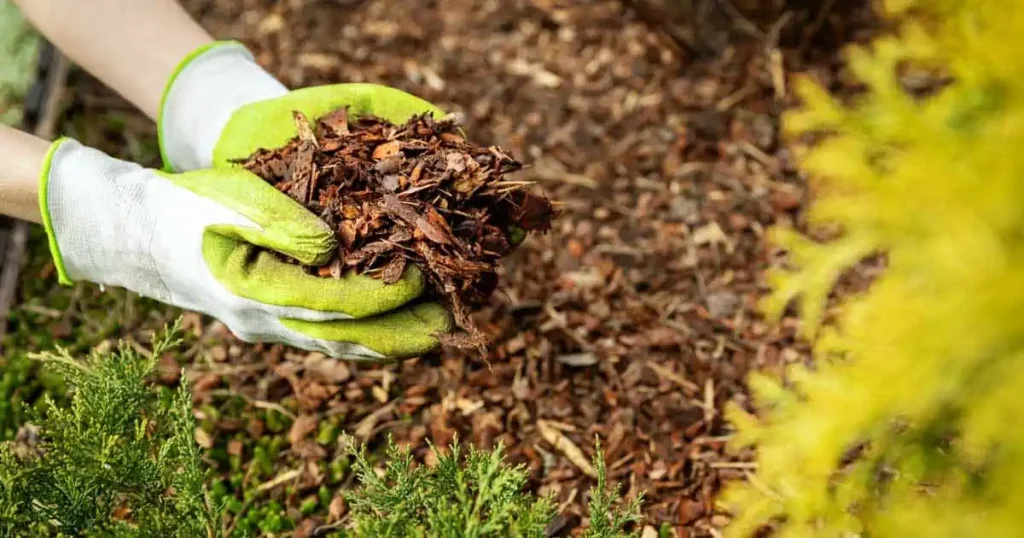
Mulching adds an extra insulation layer and protects roots.
Step 5: Group Containers Together
Cluster pots closely to create a shared heat zone and reduce exposure.
Step 6: Protect the Top Growth
For sensitive plants:
- Use frost cloth
- Create a mini greenhouse with clear plastic
- Cover during extreme cold nights only
Remove covers during the day to prevent overheating.
Eco-Friendly Insulating Options
If you prefer sustainable gardening:
- Use old blankets or fabric
- Recycle cardboard between layers
- Use fallen leaves as mulch
- Repurpose wooden crates

Eco-friendly methods are just as effective as commercial products.
Troubleshooting Table: Winter Container Insulation Problems
| Problem | Possible Cause | Solution |
|---|---|---|
| Roots frozen | Insufficient insulation | Add bubble wrap, straw, or foam |
| Container cracked | Terracotta exposed to frost | Switch to plastic or wrap heavily |
| Plant wilting | Soil too dry | Water lightly on warm days |
| Mold on soil | Poor airflow | Remove covers during daytime |
| Yellow leaves | Overwatering | Reduce watering frequency |
| Frost damage on leaves | No top protection | Use frost cloth overnight |
| Soil staying frozen | Container on ground | Elevate with bricks or blocks |
| Plant rot | Blocked drainage | Ensure drainage holes remain open |

Final Thoughts
Insulating containers for winter planted plants is a simple yet powerful way to protect your garden from harsh cold. With the right materials, proper placement, and consistent care, you can enjoy healthy plants even in winter.
Whether you’re growing herbs on a balcony or flowers on a patio, container insulation ensures your plants survive winter and thrive when spring arrives.