When most gardens fall silent during winter, two plants step forward with unexpected beauty: Winter Jasmine and Hellebores. These hardy, low-maintenance bloomers not only brighten cold landscapes but also provide life, color, and fragrance when nearly everything else lies dormant.
If you want a winter garden that still feels alive, learning how to grow winter jasmine and hellebores is the perfect place to start. This ultimate guide will walk you through planting, caring, and maintaining these stunning winter performers.
Why Choose Winter Jasmine & Hellebores?

Both of these plants thrive in cold conditions, making them favorites among gardeners who don’t want their landscape to look barren in winter.
Benefits of Winter Jasmine
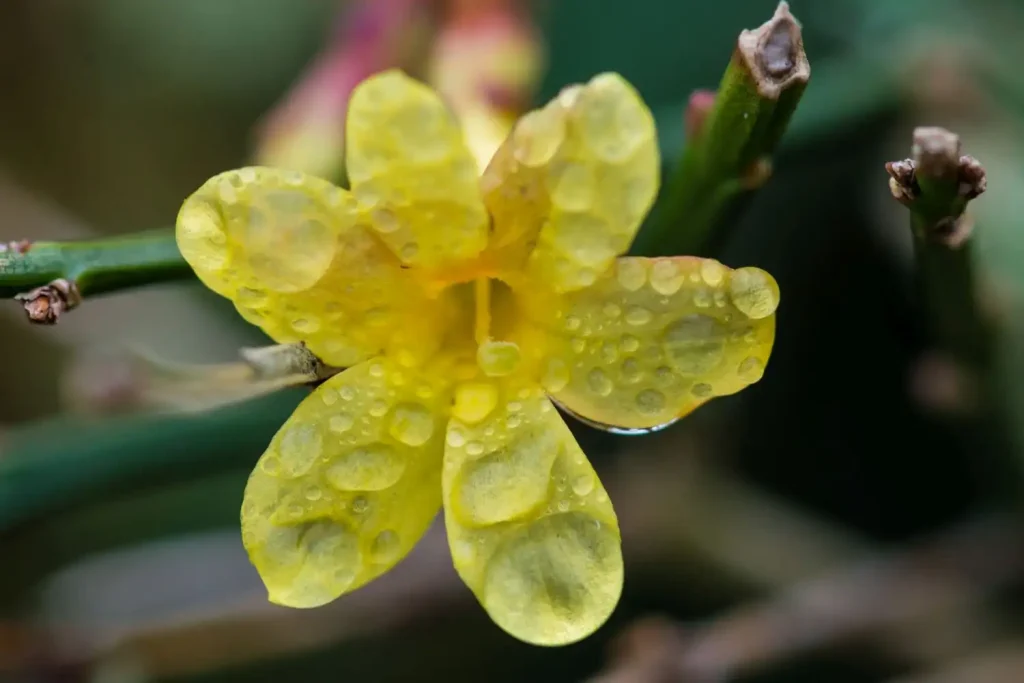
- Produces bright, cheerful yellow flowers in late winter
- Grows quickly and can be trained as a climber
- Tolerates frost, drought, and poor soil
- Almost maintenance-free
Benefits of Hellebores (Winter Roses)
- Bloom from late winter through early spring
- Offer rich colors: pink, purple, white, burgundy, or green
- Evergreen foliage adds year-round beauty
- Thrive in shade, perfect for low-light gardens
- Deer and pest resistant
Together, these two plants form a powerful winter duo: jasmine adds vibrant yellow brightness, and hellebores contribute elegant early blooms.

How to Grow Jasmine
There are several varieties of jasmine, but the growing method is very similar for all. The two most popular are:
- Common Jasmine (Jasminum officinale) – summer-blooming
- Winter Jasmine (Jasminum nudiflorum) – winter-blooming yellow flowers
Let’s cover the essentials.
1. Ideal Growing Conditions for Jasmine
Sunlight
- Prefers full sun (6–8 hours of light daily)
- Will grow in partial shade but with fewer blooms
Soil

- Well-drained soil
- Slightly acidic to neutral pH
- Add compost or organic matter for better results
Temperature
- Loves warm weather
- Some varieties tolerate cold better (like winter jasmine)
2. How to Plant Jasmine
Best Time to Plant
- Early spring
- Or fall in warmer climates

Planting Steps
- Choose a spot with good sunlight.
- Dig a hole twice the width of the root ball.
- Mix compost into the soil for nutrients.
- Place the plant at the same depth it was in its pot.
- Fill the hole and water deeply.
- Add mulch to retain moisture.
3. Watering Jasmine
- Water consistently during the first growing season.
- After establishment, water once or twice a week depending on weather.
- Avoid waterlogging, jasmine hates soggy soil.
Tip: Let the top inch of soil dry before watering again.
4. Pruning Jasmine
Pruning encourages more flowers.
- Prune right after blooming
- Remove dead, damaged, or tangled stems
- Trim lightly to shape the plant
5. Fertilizing Jasmine
Feed jasmine:
- Twice a year
- Use a balanced fertilizer (10-10-10)
- Or organic alternatives like compost or manure tea
6. Common Jasmine Problems
Jasmine is usually hardy but may face:
- Aphids
- Whiteflies
- Spider mites

Use neem oil or insecticidal soap for control.
Part 2: How to Grow Hellebores
Hellebores, also called Lenten Roses or Christmas Roses, are famous for blooming in late winter or early spring. Their flowers can last for months, and the evergreen leaves keep your garden beautiful year-round.
1. Ideal Growing Conditions for Hellebores
Sunlight
- Partial shade to full shade
- Perfect under trees or next to walls
- Too much sun can scorch leaves
Soil
- Rich, well-draining soil
- Add lots of organic matter
- Slightly alkaline or neutral soil
Temperature
- Thrive in cold climates
- Tolerate frost and snow
2. How to Plant Hellebores

Best Time to Plant
- Early fall
- Or early spring
Planting Steps
- Choose a shady spot with fertile soil.
- Dig a hole wider than the root ball.
- Add compost or leaf mold.
- Place the plant at the same soil level as the pot (don’t bury too deep).
- Water well.
- Mulch around the base.
3. Watering Hellebores
- Keep soil consistently moist but not waterlogged.
- Water deeply once a week in dry weather.
- Water less in winter unless the soil is extremely dry.
Hellebores dislike standing water, so good drainage is critical.
4. Caring & Pruning Hellebores
Remove old leaves

Cut away older leaves in late winter before new blooms appear. This:
- Prevents disease
- Makes flowers more visible
- Encourages fresh growth
Mulching
Add compost, shredded leaves, or bark mulch yearly.
Fertilizing
Feed twice a year:
- Early spring
- Early fall
Use slow-release fertilizer or compost.
5. Common Hellebore Problems
Hellebores are strong plants but may get:
- Black spot
- Aphids
- Slugs (rare)

Neem oil works well, and removing old leaves reduces fungal issues.
Growing Jasmine and Hellebores Together
Even though they have different bloom seasons, they work beautifully side-by-side.
Best Locations for Pairing
- Along garden paths
- Near entryways
- Under pergolas or trellises
- Woodland-style beds
Why They Complement Each Other
- Jasmine climbs and adds height
- Hellebores cover the ground beneath
- Jasmine blooms in warmer months
- Hellebores bloom in winter
Your garden stays colorful all year long.

Design Ideas
1. Shady Corner Garden
- Hellebores in front
- Jasmine climbing a trellis behind
2. Winter-to-Summer Transition Bed
- Hellebores bloom in late winter
- Jasmine takes over with summer fragrance
3. Woodland Garden
Mix hellebores with:
- Ferns
- Hostas
- Hydrangeas

Add jasmine on the edges for fragrance.
Final Tips for Growing Jasmine & Hellebores Successfully
- Feed twice a year for best flowering.
- Choose the right location (sun for jasmine, shade for hellebores).
- Prepare soil with compost.
- Water consistently but avoid soggy soil.
- Prune at the correct time for each plant.
- Mulch generously to protect roots.
Growing winter jasmine and hellebores is one of the easiest ways to add life, color, and elegance to your garden during the coldest months of the year. With minimal care, these resilient plants reward you with bright yellow blooms, rose-like winter flowers, and evergreen beauty that lasts all season.
Whether you’re a beginner or an experienced gardener, these winter favorites bring charm and cheer when nature feels the quietest.