Keeping plants alive all year can feel challenging, especially when seasons change and weather conditions shift. Many plant lovers struggle with yellowing leaves, stunted growth, or plants that simply don’t survive beyond a few months. The good news is that plant care doesn’t have to be complicated. By understanding a few basic principles and adjusting care routines slightly throughout the year, anyone can maintain healthy, thriving plants.
In this guide, you’ll discover easy ways to keep plants alive year round, whether you grow houseplants, balcony plants, or a small garden. These simple, proven tips will help your plants adapt to seasonal changes and stay strong in every climate.
1. Understand Your Plant’s Basic Needs
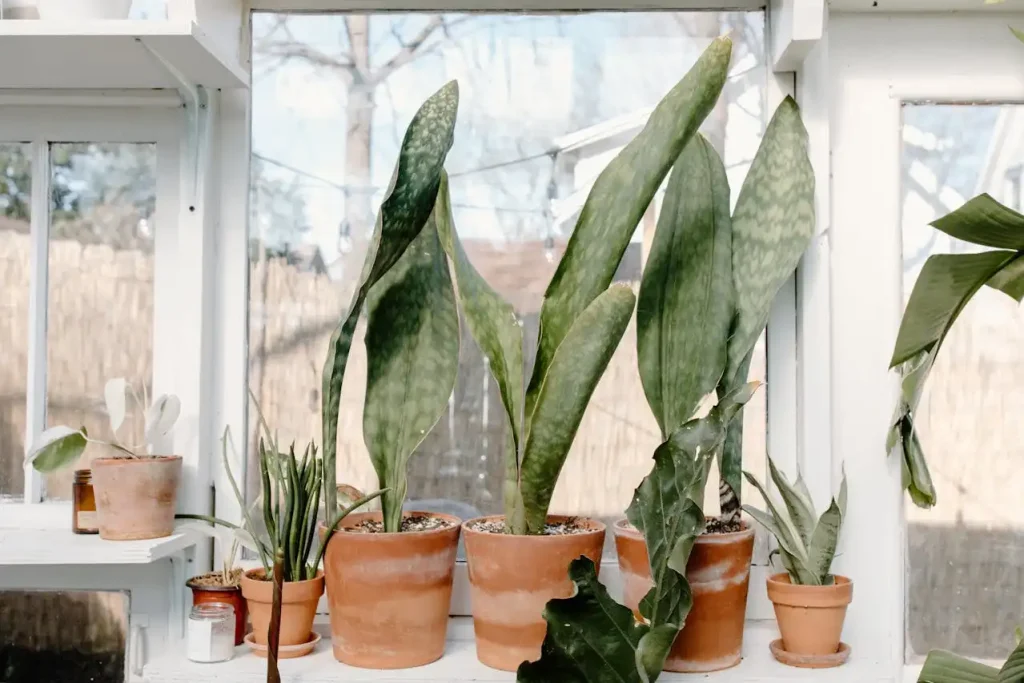
Every plant has three essential requirements: light, water, and nutrients. Problems often arise when one of these is either lacking or overdone.
Before bringing a plant home or planting it outdoors, take time to learn:
- How much sunlight it needs
- How often it should be watered
- Whether it prefers moist or dry soil
Some plants thrive in bright sunlight, while others prefer shade. Succulents need far less water than tropical plants. Understanding these basics is one of the easiest ways to keep plants alive year round.
2. Choose the Right Plants for Your Environment
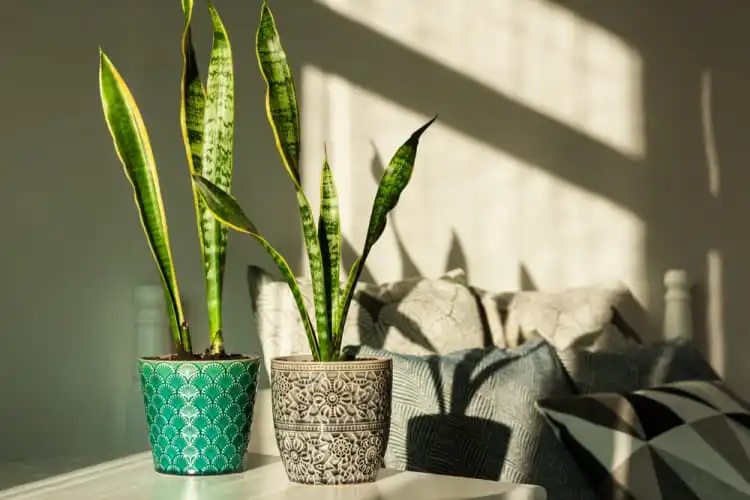
One of the biggest mistakes gardeners make is choosing plants that don’t suit their environment. If your home has limited sunlight, low-light plants like snake plants, pothos, or peace lilies are ideal. For sunny balconies, herbs, flowering plants, and succulents perform better.
When you grow plants that naturally adapt to your climate and indoor conditions, they require less effort and care. This simple choice dramatically increases plant survival throughout the year.
3. Adjust Watering According to the Season
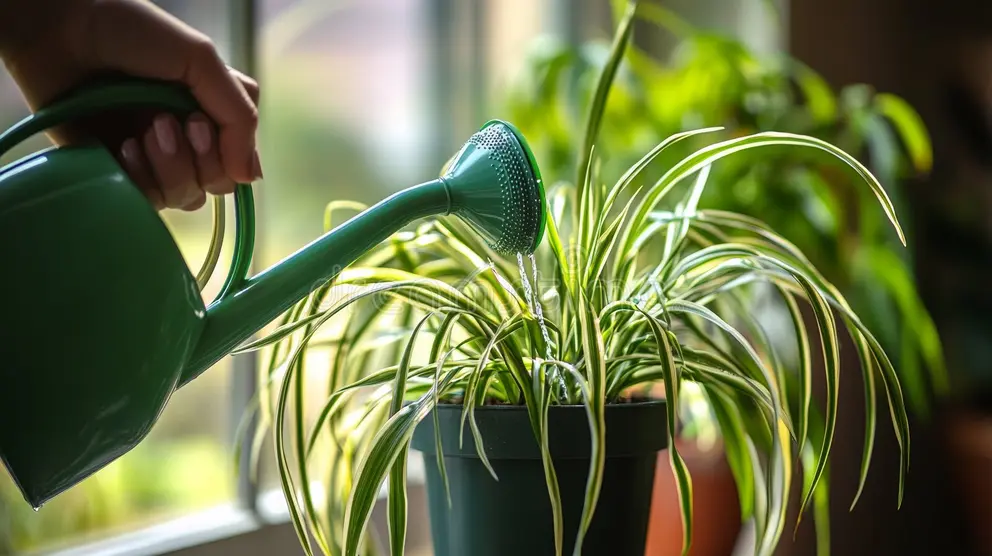
Watering needs change with the seasons. In summer, plants grow faster and often need more frequent watering. In winter, growth slows, and overwatering becomes a major risk.
Seasonal Watering Tips:
- Summer: Water more often but ensure good drainage
- Winter: Reduce watering; let soil dry slightly between waterings
- Rainy season: Avoid waterlogged soil
Always check the soil before watering. Insert your finger about an inch deep—if it feels dry, it’s time to water. Proper watering habits are among the most important easy ways to keep plants alive year round.
4. Ensure Proper Drainage
No matter how carefully you water, poor drainage can quickly kill a plant. Roots need air as much as they need water. When water sits in the soil for too long, roots begin to rot.
To improve drainage:
- Use pots with drainage holes
- Add gravel or clay pebbles at the bottom of pots
- Use well-draining soil mixes
For outdoor gardens, raised beds or loose soil can prevent water buildup during rainy seasons.
5. Use the Right Soil Mix
Soil is the foundation of plant health. Using the wrong type of soil can lead to nutrient deficiencies and poor root growth.

- Indoor plants: Use lightweight potting mix
- Succulents and cacti: Use sandy, fast-draining soil
- Vegetables and flowers: Use nutrient-rich garden soil
Refreshing soil once a year provides fresh nutrients and improves soil structure, helping plants stay healthy throughout the year.
6. Provide Adequate Light All Year
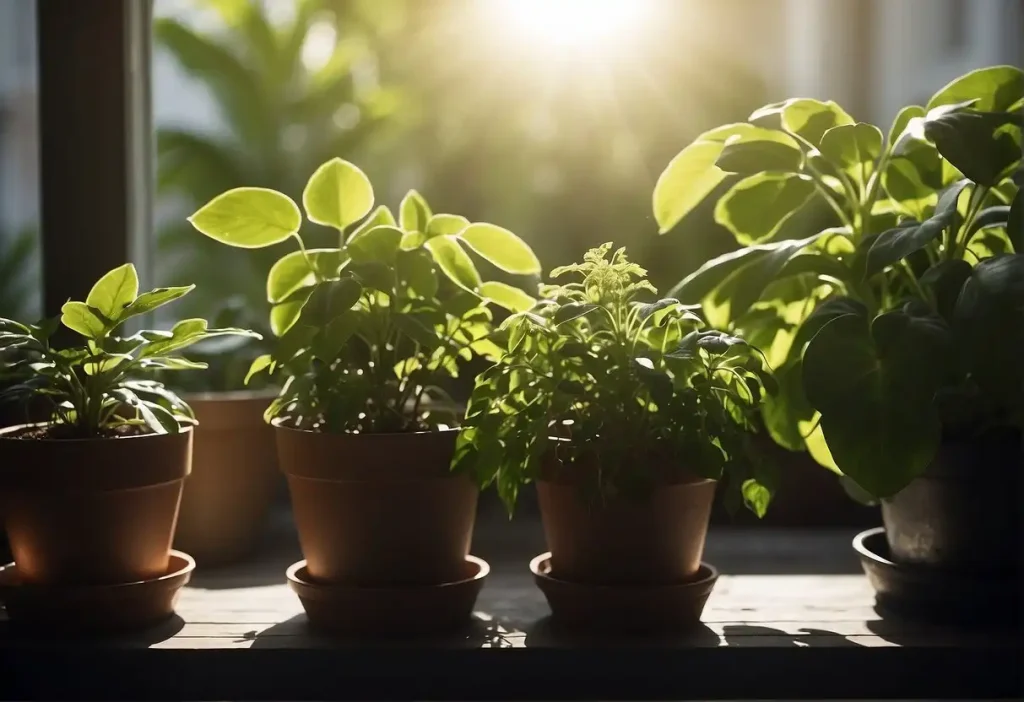
Light levels change throughout the year, especially indoors. A sunny window in summer may become dim in winter due to shorter days.
Easy lighting solutions:
- Move plants closer to windows in winter
- Rotate pots weekly for even growth
- Use grow lights for low-light spaces
Ensuring consistent light exposure is one of the simplest ways to keep plants alive year round, especially for indoor plants.
7. Feed Plants with the Right Fertilizer
Plants need nutrients to grow, but overfeeding can be just as harmful as underfeeding.
Fertilizing tips:
- Feed plants during active growth (spring and summer)
- Reduce or stop fertilizing in winter
- Use organic or balanced fertilizers
Slow-release fertilizers are especially helpful for beginners because they provide nutrients gradually without overwhelming the plant.
8. Protect Plants from Extreme Temperatures
Sudden temperature changes can stress plants and cause damage. Indoor plants suffer from cold drafts and heat from appliances, while outdoor plants face seasonal extremes.
Protection tips:
- Keep plants away from heaters and air conditioners
- Move sensitive plants indoors during frost
- Use mulch to protect outdoor plant roots

Maintaining stable temperatures is an often overlooked but highly effective way to keep plants healthy year round.
9. Maintain Proper Humidity
Many plants, especially tropical ones, prefer higher humidity levels. Dry indoor air during winter can cause leaf tips to turn brown.
Easy ways to increase humidity:
- Mist plants occasionally
- Place a water tray near plants
- Group plants together
These simple steps help plants retain moisture and remain vibrant throughout the year.
10. Prune and Remove Dead Growth Regularly
Pruning encourages healthy growth and prevents diseases. Dead or yellowing leaves drain energy from the plant and can attract pests.

- Trim damaged leaves using clean scissors
- Prune leggy growth to promote fullness
- Remove spent flowers to encourage blooming
Regular maintenance keeps plants strong and improves their appearance all year long.
11. Watch for Pests and Diseases Early
Pests can spread quickly if ignored. Common pests include aphids, spider mites, and mealybugs.
Early signs of problems:
- Sticky residue on leaves
- Yellow or spotted foliage
- Tiny insects under leaves
Use natural solutions like neem oil or mild soap sprays to control pests before they become severe. Early detection is one of the easiest ways to keep plants alive year round.

12. Repot When Necessary
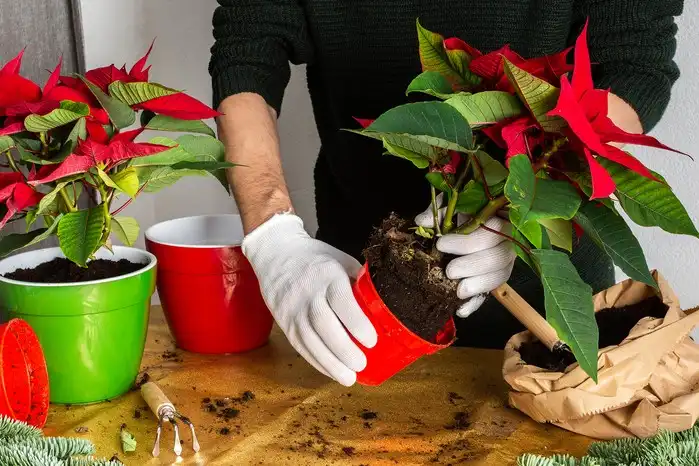
When plants outgrow their pots, roots become crowded and struggle to absorb nutrients. Signs that a plant needs repotting include roots growing out of drainage holes and slowed growth.
Repotting tips:
- Choose a pot one size larger
- Refresh soil during repotting
- Water lightly after repotting
Most plants need repotting every one to two years.
Conclusion
Keeping plants alive throughout the year doesn’t require expert skills or expensive tools. By understanding your plants, adjusting care with the seasons, and following a few simple practices, you can enjoy healthy greenery every month of the year.
From proper watering and lighting to temperature control and pest management, these easy ways to keep plants alive year round are practical, beginner-friendly, and effective. With patience and consistency, your plants will not only survive but thrive, no matter the season.