If you’re working with a tiny backyard, compact courtyard, or a modest urban garden, you may feel like your options for landscaping are limited. But here’s the good news: small gardens can be some of the most charming and creative outdoor spaces when designed well. With thoughtful planning, clever design techniques, and smart space-saving solutions, you can transform even the smallest area into a beautiful, functional oasis.
In this guide, we explore the best landscaping ideas for small gardens with limited space, helping you maximize every inch and create an outdoor area that feels spacious, stylish, and inviting.

1. Start With a Clear Layout: Define Zones
One of the smartest landscaping ideas for small gardens with limited space is creating well-defined zones.
Why zoning works
It gives structure to your garden and makes it feel larger. Clear sections create the illusion of multiple “rooms.”
Possible zones include:
- A mini dining or coffee area
- A reading nook or bench zone
- A small lawn patch
- A compact vegetable or herb corner
- A flower border
- A vertical planting wall
Pro Tip:
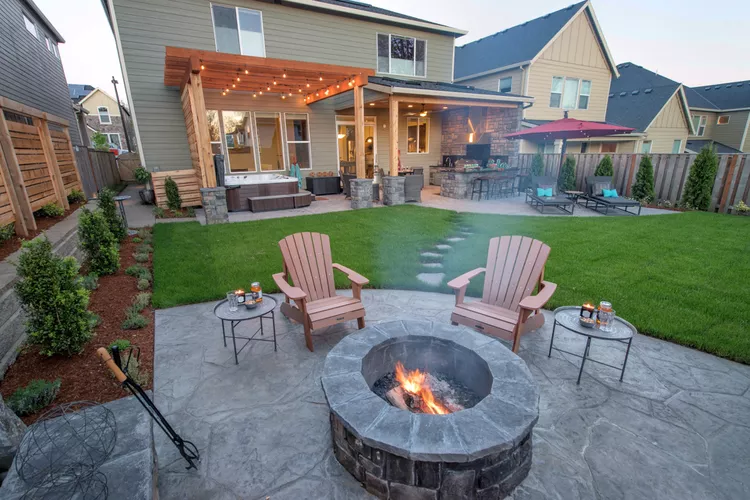
Use different flooring textures like stepping stones, gravel, and decking to visually separate areas without adding bulk.
2. Choose Vertical Landscaping to Save Floor Space

Vertical gardening is one of the most effective small-space landscaping techniques.
Ideas for vertical gardening
- Wall-mounted planters
- Wooden pallet gardens
- Tiered plant shelves
- Hanging pots and baskets
- Trellises for climbing plants
Plants ideal for vertical gardens
- Ivy
- Jasmine
- Clematis
- Ferns
- Succulents
- Herbs such as thyme, oregano, and mint
Vertical design draws the eye upward, making the garden feel taller and more spacious.
3. Use Multi-Functional Garden Furniture
Small gardens benefit from furniture that does more than one job.
Space-saving options
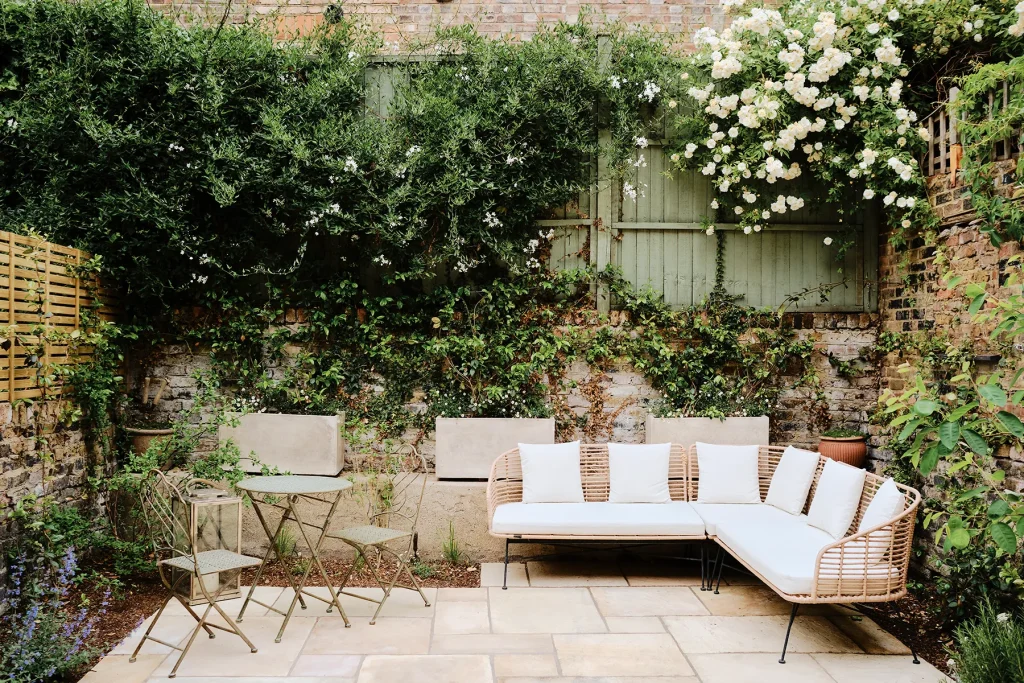
- Benches with built-in storage
- Foldable chairs and tables
- Stackable stools
- Built-in corner seating
- Narrow bistro sets
Why it works
Functional furniture frees up space, keeps the garden clutter-free, and improves usability without overwhelming the layout.
4. Opt for Minimalist and Compact Planting
Overcrowding a small garden can make it appear messy or suffocating. Instead, use a clean, minimalist planting style.
Strategies include:
- Choose fewer plant varieties but plant them in groups
- Use small shrubs instead of large trees
- Select dwarf or compact plant species
- Keep borders neat and well-defined
- Use repetition for harmony and flow
Recommended compact plants
- Lavender dwarf varieties
- Boxwood
- Hydrangea “Little Lime”
- Dwarf ornamental grasses
- Petunias and begonias for mass color
- Small rosemary or sage bushes
This approach keeps the space open, airy, and visually appealing.
5. Choose the Right Color Palette
Color plays a big role in small garden landscaping.
Light, soft colors make spaces look bigger
Whites, pastels, and soft greens reflect light and create openness.
Dark colors add depth
If used sparingly like dark fencing, they can make boundaries feel farther away.
Color strategies
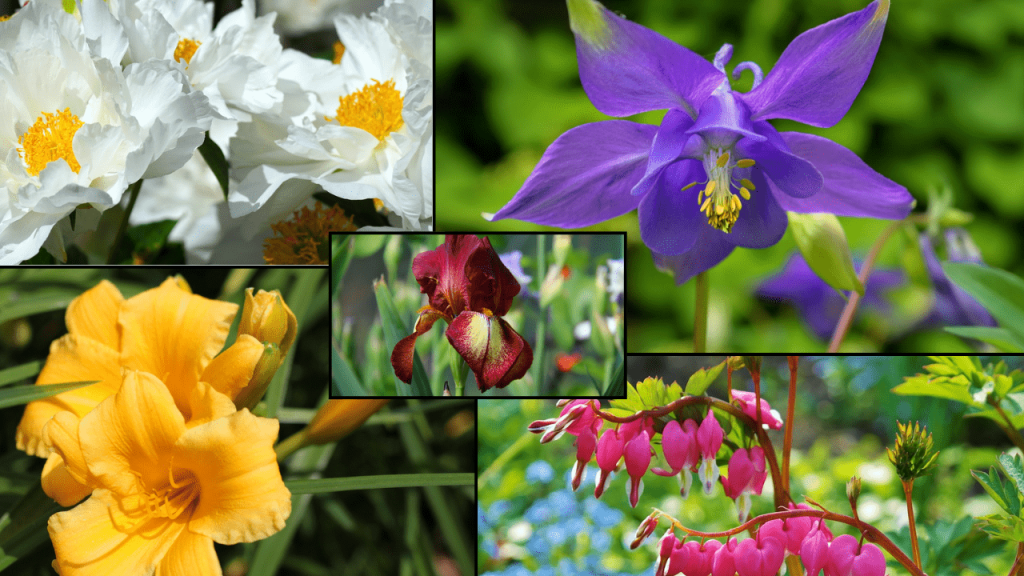
- Pale flowering plants brighten corners
- Dark walls or planters add contrast
- Warm lighting enhances evening aesthetics
Smart trick:
Paint walls or fences light grey or off-white to visually expand the garden.
6. Add Mirrors to Create Illusion of Space
Mirrors, when placed thoughtfully, can make even the tiniest garden feel double its size.
Where to place mirrors
- Behind plants
- On fences
- In shaded corners
- On walls of courtyards
Make sure the mirror is weatherproof and positioned to avoid reflecting harsh sunlight.
7. Use Curves and Circles Instead of Straight Lines
Straight lines often highlight limited space, but curved edges create flow and soften the layout.

Curved elements to incorporate
- Round patio or seating area
- Curved stepping stone paths
- Arched trellises
- Circular planters
- Curved raised beds
Curves trick the eye into thinking the space is more expansive.
8. Install Raised Beds for Organized, Layered Planting
Raised beds help structure small gardens better than ground-level beds.
Benefits include:
- Cleaner, organized design
- Higher soil quality
- Better drainage
- Easy to maintain
- Can double as seating if built with wide edges
Use wood, stone, metal, or concrete depending on your desired aesthetic.
9. Add a Focal Point to Anchor the Design
Every garden, big or small needs a focal point.
Possible focal points
- A water fountain
- A large terracotta pot
- A feature shrub or small tree
- A decorative sculpture
- A hanging lantern cluster
- A statement bench
A focal point gives the eye direction, making the space appear intentional and well-planned.
10. Use Pathways to Create Movement
Pathways help make the garden feel larger by leading visitors through different areas.
Small garden pathway ideas
- Stepping stones set in gravel
- Narrow brick paths
- Wooden planks
- Curved pathways for depth illusion
Even in small spaces, paths help break up the space efficiently.
Final Thoughts
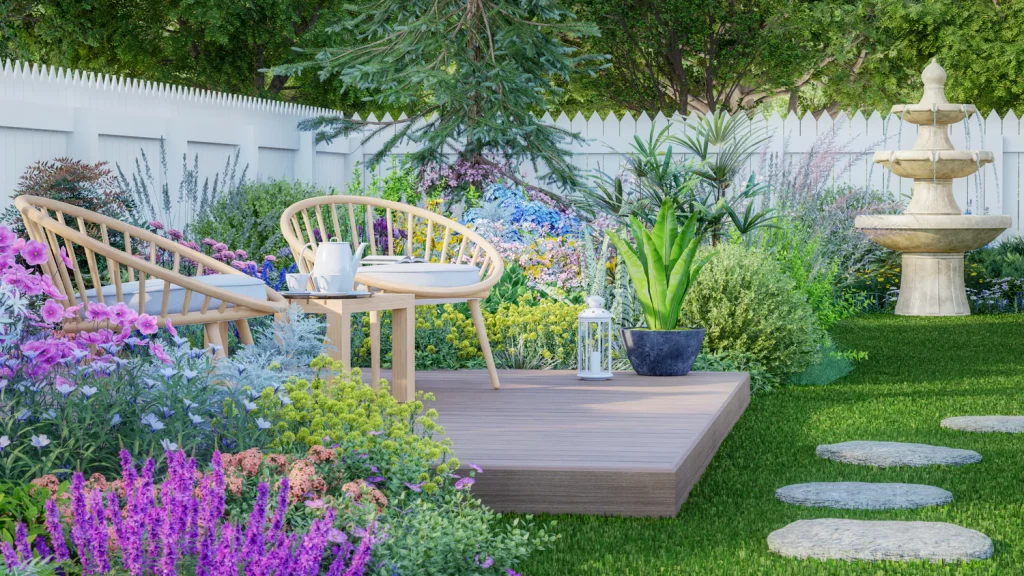
Even with limited room, you can create a stunning outdoor sanctuary. With smart landscaping ideas for small gardens with limited space, thoughtful planning, and creative design choices, small gardens can become incredibly functional, stylish, and relaxing.
A compact space doesn’t need to be plain or restrictive. In fact, some of the most memorable gardens are small ones, full of personality, layered planting, cozy seating, and intelligent storage solutions.